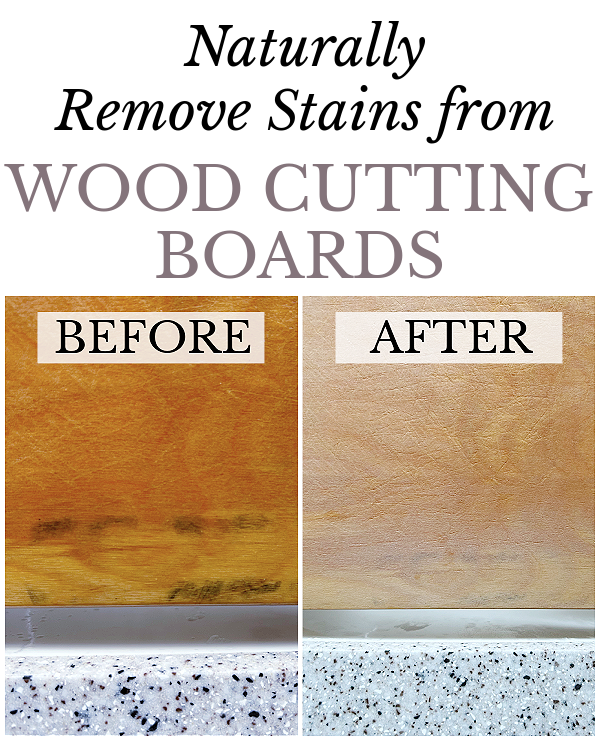
Your wood cutting board is a kitchen essential, but those stubborn stains can make it look old and dirty. You want your board to stay clean and fresh, but getting rid of stains feels tricky.
What if you could restore your cutting board’s natural beauty with simple, effective steps you can do right now? You’ll discover easy and proven ways to remove stains from your wood cutting board. Keep reading—you’ll be amazed at how simple it is to make your board look like new again.
Common Stains On Wood Boards
Wood cutting boards add charm to any kitchen but stains can be frustrating. Knowing common stains helps in effective cleaning. Stains often spoil the board’s look and may harbor bacteria. Understanding stain types and causes is key to keeping wood boards fresh and safe.
Types Of Stains
- Food Stains:Colorful foods like beets, turmeric, and berries leave marks.
- Oil Stains:Cooking oils and fats soak deep into wood pores.
- Water Stains:Prolonged moisture causes dull spots or rings on wood.
- Rust Stains:Metal contact may cause reddish-brown rust marks.
- Mold and Mildew:Damp boards can develop dark mold spots.
- Knife Marks:Cuts and scratches can trap dirt and discolor.
Causes Of Stains
- Improper Cleaning:Skipping thorough washing lets stains settle.
- Food Residue:Leftover bits from colorful or oily foods create stains.
- Excess Water:Standing water seeps into wood causing marks.
- Lack of Maintenance:Not oiling wood makes it dry and absorb stains easily.
- Metal Contact:Knives or metal tools leave rust or dark spots.
- Storage Conditions:Humid or wet environments promote mold growth.
Immediate Stain Removal Steps
Stains on wood cutting boards need quick action to avoid deep marks. Immediate cleaning helps keep the wood safe and looking fresh. Act fast to stop stains from setting in the wood grain.
Wiping And Washing
Start by wiping the stain with a clean, damp cloth. Use gentle pressure to lift the stain without rubbing it deeper. Rinse the cloth often to avoid spreading the stain.
After wiping, wash the board with warm water. Avoid soaking the wood to prevent warping. Dry the board immediately with a soft towel to keep moisture out.
Using Mild Soap Solutions
Mix a few drops of mild dish soap with warm water. Use a soft sponge or cloth to clean the stained area gently. This helps break down oils and food residue causing the stain.
Rinse the board with clean water after washing. Pat dry with a towel to remove all moisture. Mild soap keeps the wood safe while effectively removing stains.
Natural Cleaning Methods
Natural cleaning methods offer a safe and effective way to remove stains from wood cutting boards. These techniques use common household ingredients that are gentle on the wood but tough on stains. They help maintain the board’s appearance and extend its life without harsh chemicals.
Using natural products also reduces exposure to toxins and keeps the board food-safe. The following methods are easy to try and produce great results.
Lemon And Salt Scrub
Cut a lemon in half and sprinkle coarse salt over the stained area. Use the lemon half to scrub the board in circular motions. The acid in lemon breaks down stains, while salt acts as a gentle abrasive. Let the mixture sit for a few minutes, then rinse with warm water. This method brightens the wood and removes odors.
Baking Soda Paste
Mix baking soda with a small amount of water to make a thick paste. Spread the paste over the stained spots and let it sit for 10 to 15 minutes. Baking soda helps lift stains and deodorizes the board. Afterward, scrub lightly with a soft brush or cloth and rinse thoroughly with warm water.
White Vinegar Rinse
Pour white vinegar directly onto the stained area or soak a cloth with vinegar and wipe the board. Vinegar’s natural acidity breaks down stain particles and kills bacteria. Leave the vinegar on the board for a few minutes before rinsing with warm water. This rinse refreshes the wood and helps keep it clean.

Deep Cleaning Techniques
Deep cleaning your wood cutting board is essential when stains just won’t come off with regular washing. These techniques help restore your board’s natural beauty and extend its life. Let’s focus on two effective ways to tackle those stubborn marks and keep your board looking fresh.
Sanding The Surface
Sanding is a powerful way to remove deep stains and scratches from your wood cutting board. Use fine-grit sandpaper (around 220 grit) to gently sand the stained areas. Sand in the direction of the wood grain to avoid damaging the surface.
After sanding, wipe away the dust with a damp cloth and let the board dry completely. This simple step can make a huge difference in reviving your cutting board’s appearance. Have you noticed how much smoother and cleaner your board looks after a good sanding?
Using Mineral Oil
Once your board is clean and dry, applying mineral oil helps protect the wood and prevent future stains. Pour a small amount of food-grade mineral oil onto the surface, then rub it in using a clean cloth or paper towel. Make sure to cover all sides, including the edges.
Let the oil soak in for a few hours or overnight, then wipe off any excess. Regular oiling keeps your board hydrated and less prone to cracking or absorbing stains. Are you ready to give your cutting board that fresh, well-maintained look with a simple oil treatment?
Preventing Future Stains
Applying a thin layer of mineral oil keeps wood cutting boards protected and less prone to stains. Wipe boards dry immediately after washing to prevent moisture buildup and discoloration. Regular cleaning with mild soap helps maintain a fresh, stain-free surface.
Preventing stains on your wood cutting board ensures its longevity and appeal. By following simple maintenance routines, you can keep it looking new. This section will guide you on how to prevent future stains effectively.
Regular Maintenance
Clean your board immediately after each use. Use mild soap and warm water to wash it. Avoid soaking the board to prevent warping. Rinse thoroughly to remove all soap. After cleaning, apply mineral oil to protect the wood. Do this once a month to maintain its condition.
Proper Drying And Storage
After washing, dry your board with a clean towel. Stand it upright to air dry completely. This prevents moisture buildup that causes stains. Store in a cool, dry place away from direct sunlight. Avoid stacking with other kitchenware to prevent scratches.

When To Replace Your Cutting Board
Knowing when to replace your wood cutting board is important for both safety and kitchen hygiene. Over time, cutting boards wear out and can develop problems that are hard to fix. This section helps you understand the signs that show it’s time for a new board. It also explains health risks connected to old, damaged boards.
Signs Of Damage
- Deep cracks or splits that trap food and moisture
- Large stains that won’t come out with cleaning
- Warping or bending that makes the board unstable
- Loose or broken parts that affect use
- Surface roughness that can damage knives
These signs reduce the board’s effectiveness and can cause accidents or contamination.
Health Considerations
Old cutting boards can harbor bacteria in scratches and cracks. This can lead to foodborne illness. Cleaning may not remove germs fully from damaged surfaces.
Wood boards that smell bad or show mold need replacement immediately. Using a compromised board risks your family’s health. Fresh boards ensure safer food prep and better hygiene.
Frequently Asked Questions
How Do I Remove Stains From A Wood Cutting Board?
Use a mixture of baking soda and water to scrub stains gently. Let it sit 10 minutes, then rinse. Repeat if needed. Avoid harsh chemicals to protect the wood's surface.
Can Lemon And Salt Clean Wood Cutting Board Stains?
Yes, rub half a lemon dipped in coarse salt on the board. Let it sit 5 minutes, then rinse with warm water. This natural method helps remove stains and odors effectively.
Is Vinegar Safe To Use On Wood Cutting Boards?
Diluted white vinegar is safe and disinfects well. Wipe the board with vinegar, let it sit a few minutes, then rinse. Avoid soaking to prevent wood damage.
How Often Should I Clean My Wood Cutting Board?
Clean after every use with mild soap and water. Deep clean with natural stain removers weekly or when stains appear. Proper drying prevents bacteria and warping.
Conclusion
Stains on wood cutting boards can be tough to remove. Use gentle scrubbing with natural cleaners like baking soda or lemon. Avoid harsh chemicals to protect your board’s surface. Regular cleaning keeps your board fresh and safe to use. Dry the board well to stop mold and cracks.
With simple care, your wood cutting board lasts longer. Keep it clean, and it will serve you well every day. Small efforts make a big difference in maintaining wood quality. Take time to care for your board; it pays off.