If you use a Dewalt utility knife regularly, you know how important a sharp blade is for getting the job done quickly and safely. But when your blade gets dull, do you know the easiest way to change it?
You might think it’s tricky or time-consuming, but it’s actually simple once you know the right steps. You’ll discover a quick, foolproof method to replace your Dewalt utility knife blade. By the end, you’ll save time, avoid frustration, and keep your tool working like new.
Ready to make blade changes effortless? Let’s dive in.
Dewalt Utility Knife Features
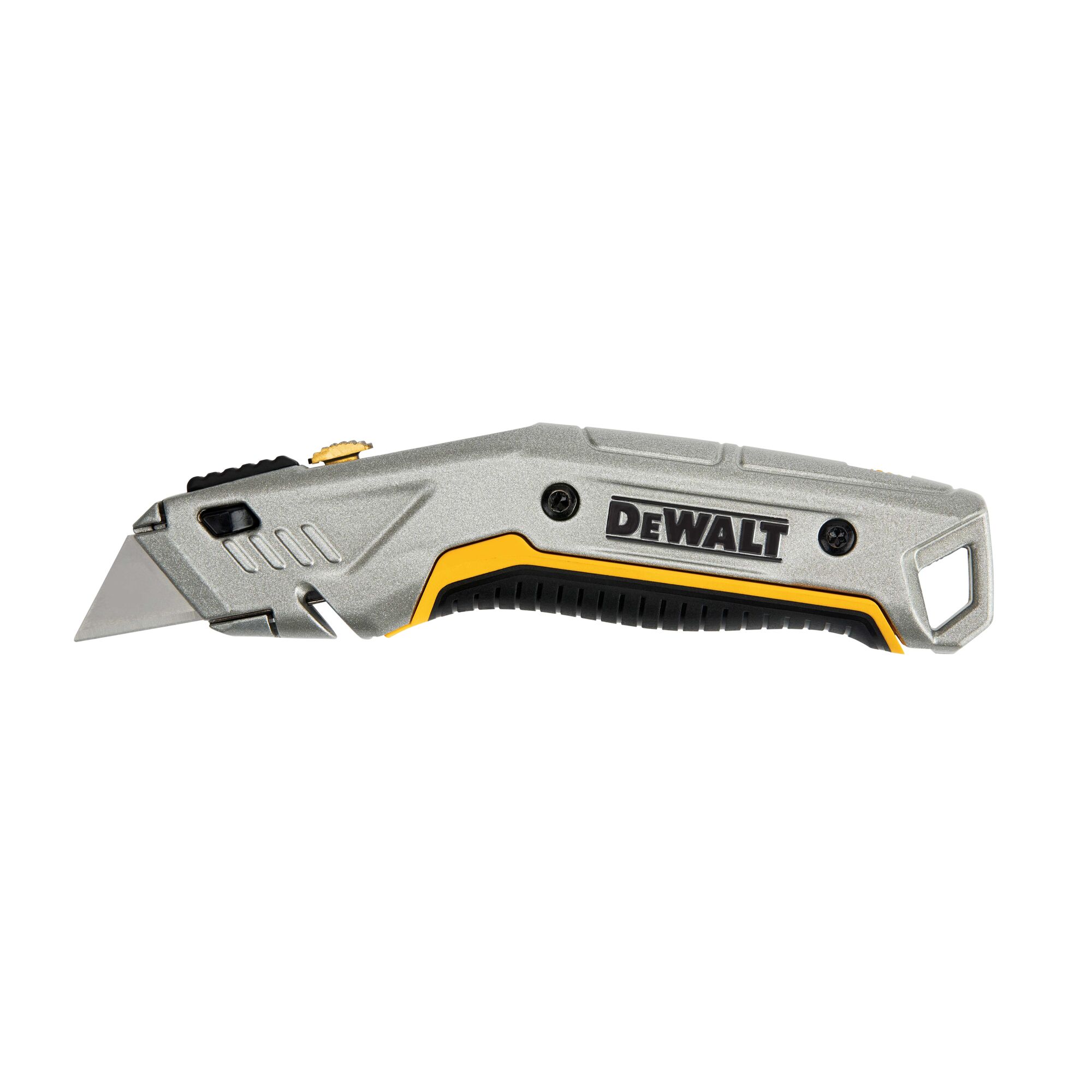
The Dewalt Utility Knife stands out because of its thoughtful design and practical features. These features not only make the blade changing process smoother but also enhance your overall experience with the tool. Understanding these elements helps you handle the knife more efficiently and safely.
Ergonomic Handle Design
The handle of the Dewalt Utility Knife fits comfortably in your hand, reducing fatigue during extended use. Its textured grip prevents slipping, giving you better control even in wet conditions. Have you noticed how a good grip changes your confidence when working on detailed cuts?
Blade Storage Compartment
One feature that saves time is the built-in blade storage compartment. This allows you to keep extra blades within reach, so you don’t have to interrupt your work to find replacements. It’s a small addition that makes a big difference on busy job sites.
Quick-change Blade Mechanism
The quick-change system means you don’t need any tools to swap blades. You simply slide or press a release, and the blade comes out smoothly. This feature helps you stay focused on your project without fumbling with screws or other parts.
Durability And Build Quality
Made with tough materials, the Dewalt Utility Knife withstands rough use and drops. Its robust design ensures the knife stays reliable over time. Would you trust a tool that feels flimsy during critical tasks?
Blade Locking System
The blade locking mechanism keeps the blade securely in place during use. This prevents unexpected blade movement, which can be dangerous. Knowing your blade won’t shift lets you concentrate on precision and safety.
Tools Needed For Blade Change
Before you begin changing the blade in your Dewalt utility knife, it's important to gather the right tools. Having everything prepared can save you time and prevent frustration during the process. You might think it’s just about swapping blades, but the right tools ensure safety and accuracy.
Utility Knife
You obviously need the Dewalt utility knife itself. Make sure it’s the exact model you’re working with. Different models sometimes have different blade locking mechanisms.
Replacement Blades
Keep a set of compatible replacement blades on hand. Using the wrong blade can damage your knife or make cutting unsafe. Dewalt offers specific blades designed to fit their utility knives perfectly.
Screwdriver Or Blade Release Tool
Some Dewalt utility knives require a small screwdriver to open the blade compartment. Others come with a built-in blade release mechanism that acts like a tool itself. Check your knife’s manual to know which one you’ll need.
Protective Gloves
Handling sharp blades can be risky. Wearing cut-resistant gloves protects your hands from accidental slips. It’s a small step that makes a big difference in safety.
Cleaning Cloth
Having a clean cloth helps wipe away any dirt or debris inside the blade compartment. A clean knife works smoother and holds the blade better.
Do you have all these tools ready before starting? Preparing this simple toolkit can make your blade change quick and hassle-free.
Safety Precautions
Changing the blade in a Dewalt utility knife requires careful attention to safety. Sharp blades can cause serious cuts if not handled properly. Taking the right precautions helps prevent accidents and injuries. Always prepare your workspace and tools before starting.
Wear Protective Gloves
Use thick gloves to protect your hands from accidental cuts. Gloves provide a barrier between your skin and the sharp blade. Choose gloves that allow good grip and control.
Work On A Stable Surface
Place the utility knife on a flat, steady surface. This reduces the risk of slipping or dropping the knife. A stable area helps you change the blade more safely and easily.
Keep Fingers Away From The Blade
Hold the knife by the handle only. Avoid touching the blade edges at all times. Use tools or the knife’s mechanism to remove and insert blades.
Use The Correct Blade Type
Always use blades designed for Dewalt utility knives. Wrong blades may not fit well and cause mishandling. Check the blade size and type before starting.
Dispose Of Old Blades Safely
Place used blades in a blade disposal container or wrap them in thick tape. Never leave old blades loose in trash bins. Safe disposal prevents injuries to you and others.
Step-by-step Blade Removal
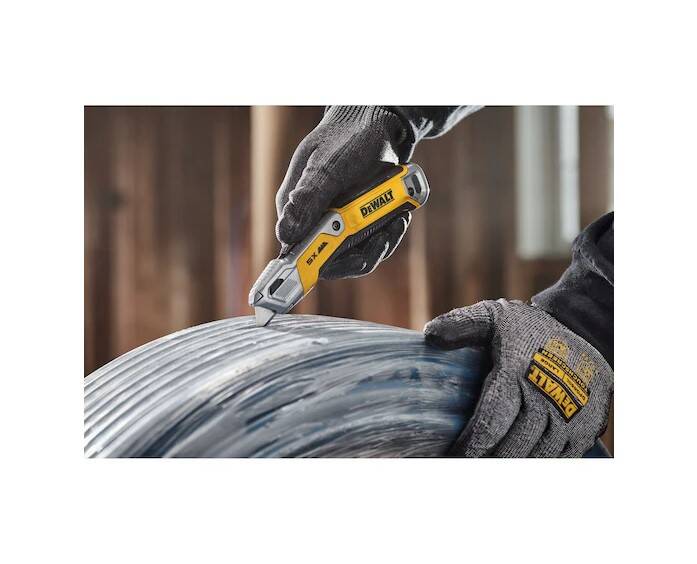
Changing the blade in a Dewalt utility knife is simple and quick. The key is to follow safe steps to avoid injuries and damage to the knife. This section guides you through the blade removal process clearly and safely.
Locate The Blade Release Mechanism
First, find the blade release button or lever on your Dewalt utility knife. It is usually near the blade holder. This mechanism unlocks the blade for removal.
Hold the knife firmly. Press or slide the release mechanism carefully. The blade should loosen without forcing it.
Remove The Old Blade Safely
Once the blade is unlocked, pull it out gently. Use pliers or gloves if the blade is sharp or stuck. Avoid touching the blade's sharp edge directly.
Dispose of the old blade properly in a blade-safe container. Never throw it in regular trash to prevent accidents.
Installing The New Blade
Installing the new blade in your Dewalt utility knife is a straightforward process that demands attention to detail. The key is to handle the blade carefully and ensure it fits perfectly in the slot. A secure installation not only improves cutting efficiency but also keeps you safe during use.
Insert The New Blade Correctly
Begin by holding the new blade by its dull edge to avoid any cuts. Align the sharp edge of the blade with the track inside the knife. You’ll notice a small notch or guide on the blade; this needs to fit into the matching slot inside the knife body.
Gently slide the blade into place until it stops. If it doesn’t slide in easily, do not force it. Check the alignment again—incorrect positioning can cause the blade to jam or slip during use.
Secure The Blade In Place
After the blade is properly positioned, secure it by tightening the locking mechanism. This could be a screw, a lever, or a button depending on your Dewalt model. Make sure it’s firmly locked to prevent any movement of the blade during cutting.
Test the security by gently trying to move the blade with your fingers. If it shifts, tighten the lock again. A loose blade is dangerous and reduces the precision of your cuts.

Testing The Blade Installation
Testing the Blade Installation Ensure the blade is secure by gently pressing it against a surface. Check for any wobbling or movement. Confirm proper alignment for safe use.
Testing the blade installation in a Dewalt utility knife is an essential step to ensure both safety and efficiency. A secure blade means fewer accidents and a smoother cutting experience. It's not just about getting the job done; it's about doing it right. Imagine being halfway through a project and your blade slips or breaks—frustrating, right? By taking a few extra minutes to test the installation, you save yourself time and potential injury. Let's dive into how you can confidently test your blade.
Check For Blade Security
After installing the blade, gently tug on it to make sure it's firmly in place. The blade shouldn't wobble or slide. If it does, remove it and try reinstalling.
Inspect Alignment
Visually examine the blade to ensure it's aligned properly within the knife. A skewed blade can cause uneven cuts or even damage the knife. Align it straight down the center for optimal performance.
Perform A Test Cut
Use a scrap material to test the blade's cutting capability. A clean, straight cut indicates proper installation. If it’s jagged or requires excessive force, reconsider the blade position.
Listen For Unusual Sounds
During the test cut, listen for any odd noises. A scraping or grinding sound can indicate a loose blade or misalignment. A smooth, clean sound is what you’re aiming for.
Feel For Resistance
While cutting, pay attention to how the knife feels in your hand. Resistance could mean the blade isn’t installed correctly or is dull. A well-installed blade should glide through material with minimal effort.
Evaluate Safety Features
Engage any locking mechanisms to ensure they work properly. A functional lock prevents the blade from slipping during use. This is crucial for maintaining safety while working.
Reassess Regularly
Make it a habit to test the blade installation regularly, especially before starting a new project. This proactive approach can prevent accidents and improve the lifespan of your utility knife. Remember, a little diligence goes a long way. How often do you check your tools before diving into a task? It might be time to start a new habit!
Maintenance Tips For Dewalt Utility Knives
Proper maintenance keeps your Dewalt utility knife sharp and safe. Regular care extends blade life and improves cutting performance. Small habits make a big difference in tool durability.
Clean your knife after each use. Dirt and debris cause the blade to dull faster. Wipe the blade and handle with a dry cloth. Avoid water to prevent rust on metal parts.
Store your knife in a dry place. Moisture causes corrosion and weakens the blade. Use a protective sheath or case to avoid accidental cuts and damage.
Keep The Blade Sharp
A sharp blade cuts smoothly and safely. Replace the blade at the first sign of dullness. Dull blades require more force and can slip, causing injury.
Lubricate Moving Parts
Apply a small drop of oil to the knife’s pivot point. This keeps the blade sliding smoothly. Wipe off excess oil to prevent dirt buildup.
Check For Loose Screws
Inspect the knife regularly for loose screws or parts. Tighten screws with a screwdriver to keep the knife stable. Loose parts can cause the blade to wobble or fall out.
Use The Right Blade For The Job
Choose blades designed for your material and task. Using the wrong blade wears it out quickly. It also makes cutting harder and less safe.
Handle With Care
Avoid dropping or throwing the knife. Impact can damage the blade and handle. Treat the knife like a precision tool to ensure long life.
Frequently Asked Questions
How Do I Safely Remove The Old Blade From A Dewalt Utility Knife?
To safely remove the old blade, first ensure the knife is locked. Press the blade release button and carefully slide the blade out. Always wear gloves to avoid cuts. Dispose of the old blade in a blade-safe container to prevent injuries.
What Tools Are Needed To Change A Dewalt Utility Knife Blade?
No additional tools are needed to change a Dewalt utility knife blade. The knife features a built-in blade release mechanism. Simply press the button or slide the lever to release the blade. This design makes blade changes quick and tool-free.
How Often Should I Replace The Blade In My Dewalt Utility Knife?
Replace the blade when it becomes dull or damaged. A sharp blade ensures clean cuts and safety. Frequent use may require blade changes every few weeks. Inspect the blade regularly to maintain optimal performance and avoid accidents.
Can I Use Any Blade Type In A Dewalt Utility Knife?
Dewalt utility knives use standard snap-off blades designed for quick changes. Using the correct blade type ensures proper fit and safety. Avoid using blades not specified by Dewalt to prevent damage or injury.
Conclusion
Changing a blade in your Dewalt utility knife is simple and quick. Follow the steps carefully to stay safe. Use the right tools and take your time. A sharp blade makes cutting easier and safer. Keep your knife ready for any task.
Regular blade changes help your knife last longer. Now, you can handle your knife with confidence. Ready to work on your next project?