Is your food turning into icy blocks inside your refrigerator? You’re not alone, and it’s more common than you might think.
When your fridge freezes food unexpectedly, it can be frustrating and wasteful. But why does this happen, and how can you stop it? Understanding the reasons behind your refrigerator freezing food will help you keep your groceries fresh and save money.
Keep reading to uncover the simple fixes that can make a big difference for your fridge and your food.
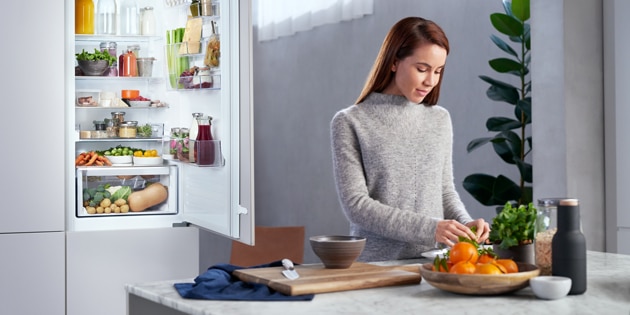
Credit: www.electrolux.in
Common Causes Of Freezing Food
When your refrigerator starts freezing food unintentionally, it can be frustrating and wasteful. Understanding the common causes helps you fix the problem quickly and prevent spoiled groceries. Let’s look at some typical reasons why your fridge might be too cold and freezing your food.
Temperature Settings
Check your fridge’s temperature settings first. Sometimes, the thermostat is set too low, causing the fridge to freeze everything inside.
Most refrigerators work best between 37°F and 40°F (3°C to 4°C). If yours is set below this, adjust it to a higher temperature and monitor the change.
Thermostat Malfunctions
A broken or inaccurate thermostat can cause your fridge to run colder than it should. Even if the temperature dial looks right, the actual cooling might be off.
Have you noticed the fridge running continuously or making unusual noises? This could hint at a faulty thermostat needing professional inspection or replacement.
Poor Air Circulation
Good airflow inside your fridge ensures even cooling. When air can’t move freely, some areas become too cold while others stay warm.
Overcrowding your fridge blocks vents and limits circulation. Try rearranging items to create space and see if freezing stops.
Faulty Door Seal
If the door seal is damaged or dirty, cold air escapes and warm air enters, confusing the fridge’s cooling system. It may overcompensate by freezing food.
Inspect the seal for cracks or gaps. Clean it regularly and replace it if it doesn’t close tightly anymore.
Blocked Vents
Blocked vents inside the fridge can cause uneven cooling, leading to freezing in certain spots. Food or containers might be placed too close to these vents.
Clear any obstructions and keep vents free to maintain proper temperature balance throughout the fridge.
Temperature Settings Adjustments
Temperature settings in your refrigerator control how cold the inside gets. If set too low, food can freeze. Adjusting these settings can stop freezing and keep your food fresh.
Ideal Temperature Range
The fridge temperature should stay between 35°F and 38°F (1.7°C to 3.3°C). This range keeps food cool without freezing it. The freezer should be set at 0°F (-18°C) to keep items frozen but safe.
Temperatures below 32°F (0°C) in the fridge cause water in food to freeze. Watch for frost or ice on shelves and food. These signs show the temperature is too low.
How To Adjust The Thermostat
Find the thermostat inside your fridge, often near the top or back wall. It may be a dial, digital panel, or touch screen. Turn the dial to a warmer setting to reduce freezing.
For digital models, press the temperature up or down buttons. Wait 24 hours after adjusting to see the effect. Avoid large changes; adjust gradually for best results.
Keep the fridge door closed while adjusting to maintain steady temperature. Check the temperature with a fridge thermometer for accuracy. Adjust again if freezing continues.
Improving Air Circulation
Improving air circulation inside the refrigerator helps stop food from freezing. Cold air flows better when items are arranged correctly. Good airflow keeps the temperature even and prevents cold spots. This reduces the chance of food freezing near vents or fans.
Proper Food Placement
Place food away from the air vents. Cold air blows out strongly from these spots. Keep items at least a few inches from vents to avoid freezing. Use shelves wisely to spread food out. Avoid blocking air paths with large containers or bags. This allows cold air to move freely around all items.
Avoid Overloading
Do not fill the fridge too full. Overloading stops air from circulating well. Crowded shelves block cold air and cause uneven temperatures. Leave space between items for air to flow. Organize food in smaller groups or containers. This keeps air moving and helps keep food fresh without freezing.

Credit: oakvalleyappliance.com
Checking And Replacing Door Seals
Checking and replacing door seals is essential to stop your refrigerator from freezing food. Faulty seals let cold air escape and warm air enter. This causes the fridge to work harder and freeze items unevenly. Regular inspection keeps your fridge efficient and food safe.
Inspecting For Damage
Look closely at the door seals for cracks or tears. Press gently along the seal to find soft or loose spots. Check if the door closes tightly without gaps. Dirt or mold on seals can also cause poor sealing. Clean the seals with warm, soapy water for better contact.
Easy Seal Replacement
Replacing door seals is simple and saves money. Purchase a seal that matches your fridge model. Remove the old seal by pulling it gently from the groove. Align the new seal into the groove firmly. Use warm water or a hairdryer to soften the seal for a snug fit. Test the door to ensure it closes tightly and seals well.
Unblocking Vents
Unblocking vents is key to stopping your refrigerator from freezing food. Vents help air flow inside the fridge. If blocked, cold air builds up and causes freezing. Clearing these vents can balance temperature and protect your food.
Locating The Vents
Vents are usually inside the fridge or freezer walls. Look for small openings or slits where air moves. They may be near the back or sides. Check both compartments to find all vents. Knowing their location helps in cleaning them properly.
Clearing Obstructions
Remove any items blocking the vents. Food packages or containers often cover them. Avoid placing large items directly in front of vents. Dust and debris can also block airflow. Use a soft cloth or brush to clean vents gently. Clear vents improve air circulation and prevent freezing.
When To Call A Professional
Knowing when to call a professional for a freezing refrigerator saves time and frustration. Some issues look simple but need expert care. Acting early can prevent bigger problems and higher costs. Recognizing the signs helps you decide the right moment to seek help.
Identifying Complex Issues
Some refrigerator problems are hard to fix alone. Strange noises, inconsistent temperatures, or frost build-up need expert diagnosis. Faulty thermostats or damaged defrost systems require special tools to repair. Attempting these repairs without skills may cause more damage.
If you notice food freezing even when settings are correct, the issue might be complex. A professional can test internal parts and find hidden faults. Don’t ignore persistent problems; they often worsen over time.
Cost-benefit Analysis
Consider repair costs against buying a new refrigerator. Professionals can offer estimates after inspection. Sometimes fixing a small part is cheaper than replacing the whole unit. Other times, repairs cost more than a new fridge.
Think about the refrigerator’s age and condition. Older models may fail again soon after repair. New models use less energy and have better features. A professional helps weigh repair costs and long-term benefits.

Credit: www.dtappliance.com
Frequently Asked Questions
Why Is My Refrigerator Freezing Food Unexpectedly?
Your refrigerator may be set too cold or the thermostat might be faulty. Cold air leaks or blocked vents can also cause freezing. Check the temperature settings and ensure proper airflow inside the fridge.
How Can I Stop My Fridge From Freezing Vegetables?
Place vegetables in the crisper drawer and avoid storing them near cold air vents. Adjust the temperature to a slightly warmer setting, around 37-40°F (3-4°C), to prevent freezing.
What Causes Uneven Cooling In A Refrigerator?
Uneven cooling often results from blocked vents, dirty condenser coils, or a malfunctioning thermostat. Regular cleaning and proper airflow can help maintain consistent temperatures inside the fridge.
Can A Faulty Thermostat Cause Food Freezing?
Yes, a malfunctioning thermostat can cause the fridge to run too cold. It may fail to regulate temperature, leading to freezing. Replacing or recalibrating the thermostat can resolve this issue.
Conclusion
A fridge that freezes food can cause waste and frustration. Check the temperature settings first. Avoid placing food too close to the cooling vents. Make sure the door seals tightly every time. Clean the fridge regularly to keep it working well.
Small fixes often solve the freezing problem quickly. Stay alert to signs of malfunction early on. A well-maintained fridge keeps your food fresh and safe. Take action soon to prevent more food from freezing. Simple steps protect your groceries and save money.