Is your refrigerator acting up and leaving you worried about the cost to fix it? You’re not alone.
When your fridge stops working, it’s not just an appliance problem—it’s a disruption to your daily life. You want a quick fix without breaking the bank, but how much should you really expect to pay? You’ll discover the true costs behind refrigerator repairs and learn how to make the best choice for your budget.
Keep reading to avoid surprises and get your fridge back to running smoothly.

Credit: www.angi.com
Common Refrigerator Problems
Refrigerators are essential in every home. They keep food fresh and drinks cold. Like all machines, refrigerators can develop problems. Knowing common issues helps you decide if repair costs are worth it.
Some problems are easy to spot. Others may need a technician to diagnose. Repair costs depend on the issue’s complexity and parts needed. Here are frequent refrigerator problems to watch for.
Cooling Issues
The fridge not cooling properly is a common complaint. Food may spoil faster or ice may melt. Causes include a dirty condenser coil, faulty thermostat, or low refrigerant. Fixing cooling problems can range from cleaning to replacing parts.
Leaking Water
Water pooling inside or outside the fridge shows leaks. Blocked defrost drains or broken water lines often cause leaks. Sometimes the door seal lets moisture in. Water leaks can damage floors and increase repair costs.
Strange Noises
Unusual sounds like buzzing, clicking, or rattling mean trouble. Noises may come from the compressor, fan, or motor. Loose parts or ice buildup can also cause sounds. Ignoring noises can lead to bigger problems.
Ice Maker Malfunctions
The ice maker may stop producing or make misshaped ice cubes. Common reasons include clogged water lines or faulty sensors. Sometimes the ice bin is misaligned. Repairing ice makers can involve cleaning or replacing components.
Door Seal Problems
Worn or broken door seals let cold air escape. This wastes energy and reduces efficiency. Seals can crack or lose their stickiness over time. Replacing door gaskets is usually a simple fix but important for saving energy.
Factors Affecting Repair Costs
Repairing a refrigerator isn’t a one-price-fits-all situation. The cost can vary widely based on several key factors that directly impact what you’ll pay. Understanding these factors helps you prepare better and make informed decisions when faced with a fridge repair.
Type Of Refrigerator
The kind of refrigerator you own plays a major role in the repair cost. Basic top-freezer models usually have cheaper repairs compared to side-by-side or French door fridges.
Special features like ice makers, water dispensers, or smart technology add complexity. More advanced models often require specialized parts and expertise, which can increase costs.
Age And Brand
Older refrigerators often cost more to fix because parts may be harder to find. If your fridge is over 10 years old, you might face delays or higher prices for replacement components.
Brand reputation also matters. Premium brands like Sub-Zero or Viking tend to have pricier parts and service fees compared to common brands like Whirlpool or GE.
Parts And Labor
Parts can vary dramatically in price—from a $20 thermostat to a $300 compressor. Knowing what part needs replacement helps you gauge the likely expense.
Labor costs depend on the technician’s hourly rate and the time needed to complete the repair. Sometimes, a simple fix takes just 30 minutes; other times, it can take hours.
Location And Service Provider
Where you live affects repair costs too. Urban areas often have higher labor rates compared to rural regions. Travel time and emergency service fees can add up.
Choosing between an authorized service center or a local repair shop also impacts price. Authorized centers may charge more but often provide warranty-backed repairs.
Average Repair Costs By Issue
Repair costs vary widely based on the refrigerator issue. Knowing average prices helps plan your budget better. Some repairs are simple and affordable, while others need more work and parts. Understanding common problems and their costs can save time and money.
Thermostat Replacement
The thermostat controls the fridge temperature. A faulty thermostat causes uneven cooling or no cooling at all. Replacing it usually costs between $100 and $200. The part is affordable, and labor is quick, making this repair less expensive.
Compressor Repair
The compressor is the fridge’s engine. It pumps refrigerant to cool the interior. Compressor repairs or replacements can be costly, often ranging from $400 to $800. The price depends on the model and labor needed. This repair is one of the most expensive.
Condenser Fan Replacement
The condenser fan cools the compressor and coils. A broken fan causes overheating and poor cooling. Replacing the fan costs about $150 to $300. The fan parts are moderately priced, and the job is usually straightforward.
Defrost System Repair
The defrost system prevents frost buildup inside the fridge. If it fails, frost blocks air flow and raises temperatures. Repairing the defrost system typically costs between $150 and $400. This includes fixing heaters, sensors, or timers.
Water Leak Fixes
Water leaks can come from clogged drains or broken seals. Fixing leaks ranges from $100 to $300. Simple drain cleaning costs less, while replacing seals or lines costs more. Early repairs prevent bigger water damage problems.
Credit: www.youtube.com
Diy Vs Professional Repair
Deciding between fixing your refrigerator yourself or calling a professional is a common dilemma. Both options have their pros and cons, and understanding them can save you time, money, and frustration. Let’s break down when it’s smart to DIY and when expert help is the better choice.
When To Attempt Diy
You might consider fixing your fridge on your own if the problem seems straightforward. Issues like replacing a door gasket, cleaning condenser coils, or changing a water filter are usually manageable with basic tools.
Have you checked online tutorials or repair guides? These resources often provide step-by-step instructions that can boost your confidence and reduce errors.
However, make sure you have the right tools and some experience with small appliance repairs before you start. Simple problems can turn complicated quickly if you’re unprepared.
Risks Of Self-repair
Attempting repairs without proper knowledge can worsen the issue. For instance, messing with electrical components or refrigerant lines could cause damage that’s costly to fix.
There’s also the risk of personal injury. Sharp edges, electrical shocks, and heavy parts are common hazards when working on refrigerators.
Have you thought about how a failed DIY repair might void your warranty? Sometimes, a small mistake can lead to bigger expenses than hiring a pro from the start.
Benefits Of Hiring Experts
Professional technicians bring experience and specialized tools to the table. They can diagnose problems quickly and fix them correctly the first time.
Experts can also provide warranties on their repairs, giving you peace of mind. Plus, they know local codes and safety standards, which keeps your home safe.
Hiring a professional might cost more upfront, but it often saves money and stress in the long run. Would you rather spend a little more now or face repeated breakdowns later?
Tips To Lower Repair Expenses
Understanding common refrigerator issues helps avoid costly repairs. Regular cleaning and timely part replacement keep expenses low. Comparing repair quotes ensures fair pricing without overspending.
Fixing a refrigerator can be costly, but there are clever ways to minimize expenses. Understanding these can save you a significant amount of money. By following a few smart strategies, you can keep your fridge running smoothly without breaking the bank.
Regular Maintenance
Regular maintenance is your first defense against hefty repair bills. Dust and debris can clog the coils, causing the fridge to work harder and potentially break down. Ensure you clean the coils every six months to keep everything running efficiently. A well-maintained refrigerator is less likely to suffer from major issues. Simple tasks like checking door seals and defrosting the freezer can extend the life of your appliance. When did you last check your fridge's temperature settings?
Warranty And Insurance
Before reaching for your wallet, check if your refrigerator is still under warranty. A valid warranty can cover many repair costs, saving you hundreds of dollars. Keep all warranty documents handy to avoid last-minute scrambles. Consider appliance insurance if your warranty has expired. Some insurance plans cover repair costs, offering peace of mind. Is investing in insurance a more affordable option for you?
Comparing Repair Quotes
Don’t settle for the first repair quote you receive. Prices can vary significantly between service providers. Gather multiple quotes to ensure you’re getting the best deal. Engage with local repair services and ask detailed questions about their pricing. Sometimes, smaller companies offer competitive rates and personalized service. How well do you know the repair market in your area?

Credit: www.homeyou.com
When To Replace Instead Of Repair
Deciding whether to repair or replace your refrigerator can be tricky. Repairs might seem cheaper upfront, but some issues signal that replacement is a smarter choice. Understanding these signs helps you avoid wasted money and frustration.
Cost Comparison
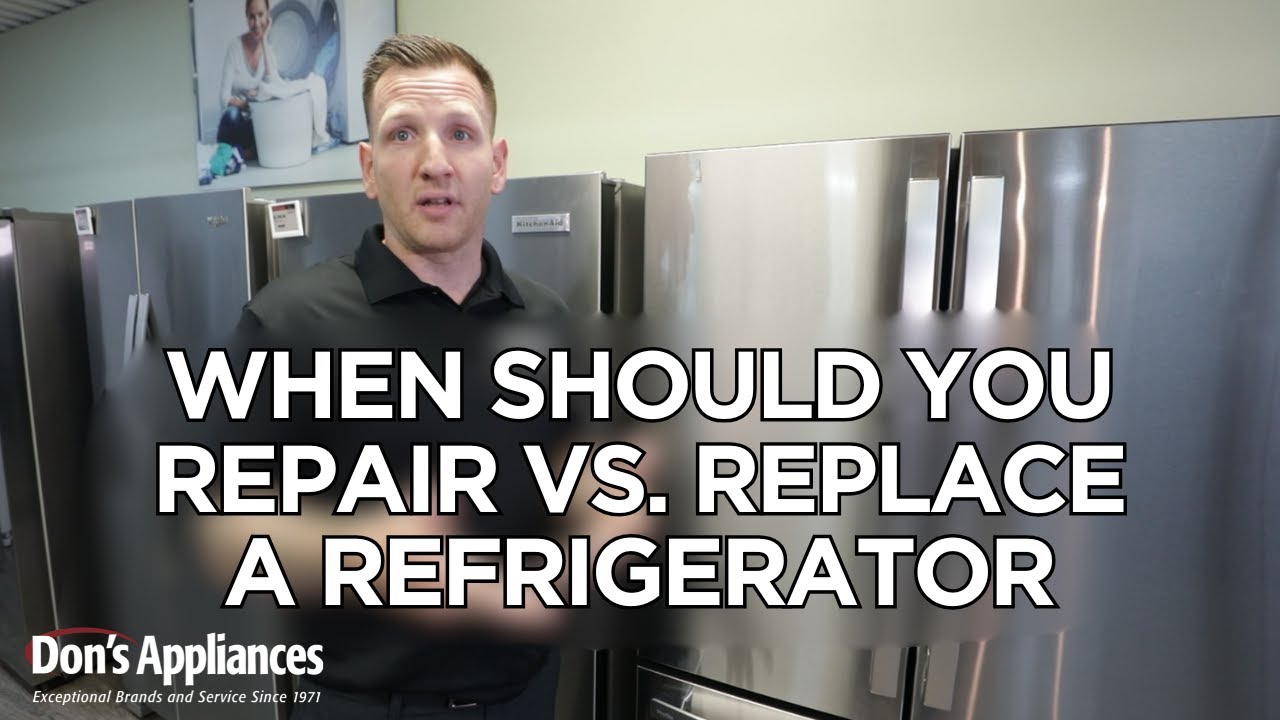
Think about the repair cost versus buying a new fridge. If the repair bill is more than half the price of a new refrigerator, replacement might save you money long-term. For example, fixing a compressor can cost hundreds, sometimes close to a new unit’s price.
Also, consider how old your fridge is. Repairs on appliances over 10 years old often don’t pay off. You could spend repeatedly fixing one problem after another.
Signs Of Irreparable Damage
Some damages go beyond simple fixes. Extensive rust inside the fridge, a broken sealed system, or persistent leaks usually mean the fridge is done. These problems aren’t just costly to fix; they can also affect food safety.
If your fridge stops cooling consistently or makes strange noises even after repair attempts, it might be time to replace it. Ask yourself: is the inconvenience worth the cost and effort of ongoing repairs?
Energy Efficiency Considerations
Older refrigerators can use twice as much energy as newer models. Even if your fridge still works, it may be costing you more in electricity than you realize. Upgrading to an energy-efficient model can reduce your monthly bills.
Think about this: spending on a new fridge might seem high initially, but the savings on energy bills and the environmental benefits add up quickly. Have you checked your current fridge’s energy rating lately?
Frequently Asked Questions
How Much Does Refrigerator Repair Usually Cost?
Refrigerator repair costs typically range from $150 to $400. The price varies by issue and parts needed. Labor charges also impact the total cost. Minor repairs cost less, while compressor or motor replacements are pricier. Refrigerator repair costs in 2026 are likely to see an increase due to inflation and rising labor rates. Consumers may want to budget accordingly to address potential repairs efficiently. Additionally, investing in regular maintenance can help mitigate these costs by prolonging the lifespan of the appliance.
What Factors Affect Refrigerator Repair Prices?
Repair costs depend on the problem type, part prices, and labor fees. Brand and model age also influence repair expenses. Emergency or same-day services may increase prices. Location and technician expertise can affect the final cost too.
Is It Cheaper To Repair Or Replace A Refrigerator?
Repair is cheaper if issues are minor and parts affordable. For older models or major problems, replacement might save money long-term. Consider repair cost versus appliance value before deciding. Energy efficiency and warranty status also matter.
How To Estimate Refrigerator Repair Costs Before Calling?
Identify symptoms like strange noises, leaks, or temperature issues. Research common repair prices online for similar problems. Ask for a diagnostic fee upfront from repair services. This helps avoid unexpected charges and plan your budget.
Conclusion
Fixing a refrigerator can cost different amounts. Small repairs often cost less, while big problems cost more. Always check the problem early to avoid bigger bills. Sometimes, fixing saves money compared to buying new. Choose a trusted repair service for best results.
Keep your fridge clean and maintained to last longer. Knowing repair costs helps plan your budget well. Don’t wait too long to fix fridge issues. A working refrigerator keeps food fresh and safe. Simple steps can save you time and money.