Is your refrigerator leaking water inside? You’re not alone, and this problem can be more than just a minor annoyance.
A leaking fridge can lead to spoiled food, slippery floors, and even costly repairs if ignored. But don’t worry—understanding why this happens is the first step to fixing it quickly. You’ll discover the common causes behind those unwanted water drops and simple ways to stop the leak before it gets worse.
Keep reading to protect your fridge and your home.

Credit: www.searshomeservices.com
Common Causes Of Water Leaks
Water leaking inside a refrigerator is a common issue that many people face. The problem often comes from simple causes that can be fixed at home. Knowing these causes helps in quick troubleshooting and stops water from pooling inside. Below are some frequent reasons why water leaks happen inside your fridge.
Blocked Defrost Drain
The defrost drain removes water during the fridge’s automatic defrost cycle. Sometimes, food particles or ice block this drain. Water then backs up and leaks inside the fridge. Cleaning the drain regularly prevents this problem.
Clogged Or Frozen Water Line
Some refrigerators have water lines for ice makers or water dispensers. These lines can freeze or get clogged with debris. When blocked, water leaks inside the fridge instead of flowing out properly. Thawing or cleaning the lines can stop the leaks.
Damaged Door Seals
Door seals keep cold air inside and moisture out. If the seals are torn or dirty, warm air enters. This causes condensation and water buildup inside the fridge. Checking seals and replacing damaged ones helps maintain a dry interior.
Improper Temperature Settings
Setting the fridge temperature too low can cause excess frost and ice. This ice melts and creates water puddles inside. The ideal temperature is usually between 37°F and 40°F (3°C to 4°C). Adjusting the temperature stops water leaks.
Credit: dengarden.com
Identifying The Source Of The Leak
Finding the exact source of water leaking inside your refrigerator can save you time and money. It’s easy to feel overwhelmed, but a clear check of key areas can reveal the cause quickly. Let’s look at some common spots where leaks often start and how you can inspect them effectively.
Checking The Drip Pan
The drip pan collects water that melts off the evaporator coils. If it’s cracked or misaligned, water can spill inside the fridge instead of draining properly.
Pull out the drip pan located underneath your fridge and look for any cracks or standing water. Clean it thoroughly and place it back securely to ensure it catches condensation as it should.
Have you noticed unusual puddles near the bottom of your fridge? That’s often a clear sign the drip pan needs your attention.
Inspecting The Water Filter
Your refrigerator’s water filter can cause leaks if it’s old or improperly installed. Water may drip inside if the seal isn’t tight or if the filter is clogged.
Remove the water filter and check for cracks or debris blocking the flow. Replace it if it looks worn or if you haven’t changed it in over six months.
When was the last time you changed your water filter? Skipping this can easily lead to leaks and affect water quality.
Examining The Door Seals
Door seals that are cracked or dirty can let warm air inside, causing excess moisture and water buildup. This can look like a leak but is actually condensation.
Run your fingers along the seals to feel for any gaps or stiffness. Clean them with warm soapy water and replace if they don’t return to their original flexibility.
Have you checked your door seals recently? A simple fix here might stop the dripping without any complicated repairs.
Quick Fixes For Water Leaks
Water leaking inside a refrigerator can cause damage and food spoilage. Quick fixes help stop leaks fast. These simple actions often solve the problem without expert help. They save time and money. Try these easy solutions to keep your fridge dry and working well.
Clearing The Defrost Drain
The defrost drain can get blocked by ice or food debris. This blockage causes water to pool inside the fridge. To clear it:
- Locate the drain hole, usually at the back or bottom inside the fridge.
- Use warm water to melt any ice in the drain.
- Push a pipe cleaner or a small brush through the drain to remove clogs.
- Flush the drain with warm water again to ensure it is clear.
Clearing the defrost drain allows water to flow out properly. This stops leaks and keeps the fridge dry.
Thawing The Water Line
Frozen water lines can cause leaks or water buildup. Thawing the line restores water flow and stops leaks. Follow these steps:
- Unplug the fridge to avoid electric shock.
- Locate the frozen water line, usually behind or under the fridge.
- Use a hairdryer on low heat to gently thaw the ice.
- Do not use sharp objects to break the ice.
- Once thawed, plug the fridge back in and check for leaks.
Regular thawing prevents future freezes and leaks in the water line.
Replacing Door Seals
Worn or damaged door seals let warm air in, causing condensation and leaks. Replacing seals keeps the fridge airtight. Follow these tips:
- Check seals for cracks, tears, or gaps.
- Buy replacement seals that fit your fridge model.
- Remove the old seals carefully.
- Clean the door edges before installing new seals.
- Press the new seals firmly into place.
- Test the door by closing it and checking for gaps.
Good door seals stop moisture from entering. This reduces water leaks and saves energy.
Preventive Measures
Preventing water leaks inside your refrigerator keeps it working well longer. Small efforts can stop common causes of leaks. Simple steps help maintain a dry and clean fridge interior.
Regular Maintenance Checks
Check the fridge regularly for blockages or dirt. Clean the drain hole and drip pan to avoid water buildup. Inspect door seals to ensure they close tightly. Replace damaged seals quickly to stop moisture leaks.
Proper Refrigerator Loading
Do not overfill the refrigerator. Air needs space to circulate for even cooling. Avoid blocking vents inside the fridge. Place food items away from the back wall to prevent frost buildup.
Monitoring Temperature Levels
Keep fridge temperature between 37°F and 40°F. Set freezer temperature at 0°F for best results. Use a thermometer to check temperatures often. Adjust settings if ice forms or water pools inside.
When To Call A Professional
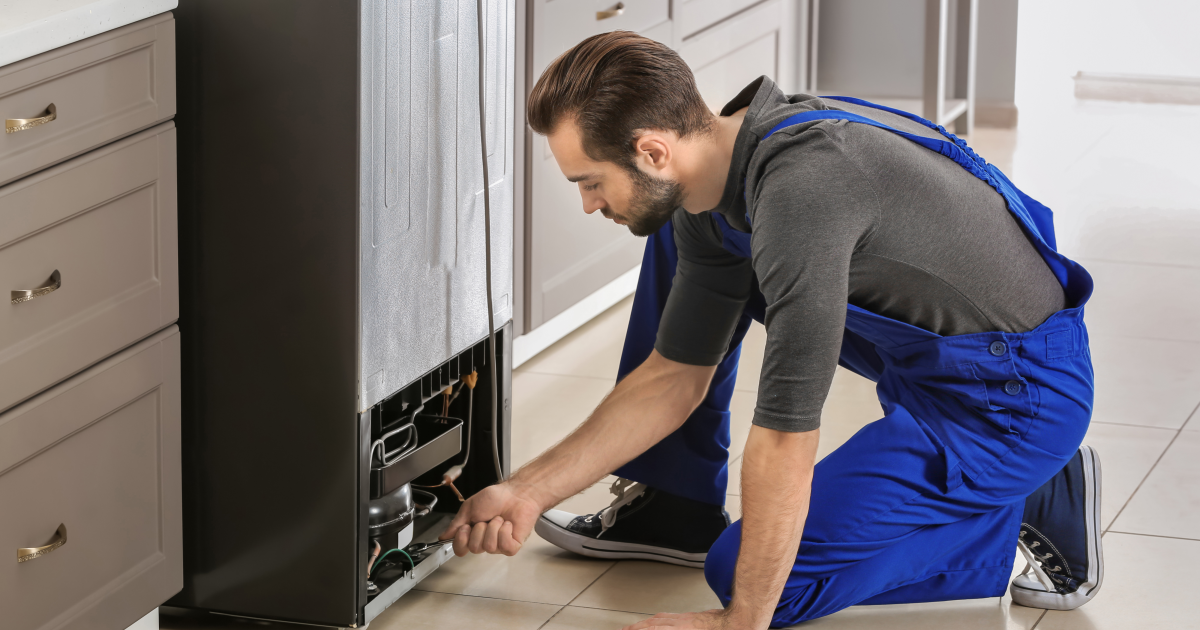
Knowing when to call a professional for a leaking refrigerator can save you time, money, and stress. Some water issues are simple to fix, but others signal deeper problems that need expert attention. Recognizing these signs helps you avoid damage to your fridge and home.
Persistent Water Issues
If you’ve cleaned the drain hole and checked the water filter but still see water pooling inside, it’s a clear sign to get help. Persistent leaks could mean clogged or frozen drain tubes that are hard to clear without special tools.
Have you noticed water returning even after your fixes? This often means the problem isn’t superficial. A professional can pinpoint hidden blockages or faulty parts that you might miss.
Complex Repairs Needed
Some repairs require technical skills, like fixing the defrost system or replacing damaged seals. These parts control how water moves and evaporates inside your fridge.
Attempting these fixes without experience can lead to bigger problems or safety risks. If your fridge keeps leaking despite your efforts, calling a technician ensures the issue is handled correctly and efficiently.

Credit: leaders.jo
Frequently Asked Questions
Why Is My Refrigerator Leaking Water Inside?
A refrigerator leaks water inside due to blocked defrost drain, damaged door seal, or clogged water line. These issues cause water buildup and leaks inside the fridge.
How To Fix Water Leaking Inside Refrigerator?
Clean the defrost drain, replace faulty door seals, or unclog water lines to stop leaks. Regular maintenance prevents water buildup inside the fridge.
Can A Clogged Drain Cause Fridge Water Leaks?
Yes, a clogged defrost drain traps water inside the fridge. This blockage leads to leaks and pooling water on shelves or the bottom.
Does A Faulty Door Seal Cause Internal Leaks?
A damaged door seal lets warm air in, causing condensation and water leaks inside the fridge. Replace seals to maintain proper temperature and prevent leaks.
Conclusion
Water inside your refrigerator can signal simple problems. Clogged drains, damaged door seals, or blocked vents often cause leaks. Cleaning or fixing these parts usually stops the water. Regular checks help keep your fridge dry and working well. Small issues can turn big if ignored.
Stay alert to avoid food spoilage and extra repairs. Keeping your fridge dry saves money and hassle. A little care goes a long way.