Is your refrigerator making more noise than it should? That constant hum or unexpected buzzing can be distracting and annoying, especially in a quiet home. If you're dealing with a Frigidaire refrigerator beeping solutions can help you identify the source of the problem. Common causes for the beeping include door ajar alarms or temperature fluctuations, both of which can be addressed with simple adjustments. Understanding these issues can save you time and potentially prevent costly repairs down the line.
You don’t have to live with that noise. Imagine a peaceful kitchen where your fridge works silently in the background. You’ll discover simple, effective ways to make your refrigerator quieter—without calling a repairman or buying a new one. Keep reading, and you’ll learn easy steps that anyone can follow to bring calm back to your home.
Common Refrigerator Noises
Refrigerators make various sounds during normal operation. These noises come from different parts working together to keep your food fresh. Understanding these sounds helps you know what is usual and what needs attention. This knowledge reduces worry and prevents bigger problems.

Identifying Normal Sounds
Common refrigerator sounds include:
- Humming: The motor running quietly.
- Clicking: The compressor turning on and off.
- Buzzing: The fan circulating air inside.
- Gurgling or dripping: Refrigerant moving through tubes.
- Rattling: Slight vibrations from the compressor or panels.
These noises usually stop and start in cycles. They are soft and not too loud. They show the fridge is working as it should.
Signs Of Unusual Noise
Unusual noises may mean a problem. Listen for:
- Loud banging or knocking sounds.
- Continuous or very loud humming.
- Squealing or grinding noises.
- High-pitched whines or buzzing.
- Sounds that last all the time without stopping.
These sounds may indicate parts like the compressor or fan need repair. Ignoring strange noises can cause bigger damage.
Check And Adjust Placement
Checking and adjusting the placement of your refrigerator can significantly reduce unwanted noise. A fridge that isn’t properly positioned often vibrates or hums louder than necessary. Small changes in how your fridge sits and interacts with its surroundings can make a big difference in quieting it down.
Leveling The Fridge
Is your refrigerator stable or does it wobble slightly when you push it? Uneven floors or an unlevel fridge can cause extra noise and vibrations. Use a spirit level to check if your fridge is perfectly horizontal.
Adjust the feet by turning them clockwise or counterclockwise until the fridge stands firm. A steady fridge reduces rattling sounds and helps the compressor work more efficiently. Have you noticed how a small tilt can create a constant hum? Fixing that is often the easiest way to quiet your appliance.
Avoiding Wall Contact
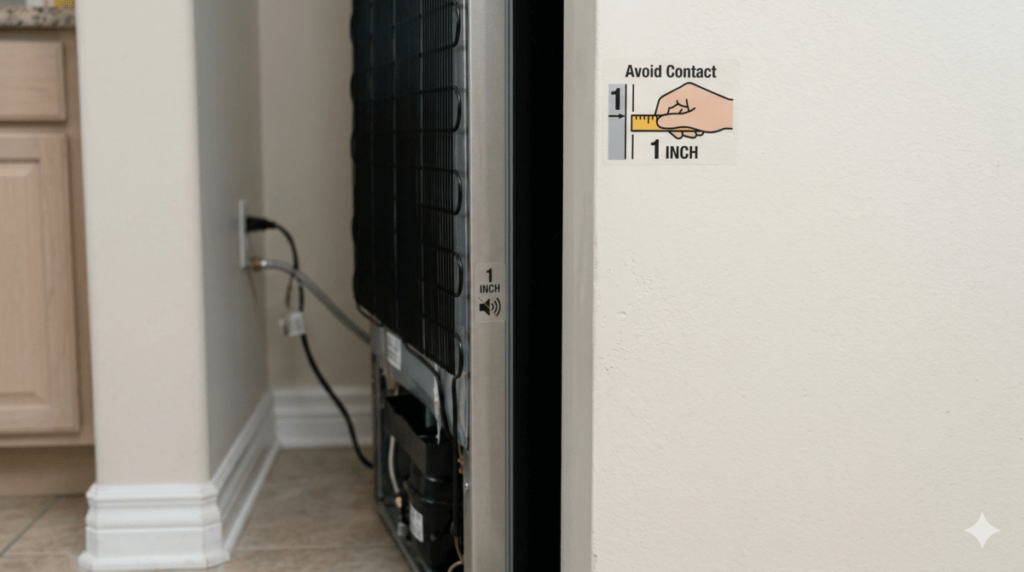
Does your fridge touch the wall or cabinets behind it? When a refrigerator is pressed too tightly against a surface, vibrations transfer and amplify noise. Leave at least an inch of space between the back of the fridge and the wall.
Even small contact points can cause annoying buzzing or knocking sounds. You might try placing rubber pads or foam strips between the fridge and adjacent surfaces to further absorb vibrations. Can you imagine how much sound bounces around in a tight, enclosed space?
Ensuring Proper Ventilation
Have you checked if your fridge has enough room for air to flow around it? Proper ventilation is crucial for the fridge’s motor to stay cool and run quietly. Without enough space, the compressor works harder and generates more noise.
Keep at least 2-3 inches of clearance on all sides, especially near the back and top. Avoid blocking vents with kitchen furniture or other items. Think about how a cramped space makes your own breathing heavier—your fridge feels the same way and starts to sound louder.
Clean Key Components
Cleaning key components of a refrigerator helps reduce noise and improve performance. Dust and debris build up in parts, causing the fridge to work harder and sound louder. Regular cleaning keeps the system running smoothly and quietly.
Dusting The Condenser Coils
Condenser coils release heat from the refrigerator. Dust on the coils blocks airflow and makes the compressor noisy. Use a long, flexible coil cleaning brush or a vacuum cleaner to gently remove dust. Clean coils help the fridge stay cool and quiet.
Clearing The Drain Pan
The drain pan collects water from the fridge. Dirt and mold can grow in the pan, causing unpleasant sounds. Remove the pan carefully and wash it with warm soapy water. Dry it completely before placing it back. A clean drain pan prevents noise and odors.
Cleaning The Fan Blades
Fan blades circulate air inside the fridge and freezer. Dust and grime on the blades can create extra noise. Turn off the fridge and unplug it before cleaning. Wipe the blades with a damp cloth and mild detergent. Clean blades spin smoothly and reduce noise.
Inspect And Tighten Parts
Inspecting and tightening parts of your refrigerator is a practical way to reduce annoying noises. Over time, vibrations can loosen screws and wear down gaskets, causing rattles and hums. Taking a few moments to check these components can make your fridge run more quietly and efficiently.
Securing Loose Screws
Loose screws are often the hidden culprits behind a noisy refrigerator. Check around the back panel, door hinges, and compressor mounts for any screws that may have come undone. Another issue to consider is the common causes of refrigerator leaks, which can often lead to larger problems if not addressed promptly. Inspect the water line connections and drain pan for any signs of damage or blockage that could be contributing to the leakage. Additionally, worn-out door gaskets can allow moisture to escape, so be sure to examine them for wear and tear.
Use a screwdriver to gently tighten them—you don’t need to overtighten and risk stripping the threads. Have you ever noticed your fridge noise drop right after this simple fix? It’s surprisingly effective and quick.
Replacing Worn-out Gaskets
The rubber gaskets around your fridge door seal in cold air and prevent vibrations. Over time, these gaskets can crack or lose their flexibility, allowing the door to rattle when the compressor runs.
Inspect the gasket for any visible damage or gaps. Replacing a worn gasket not only quiets your fridge but also improves energy efficiency—saving you money and stress.

Checking Door Alignment
Doors that aren’t aligned properly can cause constant noise as they vibrate against the fridge body. Misalignment also makes the door harder to close, which can increase compressor work and noise.
Stand back and look carefully at the door edges. If you spot uneven gaps, adjust the hinges or leveling feet to realign the door. It’s a small adjustment that makes a big difference in reducing sound.
Reduce Vibrations
Reduce vibrations by placing your refrigerator on a solid, level surface. Use anti-vibration pads to absorb noise.
Reducing vibrations in your refrigerator can make it quieter. Vibrations cause noise, and minimizing them helps maintain peace in your kitchen. Simple solutions can achieve a noticeable difference. Let's explore effective methods to reduce vibrations.
Using Anti-vibration Pads
Anti-vibration pads are effective in dampening noise. They absorb the vibrations produced by the refrigerator. Place these pads under each corner of your fridge. They are easy to install and require no special skills. These pads are available in various sizes and materials. Choose ones that fit your refrigerator's weight and size. They are cost-effective and widely available. Anti-vibration pads provide a stable base for your fridge. This stability reduces unnecessary movement and noise.
Adding Soundproof Mats
Soundproof mats can further reduce noise. They work by absorbing sound waves. Place these mats underneath or around your refrigerator. Choose mats made of dense materials like rubber or foam. Their thickness helps block vibrations and noise. Cut the mats to fit the space around your fridge. Ensure the mats do not obstruct ventilation. This could lead to overheating. Soundproof mats are easy to clean. They offer a simple and effective solution.
Adjust Temperature Settings
Adjusting the temperature settings of a refrigerator can significantly reduce noise. The right settings help the appliance run smoothly and quietly. Setting the temperature too low makes the compressor work harder, causing more noise. Setting it too high may spoil your food. Finding the balance is key to a quieter fridge and fresh food.
Optimal Cooling Levels
The ideal temperature for a refrigerator is between 35°F and 38°F (1.7°C to 3.3°C). This range keeps food fresh without overcooling. The freezer should be set to 0°F (-18°C). These levels prevent the fridge from running constantly.
Check your fridge manual for specific temperature recommendations. Use a simple appliance thermometer to verify the actual temperatures inside. Adjust settings in small steps and wait 24 hours before checking again. Once you're satisfied with the temperatures, consider turning on the ice maker feature to ensure you're stocking up on ice for upcoming gatherings. Regularly check the ice bin and remove any excess ice to keep the mechanism running smoothly. If you notice any issues, consult your fridge manual for troubleshooting tips. cold air circulation issues in fridges can lead to uneven cooling, affecting both food safety and ice production. It's important to inspect the door seals for any gaps and ensure that items inside are not obstructing airflow. If problems persist, you may want to consider reaching out to a professional for a thorough checkup.
Avoiding Overworking The Compressor
Lowering the temperature too much makes the compressor work overtime. The compressor is the main source of noise in a fridge. When it runs continuously, it becomes louder and wears out faster.
Keep the fridge door closed as much as possible. Avoid putting hot or warm food directly inside. These actions cause the compressor to turn on more often, increasing noise.
Regularly clean the condenser coils to help the compressor run efficiently. Dust and dirt buildup force the compressor to work harder and louder.
When To Call A Professional
Knowing when to call a professional can save time and prevent damage. Some refrigerator noises signal simple fixes. Others hint at serious problems needing expert help.
Persistent Loud Noises
Loud noises that do not stop after cleaning or adjusting need attention. Sounds like banging, grinding, or continuous humming may mean something is wrong inside.
These noises can indicate worn-out parts or loose components. Trying to fix these issues without experience can cause more harm. A professional technician can diagnose and fix the problem safely.

Potential Mechanical Issues
Mechanical problems often cause unusual sounds and cooling issues. Problems with the compressor, fan motor, or condenser can be hard to identify without tools.
Signs of mechanical trouble include:
- Refrigerator not cooling properly
- Frequent cycling on and off
- Excessive vibration
These issues require a trained technician’s knowledge and equipment. Calling a professional ensures the refrigerator runs quietly and efficiently again. In addition to professional help, there are some common solutions for frigidaire refrigerator power outage fixes that homeowners can try themselves. Checking and resetting the circuit breaker can often resolve temporary power issues. Ensuring that the refrigerator is properly plugged in and that the outlet is functioning can also prevent future outages.
Frequently Asked Questions
How Can I Reduce My Refrigerator's Noise Level?
Place the fridge on a flat, stable surface to prevent vibrations. Clean condenser coils regularly to improve efficiency and reduce noise. Use anti-vibration pads under the fridge feet to absorb sound and minimize rattling.
What Causes A Refrigerator To Make Loud Noises?
Loud noises often come from the compressor, fan, or condenser coils. Loose parts or debris can cause rattling sounds. Lack of maintenance or worn-out components also increase noise levels.
Are There Specific Fridge Models Known For Quiet Operation?
Yes, some models are designed for quiet performance. Look for refrigerators with noise ratings below 40 decibels. Energy-efficient and inverter compressor models tend to operate more quietly.
Can Adjusting The Fridge Temperature Affect Noise?
Yes, setting the fridge too cold causes the compressor to work harder. This increases noise and energy use. Maintain recommended temperature settings for optimal quiet operation.
Conclusion
A quieter refrigerator makes your home more peaceful. Small fixes can cut down noise a lot. Clean the coils and check the door seal. Place the fridge on a flat, stable floor. Tighten any loose parts to stop rattling. These simple steps help your fridge run smoothly.
Enjoy a calm kitchen with less noise every day. Keep your fridge quiet and your mind at ease.