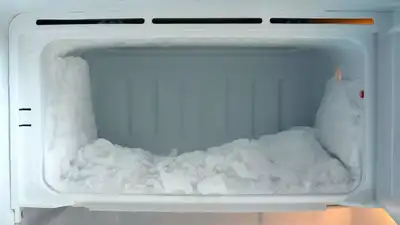
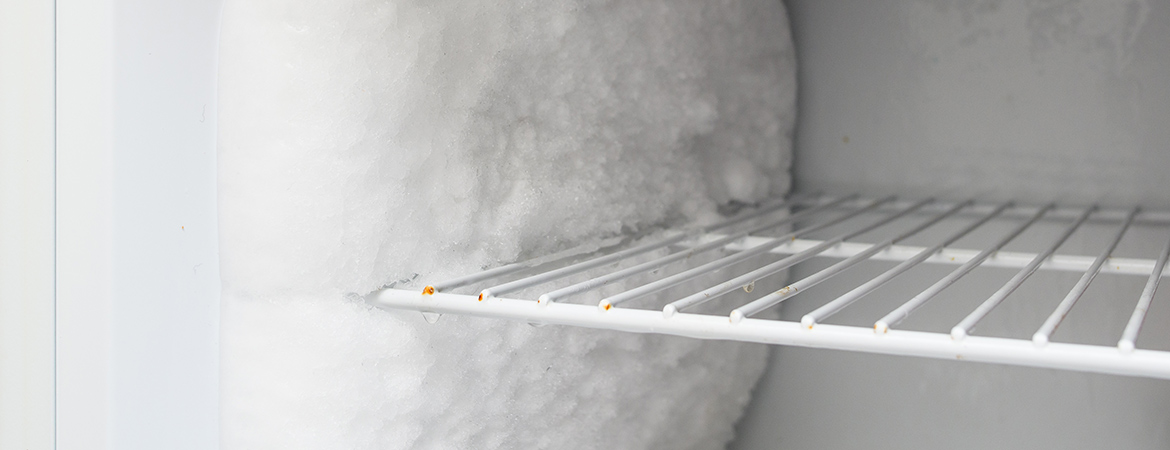
Is your freezer turning into an icy mess? Ice build-up can block shelves, reduce storage space, and even make your freezer work harder, costing you more energy.
But don’t worry—you can fix this quickly and easily. You’ll discover simple steps to get rid of ice build-up and keep your freezer running smoothly. Keep reading to save time, protect your food, and avoid costly repairs. Your freezer will thank you!
Causes Of Ice Build-up
Ice build-up in your freezer can be frustrating and reduce its efficiency. Understanding the causes behind this problem can help you prevent it and keep your freezer running smoothly. Let’s look at what usually leads to ice accumulation so you can tackle the root of the issue.
Temperature Fluctuations
When your freezer’s temperature is not stable, it encourages ice to form. Opening the door frequently or leaving it open too long lets warm air inside. This warm air meets the cold surfaces, causing moisture to freeze and create ice.
Poor Door Seal
If your freezer door seal is damaged or dirty, cold air escapes and warm air sneaks in. This exchange of air causes condensation, which then freezes into ice. Check your door gasket regularly and clean or replace it if needed.
High Humidity Levels
Moisture in the air inside your freezer plays a major role in ice build-up. If you live in a humid area or your freezer is near a source of moisture, the excess water vapor will freeze. You might notice frost forming faster during humid days.
Storing Hot Or Uncovered Food
Placing hot or uncovered food in the freezer releases steam inside. This steam turns into moisture, which freezes and adds to the ice layer. Let your food cool and cover it properly before freezing to avoid this problem.
Blocked Or Dirty Vents
Freezer vents circulate cold air evenly. If these vents are blocked by food items or dust, airflow is disrupted. Uneven cooling causes some spots to get frostier than others, leading to ice build-up.

Credit: www.partselect.com
Regular Defrosting
Regular defrosting is essential to keep your freezer running efficiently and prevent ice build-up. Ice accumulation not only reduces storage space but also makes your freezer work harder, increasing energy costs. By maintaining a routine defrosting schedule, you can avoid these problems and extend the life of your appliance.
Manual Defrosting Steps
Manual defrosting requires you to turn off your freezer and remove all food items. Place towels or containers to catch the melting ice and leave the door open to let the ice thaw naturally. This process may take several hours, but it’s important not to use sharp objects to chip away the ice, as this can damage the freezer.
Once the ice has melted, wipe down the interior with a clean cloth to remove any remaining moisture. Drying the freezer thoroughly helps prevent new ice from forming quickly. You might find it helpful to schedule manual defrosting every few months or whenever you notice ice buildup exceeding a quarter-inch thick.
Automatic Defrosting Features
Many modern freezers come with automatic defrosting systems that reduce the need for manual intervention. These systems periodically warm the freezer’s cooling element to melt any frost buildup, which then drains away. This feature keeps your freezer ice-free and saves you time and effort.
However, automatic defrosting isn’t foolproof. If you see ice forming despite this feature, it may indicate a problem with the door seal or thermostat. Have you checked your freezer’s manual to understand how its defrost system works? Sometimes, simple maintenance like cleaning the door gasket can improve performance.
Proper Temperature Settings
Proper temperature settings are crucial to preventing ice build-up in your freezer. If your freezer is too cold, excess frost can form quickly, leading to inefficient cooling and wasted energy. On the other hand, if it’s too warm, your food might not stay frozen properly.
Ideal Temperature Range
The best temperature for a freezer is typically between 0°F (-18°C) and 5°F (-15°C). This range keeps your food safely frozen without encouraging frost to form.
Keeping the temperature steady is key. Frequent fluctuations can cause moisture to freeze on the walls and shelves, creating ice build-up. Have you checked your freezer’s temperature lately? A simple thermometer can help you monitor it accurately.
Adjusting Thermostat Controls
Most freezers have a dial or digital control panel to adjust the temperature. If you notice ice building up, try raising the temperature slightly within the ideal range to reduce frost.
Be careful not to set it too warm, as this can spoil your food. Adjust the thermostat incrementally and wait at least 24 hours before making another change to see the effect.
Some freezers come with a “fast freeze” or “power freeze” option. Use this feature sparingly, as it can cause rapid temperature drops and increase ice formation. Have you ever experimented with your freezer’s settings to find the perfect balance? It can make a big difference in preventing ice build-up.
Credit: timesofindia.indiatimes.com
Organizing Your Freezer
Organizing your freezer helps reduce ice build-up by improving air flow. A neat freezer lets cold air circulate freely. This prevents moisture from settling and turning into ice. It also makes it easier to find food quickly. Less time spent with the door open means less frost.
Efficient Arrangement Tips
- Group similar items together for quick access.
- Use clear containers to see contents easily.
- Label boxes with dates to track freshness.
- Place frequently used items near the front.
- Keep raw meat separate to avoid leaks.
- Leave space between items for air circulation.
Avoiding Overloading
Overloading blocks air vents and traps moisture. This causes frost to form faster. Do not cram food tightly. Leave room for cold air to move around.
- Store only what fits comfortably inside.
- Use smaller containers to save space.
- Regularly check and remove expired or unused items.
- Keep heavy items at the bottom for stability.
Sealing Gaps And Leaks
Sealing gaps and leaks is key to stopping ice build-up in your freezer. Cold air escaping allows warm air inside. This causes moisture to freeze on freezer walls. Proper sealing keeps the cold air in and the warm air out. It improves freezer efficiency and reduces ice formation.
Inspecting Door Seals
Check the freezer door seals carefully. Look for cracks, tears, or dirt on the rubber gasket. Dirty seals can stop the door from closing tightly. Use a cloth and warm water to clean the seals. Close the door on a piece of paper. Try pulling the paper out. If it slides out easily, the seal is weak.
Repairing Damaged Gaskets
Small cracks in the gasket can cause leaks. Apply a thin layer of silicone sealant to fix minor damage. Replace the gasket if it is torn or too worn out. Use the correct gasket for your freezer model. A tight seal keeps cold air inside and stops ice build-up.
Improving Air Circulation
Improving air circulation inside your freezer helps prevent ice build-up. Proper airflow keeps cold air moving evenly. This stops moisture from settling and freezing on surfaces. Good air circulation also helps your freezer work efficiently and saves energy.
Importance Of Airflow
Airflow moves cold air to all freezer corners. Without it, warm spots form and cause frost. Frost builds up faster in these areas. Airflow also removes moisture before it freezes. This reduces ice formation on walls and shelves.
Freezers have vents designed for airflow. Keeping these vents clear lets air pass freely. Air circulation maintains a stable temperature inside the freezer. This keeps food fresh and ice-free longer.
Preventing Blockages
Blockages stop air from circulating well. Avoid overloading the freezer with food. Crowded shelves block vents and reduce airflow.
- Arrange items loosely to allow air movement.
- Keep vents free from large or bulky items.
- Use smaller containers for better airflow.
Clean vents regularly to remove dust and debris. Check door seals to keep cold air inside. Proper sealing prevents warm air from entering and causing frost.
Preventative Maintenance
Preventative maintenance is key to keeping your freezer free from ice build-up. Small, regular actions can stop frost from forming and save you time and effort in the long run. Understanding what causes ice and addressing it early keeps your freezer running smoothly and your food fresh.
Regular Cleaning Routines
Cleaning your freezer regularly helps prevent ice from accumulating. Take a few minutes every month to wipe down the walls and shelves with a cloth dampened in warm water. Avoid using harsh chemicals that can damage the interior or leave residues.
Make sure to remove any food spills immediately since moisture from spills can turn into frost. Also, defrost your freezer fully at least once or twice a year if you don’t have an auto-defrost model. This stops ice layers from thickening and reduces energy consumption.
Checking For Malfunctions
Ice build-up can be a sign of malfunctioning parts. Check the door seal carefully—if it’s cracked or loose, cold air escapes and moisture enters, causing frost. Replace worn-out gaskets promptly to keep the freezer airtight.
Inspect the temperature settings and adjust them if needed; too low a temperature can cause excess frost. Also, listen for unusual noises or irregular running cycles, which might indicate issues with the defrost timer or heater. Catching these problems early can prevent bigger repairs and persistent ice problems.
Credit: homewarranty.firstam.com
Frequently Asked Questions
How Do I Safely Remove Ice Build-up In My Freezer?
Turn off the freezer and unplug it. Remove all items. Let the ice melt naturally or use warm water to speed up. Avoid sharp tools to prevent damage. Clean and dry the freezer before restarting it.
What Causes Excessive Ice Build-up In Freezers?
Ice build-up happens due to moisture entering the freezer. Frequent door opening, damaged seals, or temperature issues cause frost. High humidity and improper storage also contribute. Regular maintenance helps prevent excessive ice formation.
How Often Should I Defrost My Freezer?
Defrost your freezer when ice is more than 1/4 inch thick. For manual defrost freezers, this is usually every 6 months. Regular defrosting improves efficiency and prolongs the appliance's life. Automatic defrost models rarely need manual defrosting.
Can I Prevent Ice Build-up In My Freezer?
Yes, keep the freezer door closed tightly and avoid frequent openings. Check and replace door seals if needed. Store food in airtight containers to reduce moisture. Regularly clean and maintain the freezer for best results.
Conclusion
Getting rid of ice build-up keeps your freezer working well. Regularly defrosting stops thick ice from forming. Clean the freezer gently and remove food before starting. Avoid blocking vents and check door seals often. These simple steps save energy and protect your food.
A frost-free freezer means fresher food and less hassle. Keep ice build-up away for a smoother kitchen experience. Small habits make a big difference in freezer care. Easy to do, and worth the effort every time.