If you love coffee, you know that getting the perfect cup can be tricky. One key step is knowing how much coffee to put into your French press.
Too little, and your brew tastes weak. Too much, and it becomes bitter or overpowering. You might be wondering: what’s the right amount to use every time? You’ll discover the simple trick to measure the perfect coffee dose for your French press.
By the end, you’ll brew rich, full-flavored coffee that feels just right—every single time. Keep reading and unlock the secret to your best cup yet.

Credit: www.amazon.ca
Choosing Coffee Beans
Choosing the right coffee beans shapes the flavor of your French press brew. The beans you pick affect taste, aroma, and strength. Understanding bean types and roast levels helps you make better choices. Freshness and grind size also play key roles in brewing a smooth cup.
Bean Types And Roast Levels
Arabica beans offer a mild, sweet flavor with fruity notes. Robusta beans have a stronger, more bitter taste and more caffeine. Blend these beans to balance flavor and strength.
Roast levels change flavor and body. Light roasts keep the bean's original taste. Medium roasts add a balanced, richer flavor. Dark roasts create bold, smoky notes but can taste bitter if overdone.
Freshness And Grind Size
Fresh coffee beans produce the best flavor. Buy beans in small amounts and use within a few weeks. Store them in airtight containers away from light and heat.
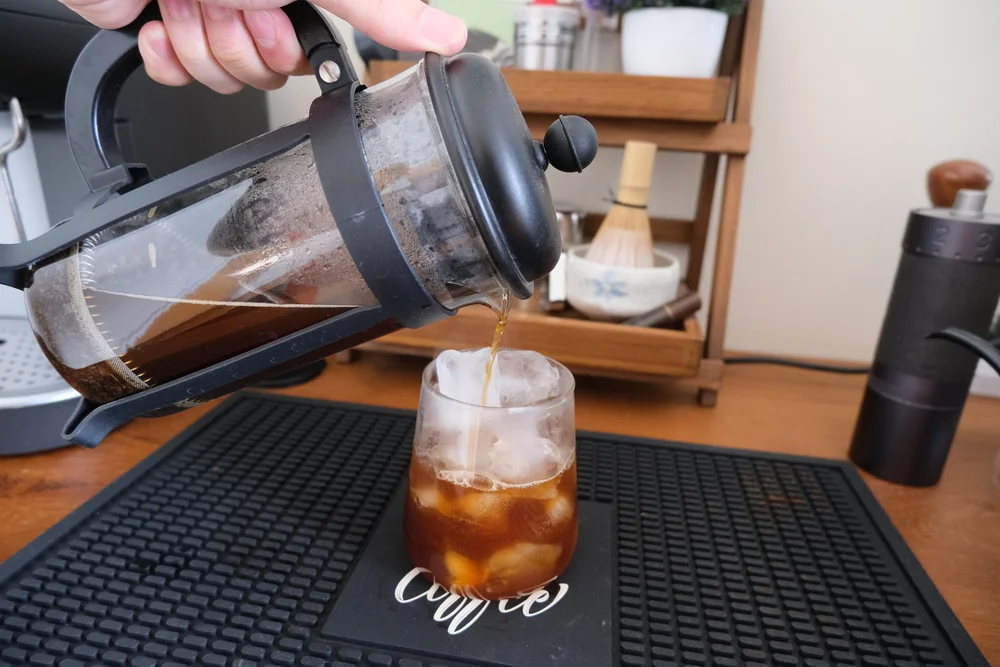
Grind size must be coarse for French press. Fine grounds can slip through the filter and create bitterness. Coarse grounds steep well and give a clean, smooth cup.
Credit: www.feastographyblog.com
French Press Sizes
Choosing the right French press size is crucial for making the perfect cup of coffee. The size determines how much coffee you can brew at once, so understanding the available options helps you match your brewing needs. Whether you’re making coffee just for yourself or for a group, knowing the size can save you from wasting coffee or running out too soon.
Common Capacity Options
French presses come in several standard sizes, usually measured in ounces or cups. The most popular sizes include:
- 12-ounce (1.5 cups):Ideal for a single strong cup, perfect if you’re brewing just for yourself.
- 17-ounce (2 cups):Great for two smaller cups or one large mug.
- 34-ounce (4 cups):Suitable for sharing with a friend or for those who enjoy multiple cups throughout the morning.
- 51-ounce (6 cups) and larger:Best for groups or offices where several people want coffee at once.
Each size fits different lifestyles and routines. Have you noticed how much coffee you usually drink before needing a refill?
Matching Coffee Amount To Size
Once you know your French press size, the next step is figuring out how much coffee to add. A general guideline is to use about 1 ounce (28 grams) of coffee for every 16 ounces (2 cups) of water.
For example, if you have a 34-ounce French press, you’ll want to add roughly 2 ounces (56 grams) of coffee. If you’re using a smaller 12-ounce press, just use about ¾ ounce (21 grams) of coffee.
Adjusting the amount of coffee helps you control the strength and flavor. Have you tried tweaking the coffee amount to find the perfect balance for your taste? It might be worth experimenting with small changes to discover what suits you best.
Coffee-to-water Ratios
The coffee-to-water ratio is key to brewing a great French press coffee. It controls the balance of flavor, strength, and aroma. Using the right ratio makes your coffee taste just right, not too weak or too bitter.
This ratio refers to how much coffee you use compared to the amount of water. It helps you measure and repeat your brew every time. Small changes in the ratio can change the taste a lot.
Standard Ratios For Brewing
The common ratio for French press coffee is 1:15. This means 1 gram of coffee for every 15 grams of water. For example, use 30 grams of coffee with 450 ml of water.
Some popular measurements include:
- 8 grams of coffee per 120 ml water
- 15 grams of coffee per 225 ml water
- 30 grams of coffee per 450 ml water
These ratios offer a balanced and smooth cup. They work well for most coffee types and personal tastes.
Adjusting For Strength Preference
To make coffee stronger, use more coffee or less water. Try ratios like 1:12 or 1:13 for a bolder taste. This makes your coffee richer and thicker.
For a lighter cup, use less coffee or more water. Ratios like 1:16 or 1:17 create a milder flavor. This is good for those who prefer smooth, gentle coffee.
Experiment with small changes until you find your perfect taste. Keep notes on your ratios to brew the same way later.

Credit: www.starfrit.com
Measuring Coffee Accurately
Measuring coffee accurately is crucial for a perfect French press brew. The amount of coffee directly influences the taste and strength. An accurate measure ensures a balanced and flavorful cup. Understanding the right measurement technique helps in achieving consistency.
Using Scales Vs. Scoops
Scales provide precise measurements for coffee. They help in maintaining consistency. Weighing coffee ensures each brew remains the same. Scoops, while convenient, can vary in size. This leads to inconsistent brews. A standard scoop might not match the desired coffee-to-water ratio. Using a scale removes this guesswork. It provides exact measurements every time.
Converting Volume To Weight
Understanding conversions aids in accurate coffee measurement. One scoop of coffee is about 5 grams. But this can vary based on the grind size. A scale provides an exact weight in grams. This ensures each cup tastes the same. Knowing the weight helps in adjusting for personal preference. A little practice makes converting easy and reliable.
Brewing Steps For Perfect Coffee
Brewing coffee with a French press requires attention to detail for rich, smooth flavor. The right water temperature and pouring technique influence extraction. Steeping time and plunging speed control strength and clarity. Follow these steps to enjoy perfect coffee every time.
Water Temperature And Pouring Technique
Heat water to about 200°F (93°C). Avoid boiling water as it can burn the coffee. Pour water slowly over the coffee grounds to wet them evenly. Use a circular motion to cover all grounds. This helps release the coffee’s flavor evenly. Wait 30 seconds before stirring to allow blooming. Stir gently to mix the grounds with water well.
Steeping Time And Plunging
Let the coffee steep for four minutes. This time extracts the best flavors without bitterness. After steeping, press the plunger down slowly and evenly. A slow plunge avoids disturbing the grounds. Stop pressing when you reach the bottom. Serve the coffee immediately to enjoy fresh taste.
Troubleshooting Common Issues
Troubles with French press coffee often come from the amount of coffee used. Small changes make a big difference in taste. Understanding common problems helps improve your brew. Adjusting coffee quantity and grind size can fix many issues quickly.
Weak Or Watery Coffee
Weak coffee usually means not enough coffee grounds. Use more coffee to get a stronger flavor. The grind size matters too. Coarse grounds work best, but if too coarse, coffee tastes watery. Try slightly finer grounds for a richer brew.
Check the coffee-to-water ratio. A good start is 1:15, one part coffee to fifteen parts water. Measure carefully to avoid weak coffee. Stir the grounds well before pressing. This helps extract full flavor from the beans.
Overly Bitter Or Strong Brew
Bitter coffee often means too much coffee or too fine a grind. Use less coffee or coarser grounds to reduce bitterness. Over-extraction happens when brewing too long. Keep steep time around four minutes for best taste.
Too strong coffee can also come from water temperature too high. Use water just off the boil, about 200°F (93°C). Stir gently and press slowly. These tips prevent harsh flavors and keep your coffee smooth.
Tips For Consistent Results
Getting a perfect cup of coffee from your French press every time depends on more than just the coffee-to-water ratio. Consistency comes from how you care for your equipment and how willing you are to adjust your approach. Small changes can lead to big differences in taste, so it pays to be thoughtful and attentive.
Storage And Maintenance
Your French press and coffee beans need proper care to maintain their quality. Always store your coffee beans in an airtight container, away from light and heat. This keeps them fresh longer and preserves their flavor.
Clean your French press immediately after each use. Coffee oils and grounds can build up and affect the taste of your next brew. Rinse all parts thoroughly and dry them well to prevent any lingering bitterness.
Have you noticed how a neglected French press can make even the best beans taste flat? Taking a few minutes to clean can make your coffee taste noticeably better.
Experimenting With Ratios
The standard coffee-to-water ratio for a French press is around 1:15, but this isn’t set in stone. Play around with this ratio to find what suits your taste best. Try starting with 1 tablespoon of coffee per 4 ounces of water, then adjust from there.
Keep track of your experiments in a notebook or app. Note down the exact amount of coffee, water, and the brewing time. This way, you can replicate your favorite cup and avoid guesswork next time.
Are you measuring your coffee by volume or weight? Using a scale can greatly improve consistency. Weighing your coffee ensures precision and helps you understand how small changes affect flavor.
Frequently Asked Questions
How Much Coffee Is Ideal For A French Press?
Use 1 to 2 tablespoons of coffee per 6 ounces of water. Adjust to taste, but this ratio ensures balanced flavor and strength.
What Grind Size Works Best For French Press Coffee?
Coarse grind is best for French press. It prevents over-extraction and results in a smoother, less bitter cup.
How Does Coffee Amount Affect French Press Taste?
More coffee makes a stronger, bolder brew. Less coffee yields a milder, lighter flavor. Adjust based on preference.
Can I Use The Same Coffee Amount For Different French Press Sizes?
No, adjust coffee based on your French press size. Use the 1:15 coffee-to-water ratio for accuracy.
Conclusion
Finding the right amount of coffee for your French press takes practice. Start with a simple ratio: two tablespoons per cup of water. Adjust to taste as you learn what you like best. Fresh coffee and the right grind size also matter.
Pour hot water, wait, then press slowly. Enjoy your rich, homemade coffee each time. Brewing this way makes mornings better and coffee moments special. Keep experimenting until your cup feels just right.