Is your refrigerator not cooling like it used to? You might be facing a thermostat issue, and checking it yourself can save you time and money.
Knowing how to check the thermostat in your refrigerator is easier than you think. In this guide, you’ll discover simple steps to find out if your thermostat is working properly. By the end, you’ll feel confident fixing the problem or knowing when to call a professional.
Keep reading to protect your food and keep your fridge running smoothly.
Tools Needed
Checking the thermostat in a refrigerator requires a few basic tools. These tools help you test and inspect the thermostat safely and accurately. Having the right equipment makes the process easier and prevents damage to your appliance.
Gather the following tools before starting your thermostat check. Each one plays an important role in diagnosing thermostat issues.
Multimeter
A multimeter measures electrical resistance and voltage. Use it to test if the thermostat is working properly. It shows if the thermostat opens and closes the circuit.
Screwdriver Set
A set of screwdrivers helps remove panels or covers. Different refrigerators use different screws, so have both flathead and Phillips screwdrivers ready.
Flashlight
A flashlight allows you to see inside dark areas of the fridge. It helps locate the thermostat and inspect wiring clearly.
Gloves
Wear gloves to protect your hands from sharp edges and cold surfaces. Gloves also keep you safe from electrical parts.
Thermometer
A refrigerator thermometer checks the internal temperature. It helps verify if the thermostat maintains the correct cooling level.
Locate The Thermostat
Locating the thermostat is the first step to check your refrigerator’s temperature control. It helps you understand how the fridge manages cold air inside. The thermostat controls when the compressor turns on and off, keeping food fresh.
Thermostats are usually easy to find. They sit inside the fridge compartment or near the control panel. Knowing where to look saves time and helps with quick fixes.
Check Inside The Refrigerator Compartment
Open the fridge door and look near the top or side walls. Many thermostats are small dials or digital panels located there. They may have numbers or temperature settings visible.
Look Near The Control Panel
Some refrigerators have the thermostat on the exterior control panel. This panel may be on the door or above the fridge section. It can show temperature settings and buttons to adjust them.
Inspect Behind The Temperature Cover
Some models hide the thermostat behind a plastic cover inside the fridge. This cover protects the dial or sensor. Remove it carefully to find the thermostat.
Refer To The User Manual
The manual shows exact thermostat location for your fridge model. It provides diagrams and detailed instructions. Keep the manual handy for easy reference.
Set The Thermostat
Setting the thermostat on your refrigerator is key to keeping your food fresh and safe. It controls the temperature inside, so knowing how to adjust it properly can save you from spoiled groceries or wasted energy. Let’s look at how you can set the thermostat to the ideal temperature for your fridge.
Locate The Thermostat Control
First, find the thermostat dial or digital control inside your refrigerator. It’s usually near the top or back wall, but some models have it on the front panel. Knowing exactly where it is makes adjusting the temperature quick and easy.
Understand The Temperature Settings
Most refrigerators have numbers on the dial, often from 1 to 7 or 1 to 9. The higher the number, the colder the fridge. However, the exact temperature for each number can vary by brand, so check your manual if you want precise info.
Adjust To The Recommended Temperature
The ideal refrigerator temperature is around 37°F (3°C). You can adjust your thermostat accordingly, aiming for a setting that keeps your food cool but not frozen. Remember, if you notice frost buildup, the setting might be too cold.
Test And Fine-tune The Temperature
After setting the thermostat, wait 24 hours before checking the temperature. Use a fridge thermometer to see if it matches your target. If it’s too warm or cold, tweak the setting and test again.
Consider External Factors
Keep in mind that frequent door openings or placing hot food inside can affect the temperature. Adjust the thermostat slightly if these habits cause temperature fluctuations. Have you noticed your fridge working harder during summer? That’s a sign to check your settings.

Measure The Temperature
Measuring the temperature inside your refrigerator helps check if the thermostat works properly. This step ensures your food stays fresh and safe. A correct temperature prevents spoilage and saves energy.
Use A Thermometer
Place a refrigerator thermometer on the middle shelf. Avoid putting it near the door or vents. Close the door and wait at least 5 hours. Check the thermometer reading carefully. This shows the actual temperature inside your fridge.
Ideal Temperature Range
The best fridge temperature is between 35°F and 38°F (1.6°C to 3.3°C). This range keeps food fresh without freezing. If the temperature is too high, food can spoil quickly. Too low can cause some items to freeze. Adjust the thermostat if the temperature is outside this range.
Adjusting The Thermostat
Adjusting the thermostat helps keep your fridge at the right temperature. Turn the dial slowly and wait a few hours to check if the cooling improves. This simple step can fix common temperature problems easily.
Adjusting the thermostat in your refrigerator can make a world of difference in keeping your food fresh and energy bills low. Have you ever noticed your milk going bad too soon or your ice cream turning into a block of ice? That's a clear sign that the thermostat needs a tweak. A small adjustment could save you from wasting food and money. Here's how you can easily and effectively adjust the thermostat in your refrigerator. Begin by identifying where the thermostat is situated. It's often inside the refrigerator, either on the interior back panel or as a dial or digital control on the side. Your user manual can be a handy guide here if you're unsure.
Understand The Temperature Settings
Most refrigerators have a range of settings, typically from 1 to 9. Lower numbers usually indicate warmer settings, while higher numbers mean cooler temperatures. Aim for a middle-ground setting, such as 4 or 5, to start with.
Adjust The Thermostat
To make adjustments, turn the dial or use the digital controls to set your desired temperature. If your fridge is too warm, move the setting up one notch and wait 24 hours to assess the change. Conversely, if it's too cold, lower the setting and give it time to stabilize.
Monitor The Temperature
After adjusting, place a thermometer inside the fridge to monitor the temperature. Ideally, your refrigerator should be between 37°F and 40°F (3°C and 4°C). Check the thermometer regularly over a few days to ensure consistency.
Fine-tuning For Optimal Performance
Once you find a setting that works, consider factors like room temperature and how often the fridge is opened. Frequent door opening can affect internal temperature, requiring slight adjustments. The key is patience and observation—small changes can have big impacts.
Personal Experience: The Power Of Adjustment
I once thought my refrigerator was on the brink of dying because it wasn’t cooling properly. A simple thermostat adjustment saved me from buying a new one. Ever since, I make it a habit to check the settings every few months. Have you checked your thermostat lately? It might just be the quick fix you need.
Common Issues And Fixes
Identifying common thermostat issues in your refrigerator can save you from costly repairs and spoiled food. Understanding what problems might arise and how to fix them helps you maintain the right temperature and keep your fridge running smoothly. Let’s look at two frequent thermostat problems and practical ways to solve them.
Thermostat Not Responding
If your refrigerator’s thermostat isn’t responding, it means the temperature settings aren’t affecting the cooling. You might notice the fridge staying warm no matter how low you set the dial.
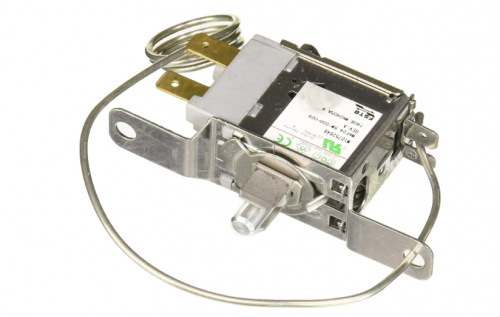
Start by unplugging the fridge and checking the thermostat’s wiring for any loose connections. A damaged or faulty thermostat often needs replacement, but sometimes a simple reset can help.
- Test the thermostat with a multimeter to see if it has electrical continuity.
- If the thermostat is defective, replace it with the exact model recommended by the manufacturer.
- Ensure all connections are secure before plugging the fridge back in.
Have you ever ignored a non-responsive thermostat only to find your groceries ruined? Fixing it early prevents that frustration.
Inconsistent Temperature
When your refrigerator temperature fluctuates, food can spoil or freeze unexpectedly. This often happens because the thermostat isn’t accurately detecting or controlling the fridge temperature.
Check if the thermostat dial is set correctly and hasn’t been accidentally bumped. Sometimes, dirt or dust inside the thermostat sensor can cause false readings.
- Clean the sensor gently with a soft cloth to remove dust buildup.
- Make sure the fridge door seals are intact to prevent warm air from entering.
- Inspect the thermostat’s placement; it should be positioned away from direct airflow or heat sources inside the fridge.
Can you recall a time when your fridge was either too cold or too warm without a clear reason? Often, a quick thermostat check can resolve the issue.
When To Replace The Thermostat
Knowing when to replace the thermostat in your refrigerator can save you from spoiled food and costly repairs. The thermostat controls the temperature, so any malfunction can lead to inconsistent cooling or total failure. Recognizing the signs early helps you act quickly and avoid bigger problems.
Signs Your Thermostat Needs Replacement
If your fridge temperature fluctuates wildly without adjustment, this could indicate a faulty thermostat. Another sign is if the fridge runs constantly or stops running altogether. You might also notice unusual noises or frost buildup inside.
Impact Of A Broken Thermostat On Your Refrigerator
A malfunctioning thermostat can cause the compressor to overwork, leading to increased electricity bills. It can also result in food spoilage due to improper cooling. Ignoring the problem often worsens damage to other parts.
Testing The Thermostat Before Deciding To Replace
Before replacing, test the thermostat using a multimeter to check for continuity. If the meter shows no continuity when adjusting the temperature dial, the thermostat is likely defective. This simple test can save you from unnecessary expenses.
Choosing The Right Replacement Thermostat
Make sure the replacement thermostat matches your refrigerator’s model and specifications. Using the wrong type can cause further issues or damage. Consult your fridge’s manual or manufacturer website for the correct part number.
When To Call A Professional
If you're unsure about testing or replacing the thermostat yourself, it’s best to call a professional. Incorrect handling can void warranties or cause electrical hazards. Sometimes, professional diagnosis can reveal if other components also need attention.

Frequently Asked Questions
How Do I Test My Refrigerator Thermostat?
To test your refrigerator thermostat, set it to the coldest setting. Wait 24 hours and check if the temperature drops below 40°F. If not, the thermostat may be faulty and needs replacement.
What Tools Are Needed To Check Refrigerator Thermostat?
You need a screwdriver, multimeter, and a thermometer to check the refrigerator thermostat. The screwdriver removes the thermostat cover, the multimeter tests electrical continuity, and the thermometer verifies temperature accuracy.
Can A Faulty Thermostat Cause Fridge Not To Cool?
Yes, a faulty thermostat can prevent the fridge from cooling properly. It may not signal the compressor to start, causing the temperature inside to rise and food to spoil.
How Often Should I Check My Refrigerator Thermostat?
Check your refrigerator thermostat every 6 months or if cooling issues arise. Regular checks ensure optimal performance and prevent food spoilage due to temperature inconsistencies.
Conclusion
Checking your refrigerator’s thermostat helps keep food fresh and safe. A simple test can show if it works well. Adjust the dial slowly and watch the temperature change. Listen for sounds or look for frost to spot issues. Regular checks avoid bigger problems later.
Stay attentive to keep your fridge running smoothly. Small steps make a big difference in daily use. Easy to do and important for your kitchen. Keep your fridge cold and your food happy.