Are you tired of uneven, sticky, or burnt rice? Making perfect rice doesn’t have to be a guessing game anymore.
With a rice cooker, you can get fluffy, delicious rice every single time—without the hassle. Imagine having perfectly cooked rice ready whenever you want, with minimal effort. You’ll discover simple, step-by-step tips to master your rice cooker and unlock the secret to flawless rice.
Keep reading, and soon you’ll wonder how you ever cooked rice any other way!

Credit: www.hungryhuy.com
Choosing The Right Rice
Choosing the right rice is key to cooking perfect rice in a rice cooker. Different types of rice cook differently. The texture, taste, and cooking time change based on the rice you pick. Knowing what rice suits your dish helps you get great results every time.
Types Of Rice For Rice Cookers
Rice cookers work well with many rice types. Here are the common ones:
- White Rice:The most popular type. It cooks quickly and is fluffy.
- Basmati Rice:Long grains with a nutty flavor. Perfect for Indian dishes.
- Jasmine Rice:Aromatic and soft. Great for Thai meals.
- Brown Rice:Healthier option. Takes longer to cook and is chewier.
- Sushi Rice:Sticky and short-grain. Ideal for sushi and Asian recipes.
Each rice type needs a specific water ratio and cooking time. Follow the rice cooker instructions for best results.
Selecting Quality Rice
Good quality rice makes a big difference. Look for fresh, clean rice without debris. Check the packaging date to ensure freshness. Avoid rice that smells musty or stale. Buy rice from a trusted store or brand. Store rice in a cool, dry place in an airtight container. This keeps the rice fresh and free from bugs.
Credit: www.hungryhuy.com
Preparing Rice Before Cooking
Preparing rice before cooking is a crucial step to ensure your rice cooker delivers fluffy, perfectly cooked grains every time. Taking a little extra care before you start the cooker can make a significant difference in texture and taste. Let's break down what you need to do before turning on that rice cooker.
Measuring Rice Accurately
Getting the right amount of rice is essential. Too much rice can overflow your cooker, while too little might leave you hungry.
Use the measuring cup that came with your rice cooker if you have one. These cups are usually smaller than standard cups and are designed for the cooker’s water-to-rice ratio.
If you don’t have the specific cup, a standard measuring cup works too—just be sure to adjust the water accordingly. Consistency in measuring helps avoid mushy or undercooked rice.
Rinsing Rice Properly
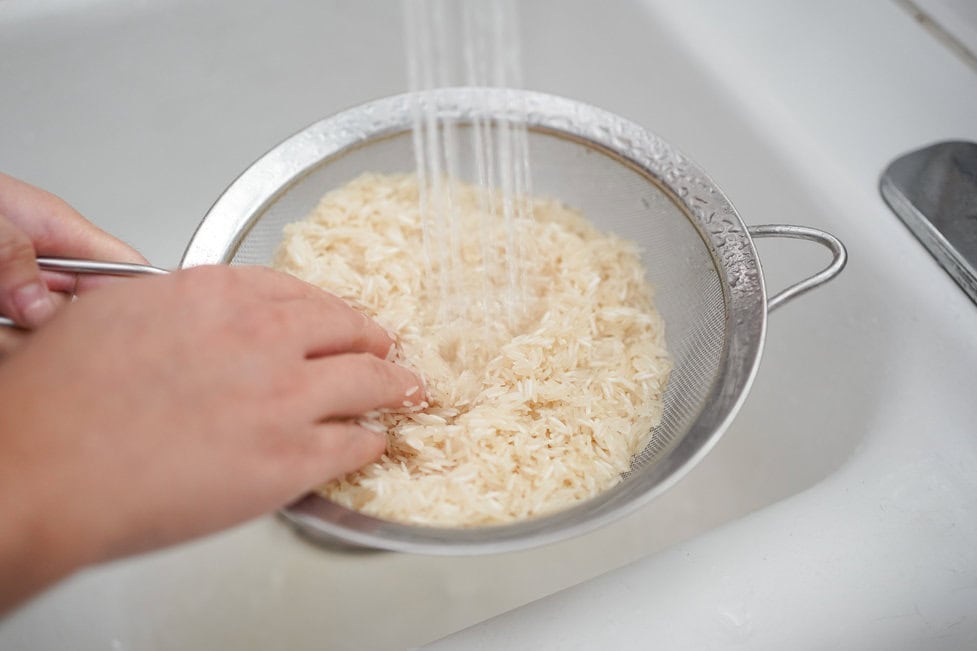
Rinsing rice might seem like an extra chore, but it removes surface starch that can make your rice sticky or gummy.
Place the rice in a fine-mesh strainer or bowl and rinse under cold water. Swirl the rice gently with your hand, then drain the water. Repeat this process until the water runs clear—usually two to three rinses.
Some rice types, like jasmine or basmati, benefit from soaking after rinsing for about 20-30 minutes. This can improve texture and reduce cooking time. Have you noticed how rinsing transforms your rice from sticky to fluffy? Give it a try and see the difference yourself.
Water To Rice Ratio
Understanding the right water to rice ratio is key to perfect rice in a rice cooker. The ratio controls how soft or firm the rice turns out. Adding too much water makes the rice mushy. Too little water leaves it dry and undercooked. Each rice type needs a different amount of water. Adjusting the water helps get the texture you want every time.
Standard Ratios For Different Rice Types
Different rice types absorb water differently. Here are common ratios for cooking rice in a rice cooker:
| Rice Type | Water to Rice Ratio |
|---|---|
| White Rice (long grain) | 1 cup rice : 1.5 cups water |
| Brown Rice | 1 cup rice : 2 cups water |
| Jasmine Rice | 1 cup rice : 1.25 cups water |
| Basmati Rice | 1 cup rice : 1.5 cups water |
| Sushi Rice | 1 cup rice : 1.3 cups water |
Adjusting Water For Desired Texture
Want softer rice? Add a little more water than the standard. Try increasing by 2 tablespoons per cup of rice. For firmer rice, reduce water slightly.
- Soft rice: Add 10-15% more water
- Firm rice: Use 10-15% less water
Keep notes on what works best for your taste. Rice cookers can vary, so adjust water amounts over time. Small changes make a big difference in texture.
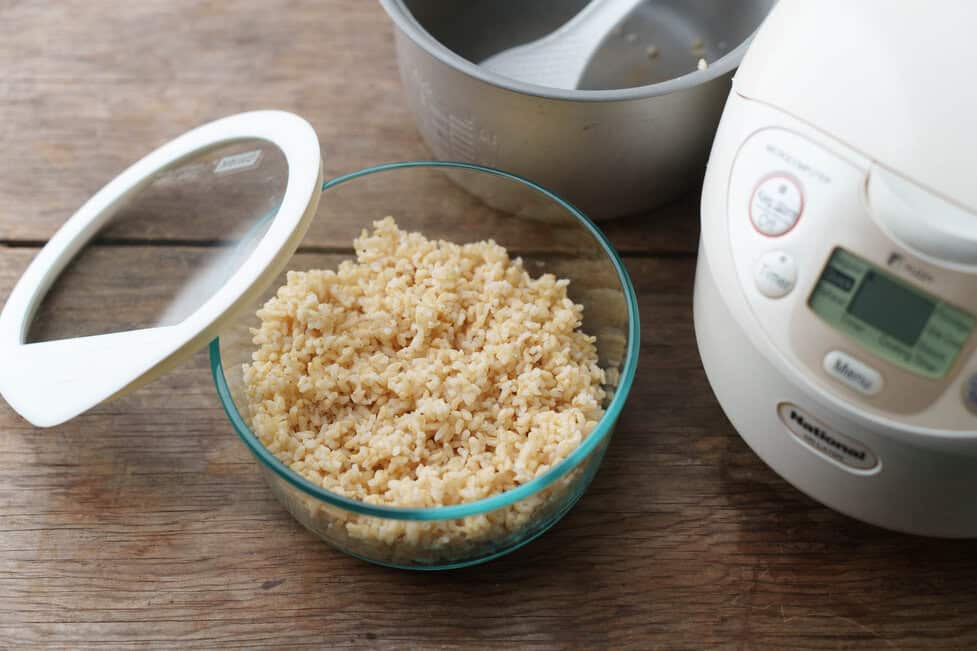
Credit: www.hungryhuy.com
Using The Rice Cooker
Using a rice cooker is one of the easiest ways to make perfectly cooked rice every time. It removes the guesswork and frees you up to focus on other parts of your meal. But do you know the simple steps that can make your rice fluffy and delicious?
Adding Rice And Water
Start by measuring the rice with the cup that came with your cooker or a standard measuring cup. Rinse the rice under cold water until the water runs clear; this removes excess starch and prevents clumping.
Next, add the rinsed rice to the rice cooker’s inner pot. Pour in the right amount of water—usually, the ratio is 1 cup of rice to 1 to 1.5 cups of water. Different rice types need different amounts, so check your cooker’s guide or the rice packaging.
Have you ever noticed your rice turning mushy or dry? Adjusting the water amount slightly can fix that. Don’t be afraid to experiment to find what works best for your taste.
Choosing The Right Cooking Setting
Most rice cookers offer multiple settings: white rice, brown rice, quick cook, or even porridge. Selecting the correct setting ensures the rice cooks perfectly without burning or undercooking.
If your cooker has a “white rice” setting, use it for standard long-grain or jasmine rice. For whole grain or brown rice, choose the “brown rice” setting, as it cooks longer to soften the tougher grains.
Consider your timing too. Some cookers have a timer or keep-warm feature that keeps rice fresh if you’re not ready to eat immediately. Have you tried using the timer function to have rice ready exactly when you want it?
After Cooking Tips
After your rice cooker finishes its job, the process isn’t quite over. How you handle the rice right after cooking can change the entire meal experience. Paying attention to these after cooking tips can help you serve rice that's fluffy, perfectly textured, and delicious every time.
Letting Rice Rest
Once the rice cooker switches off, don’t rush to open the lid immediately. Let the rice rest inside for about 10 to 15 minutes. This step allows the moisture to distribute evenly, preventing soggy or unevenly cooked spots.
I once skipped this resting phase, and my rice turned out sticky and clumpy. After trying the resting tip, the difference was clear—each grain was separate and tender. Have you noticed how much better rice tastes when given time to settle?
Fluffing Rice For Best Texture
After the resting period, fluff your rice gently with a fork or a rice paddle. Avoid stirring vigorously because it can break the grains and make the rice mushy. Fluffing helps release trapped steam and separates the grains for a light texture.
Try fluffing your rice just before serving and see how it transforms the dish. You’ll find that simple fluffing elevates your rice from a plain side to a delicious base for curries or stir-fries. What’s your favorite way to serve perfectly fluffed rice?
Common Rice Cooker Mistakes
Using a rice cooker seems simple, but many make common mistakes. These errors can lead to mushy, dry, or uneven rice. Avoiding these mistakes helps achieve perfect rice every time. Knowing what to skip is just as important as knowing what to do.
Overfilling The Cooker
Overfilling the rice cooker causes rice to cook unevenly. Too much rice leaves less space for steam circulation. This results in sticky, clumpy rice or undercooked grains. Always follow the cooker’s maximum capacity. It keeps the rice fluffy and well-cooked.
Ignoring Water Measurements
Water amount controls the rice texture. Too much water makes rice soggy and mushy. Too little water leaves rice hard and dry. Use the rice cooker’s measuring lines or a measuring cup. Accurate water measurement ensures the rice cooks perfectly every time.
Enhancing Flavor And Variety
Elevating the taste of rice can transform a meal. A rice cooker offers an easy way to enhance flavors and add variety. You can incorporate spices, herbs, vegetables, and proteins to create a delightful dish. Let's explore some ways to make your rice tastier.
Adding Spices And Herbs
Spices and herbs can add a burst of flavor. Consider adding cumin or turmeric for a warm, earthy taste. A pinch of cinnamon can add sweetness. Fresh herbs like parsley or cilantro give a fresh, vibrant touch. Dried herbs work well too. Simply sprinkle them in before cooking. This allows flavors to infuse into the rice.
Mixing In Vegetables Or Proteins
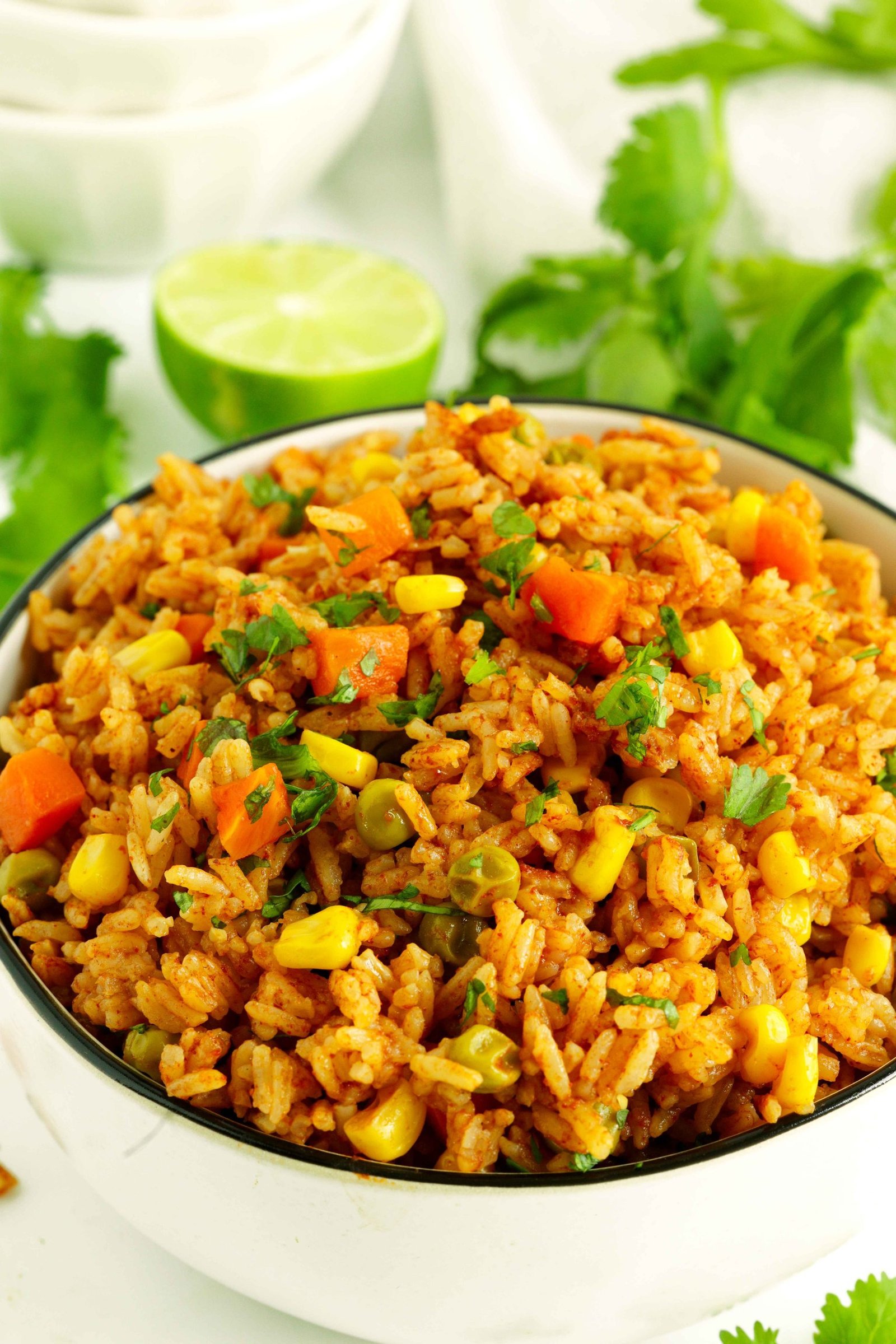
Incorporate vegetables for color and nutrition. Add peas or diced carrots for a sweet crunch. Bell peppers or spinach create a nutrient-rich dish. Proteins add substance. Mix in cooked chicken or shrimp for a hearty meal. Tofu works well for a vegetarian option. Add these ingredients halfway through cooking. This ensures they remain tender and flavorful.
Frequently Asked Questions
How Much Water Should I Use For Rice Cooker Rice?
Use a 1:1. 5 ratio of rice to water for white rice. Adjust water slightly for brown rice or other types. More water makes softer rice, less water yields firmer rice. Always check your rice cooker manual for precise ratios.
Can I Cook Different Rice Types In One Cooker?
Yes, but water ratios and cooking times vary. White rice needs less water and cooks faster than brown rice. For mixed rice types, use the ratio and time for the dominant rice type or cook separately for best results.
How Do I Prevent Rice From Sticking In The Cooker?
Rinse rice thoroughly before cooking to remove excess starch. Lightly oil the pot or use a non-stick spray. Avoid opening the lid during cooking to maintain consistent heat and steam, which helps prevent sticking.
Is Soaking Rice Necessary Before Using A Rice Cooker?
Soaking is optional but recommended for brown or wild rice. It shortens cooking time and improves texture. White rice usually doesn’t require soaking but rinsing is important to remove starch for fluffier rice.
Conclusion
Cooking rice in a rice cooker is simple and quick. Just measure rice and water carefully. Press the start button and wait. The rice cooker does the rest for you. You get soft, fluffy rice every time. No need to watch the pot or stir.
This method saves time and effort. Perfect rice is ready for any meal. Try it today and enjoy easy cooking.