Are you tired of ending up with mushy or undercooked rice every time you use your rice cooker? Getting the right rice to water ratio is the secret to perfect, fluffy rice every single time.
Whether you’re cooking white, brown, or jasmine rice, knowing exactly how much water to add can make all the difference. You’ll discover simple tips and easy measurements that take the guesswork out of cooking rice. Keep reading, and you’ll never struggle with rice again!
Choosing The Right Rice
Choosing the right rice is essential before you even think about adding water to your rice cooker. Different types of rice absorb water in unique ways, affecting texture and cooking time. Knowing which rice suits your dish can save you from soggy or undercooked results.
Types Of Rice
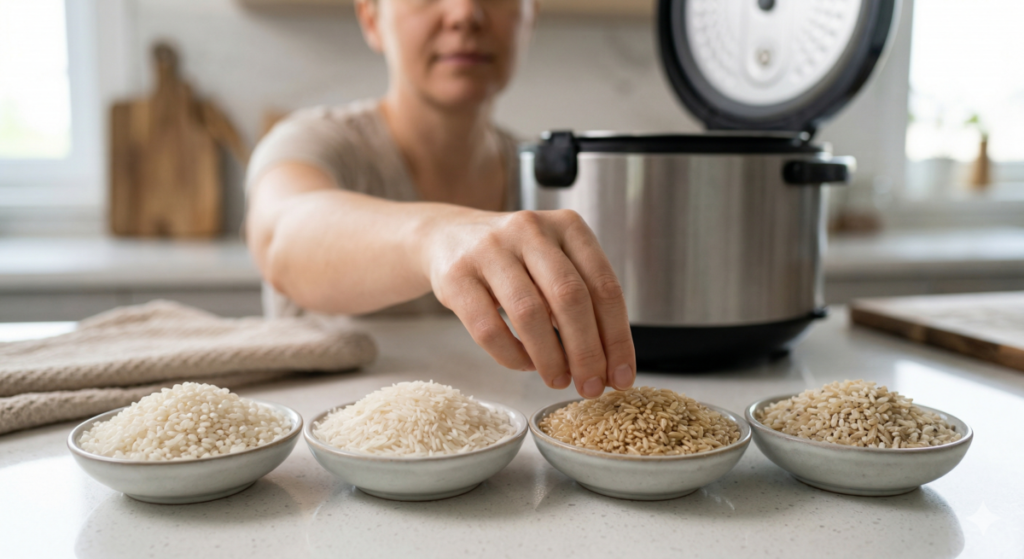
Rice varieties come in many forms, each with specific water needs. Long-grain rice, like basmati or jasmine, usually requires less water and stays fluffy after cooking. Short-grain rice, common in sushi or risotto, absorbs more water and tends to be stickier.
Brown rice keeps its bran layer intact, which means it needs more water and a longer cooking time. Instant or pre-cooked rice, on the other hand, demands less water and cooks quickly. Knowing your rice type helps you adjust water ratios and timing for perfect results.
Grain Size Impact
The size of the rice grain plays a big role in how much water you should add. Larger grains need more water to soften properly, while smaller grains cook faster with less water. This difference is crucial when you want consistent texture without mushiness or dryness.
Think about your last rice cooker experience—was the rice too wet or too dry? Grain size might have been the hidden factor. Experimenting with water amounts based on grain size can turn your rice cooker into a reliable kitchen companion.
Rice To Water Ratios
Rice to water ratios are key to perfect rice in a rice cooker. The right amount of water makes rice fluffy and soft. Too much water makes rice mushy. Too little water leaves rice hard or crunchy. Different types of rice need different water amounts. Understanding these ratios helps cook rice with great texture every time.
White Rice Ratios
White rice is the most common type cooked in rice cookers. It needs a balanced water ratio for best results. Use about 1 cup of rice to 1.5 cups of water. This ratio works well for long-grain and medium-grain white rice. Short-grain white rice may need slightly less water, about 1 cup rice to 1.25 cups water.
Brown Rice Ratios
Brown rice has a tougher outer layer. It needs more water to cook fully. Use 1 cup of brown rice with 2 cups of water. This ratio ensures the rice absorbs enough moisture. Brown rice takes longer to cook, so extra water helps soften it well.
Specialty Rice Ratios
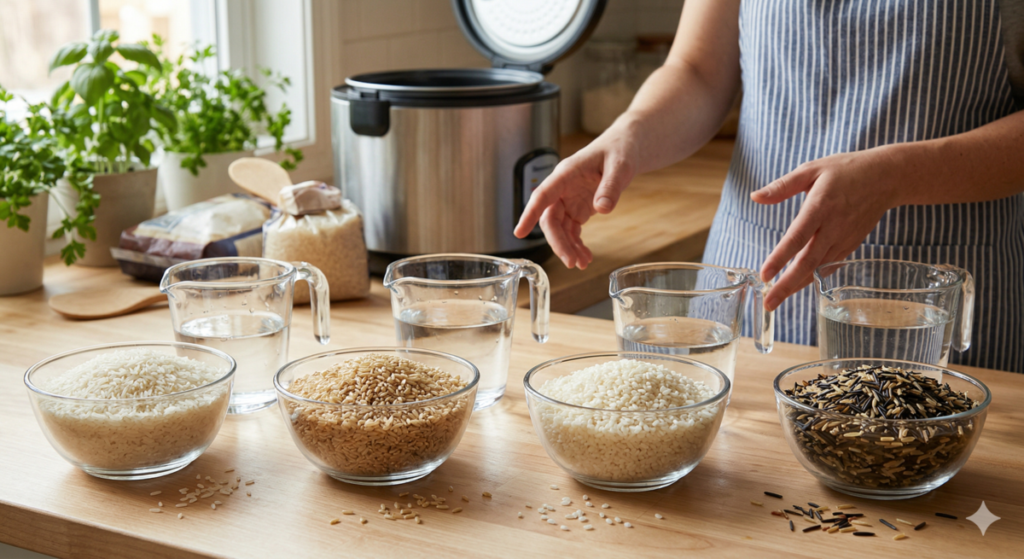
Specialty rice types vary widely in water needs. Here are some common examples:
- Sushi rice: 1 cup rice to 1.2 cups water
- Basmati rice: 1 cup rice to 1.5 cups water
- Jasmine rice: 1 cup rice to 1.25 cups water
- Wild rice: 1 cup rice to 3 cups water
Adjust water slightly based on your rice cooker and preference. Specialty rice often needs rinsing before cooking to remove starch.
Measuring Rice And Water
Measuring rice and water correctly is key for perfect cooking results. The right balance ensures fluffy rice without being too wet or dry. Precision helps avoid common cooking problems and saves time. Let’s explore how to measure rice and water for your rice cooker accurately.
Using Measuring Cups
Use the measuring cup that comes with your rice cooker. It is usually smaller than a standard cup. One cup of uncooked rice typically needs about one and a half to two cups of water. Different rice types may need slight water changes. 🛒 Lost yours? Grab a replacement rice cooker measuring cup on Amazon.
- Fill the rice cup with rice, level it off gently.
- Rinse the rice in cold water to remove extra starch.
- Add the rinsed rice to the cooker pot.
- Use the cooker’s water marks or measure water separately.
Measuring cups help maintain consistency in cooking. They keep the rice texture just right every time.
Adjusting For Rice Cooker Size
Rice cooker sizes vary from small to large. The amount of rice and water must match the cooker capacity. Overfilling can cause spillage or undercooking. Underfilling may dry out the rice or waste energy.
- Check the maximum rice level inside the cooker pot.
- Measure rice and water according to this limit.
- For bigger cookers, increase rice and water proportionally.
- For smaller cookers, reduce amounts but keep the ratio steady.
Adjusting for size ensures even cooking and prevents damage. Follow your cooker’s guidelines for best results.
Factors Affecting Water Amount
Getting the rice-to-water ratio right isn’t just about following a fixed rule. Several factors influence how much water your rice actually needs to cook perfectly in a rice cooker. Understanding these variables helps you adjust the water amount and avoid soggy or undercooked rice.
Rice Freshness
Fresh rice tends to absorb water differently than older rice. Older rice loses moisture over time, so it might require a bit more water to cook properly. If you notice your rice turning out hard or chewy, consider adding a tablespoon or two more water next time. To prevent this, always store your grains in an airtight rice dispenser to lock in the exact right amount of moisture.
Have you ever cooked rice that felt dry despite using the usual water amount? That’s a sign your rice may not be as fresh as you thought.
Altitude And Humidity
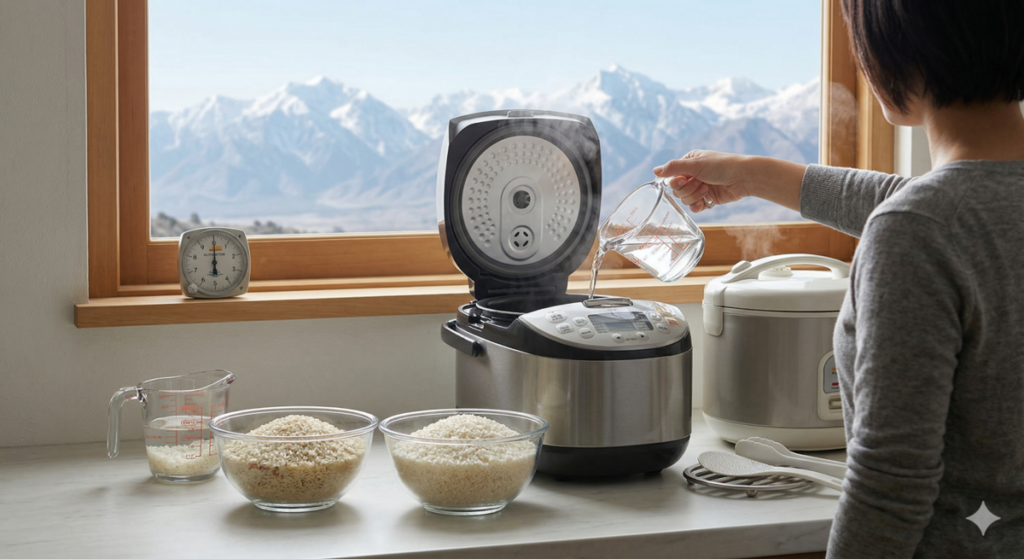
Cooking rice at higher altitudes changes how water boils and evaporates. At elevations above 3,000 feet, water boils at a lower temperature, meaning you might need to add more water or extend cooking time. Similarly, dry air conditions cause water to evaporate faster, requiring slight water adjustments.
If you live in a mountainous or dry area, experiment by adding an extra 10-15% water to your usual measurement. This small tweak can make a big difference in texture.
Rice Cooker Variations
Not all rice cookers are created equal. Some models heat more evenly or have different steam vent designs, affecting how much water evaporates during cooking. For example, a high-end rice cooker with precise temperature control might need less water than a basic one.
Check your rice cooker’s manual or test your own water-to-rice ratio by trial and error. Keep notes on what works best for your specific appliance to achieve consistent results.
Tips For Perfect Rice
Use one cup of water for every cup of white rice in the rice cooker. Brown rice needs about one and a half cups of water per cup of rice. Adjust water slightly for softer or firmer rice.
Cooking rice to perfection can be a bit of an art, but with the right tips, you can consistently achieve fluffy and delicious results. Let's dive into some practical tips that can make all the difference in your rice-cooking journey. Whether you're a seasoned chef or just starting out, these insights can elevate your rice game.
Rinsing Rice
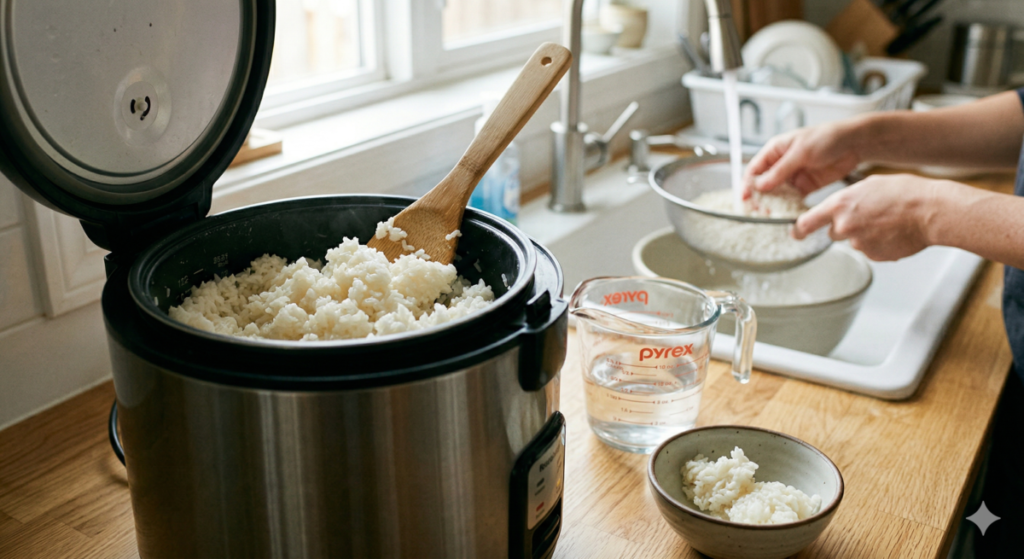
Rinsing rice is a crucial step that many overlook. It helps remove excess starch, which can make your rice gummy. Simply rinse the rice under cold water until the water runs clear. (Pro tip: Use a rice washing bowl with a fine mesh strainer so you don't lose any grains down the sink!) This might seem tedious, but it’s worth it for the fluffiness you’ll achieve. Plus, rinsing can also help remove any dust or impurities.
Soaking Time
Soaking rice can be a game changer. It allows the grains to absorb water, leading to a more even cooking process. Typically, soaking for 20-30 minutes is sufficient. Consider it a small investment for big returns in texture and taste. If you’ve ever wondered why restaurant rice has that perfect bite, soaking is often the secret.
Resting After Cooking
Resting rice after cooking is a step many skip, but it’s essential. Allowing the rice to sit with the lid on for about 10 minutes helps redistribute moisture. This results in perfectly cooked grains that aren't too wet or dry. Think of it like letting a steak rest before cutting. It makes all the difference in the final product. Have you been rushing this step in your kitchen? Remember, these tips are easy to incorporate into your routine. They require minimal effort but deliver maximum impact on your rice's quality.
Troubleshooting Common Issues
Rice cookers make cooking rice easy, but sometimes issues arise. Troubleshooting helps fix common problems. Adjusting water and cooking time can improve rice texture. Understanding these issues saves time and avoids frustration.
Too Dry Or Hard Rice
Dry or hard rice means not enough water was used. Try adding a little more water next time. Let the rice sit covered for 10 minutes after cooking. This helps steam the rice and soften it. Check the rice cooker’s water level marks for accuracy.
Too Sticky Or Mushy Rice
Sticky rice usually has too much water. Reduce the water amount slightly for better texture. Rinse the rice before cooking to remove extra starch. Use the right rice type for your recipe. Avoid opening the lid during cooking, as steam escapes.
Uneven Cooking
Uneven cooking happens if rice is not spread evenly in the pot. Stir rice gently before starting the cooker. Use the correct rice-to-water ratio for your rice type. Clean the rice cooker regularly to ensure even heat. Avoid overfilling the cooker to allow steam circulation.
Frequently Asked Questions
How Much Water For 1 Cup Of Rice In A Rice Cooker?
Use 1. 5 to 2 cups of water for 1 cup of white rice. Brown rice requires about 2 to 2. 5 cups. Adjust based on rice type and cooker instructions for best results.
Can I Use Less Water For Softer Rice?
Using less water makes rice firmer and drier. For softer rice, add more water, about 1. 75 to 2 cups per cup of rice. Always check your rice cooker manual for specific ratios.
Does Rice Cooker Type Affect Water Ratio?
Yes, different rice cooker models vary in water requirements. Electric cookers often need less water than stovetop versions. Always follow your cooker’s manual for precise water-to-rice ratios.
How To Measure Rice And Water Accurately?
Use the measuring cup that came with your rice cooker. Standard cups differ in size, so use consistent tools to ensure correct rice-to-water ratio and perfect cooking results.
Conclusion
Rice cooks best with the right water amount. Usually, use one cup of rice with one and a half cups of water. This ratio helps rice cook evenly and stay fluffy. Different types of rice may need slight changes in water.
Always check your rice cooker’s guide for specific tips. Perfect rice makes meals better and easier. Try these steps for tasty, well-cooked rice every time. Simple, clear, and just right.
Disclosure: Gear Cookware may earn a commission from qualifying purchases made through affiliate links.