Is your refrigerator not keeping your food as cold as it used to? You might wonder if it’s time to check the Freon levels. If that doesn’t solve the problem, consider exploring freezer troubleshooting for common issues. Sometimes, a clogged defrost drain or a malfunctioning thermostat can lead to inadequate cooling. Taking these steps can help extend the life of your appliance and ensure your food stays fresh.
Freon plays a key role in keeping your fridge cool, but how do you know when it’s running low? If you ignore the signs, your food could spoil, and your energy bills might skyrocket. You’ll discover simple ways to tell if your refrigerator needs Freon.
Keep reading to save money, avoid frustration, and keep your fridge running smoothly.
Signs of Low Freon
Low Freon in a refrigerator causes cooling problems and can damage the appliance. Detecting signs early helps avoid expensive repairs. Watch for changes in temperature and sounds. These signs often point to a Freon leak or low refrigerant level.
Warm Interior Temperature
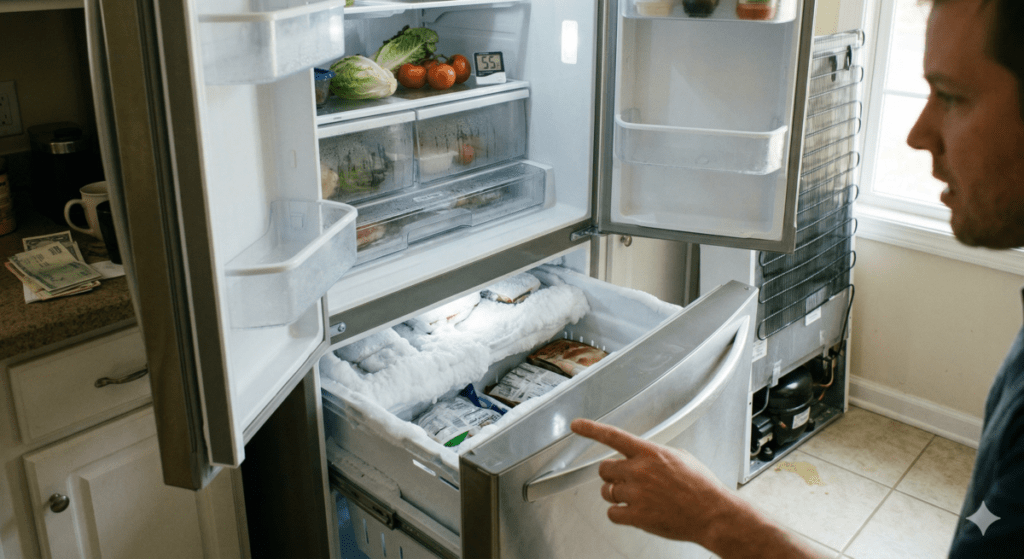
The fridge feels warmer than usual inside. Food does not stay fresh for long. The cooling system struggles to maintain the set temperature. (Pro tip: Drop a digital refrigerator thermometer inside to verify exactly how warm it's getting!) This is a common sign that Freon might be low.
Frost Buildup In Freezer
Ice forms on freezer walls or coils. Frost appears more quickly than before. This happens because the cooling cycle is uneven. Low Freon can cause the freezer to freeze more than normal.
Loud Or Unusual Noises
The fridge makes strange sounds during operation. You might hear hissing or bubbling noises. These sounds often mean the refrigerant is leaking. The compressor works harder, creating louder noises. To address how to reduce refrigerator noise, consider checking the leveling of your appliance, as an unbalanced fridge can generate unnecessary vibrations. Additionally, placing soundproof mats or insulating pads underneath the unit may help absorb some of the noise. Regular maintenance, such as cleaning the coils, can also contribute to a quieter operation.
Longer Cooling Cycles
The fridge runs for longer periods than usual. It takes more time to cool down the interior. This happens because low Freon reduces cooling efficiency. The compressor stays on longer to compensate.
Common Causes Of Freon Loss
Freon is essential for your refrigerator to cool properly. Over time, the amount of Freon can decrease due to several common causes. Identifying these causes helps you understand why your fridge may not be working well.
Freon loss usually happens because of physical damage or natural wear. Some issues are easy to spot, while others need a professional to check. Knowing the reasons behind Freon loss is the first step to fixing your refrigerator.
Leaks In The Refrigerant Lines
Small cracks or holes can form in the refrigerant lines. These leaks let Freon escape into the air. Leaks often happen due to corrosion or accidental damage. Signs include frost buildup or your fridge running too long without cooling enough.
Damaged Seals Or Gaskets
Seals and gaskets keep the cold air inside the fridge. Over time, they can crack or break. Damaged seals allow warm air in and cold air out, making the fridge work harder. This extra stress can cause Freon levels to drop faster.
Wear And Tear Over Time
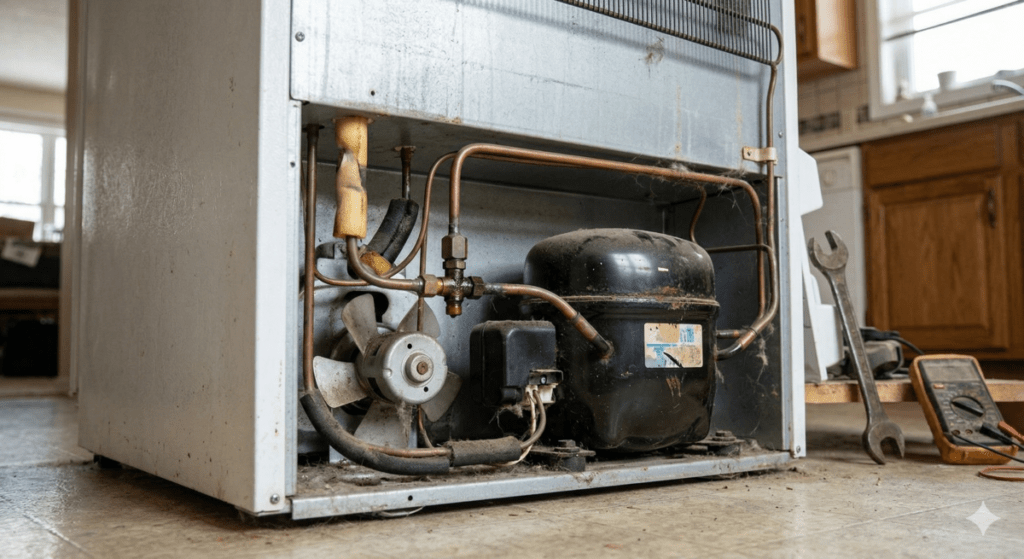
Refrigerators naturally lose some Freon over many years. Parts like valves and compressors wear down. This slow loss reduces cooling efficiency. Older fridges need regular checks to keep Freon at the right level.
How Freon Affects Refrigerator Performance
Freon is a key component inside refrigerators. It helps keep the temperature cool and stable. Without enough Freon, a refrigerator cannot work properly. Understanding how Freon affects your fridge helps you spot problems early.
Role In Cooling Process
Freon is a refrigerant that moves heat out of the fridge. It absorbs heat from inside the refrigerator walls. Then, it carries the heat to the coils at the back. The heat escapes into the air, making the inside cold. This cycle keeps food fresh and safe.
Impact On Energy Efficiency
Low Freon levels make the refrigerator work harder. The compressor runs longer to keep cool. This uses more electricity and raises energy bills. A fridge with enough Freon runs smoothly and saves energy. Detecting Freon issues early prevents high costs.
Diagnosing Freon Issues
Diagnosing Freon issues in a refrigerator helps identify cooling problems early. Low Freon levels reduce the fridge’s ability to stay cold. Detecting these issues requires specific tools and techniques. Some checks are simple for homeowners, while others need professional equipment.
Using A Pressure Gauge
A pressure gauge measures the Freon level inside the fridge system. It attaches to the service port on the refrigeration line. The gauge shows if the pressure is too low or normal.
Low pressure often means a Freon leak or insufficient refrigerant. The gauge reading varies by fridge model and ambient temperature. Compare your reading with the manufacturer’s recommended levels.
Using a pressure gauge requires care to avoid releasing Freon into the air. If unsure, seek help from a trained technician. This tool offers a quick way to check refrigerant status without disassembling the unit.
Professional Leak Detection Methods
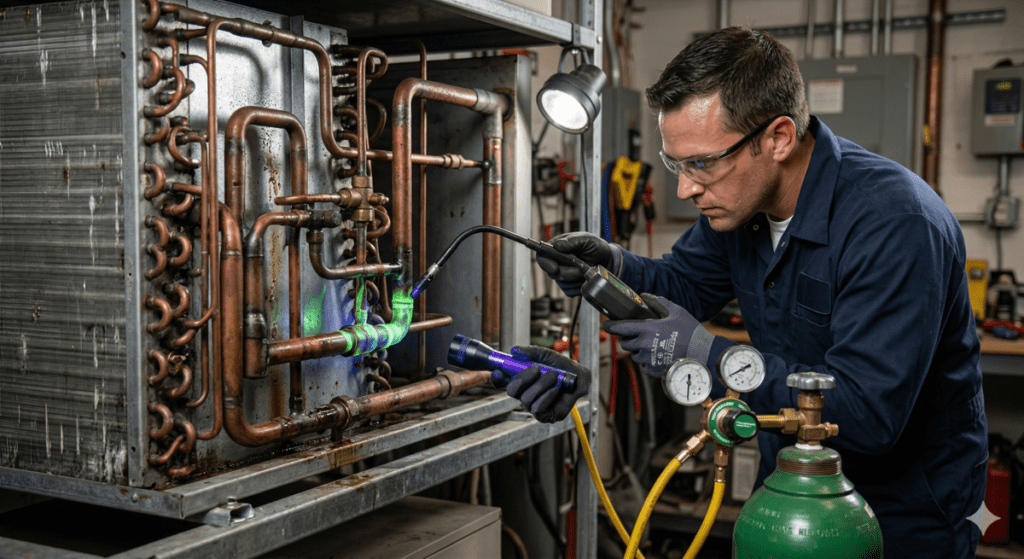
Experts use specialized methods to find Freon leaks accurately. One common tool is an electronic leak detector. It senses refrigerant gases escaping from tiny cracks.
Dye testing involves adding a fluorescent dye to the Freon. Under ultraviolet light, leaks become visible. This method helps locate hard-to-see leaks in pipes or coils.
Pressure testing with nitrogen gas is another technique. It checks for leaks by pressurizing the system with nitrogen and monitoring pressure changes. This method avoids releasing harmful gases.
Professional methods ensure safe and precise leak detection. They help prevent further damage and costly repairs.
When To Call A Technician
Your refrigerator plays a vital role in your home. It keeps food fresh and safe. But, there are times when it might need professional help. Knowing when to call a technician can save you time and money. Here, we discuss the signs that indicate it's time to call a professional for your refrigerator's Freon needs.
Safety Concerns With Diy Repairs
DIY repairs might seem tempting. But handling Freon is dangerous. Freon is a chemical that requires careful handling. Improper handling can cause health risks. It can also damage your refrigerator further. Without the right tools, you might cause more harm. Professionals have the skills to manage this safely.
Benefits Of Professional Servicing
Professional servicing offers peace of mind. Technicians have the right training and tools. They can accurately diagnose issues. This saves you from unnecessary repairs. Their experience ensures the job is done right. They can also check for other potential problems. Regular servicing can extend your refrigerator's life. It keeps your appliance running efficiently.
Preventing Freon Loss
Preventing Freon loss is crucial to keep your refrigerator running efficiently and avoid costly repairs. Freon is the refrigerant that cools the inside of your fridge, and if it leaks, the appliance struggles to maintain the right temperature. Catching small issues early can save you money and keep your food fresh longer.
Regular Maintenance Tips
Regularly check the door seals for cracks or gaps. A faulty seal lets cold air escape and forces your fridge to work harder, which can lead to Freon leaks. Whirlpool refrigerator cooling issues explained can often be traced back to dirty condenser coils or an overworked compressor. Cleaning these components regularly can help maintain optimal performance. Additionally, ensuring that the refrigerator is not overstuffed allows for proper air circulation, which is essential for effective cooling.
Clean the condenser coils at least twice a year. Dust buildup makes the compressor overheat, increasing the risk of refrigerant leaks.
Listen for unusual noises like hissing or bubbling sounds. These can be early signs of a Freon leak, signaling you to call a technician before the problem worsens.
Proper Usage Practices
Don’t overload your fridge. Overstuffing blocks air circulation and strains the cooling system, which may cause Freon loss over time.
Avoid placing hot food directly inside. Let it cool first to reduce the workload on your refrigerator’s compressor and prevent unnecessary stress on the Freon system.
Keep the fridge door closed as much as possible. Frequent opening lets warm air in and forces the fridge to work harder, which can increase the chance of leaks.
Have you noticed your fridge running constantly or not cooling as well as before? These behaviors often point to underlying Freon issues that proper maintenance and usage could prevent.
Frequently Asked Questions
How To Tell If Refrigerator Needs Freon?
If your fridge isn't cooling well, it might need Freon. Check for warm spots, frequent running, or frost buildup. These signs often indicate low refrigerant levels, requiring professional inspection and possible recharge. In addition to cooling issues, you may also encounter other problems with your Frigidaire refrigerator beeping solutions. A persistent beeping can signal door issues or temperature fluctuations, urging you to check the sealing and settings. Addressing these concerns promptly can prevent further complications and ensure your appliance operates efficiently.
Can I Add Freon To My Refrigerator Myself?
No, adding Freon requires specialized tools and knowledge. Refrigerants are regulated due to environmental risks. Always hire a certified technician to safely recharge your refrigerator’s refrigerant.
What Causes Freon Leaks In Refrigerators?
Freon leaks often stem from damaged coils, corrosion, or poor seals. Over time, wear and tear can cause refrigerant to escape, reducing cooling efficiency and requiring professional repair.
How Often Should Refrigerator Freon Be Checked?
Freon levels should be checked only if cooling issues arise. Regular maintenance every 1-2 years by a technician helps spot leaks and maintain optimal refrigerant levels.
Conclusion
A refrigerator low on Freon will not cool properly. Strange noises or warm spots inside are warning signs. Check for leaks or frost buildup near coils. Acting fast can save you from bigger problems. Call a professional to refill Freon safely.
Keep your fridge running smoothly and food fresh. Regular checks help avoid sudden breakdowns and spoilage. Small steps now prevent costly repairs later. Stay alert and protect your kitchen investment. Understanding the importance of identifying quality olive oil characteristics can greatly enhance your culinary experience. By examining factors such as aroma, flavor, and color, you can select the best oils for your dishes. This attention to detail not only elevates your cooking but also ensures that you enjoy the health benefits associated with high-quality olive oil.