Are you unsure if the olive oil in your fridge is the real deal? It’s frustrating to spend money on something healthy and tasty, only to wonder if it’s genuine.
Knowing how to tell if olive oil is real when stored in your refrigerator can save you from wasting money and protect your health. You’ll discover simple, clear signs to spot authentic olive oil at home—no fancy tools needed. Keep reading to make sure your olive oil is fresh, pure, and worth every drop.
Identifying Genuine Olive Oil
Identifying genuine olive oil can save you from wasting money on products that don’t deliver the health benefits or flavor you expect. Real olive oil has distinct qualities that you can spot with a little attention. Knowing what to look for helps you choose the best olive oil for your kitchen and ensures you get authentic quality every time.
Key Characteristics of Real Olive Oil
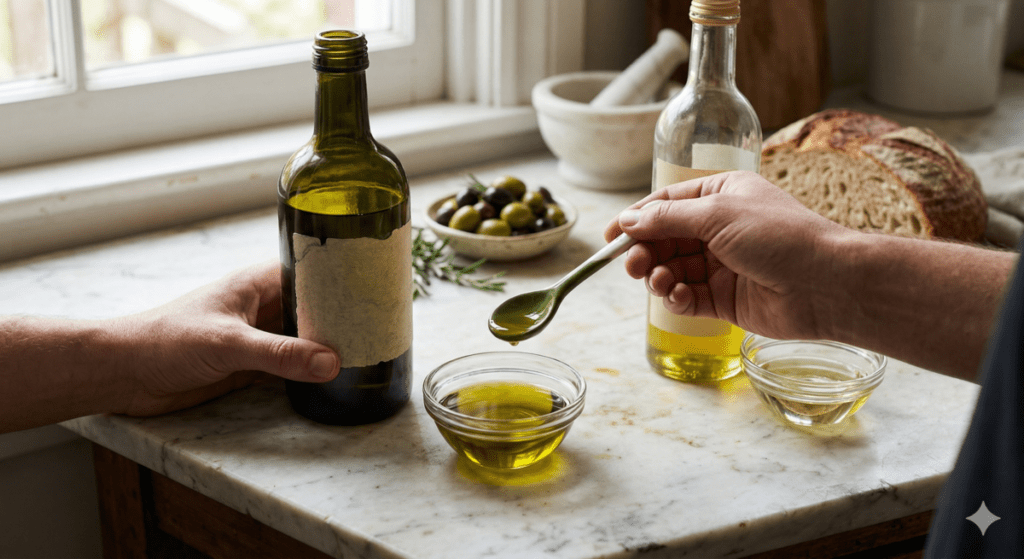
Real olive oil has a few clear signs that set it apart. First, it should have a fresh, fruity aroma—not a greasy or rancid smell. The color varies from golden yellow to green, but color alone isn’t a reliable indicator.
When you taste genuine olive oil, it often has a peppery or slightly bitter finish. This is a good thing—it shows the oil contains healthy antioxidants. Also, real olive oil feels smooth and coats your mouth without being greasy or oily.
Look for labels that mention “extra virgin” and have a harvest date or a certification seal. These details often indicate a higher quality product that has undergone strict testing.
Common Signs of Fake Olive Oil
Fake olive oil usually lacks the fresh, vibrant smell of real oil. Instead, it might smell flat, metallic, or even like crayons. If the oil tastes bland or overly greasy, it’s likely mixed with cheaper oils.
Some counterfeit olive oils separate quickly or appear cloudy even after shaking. This could mean additives or improper storage. Be cautious if the bottle doesn’t list clear origin information or uses vague terms like “olive oil blend.”
Have you ever bought olive oil that felt too cheap to be true? That’s often a sign the product isn’t genuine. Trust your senses and check the label carefully before pouring it into your salad or pan.
Role of Refrigeration in Olive Oil
Refrigeration plays a curious role in the world of olive oil. While it may seem unusual to store olive oil in the fridge, doing so can reveal a lot about its authenticity. But how exactly does refrigeration impact olive oil, and what can you learn from it?
How Refrigeration Affects Olive Oil
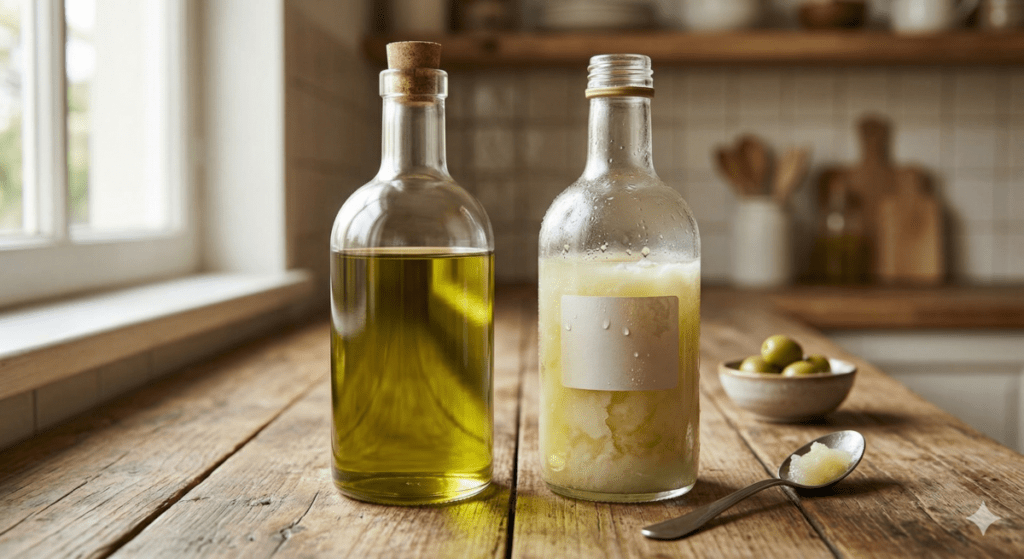
When you refrigerate olive oil, its consistency changes. Genuine extra virgin olive oil tends to solidify due to the presence of natural waxes and monounsaturated fats. This transformation is a simple yet effective way to test its purity.
However, not all oils respond the same way. Some might thicken partially, while others remain liquid. This variation can give you clues about the oil's quality and composition.
Have you ever tried refrigerating your olive oil? It might surprise you how this simple test can reveal so much about what you're consuming.
What Happens When Olive Oil Solidifies
When olive oil solidifies in the fridge, it doesn't mean it's spoiled. Instead, it's a sign of its natural composition. The solidification happens because of the natural fatty acids and waxes found in high-quality olive oils.
Once you take the oil out and let it return to room temperature, it should go back to its normal liquid state. This cycle of solidifying and liquefying doesn't affect its taste or nutritional value.
Isn't it fascinating how a simple kitchen experiment can tell you so much about the purity of your olive oil? Why not give it a try and see for yourself?
Simple Home Tests For Authenticity
Simple home tests help check if olive oil is real or fake. These tests need no special tools. Just use your fridge and senses. They show clear signs of authentic olive oil.
These tests are easy to do and fast. Anyone can try them at home to avoid buying fake oil. They protect your health and wallet.
Cold Test: What To Look For
Put a small glass jar or bottle of olive oil in the fridge. Leave it for 24 hours. Real olive oil will become cloudy and thick. It may even solidify slightly.
Fake or mixed oils stay clear and liquid. This test works because pure olive oil has natural fats that change with cold.
Smell And Taste Checks
Smell the olive oil by opening the bottle. Real olive oil smells fresh, fruity, and grassy. It may have hints of pepper or herbs.
Taste a small drop. Genuine olive oil feels smooth and slightly bitter or spicy. Fake oil often tastes flat or oily.
Use your senses carefully. Freshness and natural flavors are key signs of authenticity.
Packaging And Label Clues
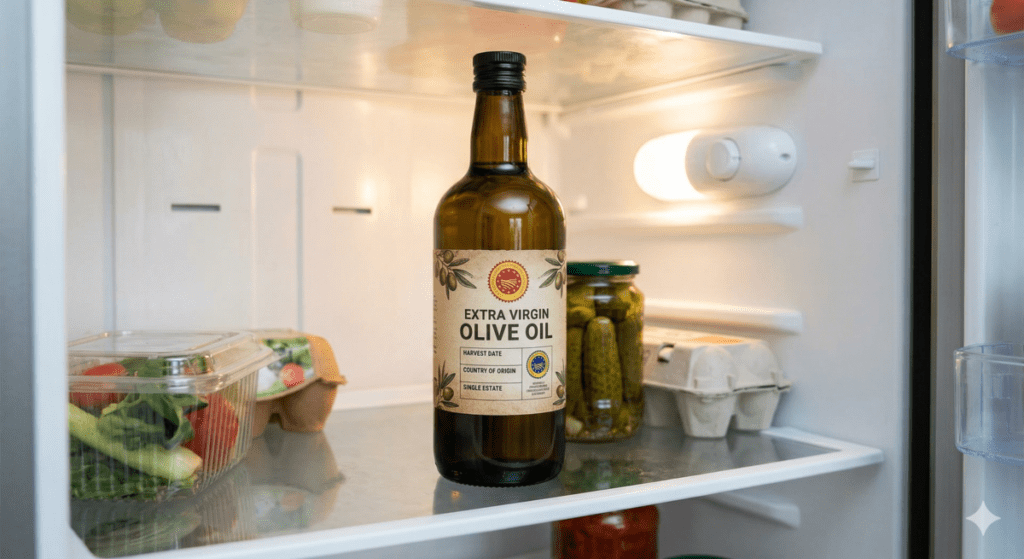
Spotting real olive oil in your refrigerator can start with a simple glance at its packaging and label. These external clues often reveal the product's authenticity and quality before you even open the bottle. Paying attention to what’s printed on the label can save you from buying fake or low-grade olive oil.
Reading Labels For Authenticity
Look for terms like “extra virgin”, which indicate the highest quality and purest form of olive oil. Check the harvest date or best-before date—freshness matters a lot in olive oil flavor and health benefits.
Be cautious if the label is vague or uses generic phrases like “olive oil” without any qualifiers. Also, note the country of origin. A single origin, such as “Made in Italy” or “Product of Spain,” is often a good sign, while blends from many countries may suggest lower quality.
Have you noticed if the label lists any additives or refined oils? Authentic extra virgin olive oil should only contain pure olive oil without any fillers.
Recognizing Quality Seals And Certifications
Quality seals are your best friends in spotting real olive oil. Look for certifications like PDO(Protected Designation of Origin), PGI(Protected Geographical Indication), or COOC(California Olive Oil Council) which indicate strict quality control.
These seals mean the oil has been tested and meets specific standards. If you see a seal, take a moment to verify it online or on the producer’s website. (Or, skip the guesswork and grab a certified California Olive Oil Council (COOC) approved Extra Virgin Olive Oil right now.) It’s a quick way to confirm if the olive oil is trustworthy.
Have you ever bought olive oil without checking for these seals? Trying to identify them can improve your future purchases and keep your kitchen stocked with genuine, flavorful oil.
Expert Tips To Avoid Fake Olive Oil
Choosing real olive oil can be tricky. Fake olive oil is common and can harm your health. Experts share simple tips to avoid buying fake olive oil. These tips help you find genuine, high-quality oil every time.
Trusted Brands And Sources
Buy your olive oil from well-known, trusted European brands. Trusted brands test their oil for purity and quality. Check labels for certification seals like PDO or PGI. These marks show the oil meets strict standards.
Purchase from reliable stores or official websites. Avoid markets with unclear or missing product information. Read customer reviews to learn about product authenticity. Genuine olive oil usually has clear harvest dates and origin details.
Storage Practices To Maintain Quality
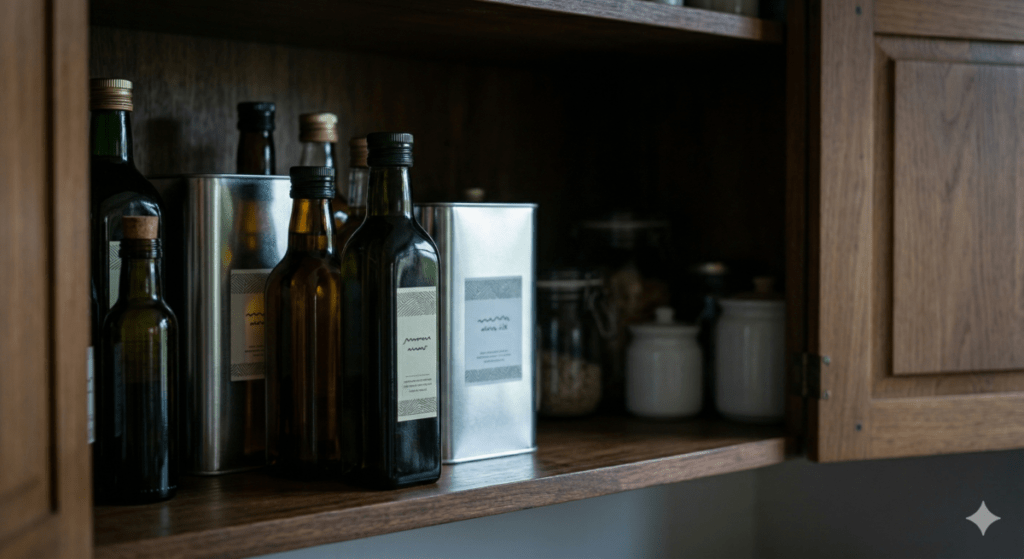
Store olive oil in a cool, dark place. Heat and light damage oil quality quickly. Use dark glass olive oil dispenser bottles or tins to protect oil from light.
Keep the container tightly closed to avoid air exposure. Air causes the oil to go rancid faster. Refrigeration can extend shelf life but may cause cloudiness. This cloudiness is normal and does not mean the oil is fake.
Frequently Asked Questions
How Can You Test Olive Oil In The Refrigerator?
Place olive oil in the fridge for 24 hours. Real olive oil will turn cloudy and thicken but not solidify. Fake or mixed oils may stay clear or freeze solid. This test helps identify genuine extra virgin olive oil by its natural properties.
Why Does Olive Oil Become Cloudy When Refrigerated?
Olive oil solidifies partly because of its fatty acids. When cooled, these acids crystallize, causing cloudiness. This natural change indicates pure olive oil. Adulterated or refined oils might not show this effect, making cloudiness a sign of authenticity.
Can All Olive Oils Solidify In The Fridge?
No, only pure extra virgin olive oil typically thickens in cold temperatures. Blended or refined oils may not solidify or become cloudy. The presence of other vegetable oils can prevent the expected change, helping to spot fake olive oil.
How Long Should Olive Oil Stay In The Fridge To Test?
Keep the olive oil refrigerated for at least 24 hours. This duration allows the oil to cool fully and show cloudiness or thickening. Shorter times may not reveal the true texture, affecting the test’s accuracy.
Conclusion
Knowing how to tell if olive oil is real helps you buy better quality. Real olive oil changes texture and color in the fridge. Fake or mixed oils do not show this change. Use simple tests like the fridge test to check your oil.
This way, you save money and enjoy true flavor. Always trust your senses—look, smell, and feel the oil. Keep these tips in mind for healthier cooking and better taste. Simple steps lead to smart choices in the kitchen.