Are you tired of ending up with sticky or mushy white rice every time you cook? Cooking perfect white rice can feel tricky, but it doesn’t have to be.
If you have a rice cooker, you’re already halfway there to making fluffy, delicious rice with ease. You’ll discover simple, foolproof steps to cook white rice in your rice cooker perfectly every time. Keep reading, and you’ll soon enjoy rice that’s just right—soft, separate, and ready to complement any meal.

Choosing The Right Rice
Choosing the right rice is key for perfect white rice in a rice cooker. Different types of white rice have unique textures and cooking needs. Picking the right kind helps get fluffy, tasty results every time. Understanding rice types and the best choices for rice cookers improves your cooking experience.
Types Of White Rice
White rice comes in many forms. Each type varies in grain size, texture, and flavor.
- Long Grain:Slim, separate grains when cooked. Light and fluffy texture.
- Medium Grain:Slightly shorter and plumper. More tender and slightly sticky.
- Short Grain:Round and plump grains. Very sticky and soft texture.
Each type suits different dishes. Choose based on texture preference and meal style.
Best Rice For Rice Cooker
Long grain white rice works well in rice cookers. It cooks evenly and stays separate.
Medium grain is also a good choice. It offers a balance between fluffiness and stickiness.
Short grain rice can be used but needs careful water measurement to avoid mushiness.
Choose rice labeled "regular" or "standard" white rice for easy cooking.
Rinse rice before cooking to remove excess starch. This prevents clumping.
Preparing Rice For Cooking
Preparing rice correctly before cooking ensures fluffy, well-cooked grains. This step sets the foundation for perfect white rice in your rice cooker. Careful preparation helps avoid sticky or unevenly cooked rice. Simple habits improve texture and flavor every time.
Measuring Rice Accurately
Use a measuring cup designed for rice. Standard cups help keep the water-to-rice ratio correct. Avoid guessing amounts to prevent mushy or dry rice. Measure the rice before rinsing for precise portions. Most rice cookers come with a rice measuring cup; use it if available.
Rinsing Rice Properly
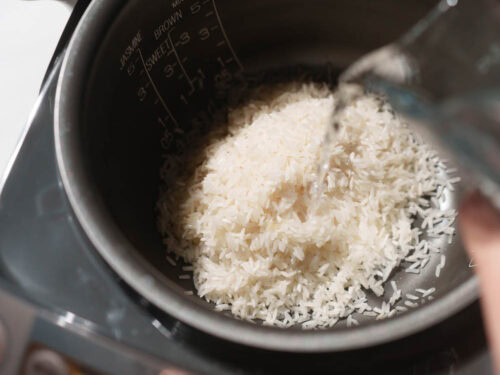
Rinsing removes excess starch from the rice surface. This step reduces stickiness and improves the final texture. Place rice in a bowl or directly in the cooker’s inner pot. Add cold water and gently swirl the rice with your hand. Drain the water and repeat 2-3 times until it runs clear.
Water To Rice Ratio
Getting the water to rice ratio right is crucial when cooking white rice in a rice cooker. Too much water can make your rice mushy, while too little leaves it dry and undercooked. Understanding the balance helps you achieve perfectly cooked rice every time without guesswork.
Standard Ratio Guidelines
The most common water to rice ratio for white rice is 1 cup of rice to 1.5 cups of water. This ratio works well for most rice cooker models and produces fluffy, tender rice. If your rice cooker comes with a measuring cup and water level markers, use those as a reliable starting point.
Keep in mind that different types of white rice might need slight adjustments. For example, jasmine rice often requires a bit less water, about 1 cup of rice to 1.25 cups of water. It’s helpful to check the rice package instructions or experiment with small batches to find your ideal ratio.
Adjusting For Texture Preferences
Do you prefer your rice firmer or softer? Adjust the water amount accordingly. Add an extra 2 tablespoons of water per cup of rice if you like softer, stickier rice. Reduce the water by about the same amount if you want it firmer and more separated.
Altitude and humidity can also affect how much water rice needs. Living in a dry or high-altitude area? Try increasing water slightly to avoid dry rice. On the other hand, if your rice cooker tends to trap moisture, use a little less water to prevent sogginess.
Experimenting with these tweaks can transform your rice cooking experience. What texture do you enjoy most, and have you noticed how small changes impact the final result?
Using The Rice Cooker
Using a rice cooker simplifies cooking white rice perfectly every time. This device controls heat and timing automatically. It removes the guesswork and frees you to focus on other tasks. Follow simple steps to get soft, fluffy rice without burning or sticking.
Adding Rice And Water
Start by measuring the amount of rice you want to cook. Rinse the rice under cold water until the water runs clear. This removes excess starch and prevents clumping.
Place the rinsed rice into the rice cooker pot. Add water according to the rice cooker’s instructions or use a common ratio of 1 cup of rice to 1.5 cups of water. Adjust water slightly for softer or firmer rice.
Do not overfill the pot. Leave space for the rice to expand during cooking. Stir lightly to mix rice and water evenly.
Selecting The Right Setting
Close the lid securely before turning on the rice cooker. Most rice cookers have a “white rice” or “regular” setting. Choose this option for standard white rice.
Some models offer settings for quick cook or porridge. Use these only if you want different textures or cooking times.
The rice cooker will automatically switch to “keep warm” once cooking finishes. Let the rice rest for 5 to 10 minutes before opening the lid. This helps steam the rice evenly.
Cooking Process Tips
Rinse the white rice under cold water until clear. Add rice and water to the rice cooker, using a 1:1. 5 ratio. Close the lid, select the "white rice" setting, and start cooking. Let it sit for a few minutes after cooking for the perfect fluff.
Cooking white rice in a rice cooker can seem simple. Yet, certain tips ensure perfect results. Knowing these can help avoid common mistakes. Let's explore some essential cooking process tips.
When To Avoid Opening The Lid
Opening the lid during cooking disrupts the process. It lets steam escape, affecting the rice texture. Keep the lid closed until the cooking cycle finishes. This ensures even cooking and fluffy rice. Patience is key for the best results.
Using The Keep Warm Function
Most rice cookers have a keep warm function. This feature maintains rice temperature without overcooking. Use it if you are not serving the rice immediately. It keeps the rice warm and ready to serve. Avoid leaving rice on keep warm for too long, though. It may dry out or lose its texture.
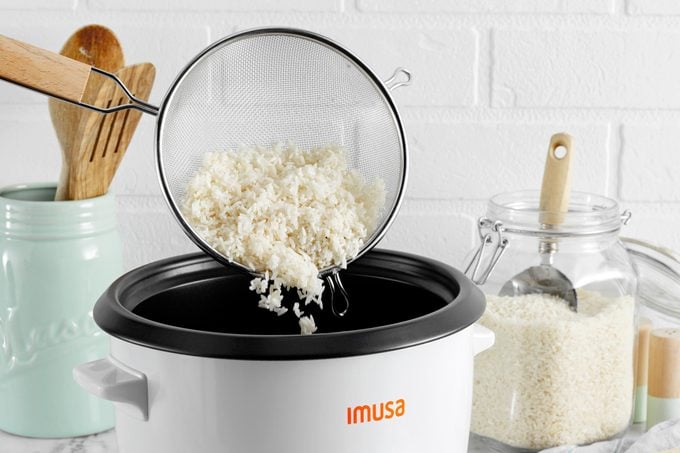
Fluffing And Serving Rice
Fluffing and serving rice might seem like small steps, but they make a big difference in how your white rice tastes and looks. Proper fluffing keeps the grains separate and light, enhancing the texture and making every bite enjoyable. Serving it thoughtfully can elevate your meal and even impress your guests.
How To Fluff Rice Correctly
Once your rice cooker signals that the rice is done, resist the urge to open the lid immediately. Let the rice sit with the lid closed for about 5 to 10 minutes. This resting time helps steam finish cooking the rice evenly.
When you’re ready to fluff, use a fork or a rice paddle instead of a spoon. Gently lift and separate the grains with a light hand. Avoid stirring vigorously—this can crush the grains and turn your fluffy rice into mush.
Fluffing isn’t just about appearance; it also releases trapped steam, preventing clumps and keeping the rice warm. Have you noticed how a well-fluffed bowl feels lighter and less sticky? That’s the difference fluffing makes.
Serving Suggestions
Think about how you want to enjoy your rice before serving. A simple sprinkle of chopped herbs like cilantro or parsley can brighten the dish instantly. You can also add a drizzle of toasted sesame oil or a squeeze of fresh lemon juice for extra flavor.
If you’re serving rice as a side, consider plating it with a bit of garnish—a few slices of avocado, a sprinkle of toasted nuts, or some colorful veggies on the side. This adds visual appeal and texture contrast, making your meal more inviting.
Don’t be afraid to get creative. Have you tried mixing your white rice with a spoonful of cooked beans or sautéed mushrooms right before serving? It’s an easy way to add nutrition and depth without much effort.
Troubleshooting Common Issues
Cooking white rice in a rice cooker seems straightforward, but sometimes things don’t turn out as expected. Troubleshooting common issues can save you time and prevent frustration. Understanding what causes these problems helps you fix them quickly and enjoy perfectly cooked rice every time.
Fixing Mushy Rice
Mushy rice usually means there’s too much water or the rice was cooked too long. If your rice turns out sticky and soft, try reducing the water by about 10-20%. For example, if you normally use 2 cups of water per cup of rice, lower it to 1.8 cups and see how it affects the texture.
Another cause could be leaving the rice in the cooker’s warm mode for too long after cooking. The steam keeps softening the rice, making it mushy. To avoid this, remove the rice promptly or fluff it with a fork to release excess steam.
Have you noticed how rinsing rice affects its texture? Washing the rice before cooking removes excess starch, which helps prevent mushiness. Make rinsing part of your routine if you want firmer grains.
Dealing With Under-cooked Rice
Under-cooked rice feels hard or crunchy because it hasn’t absorbed enough water or the cooking time was too short. If you open your rice cooker and find grains still tough, add a few tablespoons of hot water and restart the cooker for 5-10 minutes. This simple trick finishes the cooking without starting from scratch.
Using the right rice-to-water ratio is key. If your rice cooker manual suggests a ratio, try sticking to it rather than guessing. Different rice brands and types may need slight adjustments, so keep notes on what works best for your favorite rice.
Sometimes the problem lies in the rice cooker itself. If your cooker consistently undercooks, it might have a faulty heating element or sensor. Testing with another batch or brand of rice can help determine if your appliance needs repair or replacement.
Frequently Asked Questions
How Much Water Is Needed For Cooking White Rice?
Use a 1:1. 5 rice-to-water ratio for perfect white rice. For example, 1 cup of rice requires 1. 5 cups of water. Adjust slightly for preferred texture.
Can I Cook Other Rice Types In A White Rice Cooker?
Yes, you can cook other rice types but adjust water and cooking time. Check your rice cooker manual for specific guidelines.
How Long Does White Rice Take To Cook In A Rice Cooker?
White rice usually takes 15 to 25 minutes in a rice cooker. Cooking time varies depending on the rice cooker model and rice quantity.
Should I Rinse White Rice Before Cooking It?
Rinse white rice under cold water until water runs clear. This removes excess starch and prevents rice from becoming sticky.
Conclusion
Cooking white rice in a rice cooker is simple and fast. Just add rice and water, then press start. The cooker does the rest, giving you soft, fluffy rice every time. It saves time and effort in the kitchen. Perfect rice is ready without watching the pot.
Try different water amounts to find your best texture. Rice cookers make meal prep easier and cleaner. Enjoy your rice with any dish, hot and fresh. This basic skill helps you cook with confidence and ease.