Is your Kenmore refrigerator not cooling like it used to? You rely on it every day to keep your food fresh and drinks cold.
When it stops working properly, it can throw your entire routine off and cause stress. But don’t worry—you’re not alone, and this problem doesn’t always mean you need a costly repair or replacement. Understanding why your Kenmore fridge isn’t cooling can save you time, money, and frustration.
Keep reading, and you’ll discover the common causes and simple fixes that can bring your refrigerator back to life quickly.

Credit: edmontonappliancesolutions.com
Common Cooling Problems
Common cooling problems often cause a Kenmore refrigerator to stop working properly. These issues can be simple to fix but affect the fridge’s ability to keep food cold. Identifying the right problem helps save time and money. The following sections cover common reasons why your Kenmore fridge may not cool well.
Temperature Settings Issues
Incorrect temperature settings can stop the fridge from cooling. Sometimes, the thermostat is set too high. This makes the fridge warm inside. Check the settings and adjust them to the recommended temperature. Usually, 37°F (3°C) is ideal for the fridge and 0°F (-18°C) for the freezer. Avoid frequent changes to the temperature controls.
Blocked Air Vents
Air vents move cold air inside the fridge and freezer. Blocked vents stop this airflow. Food or containers placed too close to vents can cause blockages. Without airflow, parts of the fridge become warm. Keep vents clear and do not overpack the fridge. This allows air to circulate freely and cool evenly.
Dirty Condenser Coils
Condenser coils release heat from the fridge. Dust and dirt buildup on coils reduce cooling efficiency. This forces the compressor to work harder. Clean coils regularly with a brush or vacuum. Unplug the fridge before cleaning to avoid electrical hazards. Clean coils help the fridge cool properly and save energy.
Checking The Evaporator Fan
Checking the evaporator fan is a key step when your Kenmore refrigerator is not cooling properly. This fan circulates cold air from the freezer to the refrigerator section. If it stops working, your fridge won’t maintain the right temperature, leading to spoiled food and frustration.
Fan Function And Noise
The evaporator fan should run quietly and steadily whenever the compressor is on. If you hear loud noises, rattling, or no sound at all, the fan might be damaged or blocked. Sometimes, ice buildup around the fan blades can stop them from spinning, so check for any frost or debris.
Try opening the fridge door and listen carefully. Does the fan stop when the door opens? It should, since most models have a door switch that turns it off. If it keeps running or doesn’t start at all, the fan motor or switch might be faulty.
Replacing A Faulty Fan
If your evaporator fan isn’t working, replacing it can bring your fridge back to life. Start by unplugging the refrigerator and removing the back panel inside the freezer. This will give you access to the fan assembly.
Note the model number of your Kenmore refrigerator before ordering a replacement fan motor. Installing the new fan usually involves disconnecting the old motor’s wiring harness and securing the new one in place. Make sure the fan blades spin freely before reassembling everything.
Have you checked the fan in your fridge before calling a technician? Sometimes, a simple fan replacement can save you both time and money while restoring your refrigerator’s cooling performance.
Inspecting The Condenser Fan
Inspecting the condenser fan is a key step when your Kenmore refrigerator is not cooling properly. This fan helps move air over the condenser coils, which cools the refrigerant and keeps your fridge running efficiently. If the fan isn’t working right, the fridge might struggle to maintain the correct temperature.
Fan Operation Signs
You can often tell if the condenser fan is working by simply listening and observing. When the fridge compressor runs, you should hear the fan spinning near the back of the unit. If the fan is silent or making unusual noises like grinding or rattling, it could be damaged or stuck.
Another sign is the temperature inside your fridge. If it’s warm but the compressor is running, the fan might not be circulating air properly. You might also feel warm air blowing from the back of the fridge instead of cool air circulating inside.
Cleaning And Repair Tips
Dust and debris can build up on the condenser fan blades, slowing or stopping them from spinning. Unplug your fridge and carefully clean the fan with a soft brush or vacuum. This simple step often restores airflow and cooling efficiency.
If cleaning doesn’t fix the problem, check if the fan motor runs when powered. A faulty motor usually needs replacement. You can also inspect fan blades for cracks or damage and replace them if necessary.
Have you checked your condenser fan recently? A quick look can save you from expensive repairs and keep your Kenmore running cool.

Credit: www.youtube.com
Compressor Troubles
The compressor is the heart of your Kenmore refrigerator’s cooling system. When it faces troubles, your fridge may stop cooling properly, leading to spoiled food and wasted money. Understanding compressor issues can save you time and unnecessary repair costs.
Compressor Running Check
First, listen closely to your refrigerator. Is the compressor humming or making a low buzzing sound? A running compressor usually produces a consistent noise, indicating it’s working to circulate refrigerant.
If you hear clicking or no sound at all, the compressor might not be running. You can also gently touch the compressor at the back of the fridge—it should feel warm but not too hot. A cold compressor often means it's not functioning properly.
Have you ever checked this yourself? It’s a simple step that can quickly tell you if the compressor is active or silent, pointing you toward the next troubleshooting move.
Signs Of Compressor Failure
Identifying compressor failure early can prevent further damage to your fridge. Look out for these common signs:
- Warm interior:Food isn’t staying cold, even though the fridge runs.
- Loud noises:Unusual rattling or humming sounds coming from the compressor area.
- Frequent cycling:Compressor turns on and off rapidly without cooling effectively.
- Fridge not starting:No sound or vibration from the compressor at all.
Recognizing these signs early can help you decide if you need professional help or a replacement. Have you noticed any of these symptoms in your Kenmore fridge?
Thermostat And Temperature Control
A Kenmore refrigerator not cooling can be frustrating. One common culprit is the thermostat and temperature control. These components regulate your fridge's cooling efficiency. Understanding how to test and adjust these parts can restore your refrigerator’s cooling performance. Let's explore how to check and adjust these settings effectively.
Testing The Thermostat
Begin with testing the thermostat. Ensure your refrigerator is unplugged first. Locate the thermostat, usually inside the fridge near the top. It resembles a small box or dial. Turn the dial from the lowest to the highest setting slowly. Listen for a clicking sound. This click indicates the thermostat is working.
If there's no click, the thermostat might be faulty. A multimeter can further test the thermostat's continuity. Set the multimeter to the lowest ohm setting. Connect the probes to the thermostat terminals. A reading of zero indicates a working thermostat. Any other reading suggests a replacement is needed.
Adjusting Temperature Controls
Check the temperature settings on your Kenmore refrigerator. Often, incorrect settings cause cooling issues. The ideal fridge temperature is between 35°F and 38°F. For the freezer, aim for 0°F. Adjust the dial to these recommended settings.
Wait 24 hours after adjusting. This time allows temperatures to stabilize. Monitor the cooling performance after this period. If cooling improves, the issue was likely with the settings. If not, further investigation may be necessary.
Defrost System Failures
The defrost system in a Kenmore refrigerator stops ice from building up on the evaporator coils. When this system fails, frost can cover the coils. This frost blocks cold air from circulating inside the fridge. As a result, the refrigerator stops cooling properly.
Defrost system problems are common causes of cooling issues. The system includes parts like the defrost timer and defrost heater. These parts work together to melt frost regularly. If they break, frost keeps building up and cooling stops.
Identifying Frost Build-up
Check the freezer section for thick ice or frost. Look behind the back panel inside the freezer. If you see layers of frost or ice, the defrost system may be faulty.
Frost build-up can cause poor airflow. Food may not stay cold, or the fridge may feel warm. Listen for the fan inside the freezer. If it sounds weak or stops, frost could be blocking it.
Fixing Defrost Timer And Heater
The defrost timer controls the defrost cycle. It tells the heater when to turn on and melt frost. Find the timer, usually near the control panel or compressor. Rotate it slowly until the heater clicks on. If it never clicks, replace the timer.
The defrost heater melts frost on the coils. Test it with a multimeter for continuity. No continuity means the heater is broken. Replace the heater to fix frost build-up.
Test the defrost thermostat too. It stops the heater from overheating. Replace any faulty parts to restore proper cooling.
Door Seal And Gasket Issues
The door seal and gasket are crucial for keeping cold air inside the Kenmore refrigerator. If these parts are damaged, warm air can enter. This causes the fridge to work harder and cool less effectively. A poor seal leads to frost buildup and higher energy use.
Checking the door seal and gasket regularly helps spot problems early. Replacing worn or torn gaskets restores the fridge’s cooling power. Proper maintenance of these parts extends the life of your refrigerator.
Checking Door Seal Integrity
Start by examining the door seal for cracks, tears, or gaps. Run your hand along the gasket to feel for soft spots or breaks. Use a dollar bill test to check the seal:
- Place a dollar bill between the door and fridge frame.
- Close the door on the bill.
- Try to pull the bill out gently.
If the bill slides out easily, the seal is weak. Check the entire door edge. Look for dirt or debris that stops the door from closing tightly. Clean the gasket with warm, soapy water and dry it well.
Replacing Worn Gaskets
Old or damaged gaskets must be replaced for proper cooling. Purchase a gasket made for your Kenmore model. Follow these steps:
- Turn off and unplug the refrigerator.
- Remove the old gasket by pulling it gently from the door.
- Clean the groove where the gasket sits.
- Align the new gasket and press it firmly into place.
- Close the door and check the seal again with the dollar bill test.
Replacing the gasket improves cooling and reduces energy waste. Regular checks prevent costly repairs later.

Credit: www.searshomeservices.com
Power Supply And Electrical Checks
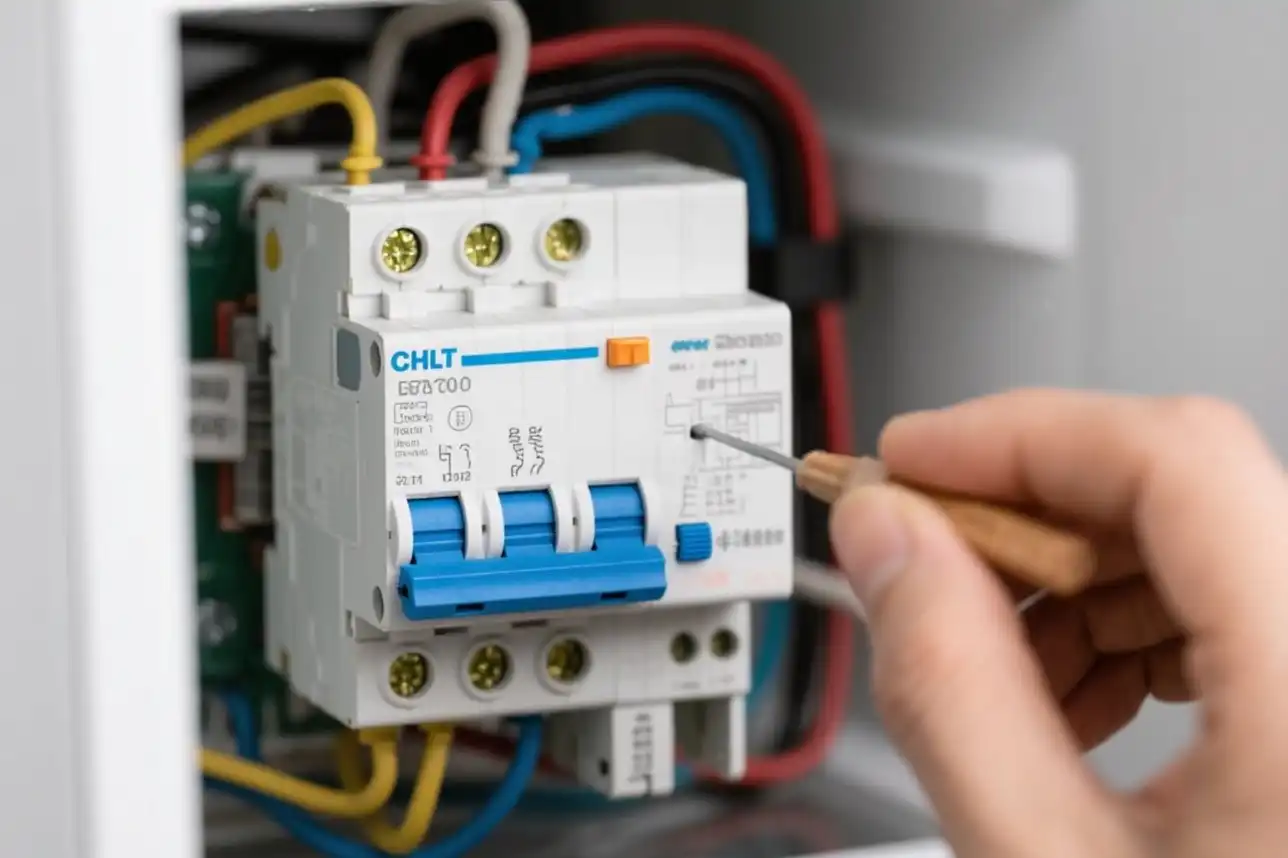
Check the power supply first, as a loose plug or faulty outlet can stop your Kenmore refrigerator from cooling. Inspect electrical connections and circuit breakers to ensure consistent power flow to the fridge.
When your Kenmore refrigerator isn't cooling, it can be frustrating and inconvenient. One of the primary culprits might be issues with power supply and electrical components. Ensuring that your refrigerator is getting the necessary power is crucial for its operation. Before you call a technician, there are some simple checks you can do to troubleshoot the problem.
Verifying Power Connections
First, ensure the fridge is plugged into a working outlet. Sounds obvious, but it's worth checking. Sometimes the plug might be slightly loose, leading to intermittent power supply. Check if the outlet is functional. You can use a lamp or any small appliance to test this. If the outlet isn't working, try resetting the circuit breaker or replacing the fuse. Also, inspect the power cord for any visible damage. A frayed or damaged cord can disrupt the power flow to your refrigerator, affecting its cooling ability.
Inspecting Electrical Components
After verifying the power connections, move on to the internal electrical components. The thermostat should be set to the correct temperature. Sometimes, accidental adjustments can cause cooling issues. Look at the condenser coils, usually located at the back or bottom of the fridge. If they're covered in dust, clean them. This can improve cooling efficiency. Don't forget the fans. Both the condenser and evaporator fans play a critical role in cooling. Check if they're running smoothly. A faulty fan can hinder the circulation of cold air inside the refrigerator. By addressing these aspects, you may resolve the cooling issue yourself. Have you encountered other electrical issues with appliances before? Share your experiences and insights in the comments below!
When To Call A Professional
Knowing when to call a professional for your Kenmore refrigerator not cooling can save you time, money, and frustration. Some problems may seem simple but can quickly become worse without proper tools and expertise. Recognizing the signs that require expert help is key to avoiding bigger issues.
Complex Repairs To Avoid
Some repairs are best left to professionals because they involve specialized skills and equipment.
- Refrigerant leaks:Handling refrigerants requires certification and careful procedures to prevent harm and ensure your fridge runs efficiently.
- Compressor replacement:This is a costly and technical job that needs expert knowledge to install correctly.
- Electrical system faults:Issues with wiring or control boards can be dangerous and need a trained technician to diagnose safely.
Attempting these repairs yourself can cause more damage or void your warranty. Have you ever tried fixing an electrical part without the right tools? It’s risky and often leads to more trouble.
Finding A Trusted Technician
Choosing the right professional makes all the difference in how quickly and effectively your fridge gets fixed.
- Check reviews and ratings:Look for technicians with strong customer feedback and positive ratings on trusted platforms.
- Verify certifications:Make sure the technician is certified to handle refrigeration repairs, especially those involving refrigerants.
- Ask about warranties:A reliable technician should offer a warranty on parts and labor to protect you after the repair.
- Get multiple quotes:Comparing prices helps you avoid overpaying and find a fair deal.
Have you had a repair go wrong because you picked the cheapest option? Quality matters more than price when dealing with complex appliances.
Frequently Asked Questions
Why Is My Kenmore Refrigerator Not Cooling Properly?
A common cause is a dirty condenser coil. Clean coils improve cooling efficiency. Also, check the thermostat settings and door seals for leaks.
How Do I Fix A Kenmore Fridge That Won’t Cool?
Start by cleaning the condenser coils and checking the thermostat. Ensure the door seals are tight. If the problem persists, the compressor or fan motor might need repair.
Can A Dirty Condenser Coil Cause Cooling Issues?
Yes, dirty coils reduce heat exchange, making the fridge less efficient. Regular cleaning helps maintain proper cooling and lowers energy consumption.
What Role Does The Evaporator Fan Play In Cooling?
The evaporator fan circulates cold air inside the fridge. If it stops working, cooling will be uneven or stop altogether.
Conclusion
A Kenmore refrigerator not cooling can cause many problems at home. Check the temperature settings and clean the coils first. Make sure the door seals are tight and not damaged. Listen for unusual noises that may show a problem. Small fixes often restore cooling quickly.
Sometimes, professional help is needed for complex issues. Acting fast saves food and money. Keep your fridge in good shape to avoid future troubles. Stay aware and take care for a cool, fresh kitchen.