Have you ever opened your refrigerator and noticed water droplets forming inside? That wet, uncomfortable feeling can be frustrating and even worrying.
You might wonder, "Why is my refrigerator sweating inside? " Understanding the reasons behind this common problem can help you fix it quickly and keep your food fresh. You’ll discover simple explanations and easy solutions that anyone can follow. Keep reading—you’ll be surprised how small changes can make a big difference in stopping your fridge from sweating.
Credit: homewarranty.firstam.com
Common Causes Of Refrigerator Sweating
Noticing sweat inside your refrigerator can be frustrating and puzzling. Understanding the common causes of this issue helps you fix it quickly and keep your food fresh. Let’s look at the main reasons why your fridge might be sweating inside.
High Humidity Levels
Excess moisture in the air around your refrigerator often leads to condensation inside. If you live in a humid climate or keep your kitchen very warm, the moisture finds its way into the fridge and turns into water droplets.
Have you checked the humidity level in your kitchen lately? Using a dehumidifier or improving ventilation can reduce this problem significantly.
Frequent Door Opening
Opening your fridge door often lets warm, moist air inside. This air cools down quickly, causing water to form on the walls and shelves.
Think about your habits—do you open the fridge multiple times a day just to check? Limiting door openings or closing the door faster can help reduce sweating.
Faulty Door Seals
The rubber seals around your fridge door create an airtight barrier. If these seals are damaged or dirty, warm air can sneak in, causing condensation inside.
Try inspecting the seals for cracks, tears, or dirt buildup. Replacing or cleaning them might stop the sweating and save energy.
Blocked Air Vents
Air vents inside your fridge allow cool air to circulate evenly. When these vents get blocked by food items or ice buildup, airflow is restricted.
This leads to uneven cooling and moisture buildup in certain areas. Make sure to leave space around vents and defrost if ice is blocking the airflow.
Temperature Settings Issues
If your fridge temperature is set too low, it can cause excessive moisture to form. On the other hand, if it’s too high, your food might spoil faster.
Check the recommended temperature, usually between 37°F and 40°F (3°C to 4°C), and adjust as needed. Finding the right balance keeps your fridge dry and your food safe.

Credit: shop.haierindia.com
Effects Of Excess Moisture
Excess moisture inside your refrigerator can cause more trouble than just annoying water droplets. It creates an environment that affects the quality of your food, the appliance’s performance, and even your energy bills. Understanding these effects helps you take action before small problems turn into costly repairs or health risks.
Food Spoilage Risks
Moisture inside your fridge speeds up the growth of mold and bacteria on your food. This means fruits, vegetables, and leftovers spoil faster than they should. Have you ever found your fresh greens wilting or your milk sour earlier than expected? Excess moisture is often the culprit behind these unexpected food wastes.
Besides shortening shelf life, damp conditions can cause unpleasant odors that transfer between foods. You might notice your fridge smelling funky even though you clean it regularly. Controlling moisture levels helps keep your food fresh and your fridge smelling clean.
Ice Buildup Problems
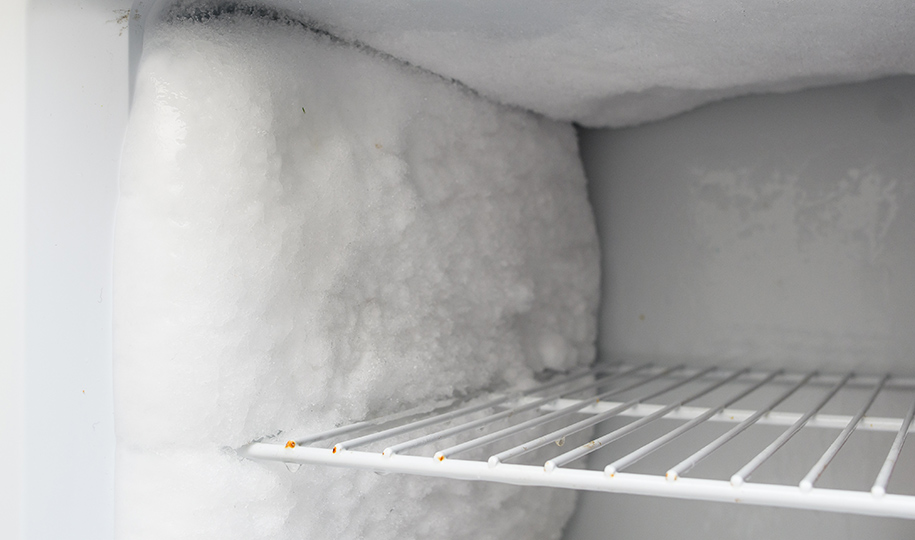
When humidity inside your fridge condenses and freezes, it leads to ice buildup on shelves, walls, or in the freezer compartment. This buildup can block vents, reduce storage space, and make it harder to close the door properly. Have you struggled with a freezer door that won’t shut all the way? Ice buildup from excess moisture could be why.
Ice accumulation forces your refrigerator to work harder to maintain the right temperature. This can cause uneven cooling, which affects the quality and safety of your stored items. Avoiding excess moisture helps keep ice at bay and your fridge running smoothly.
Energy Efficiency Impact
Moisture inside the fridge forces the compressor to run more often and longer. This extra workload increases energy consumption and raises your electricity bill. Have you noticed your fridge running louder or more frequently lately? Excess moisture may be making your appliance less efficient.
By reducing moisture, you allow your refrigerator to maintain consistent temperatures without overworking. This simple change can save you money over time and extend the life of your appliance. Small fixes like checking door seals or using moisture absorbers can make a noticeable difference in energy use.
Simple Fixes For Inside Sweating
Sweating inside your refrigerator can be annoying and may even lead to food spoilage. Fortunately, some simple fixes can help you stop that moisture buildup quickly. These easy steps can save you time and prevent more serious problems down the road.
Adjusting Temperature
Your fridge might be too cold or too warm, causing condensation inside. Check the temperature settings and aim for around 37°F (3°C) for the fridge and 0°F (-18°C) for the freezer.
If you notice sweating after adjusting, try increasing or decreasing the temperature slightly. Small tweaks often balance the moisture and keep your food fresh longer.
Checking And Replacing Door Seals
Have you ever felt a cold draft around your fridge door? That’s a sign your door seals may be worn out or damaged. Poor seals let warm air in, causing inside moisture to form.
Test the seals by closing the door on a piece of paper. If you can pull it out easily, the seal isn’t tight enough. Replacing old seals is simple and can stop sweating instantly.
Reducing Door Openings
How often do you open your fridge door? Frequent openings let warm air inside, which condenses into water droplets. Try to plan your fridge visits and keep the door closed as much as possible.
Organize your food so you can grab what you need quickly. This small habit can reduce inside sweating and keep your fridge running efficiently.
Clearing Air Vents
Air vents inside your fridge help circulate cool air evenly. Blocked vents can cause uneven temperatures and moisture buildup. Check for items blocking these vents and rearrange if necessary.
Keeping vents clear allows proper airflow, reducing sweating and helping your fridge cool consistently. Have you checked your vents lately?
Preventive Tips To Avoid Moisture
Moisture inside your refrigerator can be frustrating and might even spoil your food faster. Taking steps to prevent this moisture buildup not only keeps your fridge working efficiently but also helps maintain the freshness of your groceries. Let’s look at practical ways you can keep your fridge dry and sweat-free.
Proper Food Storage
Storing food correctly is a simple yet effective way to reduce moisture. Always cover leftovers and open packages tightly. Uncovered foods release moisture that turns into condensation on the fridge walls.
Organize your fridge so air can circulate freely around the items. Crowding your fridge blocks airflow, which traps humidity inside. Do you notice certain shelves getting more moisture? Try rearranging your items to improve ventilation.
Using Dehumidifiers Or Moisture Absorbers
Small dehumidifiers or moisture-absorbing products like silica gel packs or baking soda boxes can make a big difference. Placing these inside your fridge helps absorb excess humidity.
Choose products made specifically for refrigeration to avoid any chemical risks. Have you tried placing a box of baking soda in your fridge? It not only fights odors but also helps control moisture levels.
Regular Maintenance Routines
Keeping your fridge clean and well-maintained prevents moisture buildup. Check door seals regularly to ensure they close tightly. Worn seals allow warm air in, increasing condensation inside.
Clean the drip pan and defrost the freezer if ice builds up. These steps stop water from pooling and reduce humidity. How often do you inspect your fridge for these small but important tasks?
When To Call A Professional
Dealing with a sweating refrigerator can be a nuisance, but sometimes the problem is beyond a DIY fix. If your fridge continues to have moisture issues despite your best efforts, it might be time to call a professional. Knowing when to seek expert help can save you time, money, and prevent further damage to your appliance.
Persistent Moisture Issues
If your refrigerator is consistently damp inside, it could indicate a deeper problem. Regular pooling of water or excessive condensation isn't normal. These issues might stem from failing door seals, blocked drain lines, or faulty temperature settings. A professional can diagnose and resolve these persistent moisture problems effectively.
Mechanical Or Electrical Problems
Refrigerators are complex appliances with various mechanical and electrical components. Issues like a malfunctioning thermostat, defrost timer, or fan motor can cause internal sweating. Attempting to fix these without proper knowledge can risk further damage or even safety hazards. A professional has the tools and expertise to tackle these intricate problems.
Refrigerator Age And Repair Costs
Consider the age of your refrigerator. Older models may not be worth the cost of repeated repairs. If your appliance is approaching the end of its lifespan, investing in a new unit might be more cost-effective. A professional can assess whether a repair is feasible or if it's time for a replacement.
Are you seeing signs that your refrigerator's sweating isn't just a quick fix issue? It might be worth consulting a professional to ensure your appliance runs smoothly and efficiently. Your peace of mind and the longevity of your fridge depend on it.

Credit: shop.haierindia.com
Frequently Asked Questions
Why Is My Refrigerator Sweating Inside?
Refrigerator sweating happens due to excess moisture inside. Warm air meets cold surfaces, causing condensation. It often results from door seals, frequent openings, or high humidity. Proper sealing and temperature control can reduce this issue effectively.
Can A Faulty Door Seal Cause Refrigerator Sweating?
Yes, a damaged door seal lets warm air enter, increasing moisture inside. This causes condensation or sweating on the refrigerator walls. Inspect seals regularly and replace if cracked or loose to maintain proper cooling and avoid sweating.
How Does High Humidity Affect Refrigerator Sweating?
High humidity means more moisture in the air. When humid air enters the fridge, it condenses on cold surfaces, causing sweating. Using a dehumidifier or reducing fridge door openings helps control moisture and prevents internal sweating.
Does Fridge Temperature Affect Internal Sweating?
Yes, incorrect fridge temperature can cause sweating. If too cold, it causes excess condensation. If too warm, humidity increases inside. Ideal fridge temperature is between 37-40°F (3-4°C) to balance cooling and minimize sweating.
Conclusion
Sweating inside your refrigerator can cause damage and waste food. Check door seals and temperature settings often. Keep the fridge door closed to stop warm air entry. Clean the drain hole to avoid water buildup. Small fixes help your fridge work better and last longer.
Stay alert to signs of trouble early on. A dry, cool fridge saves money and food. Take simple steps today for a fresher fridge tomorrow.