Is your refrigerator always running, leaving you wondering if something is wrong? You’re not alone.
When your fridge never seems to turn off, it can mean higher energy bills and even a future breakdown. But why does this happen? Understanding the reasons behind your constantly running refrigerator can save you money and stress. Keep reading to discover what might be causing this and how you can fix it before it turns into a bigger problem.
Common Reasons For Constant Running
If your refrigerator is always running, it could be a sign that something inside isn’t working quite right. Constant operation can waste energy and increase your electricity bill. Understanding the common causes can help you fix the problem before it becomes expensive.
Door Seal Issues
A worn or damaged door seal lets cold air escape, forcing your fridge to run continuously to keep the temperature stable.
Check the seal by closing the door on a dollar bill. If the bill slips out easily, the seal isn’t tight enough.
Replacing or repairing the seal can stop the fridge from overworking and save energy.
Thermostat Settings
Sometimes the thermostat is set too low, making the fridge work harder than necessary.
Try adjusting the temperature to the recommended setting, usually around 37°F (3°C) for the fridge and 0°F (-18°C) for the freezer.
Have you noticed your fridge running more after changing the thermostat? Small tweaks can make a big difference.
Overloaded Refrigerator
Stuffing your fridge too full blocks airflow inside, so cold air can’t circulate properly.
This forces the compressor to run nonstop to maintain the set temperature.
Organize your fridge to allow space between items. This simple step might reduce constant running.
Poor Ventilation
Your refrigerator needs good airflow around it to release heat efficiently.
If it’s pushed too close to the wall or surrounded by clutter, heat builds up and the fridge runs longer to cool down.
Try moving it a few inches away from walls or removing items nearby. Can you feel the difference in heat around your fridge?
Faulty Condenser Coils
Dirty or broken condenser coils reduce the fridge’s cooling efficiency.
Dust and debris block heat transfer, so the compressor runs constantly to compensate.
Clean the coils every few months using a coil brush or vacuum. This quick maintenance can lower energy use and keep your fridge happy.
Credit: kitchen.services
Signs Of A Malfunctioning Refrigerator
Recognizing the signs of a malfunctioning refrigerator early can save you from spoiled food and costly repairs. Your fridge is designed to run efficiently and quietly, but when it starts acting up, it sends clear signals. Paying attention to these signs helps you take action before the problem worsens.
Unusual Noises
Have you noticed strange sounds coming from your refrigerator? Clicking, buzzing, or grinding noises aren’t normal and often indicate mechanical issues. These sounds might come from the compressor, fan, or motor struggling to work properly.
Ignoring these noises can lead to bigger problems, like a complete breakdown. Listen closely and ask yourself if your fridge sounds different than usual—it might be time to call a professional.
Excessive Ice Build-up
Is there more ice than usual inside your freezer? Excessive ice build-up can block vents and reduce airflow, forcing your fridge to work harder. This often means the defrost system isn’t working correctly.
Beyond just being annoying, too much ice can lower your fridge’s efficiency and increase energy bills. Check if the door seals are tight and if the defrost timer or heater might need repair.
Warm Interior Temperature
Does your refrigerator feel warmer than it should inside? Warm spots can mean the cooling system is failing or the thermostat is off. This puts your food at risk of spoiling quickly.
Try placing a thermometer inside and monitor the temperature. If it consistently stays above 40°F (4°C), it’s a clear sign your fridge isn’t cooling properly and needs attention.
Quick Fixes To Try At Home
When your refrigerator runs constantly, it wastes energy and raises bills. Simple checks at home can solve many common issues. These quick fixes help your fridge cool efficiently without extra costs or calls to repair services.
Try these easy steps to improve your refrigerator’s performance today.
Inspect And Clean Door Seals
Check door seals for cracks or dirt. Dirty seals let cold air escape. Clean seals with warm, soapy water and a soft cloth. Replace seals if they are damaged. Tight seals keep cold air inside and save energy.
Adjust Thermostat Correctly
Set the thermostat to the right temperature. Ideal fridge temperature is between 37°F and 40°F (3°C to 4°C). Too cold makes the fridge run more. Too warm risks food safety. Adjust the dial or digital control carefully.
Declutter And Organize Contents
Remove unnecessary items from your fridge. Overfilling blocks air circulation. Organize food to allow cool air to flow. Keep items away from vents. A tidy fridge cools faster and uses less energy.
Clean Condenser Coils
Dust and dirt on coils force your fridge to work harder. Locate coils, usually at the back or beneath the fridge. Use a coil brush or vacuum to clean them gently. Clean coils improve cooling and reduce running time.
Ensure Proper Airflow
Place the fridge away from heat sources like ovens or direct sunlight. Leave space around the fridge for air to circulate. Avoid blocking vents inside the fridge. Good airflow helps the compressor run less often and keeps temperatures stable.

Credit: www.electrolux.in
When To Call A Professional
Is your refrigerator constantly humming away, no matter what you do? At some point, you'll need to know when it's time to call in a professional to help. While some issues might be minor and fixable with a little DIY spirit, others require an expert touch to prevent further damage or inefficiency. But how can you tell when it's time to pick up the phone and get professional help?
Persistent Running After Fixes
Have you already tried the basic troubleshooting steps like adjusting the thermostat or cleaning the condenser coils? If your refrigerator continues to run non-stop despite these efforts, it's a clear signal to call a professional. Over time, a persistently running fridge can inflate your energy bills and shorten the appliance's lifespan.
Consider this: a friend of mine once ignored a perpetually running refrigerator, thinking it was just an old age issue. It wasn't until their electricity bill skyrocketed that they realized it was a problem best left to the pros.
Electrical Or Mechanical Issues
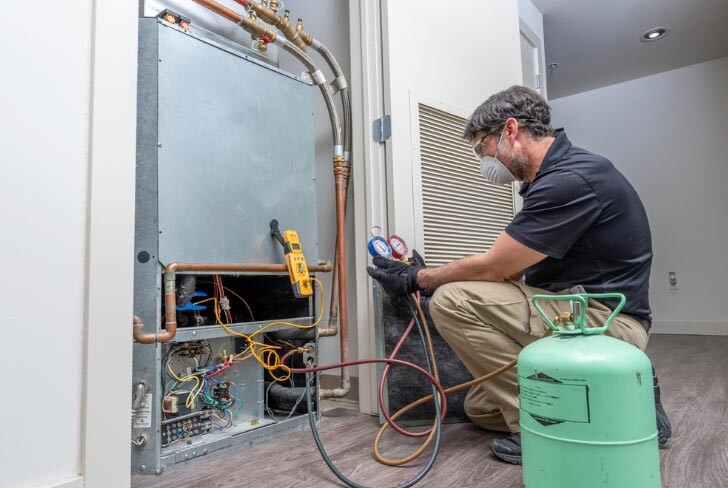
Do you notice any unusual noises, flickering lights, or sudden shutoffs? These could be signs of electrical or mechanical issues that are not only frustrating but potentially hazardous. Attempting to fix these without the proper knowledge or tools can be risky.
Think about it—would you want to mess with the electrical systems of an appliance that can store hundreds of dollars worth of groceries? Probably not. Calling in a professional can save you from costly errors and ensure your fridge operates safely and efficiently.
Compressor Problems
The compressor is the heart of your fridge, and if it fails, the entire system can be compromised. If your refrigerator is running non-stop and you've ruled out simpler fixes, the compressor might be the culprit. It's a complex component that requires specialized knowledge to repair or replace.
Imagine the peace of mind knowing that your refrigerator is in the hands of someone who knows exactly what they're doing. A professional can diagnose compressor issues accurately and ensure your fridge is back to optimal performance.
Ultimately, knowing when to call a professional can save you time, money, and stress. Next time your refrigerator seems to have a mind of its own, assess the situation carefully and make the call if needed. Your future self—and your electricity bill—will thank you.
Preventive Tips For Efficient Running
Keeping your refrigerator running efficiently saves energy and extends its life. Simple habits help avoid constant running and reduce electricity bills. Follow these easy preventive tips to maintain your fridge’s performance.
Regular Cleaning Schedule
Clean the condenser coils every three to six months. Dust and dirt block airflow, making the fridge work harder. Wipe the door seals with warm, soapy water to keep them tight. Remove old food and spills inside to maintain airflow and hygiene.
Avoid Frequent Door Opening
Opening the door often lets warm air inside. This forces the fridge to cool down repeatedly. Plan what you need before opening the door. Keep the door open as little as possible to save energy.
Keep Temperature Stable
Set the fridge temperature between 37°F and 40°F (3°C to 4°C). The freezer should be around 0°F (-18°C). Avoid changing settings too often. Stable temperatures help the fridge run less and keep food fresh.
Proper Placement Of Refrigerator
Place the fridge away from heat sources like ovens and direct sunlight. Leave space around the fridge for good air circulation. Avoid placing it in damp or very cold areas. Proper placement helps the fridge cool efficiently without extra effort.

Credit: midamericaappliancerepair.com
Frequently Asked Questions
Why Is My Refrigerator Running Nonstop?
Your refrigerator may run nonstop due to a faulty door seal, dirty condenser coils, or temperature settings. These issues cause the compressor to work harder to maintain coolness, leading to continuous running and higher energy usage.
Can A Running Fridge Increase My Electricity Bill?
Yes, a constantly running fridge consumes more electricity, raising your energy bill. Fixing leaks, cleaning coils, and setting optimal temperatures can reduce power usage and save money.
How Do I Fix A Refrigerator That Always Runs?
Check door seals for gaps, clean condenser coils, and adjust temperature settings. If the problem persists, call a professional technician for inspection and repair to prevent further damage.
Does The Fridge Location Affect Running Time?
Yes, placing your fridge near heat sources or in direct sunlight makes it work harder. Ensure proper ventilation and avoid hot areas to reduce continuous running.
Conclusion
A refrigerator that always runs can waste energy and raise bills. Check door seals, clean coils, and avoid overfilling. Small fixes often stop constant running. Regular care helps your fridge work better and last longer. Stay alert to unusual noises or warm spots inside.
A well-running fridge keeps food fresh and saves money. Don’t ignore signs of trouble to avoid bigger problems. Simple steps make a big difference in fridge performance. Your fridge should cool efficiently, not run nonstop. Take action to keep it healthy and quiet.