Is your fridge and freezer not getting cold like they used to? You rely on them every day to keep your food fresh and safe, so when they stop working properly, it’s frustrating and stressful.
You might be wondering if it’s a quick fix or something more serious. Don’t worry—you’re not alone, and there are clear reasons why this happens. Keep reading to discover the common causes and easy solutions that can help you get your fridge and freezer cooling again fast.
Your food—and your peace of mind—depend on it.

Credit: www.kitchenaid.com
Common Causes Of Fridge And Freezer Issues
When your fridge or freezer stops getting cold, it can be frustrating and confusing. Understanding the common causes behind these issues can help you troubleshoot effectively or decide when to call a professional. Let’s look at some typical reasons your cooling appliance might be underperforming.
Power Supply Problems
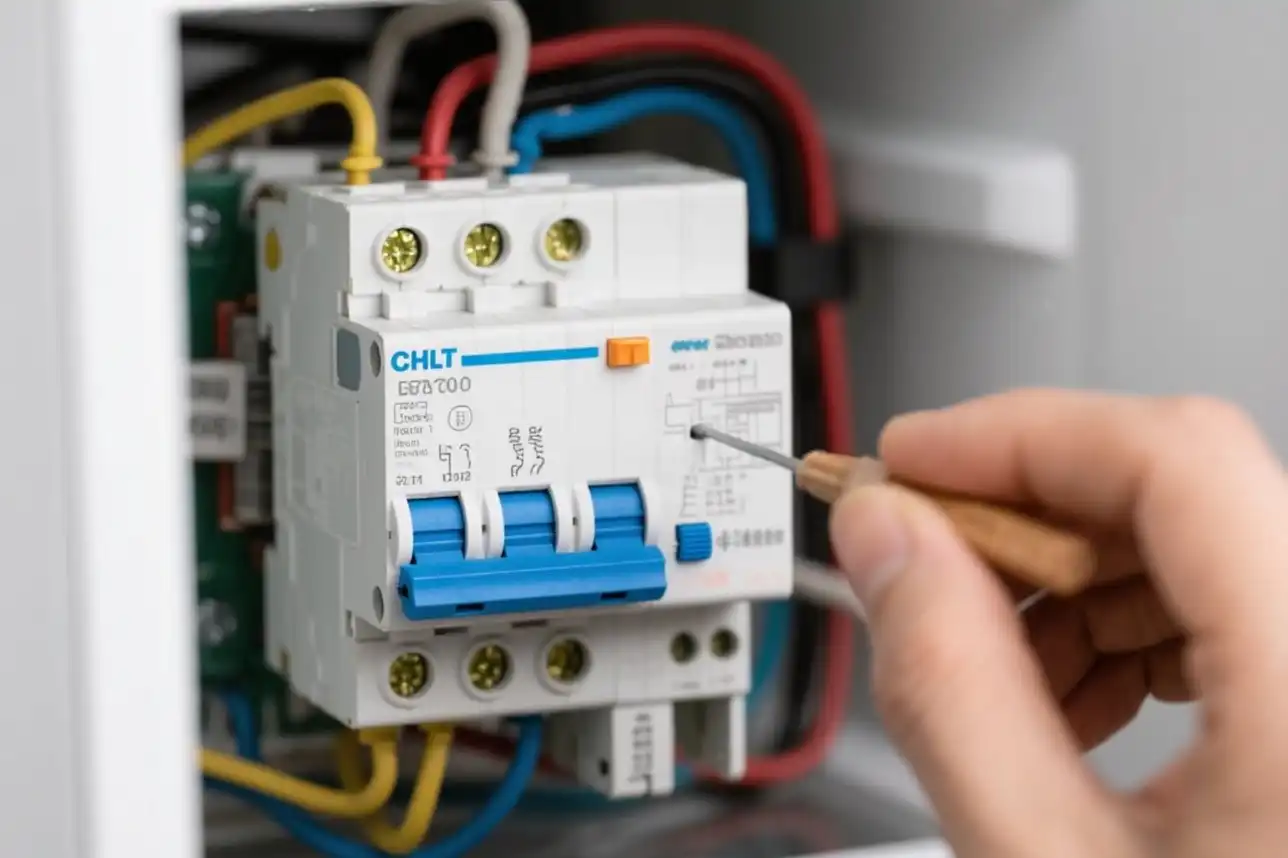
Is your fridge plugged in properly? Sometimes the simplest issues cause the biggest headaches. A loose plug, tripped circuit breaker, or faulty outlet can cut power to your fridge or freezer, stopping it from cooling.
Check if the appliance is receiving electricity by testing the outlet with another device. Also, inspect the power cord for any visible damage. You might be surprised how often power supply problems are the root cause.
Thermostat Malfunctions
Your fridge’s thermostat controls the temperature inside. If it’s broken or set incorrectly, the fridge won’t cool as it should. You might feel the fridge is warm even if the compressor is running.
Try adjusting the thermostat to a colder setting and see if the temperature drops. If that doesn’t help, the thermostat sensor might need replacement. Ever noticed your fridge stays warm no matter what? This is a common thermostat issue.
Blocked Vents And Airflow
Proper airflow is crucial for cooling. If vents inside your fridge or freezer are blocked by food items or frost buildup, cold air won’t circulate efficiently. This can cause uneven temperatures and warm spots.
Take a quick look inside and rearrange items to keep vents clear. Defrost the freezer if you see ice buildup. Keeping air moving freely inside is a simple fix that often restores cooling.
Refrigerant Leaks
Refrigerant is the fluid that absorbs heat inside your fridge. If there’s a leak, the cooling process weakens or stops entirely. Unfortunately, you can’t fix refrigerant leaks yourself—it’s a job for a certified technician.
Signs of a refrigerant leak include warm temperatures and hissing sounds. If you suspect this, acting fast can prevent further damage. Have you ever wondered why your fridge suddenly loses its chill without warning?
Faulty Compressors
The compressor pumps refrigerant through the system. When it fails, your fridge won’t cool at all. Compressors can wear out over time or fail due to electrical issues.
If your fridge is making strange noises or runs constantly without cooling, the compressor might be the culprit. Repairing or replacing a compressor is costly but necessary for restoring proper function.
Simple Fixes To Try At Home
If your fridge and freezer are not getting cold, there are several simple fixes you can try at home before calling a technician. These troubleshooting steps often solve common issues quickly and save you time and money. Let’s look at some practical ways to get your appliance cooling properly again.
Checking The Power Connection
First, make sure your fridge and freezer are properly plugged in. Sometimes the plug can come loose or the outlet might not be working. Try plugging in another device to check if the power source is active.
Also, inspect the power cord for any visible damage. A damaged cord can prevent your fridge from receiving electricity and cause cooling problems.
Adjusting The Thermostat Settings
Your fridge and freezer have thermostat controls to set the temperature. Double-check that these settings haven’t been accidentally changed or turned off. Sometimes, a simple adjustment can restore proper cooling.
Try setting the thermostat to a colder temperature and wait several hours to see if the fridge starts cooling effectively. If it does, the issue may have been a misadjusted control.
Ensuring Proper Ventilation
Proper airflow around your fridge is essential for it to cool well. Check that there’s enough space between the appliance and the wall to allow air circulation. Crowding the fridge with boxes or furniture can block vents and cause overheating.
Ask yourself: Is your fridge placed in a tight corner or near a heat source? Moving it away from direct sunlight or ovens can help it maintain a cooler temperature.
Cleaning Condenser Coils
Dust and dirt on condenser coils reduce cooling efficiency. These coils are usually located at the back or underneath your fridge. Use a vacuum cleaner or a coil brush to gently remove any debris.
Clean coils improve heat exchange and help your fridge run smoothly. If you’ve never cleaned them before, you might be surprised how much difference it makes.
Defrosting The Freezer
Ice buildup in the freezer can block airflow and cause the fridge to stop cooling properly. Check if there is a thick layer of frost on the walls or shelves. If so, defrost the freezer by turning it off and letting the ice melt naturally.
Be sure to place towels to catch the water and avoid damage to your floor. Once defrosted, restart the freezer and watch for improved cooling performance.
When To Seek Professional Help
Knowing when to call a professional for your fridge and freezer saves time and money. Some problems need expert care to avoid further damage. Early help can stop food spoilage and keep your appliance running well.
Identifying Persistent Problems
Check if your fridge or freezer stays warm despite basic fixes. Strange noises or frost buildup often mean deeper issues. If the appliance runs constantly or fails to cool evenly, it needs a specialist. Temporary fixes may not solve electrical or compressor problems.
Understanding Repair Costs
Repair costs vary by the problem's complexity and part prices. Simple fixes like thermostat replacement cost less than compressor repairs. Asking for a cost estimate before work helps avoid surprises. Sometimes, repair costs near a new unit’s price, so consider replacement.
Choosing A Reliable Technician
Look for certified and experienced technicians with good reviews. Verify their knowledge about your fridge and freezer brand. A trustworthy technician explains the problem and repair steps clearly. Quick response and warranty on repairs add value.
Credit: www.searspartsdirect.com
Preventive Maintenance Tips
Keeping your fridge and freezer cold depends a lot on how well you care for them. Preventive maintenance helps avoid problems before they start. Small, regular actions keep your appliance running smoothly and cool.
Regular Cleaning Routine
Clean the fridge and freezer inside and out often. Remove old food and spills quickly. Wipe shelves and drawers with mild soap and water. Dust coils and vents gently to improve airflow. A clean appliance cools better and lasts longer.
Temperature Monitoring
Check the temperature settings regularly. Keep the fridge between 37°F and 40°F (3°C to 4°C). The freezer should stay at 0°F (-18°C). Use a thermometer to confirm the temperature inside. Adjust settings if the fridge or freezer feels too warm or too cold.
Avoiding Overloading
Don’t pack the fridge or freezer too full. Air must move freely to keep things cold. Overloading blocks air vents and reduces cooling power. Leave space between items for better circulation. Organize food to prevent overcrowding and improve efficiency.

Credit: alphatekappliance.com
Frequently Asked Questions
Why Is My Fridge Not Cooling But Freezer Is Cold?
This often happens due to a blocked air vent. Cold air from the freezer can't circulate properly into the fridge. Check and clear any obstructions in the vents to restore cooling balance.
What Causes Both Fridge And Freezer To Stop Cooling?
Common causes include a faulty compressor, broken thermostat, or dirty condenser coils. These issues prevent the cooling cycle from working efficiently. Professional diagnosis is recommended for accurate repair.
How Do I Fix A Fridge That’s Not Getting Cold?
Start by cleaning condenser coils and checking door seals. Ensure vents are clear and thermostat is set correctly. If problems persist, call a qualified technician for further inspection.
Can A Dirty Condenser Coil Affect Fridge Cooling?
Yes, dirty coils reduce heat dissipation, causing poor cooling. Cleaning coils regularly improves efficiency and cooling performance, saving energy and prolonging fridge life.
Conclusion
A fridge or freezer not cooling causes many problems. Check the door seal and clean the coils. Make sure the thermostat is set correctly. Sometimes, a simple reset helps fix the issue. If problems persist, call a professional for help.
Keeping your appliance cold saves food and money. Act quickly to avoid spoilage and waste. Small steps can restore your fridge’s cooling power. Don’t ignore warning signs; prompt action matters. Stay alert and keep your fridge working well.