Is your freezer suddenly making strange noises that you can’t ignore? You might be wondering if it’s something serious or just a normal sound.
Those unexpected sounds can be annoying and even worrying. But don’t panic—understanding why your freezer is making noise can help you fix the problem quickly and avoid costly repairs. Keep reading to discover the common reasons behind those noises and what you can do to stop them.
Your freezer—and your peace of mind—will thank you.

Credit: appliance-repairscentre.co.za
Common Freezer Noises
Freezers often make noises that can be puzzling or even alarming. Understanding these common sounds helps you decide when to act or call a professional. Let’s dive into the typical noises your freezer might make and what they usually mean.
Clicking And Popping Sounds
Clicking noises often come from the thermostat or the defrost timer switching on and off. These clicks are usually normal but can become frequent if the thermostat is malfunctioning. Popping sounds happen when the metal parts expand or contract as the temperature changes inside the freezer.
If you notice clicking every few seconds or loud popping, it might be worth checking the defrost system or door seals. Have you ever heard your freezer clicking right after you close the door?
Buzzing And Humming
A steady buzzing or humming usually comes from the compressor or the evaporator fan. These sounds indicate that the freezer is running and cooling properly. However, if the buzzing gets louder or constant, it might signal a struggling compressor or blocked fan.
Try cleaning the coils and vents to see if the noise decreases. Do you keep your freezer well-ventilated to prevent these issues?
Rattling And Vibrations
Rattling often happens if the freezer isn’t level or if something inside is loose. Vibrations may also come from the compressor or from the unit touching the wall or cabinets. Sometimes, just adjusting the feet or rearranging items inside can stop these noises.
Have you checked if your freezer is sitting flat and stable? Small shifts can cause annoying rattles that are easy to fix.
Whirring And Squealing
Whirring sounds come from fans spinning inside the freezer. If the fan motor is dirty or worn out, you might hear a high-pitched squeal. This noise can get worse over time and may affect cooling efficiency.
Cleaning the fan blades or replacing the motor might be necessary if you hear these sounds often. Are you comfortable opening your freezer to inspect the fan, or would you prefer a technician?
Causes Behind Noisy Freezers
Noisy freezers disrupt peace and hint at underlying issues. Understanding noise causes helps fix problems early. Each sound may point to a specific fault inside the freezer. Identifying these issues prevents bigger damage and costly repairs.
Faulty Evaporator Fan
The evaporator fan moves cold air inside the freezer. If the fan blades get damaged or blocked, noise occurs. A faulty motor can also cause loud humming or rattling sounds. Dust and ice can stop the fan from spinning smoothly.
Condenser Fan Issues
The condenser fan cools the compressor and condenser coils. Dirt buildup or worn motor bearings create buzzing or grinding noises. Loose fan blades can hit other parts, making clattering sounds. Proper cleaning keeps the fan working quietly.
Ice Buildup Problems
Ice buildup blocks air vents and fan blades. This causes loud knocking or buzzing noises. Frost on coils makes the freezer work harder and louder. Regular defrosting prevents thick ice layers and reduces noise.
Compressor Malfunctions
The compressor pumps refrigerant and runs the cooling cycle. A failing compressor can produce loud clicking, humming, or buzzing sounds. Overheating or electrical issues inside the compressor also cause noise. Early repair can save the whole freezer.
Loose Or Worn Parts
Vibrations from loose screws or worn components cause rattling sounds. Panels or shelves that are not secured amplify noise. Worn belts or motors add squeaking or grinding noises. Tightening parts and replacing worn items reduce noise levels.
Easy Noise Fixes
Dealing with a noisy freezer can be frustrating, but many common sounds have simple fixes you can try yourself. These easy noise fixes often require just a little attention and some basic tools.
Before calling a technician, consider checking a few key areas. You might be surprised how quiet your freezer becomes after just a few quick adjustments.
Cleaning Fans And Coils
Dust and debris can collect on your freezer’s fan blades and coils, causing unusual noises. Use a soft brush or vacuum cleaner to gently clean these parts.
Turn off the freezer first to avoid injury or damage. A clean fan and coils help the freezer run smoothly and quietly.
Removing Ice Buildup
Ice buildup can block fan blades or other moving parts, creating a rattling or buzzing sound. Defrost your freezer by unplugging it and leaving the door open for a few hours.
Once the ice melts, wipe away any excess water. This simple step often stops the freezer from making weird noises.
Tightening Loose Components
Loose screws or panels can cause rattling sounds. Check the back and inside of your freezer for any parts that might have loosened over time.
Use a screwdriver to tighten screws and secure panels. Even a small adjustment can reduce annoying noises.
Leveling The Freezer
If your freezer isn’t level, it can vibrate and make noise. Use a spirit level to check if your freezer sits evenly on the floor.
Adjust the feet or add shims under the freezer to stabilize it. You’ll notice less vibration and a quieter appliance.
Resetting The Freezer
Sometimes, your freezer just needs a quick reset to stop strange noises. Unplug it for about 10 minutes, then plug it back in.
This can reboot the system and clear minor glitches causing noise. Have you tried this simple fix before calling for help?
When To Call A Professional
Freezers are essential in many homes. They keep food fresh and safe. But sometimes, they make strange noises. These noises might worry you. Some issues are easy to fix. Others need a professional's touch. When should you call an expert? Let's explore the signs.
Persistent Noise After Fixes
You tried basic fixes, but the noise remains. This could mean a deeper problem. A professional can diagnose and fix it. Ignoring it might lead to bigger issues.
Signs Of Compressor Trouble
The compressor is the freezer's heart. Loud humming or clicking sounds may signal trouble. A professional should inspect it. They can determine if it needs repair or replacement.
Electrical Issues
Flickering lights or power trips indicate electrical faults. This can be dangerous. A professional electrician can safely handle these issues. Don't attempt these fixes alone.
Warranty And Service Options
Your freezer might still be under warranty. Check your warranty terms. Free or discounted service might be available. This can save you money and stress.
Preventing Future Noise
Preventing future noise from your freezer is not just about comfort; it helps extend the life of your appliance. Small changes in how you maintain and use your freezer can make a big difference. Let’s look at practical ways you can reduce or stop those annoying sounds before they start.
Regular Maintenance Tips
Clean the coils behind or beneath your freezer every few months. Dust buildup forces the compressor to work harder, which can cause louder noises.
Check the door seals regularly for cracks or gaps. A poor seal makes the freezer work overtime, leading to unusual sounds.
Defrost your freezer if you notice ice buildup. Thick frost can block vents and cause the fan to strain and produce noise.
Proper Loading And Placement
Don’t overload your freezer. Overstuffing blocks air vents and makes the compressor run longer, creating extra noise.
Place your freezer on a flat, stable surface. Uneven floors cause vibrations that amplify sounds.
Keep a few inches of space around the freezer for proper ventilation. Crowding it against walls or cabinets can cause the motor to heat up and work noisily.
Temperature Settings
Set the freezer temperature between -18°C and -15°C (0°F to 5°F). Too cold makes the compressor cycle frequently, adding to noise.
Adjust the thermostat gradually if you notice excessive noise after temperature changes. Sometimes the freezer just needs time to stabilize.
Using Noise Dampening Pads
Place rubber or foam pads under your freezer’s feet. These pads absorb vibrations and reduce rattling sounds.
You can find these pads at hardware stores or online. They are inexpensive and easy to install, making a noticeable difference.
Have you tried any of these tips before? Sometimes a small tweak can silence your freezer completely.
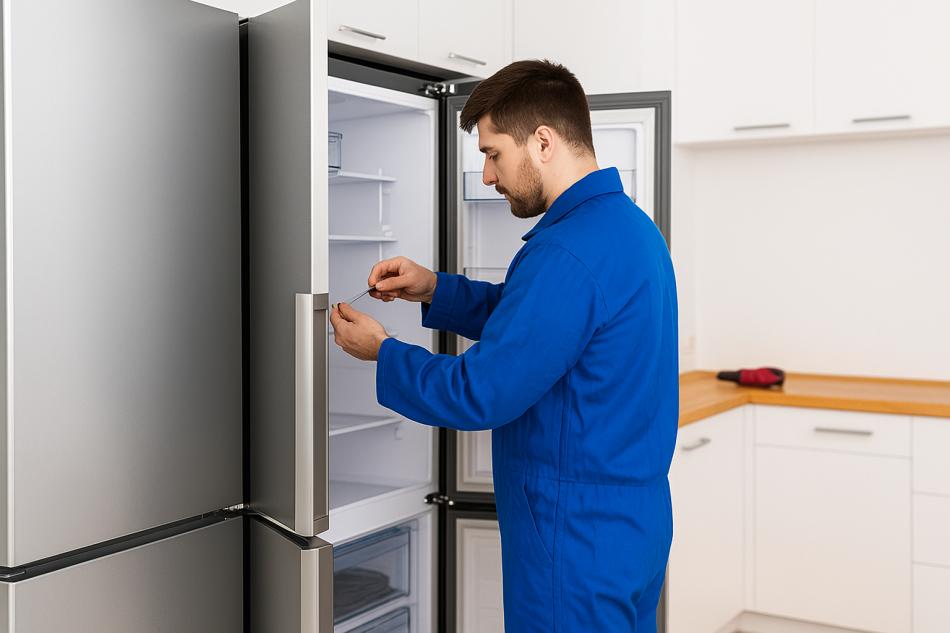
Credit: highcityappliance.com

Credit: www.reddit.com
Frequently Asked Questions
Why Is My Freezer Making A Loud Humming Noise?
A loud humming noise usually means the compressor or fan motor is working hard. It can indicate normal operation or a blockage. Check for ice buildup or debris near the fan. If the noise persists, the compressor might be faulty and need inspection.
What Causes My Freezer To Make Clicking Sounds?
Clicking sounds often come from the start relay trying to power the compressor. This can happen if the compressor is overheating or failing. It may also indicate electrical issues. If clicking continues, it’s best to have a technician diagnose the problem.
Why Does My Freezer Make A Buzzing Noise Sometimes?
Buzzing noises commonly come from the evaporator fan or the defrost timer. The fan circulates cold air, and the timer controls defrost cycles. If buzzing is loud or constant, parts may be dirty or worn out, needing cleaning or replacement.
Can A Noisy Freezer Affect Its Cooling Efficiency?
Yes, noise can indicate mechanical issues that reduce cooling performance. A faulty fan or compressor struggles to maintain the right temperature. Addressing the noise early helps prevent food spoilage and higher energy costs.
Conclusion
A noisy freezer can feel annoying and confusing. Often, the sounds come from normal parts working hard. Sometimes, dirt or ice causes extra noise. Checking the fan and coils helps find the problem. Cleaning or adjusting parts can stop the sound.
If noise stays loud, a technician might need to help. Knowing why your freezer makes noise saves worry and hassle. Keep your freezer clean and well-maintained for quiet operation. Small steps can make a big difference in noise control.