Are you frustrated because your dishwasher isn’t getting your dishes as clean as you expected? You load it up, start the cycle, and still find spots, food bits, or greasy residue left behind.
It’s annoying, time-consuming, and makes you wonder if the machine is even worth using. But don’t give up just yet. Understanding why your dishwasher isn’t doing its job properly can save you money and hassle. You’ll discover simple reasons behind the problem and easy fixes that will have your dishes sparkling again.
Keep reading to find out what might be holding your dishwasher back from delivering the clean results you deserve.

Credit: www.dtappliance.com
Common Causes Of Poor Cleaning
When your dishwasher leaves dishes dirty, it’s frustrating and confusing. Understanding the common reasons behind poor cleaning can help you fix the problem quickly. Let’s look at some everyday issues that might be stopping your dishwasher from doing its job well.
Clogged Spray Arms
Spray arms are crucial for spreading water evenly during a wash cycle. If they get clogged with food particles or hard water deposits, water won’t reach all your dishes properly. Check for blocked holes and clean them with a toothpick or soak the arms in vinegar to remove buildup.
Dirty Filter
Your dishwasher’s filter traps food scraps to prevent them from recirculating. If it’s dirty or clogged, water flow slows down, and dishes don’t get cleaned well. Make it a habit to remove and rinse the filter regularly; it only takes a few minutes but makes a huge difference.
Incorrect Loading
Loading dishes incorrectly can block water jets or prevent detergent from reaching every surface. Avoid overcrowding, and make sure plates and bowls face the spray arms. Have you noticed your dishwasher struggles more when you pack it tightly? Try rearranging and see if cleaning improves.
Low Water Temperature
Dishwashers need hot water—ideally between 120°F and 150°F—to dissolve grease and activate detergent. If your water heater is set too low, your dishes might come out greasy or spotted. Test your water temperature and adjust your heater if necessary to boost cleaning power.
Using The Wrong Detergent
Not all detergents work the same in every dishwasher or water type. Using too little detergent, or one not designed for your water hardness, can leave residues behind. Check your detergent label and experiment with different brands or formulas to find what works best for your machine and water.
Quick Fixes To Improve Cleaning
Sometimes, your dishwasher might not clean dishes properly even though it seems to be working fine. Before calling a repair service, try these quick fixes to boost its cleaning power. These simple actions can save you time, money, and the frustration of dealing with dirty dishes.
Clean Spray Arms And Filter
Clogged spray arms block water flow, reducing cleaning efficiency. Remove the spray arms and rinse them under running water, using a toothpick to clear out tiny holes if needed.
Don’t forget the filter—food debris and grease can accumulate and prevent water from circulating well. Clean the filter regularly to keep water flowing freely and your dishes sparkling.
Adjust Loading Techniques
Are you overcrowding your dishwasher? Overloading blocks water jets from reaching all surfaces.
Place larger items on the sides and back, not in the middle. Make sure plates and bowls face the spray arms so water can reach every corner.
Increase Water Temperature
Is your water too cold to dissolve grease and food residue? Check your water heater settings and aim for around 120°F (49°C) for optimal cleaning.
Run the hot water at your sink before starting the dishwasher to ensure it fills with hot water right away. This small step can make a big difference.
Switch Detergents
Not all detergents are created equal. If your current brand isn’t cutting it, try a different one that’s known for tackling tough stains.
Powder, gel, and pods all have pros and cons—experiment to find what works best for your water type and dishwasher model.
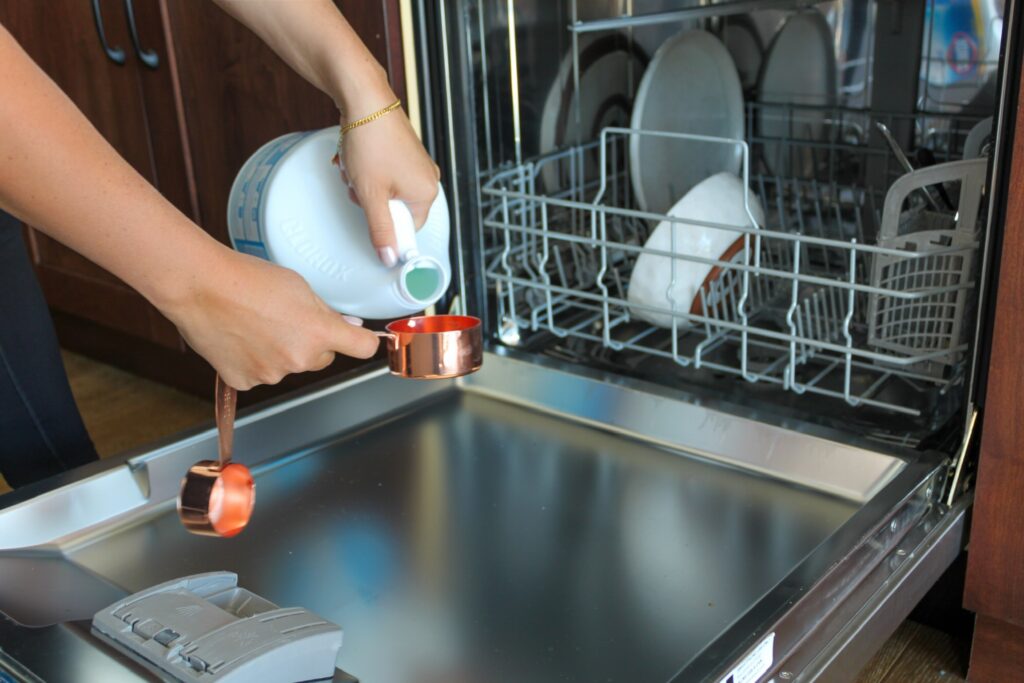
Run A Cleaning Cycle
Dishwashers can get grimy inside, affecting performance. Use a dishwasher cleaner or run an empty cycle with vinegar to remove buildup and odors.
Regular internal cleaning helps maintain your dishwasher’s efficiency and prolongs its life. How long has it been since you gave your dishwasher a good scrub?
When To Check Dishwasher Settings
Dishwashers have different settings to clean dishes properly. Checking these settings can solve many cleaning problems. Settings control water temperature, cycle length, and detergent use. Sometimes, wrong settings cause dishes to come out dirty or spotted. Understanding which settings to check helps improve cleaning results quickly.
Select Proper Wash Cycle
Choosing the right wash cycle is key to clean dishes. Light cycles may not remove tough food residue. Heavy or pots and pans cycles use more water and heat. Use delicate cycles only for fragile items. Match the cycle to the type and soil level of your dishes. This ensures better cleaning and saves energy.
Use Rinse Aid
Rinse aid helps dishes dry without spots or streaks. It reduces water droplets that leave marks on glassware. Check if your dishwasher dispenser has rinse aid. Fill it regularly to maintain shiny dishes. Rinse aid improves water flow and prevents residue buildup.
Adjust Water Softener
Hard water affects dishwasher cleaning power. Minerals in hard water cause spots and film on dishes. Many dishwashers have built-in water softeners. Adjust this setting based on your local water hardness. Proper adjustment prevents mineral buildup and improves cleaning results.
Credit: www.housework.com
Maintenance Tips For Better Performance
Dirty filters and clogged spray arms often cause poor dishwasher cleaning. Regularly cleaning these parts helps dishes come out spotless. Checking water temperature and using the right detergent also improve dishwasher performance.
If your dishwasher isn't getting your dishes as clean as you'd like, it might be time to look at some simple maintenance tips. Regular upkeep can significantly enhance your dishwasher's performance. Let’s explore some practical steps you can take to ensure your dishwasher works efficiently and keeps your dishes sparkling.
Regular Cleaning Schedule
Keeping a regular cleaning schedule can make all the difference. Dishwashers can accumulate food particles, soap scum, and hard water deposits over time. Aim to clean the filter, spray arms, and the interior of your dishwasher once a month. You might be surprised at how much better your dishwasher performs with this simple routine.
Inspect And Replace Parts
Over time, certain parts of your dishwasher may wear out or become less effective. Regularly inspect the spray arms, gaskets, and filters. If you notice any signs of wear or damage, replace them promptly. A small investment in new parts can save you from the frustration of poorly cleaned dishes.
Avoid Overloading
Are you guilty of squeezing in just one more plate? Overloading your dishwasher can block the spray arms and prevent water from reaching all your dishes. Ensure there's enough space between items to allow water and detergent to circulate effectively. Your dishes will come out cleaner, and you'll avoid unnecessary re-washing.
Use Dishwasher-safe Items
Not all kitchenware is meant for the dishwasher. Using dishwasher-safe items ensures they withstand the cleaning cycle without damage. Double-check the labels on your dishes and utensils. This simple step can prevent wear and tear on your items and avoid residues that can affect other dishes. With these practical tips, you'll enjoy cleaner dishes and a more efficient dishwasher. Take a moment to consider which maintenance tip you’ll start with today.
When To Call A Professional
Knowing when to call a professional for your dishwasher can save you time, money, and frustration. Some issues go beyond simple fixes and require expert diagnosis and repair. Ignoring serious problems might worsen the damage or even risk your safety.
Persistent Cleaning Issues
If you've tried all the usual tricks—cleaning filters, checking spray arms, and using the right detergent—but your dishes still come out dirty, it’s time to get help. Persistent cleaning problems often signal deeper issues like blocked water lines or malfunctioning pumps. Professionals have tools and knowledge to pinpoint and solve these hidden problems quickly.
Unusual Noises Or Leaks
Strange sounds like grinding, banging, or squealing during a cycle shouldn’t be ignored. These noises might mean something inside the dishwasher is loose or broken. Similarly, leaks under or around your dishwasher can cause water damage to your floors and cabinets. Calling a technician early can prevent costly repairs and keep your home safe.
Electrical Or Mechanical Problems
If your dishwasher won’t start, stops mid-cycle, or shows error codes, electrical or mechanical faults could be the cause. These problems are often complex and can involve wiring, the control board, or motor issues. Trying to fix these yourself can be risky, so professional service ensures the problem is handled safely and correctly.

Credit: www.dtappliance.com
Frequently Asked Questions
Why Is My Dishwasher Not Cleaning Dishes Properly?
A dishwasher may fail to clean dishes due to clogged spray arms, blocked filters, or improper loading. Also, using the wrong detergent or low water temperature can reduce cleaning efficiency. Regular maintenance and correct use can improve cleaning results.
How Does Water Temperature Affect Dishwasher Cleaning?
Water temperature below 120°F can prevent effective cleaning. Hot water helps dissolve grease and activates detergent. Ensure your water heater is set correctly and run hot water before starting the dishwasher for optimal performance.
Can Detergent Type Impact Dishwasher Cleaning Results?
Yes, using the wrong detergent or expired detergent can reduce cleaning power. Choose a high-quality detergent designed for your dishwasher type. Avoid using regular dish soap, which causes excessive suds and poor cleaning.
How Often Should I Clean Dishwasher Filters?
Dishwasher filters should be cleaned monthly to prevent food buildup. Clogged filters block water flow, causing dirty dishes. Removing and rinsing filters under running water ensures better washing performance.
Conclusion
A dishwasher that doesn’t clean well can be frustrating. Check for clogged spray arms and filter blockages. Use the right detergent and avoid overloading the machine. Regularly clean your dishwasher to keep it working well. Small fixes often solve big problems.
Clean dishes make mealtime better and healthier. Keep your dishwasher in good shape for best results. Simple steps can bring back sparkling dishes every time.