Have you ever taken a sip of coffee from your own coffee maker, only to be hit with a sharp, bitter taste that ruins your morning? You’re not alone.
Bitter coffee can be frustrating, especially when you expect a smooth, rich flavor. But why does this happen? The answer might surprise you. If you want to enjoy your coffee the way it’s meant to be—full of aroma and balanced taste—keep reading.
We’ll uncover the common reasons behind bitter coffee and show you simple fixes that can transform your daily brew. Your perfect cup is just a few steps away.
Common Causes Of Bitter Coffee
Bitter coffee is a common frustration for many who rely on their coffee maker for a perfect cup. Understanding why your coffee tastes bitter can help you adjust your process and enjoy every sip. Let’s look at some typical reasons behind that harsh flavor and how you can fix them.
Using Old Or Poor Quality Beans
Old coffee beans lose their freshness and develop a stale, bitter taste. If your beans have been sitting in a cupboard for months, they might be the culprit. Always check the roast date and try to buy beans from a reputable source that you can trust.
Poor quality beans can also cause bitterness. Beans that are underripe or over-roasted often have harsh flavors. You might want to experiment with different brands or blends until you find one that suits your taste.
Incorrect Coffee-to-water Ratio
Using too much coffee for the amount of water can lead to a bitter cup. Have you ever scooped a lot of grounds but only added a little water? That concentration intensifies bitterness.
On the other hand, too little coffee can make the brew weak but sometimes still bitter if the extraction is off. Aim for about 1 to 2 tablespoons of coffee per 6 ounces of water and adjust from there based on your taste.
Water Temperature Issues
The temperature of your water plays a big role in taste. If the water is too hot—above 205°F—it can extract bitter compounds from the coffee. Conversely, water that’s too cool won’t extract enough flavor, leaving your coffee flat.
Most coffee makers heat water to the right temperature, but if yours doesn’t, consider preheating the water or using a thermometer. This small step can make a noticeable difference in reducing bitterness.
Over-extraction During Brewing
Over-extraction happens when water stays in contact with coffee grounds too long, pulling out bitter flavors. This can occur if the grind is too fine or the brewing time is too long.
Have you noticed a bitter aftertaste with your brew? Try adjusting the grind to be coarser or shortening the brew time. This helps balance extraction and brings out smoother flavors.

How Coffee Maker Settings Affect Taste
Coffee maker settings play a big role in the taste of your coffee. Small changes can make your coffee bitter or smooth. Understanding these settings helps you make better coffee.
Grind Size And Consistency
The grind size affects how water passes through coffee grounds. Fine grinds make water stay longer, causing bitterness. Coarse grinds let water flow quickly, making weak coffee. Consistent grind size ensures even extraction, avoiding bitter spots.
Brewing Time And Strength Settings
Longer brewing time extracts more flavors but can create bitterness. Short brewing time may leave coffee under-extracted and sour. Strength settings control coffee concentration. Too strong makes coffee harsh; too weak tastes bland.
Filter Type And Cleanliness
Paper, metal, or cloth filters change coffee taste. Paper filters remove oils, giving cleaner flavor. Metal filters allow more oils, which can add bitterness. Dirty filters hold old coffee oils, increasing bitter taste. Clean filters regularly for fresh coffee.
Cleaning Your Coffee Maker
Cleaning your coffee maker is often the key to fixing bitter coffee. Over time, mineral deposits and coffee oils build up inside the machine. These residues change the taste and make your brew unpleasantly bitter.
Descaling To Remove Mineral Buildup
Mineral buildup from hard water clogs your coffee maker’s internal parts. This blockage affects water flow and temperature, leading to over-extraction and bitterness in your coffee.
Use a descaling solution or a mix of vinegar and water to clean your machine. Run the solution through a brewing cycle, then rinse thoroughly with fresh water. Doing this once a month can keep minerals from ruining your coffee’s flavor.
Removing Coffee Oil Residue
Old coffee oils stick to the machine’s brew basket and carafe, turning rancid over time. These oils add an unwanted bitter taste to each cup you make.
Clean the removable parts with warm, soapy water after every use. For stubborn oil buildup, soak the parts in a mix of baking soda and water before scrubbing gently. You’ll notice a big difference in taste when the oils are removed.
Regular Maintenance Tips
- Empty and rinse the filter basket and carafe daily.
- Wipe the machine’s exterior and warming plate to prevent residue buildup.
- Replace water filters if your coffee maker uses them, as old filters can affect taste.
- Keep your coffee grinder clean to avoid old coffee grounds contaminating fresh brews.
How often do you clean your coffee maker? Try setting a reminder to maintain it regularly. Your morning cup will taste fresher and less bitter when your machine is clean.
Quick Fixes To Improve Coffee Flavor
Bitter coffee often comes from over-extraction or old coffee grounds. Cleaning the coffee maker and using fresh beans can help improve flavor quickly. Adjusting the grind size and brewing time also reduces bitterness for a smoother taste.
Quick Fixes to Improve Coffee Flavor Coffee tasting bitter can be frustrating. Fortunately, there are easy ways to improve the flavor. With a few adjustments, you can enjoy a smoother cup.
Adjusting Brew Settings
The right brew settings make a big difference. Start by checking the grind size. A too-fine grind can lead to bitterness. Use a coarser grind for a smoother taste. Also, adjust the water temperature. Ideally, it should be between 195°F and 205°F. Too hot or too cold water affects flavor.
Using Fresh Water And Beans
Fresh water is crucial for good coffee. Use filtered water for the best results. Stale water can alter the taste. Fresh beans are also important. Beans lose flavor over time. Buy small quantities and use them quickly. Check the roast date before purchasing.
Proper Storage Of Coffee Beans
Store beans properly to maintain flavor. Keep them in an airtight container. Avoid light, heat, and moisture. A cool, dark place is ideal. Do not store beans in the fridge or freezer. Temperature changes can affect flavor.
When To Consider Upgrading Your Coffee Maker
Knowing when to upgrade your coffee maker can save you from the frustration of bitter, unpleasant coffee. Your machine’s condition directly affects the taste of your brew. Sometimes, no amount of tweaking the coffee grounds or water quality will fix bitterness if the equipment itself is failing.
Signs Of Equipment Wear
Is your coffee maker leaking or making strange noises? These are clear signs that parts inside the machine may be worn out. Over time, buildup from coffee oils and minerals can clog filters and water lines, causing uneven extraction that leads to bitter coffee.
If your coffee maker takes longer than usual to brew or doesn’t heat water properly, it might be time for an upgrade. Old heating elements lose efficiency, which affects the brewing temperature and ultimately the flavor of your coffee. Have you noticed your coffee tastes bitter even when you use fresh beans and clean the machine regularly? This could signal internal damage or wear.
Benefits Of Advanced Brewing Technology
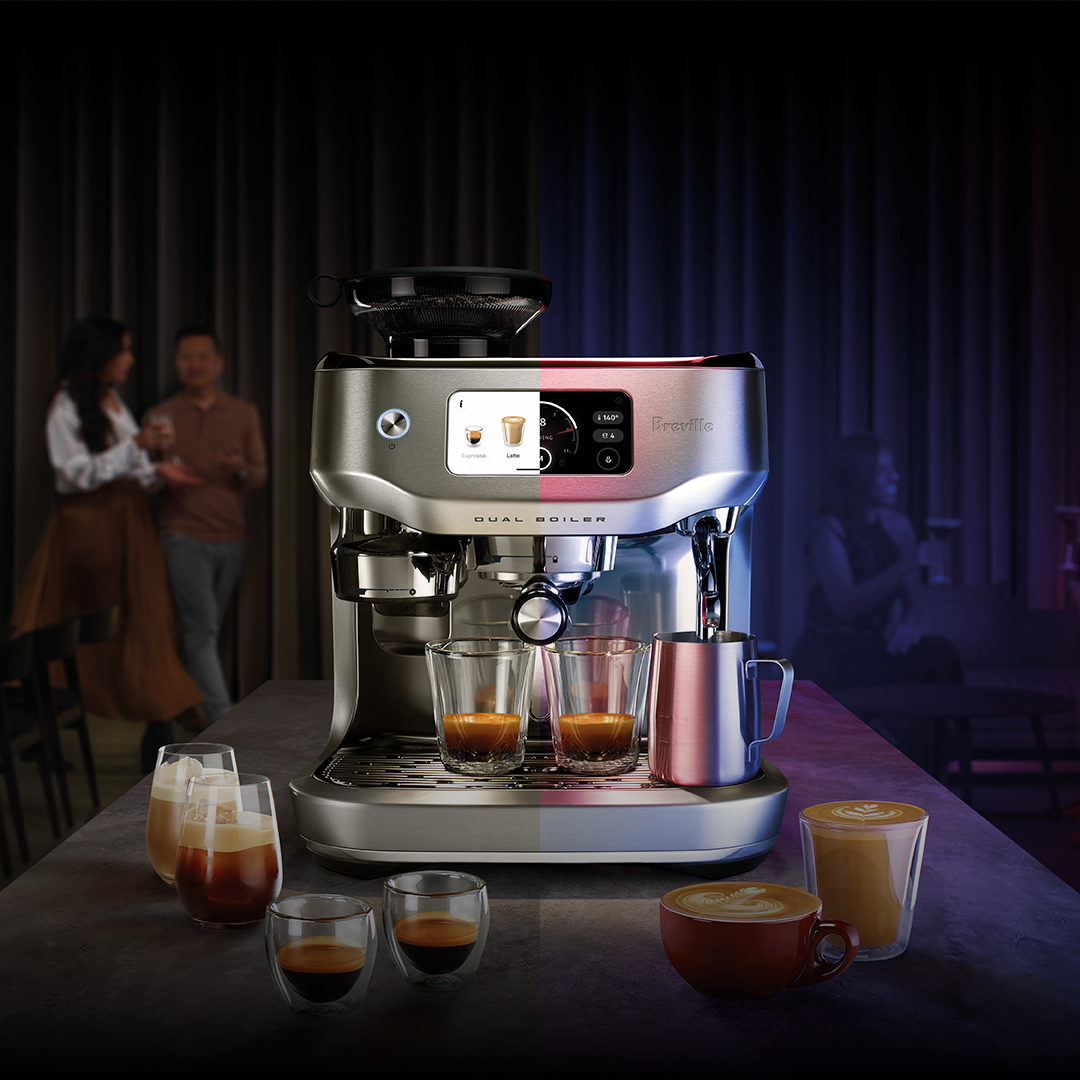
Newer coffee makers use improved brewing technology that extracts coffee more evenly and at the optimal temperature. This means less bitterness and more balanced flavor in every cup. Features like precise temperature control and customizable brew strength allow you to tailor your coffee to your taste.
Modern machines often include self-cleaning functions that help prevent buildup that causes bitterness. Imagine not having to worry about mineral deposits clogging your machine or stale coffee oils affecting your brew. Upgrading gives you access to these conveniences, saving time and improving your coffee experience.
Are you ready to stop battling bitter coffee and start enjoying each cup? Investing in a quality, updated coffee maker might be the simplest solution to get the taste you want.
Frequently Asked Questions
Why Does My Coffee Taste Bitter From The Coffee Maker?
Bitter coffee often results from over-extraction during brewing. Using too fine a grind, too hot water, or brewing too long extracts bitter compounds. Adjust grind size, water temperature, and brew time to reduce bitterness and improve flavor balance.
Can Old Coffee Beans Cause Bitterness?
Yes, stale or old coffee beans lose freshness and develop bitter flavors. Always use freshly roasted beans and store them properly in airtight containers away from light and moisture to maintain flavor and avoid bitterness.
How Does Water Temperature Affect Coffee Bitterness?
Water that’s too hot extracts bitter compounds quickly, making coffee taste harsh. Ideal brewing temperature is between 195°F and 205°F. Using water within this range ensures balanced extraction and smoother coffee without bitterness.
Does Coffee Maker Cleanliness Impact Bitterness?
Yes, dirty coffee makers retain old coffee oils and residue that cause bitterness. Regular cleaning removes buildup and prevents off-flavors. Clean your coffee maker weekly for fresh, pure-tasting coffee every brew.
Conclusion
Bitter coffee can spoil your morning mood. Small changes can make a big difference. Clean your coffee maker often. Use fresh, good quality coffee beans. Adjust the grind size and water temperature. Avoid over-extraction by not brewing too long. Test different methods to find your best taste.
Enjoying smooth coffee is possible with practice. Keep trying until your coffee tastes just right.