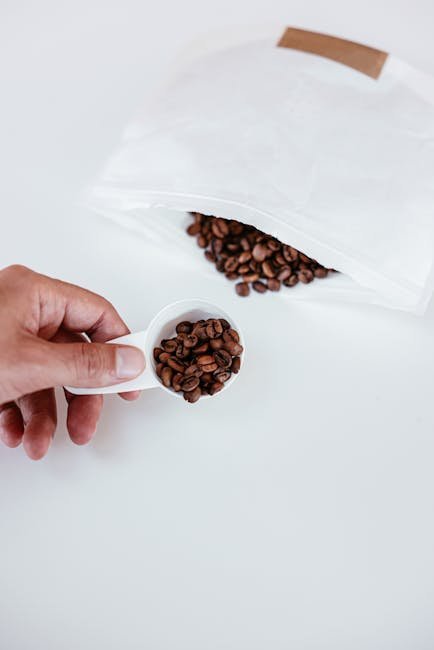
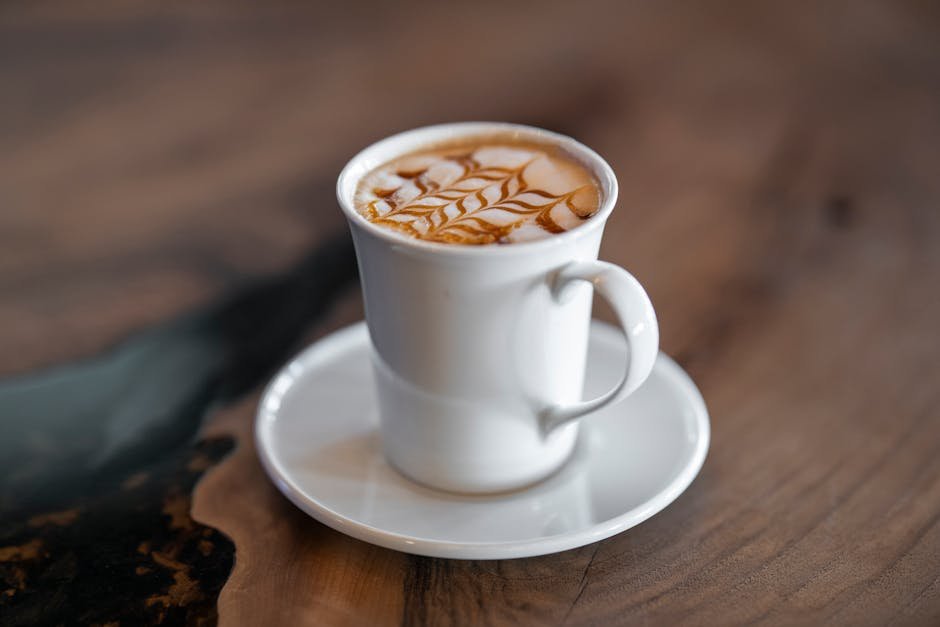
Craving a rich, bold espresso but don’t have an espresso machine? You’re not alone.
Luckily, you can still enjoy that perfect shot of espresso right at home with simple tools you probably already have. Imagine waking up to the intense flavor and aroma of espresso without spending a dime on expensive equipment. Keep reading, and you’ll discover easy, effective ways to brew espresso that will satisfy your coffee cravings and impress your taste buds every time.
Ready to become your own barista? Let’s dive in!
Essentials For Espresso At Home
Making a great espresso without a machine is all about mastering the essentials. You need the right beans, the perfect grind, and the proper tools to bring out the rich flavors you crave. Focusing on these basics helps you craft a satisfying espresso experience right in your kitchen.
Choosing The Right Coffee Beans
The quality of your espresso starts with the beans. Look for beans labeled as espresso roast or those with a medium to dark roast profile. Freshness matters—beans roasted within the last two weeks give the best flavor.
Try single-origin beans if you want to explore unique taste profiles. Have you noticed how some beans bring out chocolatey notes while others taste fruity? Picking the right beans allows you to tailor your espresso to your preferences.
Grinding For Espresso
Grinding coffee properly is crucial for espresso. The grind size should be very fine, almost powdery, to ensure the water extracts the right flavors quickly. Too coarse, and your espresso will taste weak; too fine, and it can become bitter.
If you don’t have a grinder, consider investing in a manual burr grinder. It gives you control over the grind size, which is essential for good espresso. Ask yourself: have you ever noticed how inconsistent grinds affect your coffee taste?
Necessary Tools Without A Machine
You don’t need an espresso machine to make a strong, concentrated coffee. A few simple tools can help you get close to the espresso experience:
- A stovetop moka pot:It brews coffee under pressure, giving a rich and bold cup.
- A French press:While it doesn’t use pressure, a fine grind and short steep time can mimic espresso strength.
- A handheld milk frother:If you like milk-based espresso drinks, this tool helps create creamy foam.
- A small, sturdy tamper:Even without a machine, pressing your coffee grounds evenly improves extraction.
Have you tried any of these tools before? Experimenting with what you have can lead to surprisingly good results.

Credit: coffee-slang.com
Using A Moka Pot
If you don’t have an espresso machine, a moka pot is a fantastic alternative for making rich, strong coffee right at home. This classic stovetop device has been a staple in many kitchens for decades, delivering a bold brew that closely resembles espresso. It’s simple to use, affordable, and requires minimal maintenance.
How A Moka Pot Works
A moka pot brews coffee by forcing boiling water through ground coffee using steam pressure. You fill the bottom chamber with water, place finely ground coffee in the middle filter, and screw the top part on securely.
As the water heats, steam pressure pushes the hot water up through the coffee grounds and into the top chamber, creating a concentrated coffee brew. It’s a smart design that doesn’t need electricity or complicated parts.
Step-by-step Brewing Guide
- Fill the bottom chamber with water just below the safety valve.
- Add finely ground coffee to the filter basket without pressing it down too hard.
- Screw the top chamber tightly onto the base.
- Place the moka pot on medium heat and wait for the coffee to start bubbling up.
- Remove from heat as soon as the top chamber is full of coffee to avoid burning the brew.
- Pour and enjoy your homemade espresso-style coffee.
Tips For Stronger Espresso
- Use a finer grind, but avoid powdery coffee that can clog the filter.
- Fill the water just below the valve to maximize pressure without risking leaks.
- Preheat the water to reduce brewing time and prevent overheating the coffee.
- Don’t tamp the coffee; just level it gently to allow proper water flow.
- Keep the heat medium to low to avoid bitter flavors from burning.
Have you ever noticed how small tweaks in grind size or water temperature change your coffee’s taste? Experiment with these tips to find your perfect cup with the moka pot.
French Press Espresso Style
The French Press can create a strong, espresso-style coffee without a machine. This method uses pressure and immersion to draw bold flavors from coffee grounds. It is simple and requires only a few tools. The result is a rich, intense cup that mimics espresso’s depth and aroma.
Preparing Coffee For French Press
Choose dark roast coffee for a robust taste. Grind the beans to a fine consistency, but not too powdery. A grind slightly coarser than espresso works best. Measure about 2 tablespoons of coffee per 4 ounces of water. Freshly ground coffee gives the best flavor.
Brewing Process
Heat water to about 200°F (just below boiling). Pour a small amount of water over the grounds to let them bloom for 30 seconds. Fill the French Press with the rest of the hot water. Stir gently to mix. Place the plunger on top without pressing down. Let it brew for 4 minutes.
Extracting Intense Flavor
Slowly press the plunger down with steady pressure. This separates the grounds from the liquid cleanly. Pour the coffee immediately to avoid bitterness. The result is a thick, full-bodied coffee with espresso-like strength. Enjoy it as is or use it as a base for other drinks.
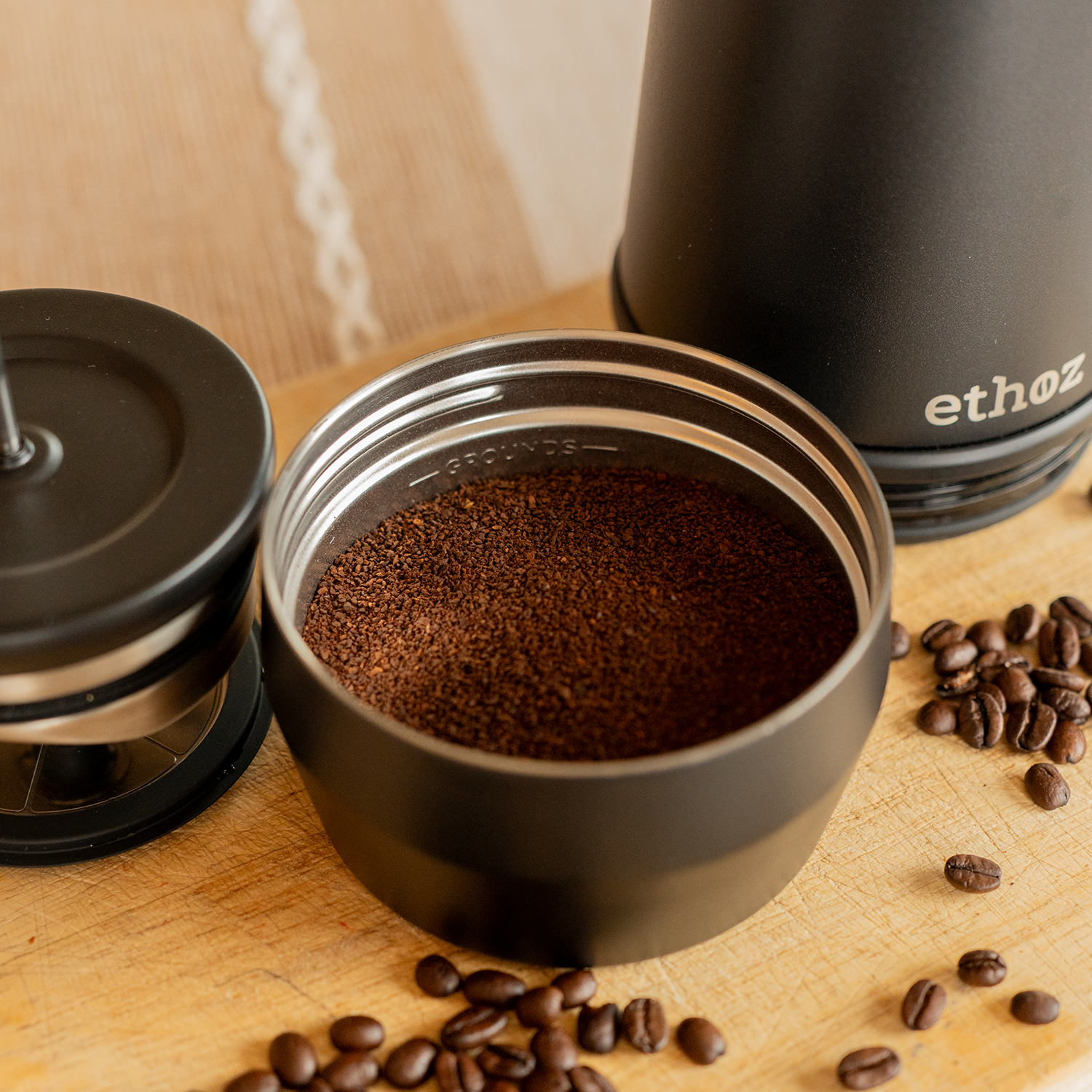
Credit: planetarydesign.com
Aeropress Method
Making espresso without a machine can seem challenging. The AeroPress offers a simple solution. This method is quick and easy. It delivers a rich, flavorful espresso-like brew. Perfect for coffee lovers seeking convenience.
Setting Up The Aeropress
Gather your AeroPress and coffee beans. A grinder is needed for fresh grounds. Use a medium-fine grind for best results. Insert the filter in the AeroPress cap. Rinse the filter with hot water. Attach the cap to the AeroPress chamber. Place it on a sturdy cup or mug.
Brewing Instructions
Add two tablespoons of coffee grounds to the chamber. Pour hot water over the grounds. Use water just off the boil. Fill up to the number two mark on the AeroPress. Stir the mixture with a spoon for 10 seconds. Place the plunger on top and press gently. Apply steady pressure until fully plunged.
Adjusting Strength And Taste
Experiment with the coffee-to-water ratio. Add more coffee for a stronger taste. Use less water for a thicker brew. Adjust the grind size to influence flavor. A finer grind makes a bolder brew. Coarser grind results in a milder taste. Personalize your espresso to suit your preference.
Stovetop Espresso Hacks
Making espresso without a machine may sound tricky, but your stovetop can become a powerful tool in crafting a rich, bold cup. The right hacks can help you mimic espresso-style coffee using everyday kitchen items. Let’s look at some clever ways to get that strong, concentrated brew from your stovetop setup.
Using A Whistling Kettle
A whistling kettle isn’t just for boiling water; it can also help you create espresso-like coffee by controlling steam pressure. Start by adding finely ground coffee into a small, heatproof container that fits inside your kettle or sits on the spout. When the water boils and steam builds up, it forces hot water through the coffee grounds, similar to espresso extraction.
This method requires patience and attention to timing. Too long, and the coffee tastes burnt; too short, and it’s weak. Have you ever experimented with adjusting heat levels to find the perfect balance? Your whistling kettle’s whistle acts as a handy signal to manage this process carefully.
Simulating Espresso Pressure
Espresso machines rely on high pressure to extract flavor. To simulate this, you can use a French press or a moka pot that’s designed to build pressure on the stovetop. If you don’t have these, try pressing coffee grounds firmly into a small metal filter and pushing hot water through with a handheld device like a syringe or a strong squeeze bottle.
Think about how pressure changes the taste and texture. You want to create a concentrated, thick shot with a crema-like foam on top. Experiment with the amount of coffee and pressure applied to get closer to that espresso texture. What simple tools do you have around that might help create this pressure effect?
Safety And Efficiency Tips
Working with hot water and pressure on a stovetop can be risky without precautions. Always ensure your containers and tools can handle heat without cracking or leaking. Never leave your setup unattended to avoid accidents or overheating.
Efficiency comes from preparation: grind your coffee finely, measure your water, and preheat your equipment. A consistent routine will help you get better results faster. Have you noticed how small changes in your setup can improve flavor and safety?
Cold Brew Espresso Alternative
If you don’t have an espresso machine, cold brew can be a surprisingly good alternative to get that strong, concentrated coffee shot you crave. Cold brew espresso offers a smooth, rich flavor with less bitterness and acidity than hot espresso. It’s also easy to make at home with just a few simple tools and some patience.
Making Concentrated Cold Brew
Start with coarsely ground coffee—use about twice the amount you would for regular cold brew to make it strong enough. Mix the coffee grounds with cold, filtered water in a jar or pitcher. Let it steep in the fridge for 12 to 24 hours to extract maximum flavor.
After steeping, strain the coffee through a fine mesh sieve or a coffee filter to remove the grounds. The result is a thick, concentrated cold brew that can mimic espresso’s intensity. You can store this concentrate in the fridge for up to two weeks.
Serving Suggestions
Use your cold brew concentrate as a base for espresso-style drinks. Pour a shot over ice for a refreshing iced espresso. Add steamed milk or your favorite milk alternative to create a cold latte or cappuccino without an espresso machine.
For a warm drink, heat the concentrate gently on the stove or microwave, but avoid boiling to preserve the flavors. Sweeten it with simple syrup or flavored syrups to customize your drink. Have you tried mixing it with a splash of vanilla or caramel syrup? It can transform the taste completely.
Flavor Profiles Compared
| Aspect | Cold Brew Espresso Alternative | Traditional Espresso |
|---|---|---|
| Acidity | Lower acidity, smoother taste | Higher acidity, bright and sharp |
| Bitterness | Less bitter due to cold extraction | More bitter, especially when over-extracted |
| Body | Full-bodied but less creamy | Thick, creamy crema on top |
| Flavor Notes | Chocolatey, nutty, smooth | Bold, intense, sometimes fruity or floral |
Cold brew espresso alternative won’t replace the crema or the exact punch of traditional espresso, but it offers a unique and enjoyable experience. Have you noticed how the smoother flavor lets you savor the coffee differently? It might just change how you think about your daily cup.
Perfecting Your Espresso Shots
Perfecting your espresso shots without a machine is all about attention to detail. Small adjustments can drastically change the flavor and texture of your espresso. The goal is to create a rich, balanced shot that highlights the coffee's natural flavors.
Controlling Extraction Time
Extraction time is the length of time water interacts with your coffee grounds. Too short, and your shot will taste sour and weak. Too long, and it becomes bitter and over-extracted.
Aim for an extraction time between 25 to 30 seconds. You can adjust this by grinding your coffee finer to slow the flow or coarser to speed it up.
Have you tried timing your shot with a stopwatch? It’s a simple way to see how small changes affect taste.
Water Temperature Guidelines
Water temperature is crucial for pulling a good espresso shot. If it’s too hot, the coffee tastes burnt; too cool, and it lacks intensity.
Keep your water between 195°F and 205°F (90°C to 96°C). Using a kitchen thermometer or an electric kettle with temperature control helps maintain this range.
Pour the water steadily and evenly over the grounds to ensure consistent extraction.
Cleaning And Maintenance
Even without a machine, cleanliness affects your espresso quality. Old coffee oils and residue can spoil the flavor.
Rinse your coffee grinder and any brewing tools after each use. Deep clean once a week with warm soapy water or a vinegar solution.
Have you noticed how a clean setup improves your espresso’s taste? It’s a small step that makes a big difference.
Enhancing Espresso Without A Machine
Making espresso without a machine doesn't mean you have to settle for a basic cup. You can enhance your homemade espresso in simple, creative ways that bring out rich flavors and a delightful texture. These small touches can turn your coffee into a café-style treat right at home.
Frothing Milk Manually
You don’t need a fancy frother to create creamy, frothy milk. Grab a jar with a tight lid, pour in warm milk, and shake it vigorously for about 30 seconds. This creates light foam perfect for cappuccinos or lattes.
If you want denser foam, use a whisk or a small hand-held frother. Heat your milk gently on the stove or in the microwave before frothing to get that smooth, velvety texture. Have you tried frothing almond or oat milk? They froth surprisingly well and add unique flavors.
Adding Flavors And Syrups
Enhance your espresso by mixing in flavors that suit your mood. Vanilla, caramel, or hazelnut syrups are easy to find and instantly upgrade your drink.
For a natural twist, stir in a pinch of cinnamon or cocoa powder. You can also add a drop of peppermint extract for a refreshing touch. Why not experiment with spices like cardamom or nutmeg? They give your espresso an exotic flair without extra calories.
Creative Presentation Ideas
How your espresso looks can make it taste even better. Use clear glass cups to show off the rich layers of your coffee and foam. A sprinkle of cocoa or cinnamon on top adds a professional finish.
Try serving your espresso alongside a small biscotti or a piece of dark chocolate. Simple garnishes, like a twist of orange peel or a fresh mint leaf, make a big visual impact. What will you add to make your espresso stand out?

Credit: skillstrainingcollege.com.au
Frequently Asked Questions
How Can I Make Espresso Without A Machine?
You can make espresso by using a stovetop moka pot or an Aeropress. Both methods force hot water through finely ground coffee, producing a rich, concentrated brew similar to espresso without needing an expensive machine.
What Grind Size Is Best For Homemade Espresso?
Use a fine grind similar to table salt for homemade espresso. This grind size allows optimal extraction and pressure, resulting in a strong, flavorful shot without bitterness or weakness.
Can I Use An Aeropress For Espresso-style Coffee?
Yes, an Aeropress can produce espresso-style coffee by using fine grounds and pressing firmly. It creates a concentrated, rich coffee similar to espresso, ideal for those without an espresso machine.
Is A Stovetop Moka Pot Good For Espresso?
A moka pot makes a strong, espresso-like coffee by brewing under pressure. While it’s not true espresso, it’s a popular and affordable alternative for rich, concentrated coffee at home.
Conclusion
Making espresso without a machine is simple and fun. Just use ground coffee, hot water, and some basic tools. This method saves money and works well at home. You can enjoy a strong, tasty espresso anytime. Practice a few times to find what suits your taste best.
No fancy equipment needed. Give it a try and enjoy your coffee moment.