Have you ever opened your dishwasher only to find your dishes covered in a stubborn white film? It’s frustrating when your sparkling plates and glasses come out looking dull and cloudy instead of clean and shiny.
You might wonder, “Why does my dishwasher leave a white film on my dishes? ” The good news is, this common problem has simple explanations and even easier solutions. Keep reading to discover what’s causing that annoying residue and how you can get your dishes truly spotless every time.
Causes Of White Film On Dishes
Seeing a white film on your dishes after a cycle can be frustrating. Understanding what causes this residue helps you tackle the problem effectively. Let’s break down the common reasons your dishwasher might be leaving this unwanted layer behind.
Hard Water Deposits
Hard water contains high levels of minerals like calcium and magnesium. These minerals don’t dissolve well in water, so they often leave behind a chalky, white film on dishes and glassware.
If you notice spots or a cloudy look, it’s likely mineral buildup from hard water. Using a water softener or a dishwasher cleaner designed to remove minerals can help clear this residue.
Detergent Residue
Sometimes, the white film comes from detergent that doesn’t rinse away properly. Using too much detergent or one that isn’t suited for your water type can cause this issue.
Have you checked if your detergent dissolves fully during the wash? Switching to a high-quality detergent or adjusting the amount you use might solve the problem.
Rinse Aid Issues
Rinse aid helps dishes dry without spots or streaks. If your dishwasher runs out of rinse aid or the dispenser is clogged, white film can appear on your dishes.
Make sure the rinse aid reservoir is full and the dispenser works properly. This simple step often clears up film and improves drying results.
Water Temperature Problems
Water that’s too cold can prevent detergent from dissolving fully, leaving a residue behind. Most dishwashers work best with water heated to at least 120°F (49°C).
Have you measured your water temperature lately? Adjusting your hot water heater or running the hot water tap before starting the dishwasher can improve cleaning performance.
Identifying The White Film
Noticing a white film on your dishes after running the dishwasher can be frustrating. Understanding what this film looks like and where it commonly appears can help you figure out the cause and find a solution faster. Let’s take a closer look at how to identify this pesky residue so you can tackle it effectively.
Appearance And Texture
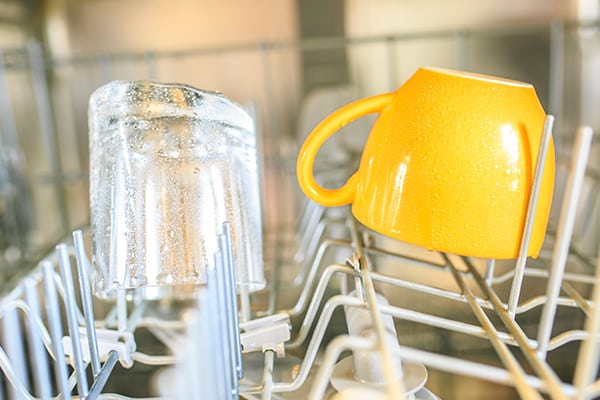
The white film often looks like a cloudy or chalky layer covering your dishes. It can appear as a thin haze or a slightly rough coating that dulls the shine of your glassware and plates.
Sometimes, the texture feels powdery or gritty when you touch it. This can help you distinguish it from soap residue, which tends to be slippery or sticky.
Have you ever noticed your glasses looking foggy even after a thorough wash? That foggy look is usually this white film, caused by mineral deposits left behind by hard water or detergent buildup.
Common Affected Items
Not all dishes are affected equally. Glasses and plastic items often show the white film more clearly because the residue stands out against their smooth surfaces.
Plates and silverware can also develop this film, especially if they have intricate designs or textured surfaces where residue can cling.
Sometimes, items like measuring cups or water bottles you wash in the dishwasher show white spots that don’t rinse away easily. These spots are often the same white film.
Easy Cleaning Techniques
White film on dishes is a common dishwasher problem. It happens from hard water or leftover detergent. Easy cleaning techniques can clear this film and keep dishes shiny. These methods use simple ingredients and take little time. Regular cleaning improves dishwasher performance and dish quality.
Vinegar Rinse Cycle
Vinegar is natural and removes mineral buildup. Pour one cup of white vinegar into the bottom of the dishwasher. Run a hot water cycle without any dishes inside. Vinegar breaks down hard water deposits and clears the white film. This rinse freshens the dishwasher and stops residue on plates.
Baking Soda Scrub
Baking soda acts as a gentle scrub and deodorizer. Sprinkle one cup of baking soda on the bottom of the dishwasher. Run a short, hot water cycle without dishes. Baking soda removes stains and neutralizes odors. It also helps clear leftover detergent and white spots on dishes.

Credit: atlanticbluewaterservices.com
Adjusting Dishwasher Settings
Adjusting dishwasher settings can reduce white film caused by hard water or detergent residue. Using the right cycle and rinse aid helps clear dishes better. Lowering water temperature or choosing a longer wash may also prevent buildup.
Adjusting dishwasher settings can help eliminate the white film on dishes. Proper settings ensure dishes come out sparkling clean. Many factors affect dishwasher performance. Explore the key settings to adjust for better results.
Optimizing Water Temperature
Water temperature plays a crucial role in cleaning. Set the dishwasher to 120-150°F. Hot water dissolves detergent effectively. It also sanitizes dishes better. Check your water heater setting. Ensure it matches the recommended range.
Choosing The Right Detergent
The detergent type impacts cleaning performance. Use a quality detergent for best results. Powder, gel, and pods each work differently. Choose one that suits your dishwasher. Avoid using too much detergent. Excess can cause residue on dishes.
Using Rinse Aid Effectively
Rinse aid prevents water spots and film. It helps water run off dishes smoothly. Fill the rinse aid dispenser regularly. Adjust the rinse aid setting if needed. This enhances drying and shine on your dishes.
Preventive Measures
Dealing with a white film on your dishes can be frustrating, but there are clear steps you can take to stop it from happening again. Preventive measures not only protect your dishes but also keep your dishwasher running smoothly. Understanding these practical tips can save you time and improve your cleaning results.
Regular Dishwasher Maintenance
Keeping your dishwasher clean inside is key to avoiding that stubborn white residue. Check and clean the filter regularly to prevent food particles from building up and interfering with the washing process.
Run a cleaning cycle with dishwasher cleaner or a cup of white vinegar once a month to break down mineral deposits and soap scum. Also, inspect spray arms for clogs and wipe down door seals to maintain a tight, leak-free closure.
Have you noticed your dishwasher smells or drains slowly? Those signs often mean it’s time for maintenance before the white film returns.
Water Softening Options
Hard water is a major culprit behind the white film on dishes. If your water has high mineral content, adding a water softener can make a big difference.
Many dishwashers have built-in water softeners—make sure yours is filled with salt if required. If not, consider installing a whole-house water softener or using rinse aids designed to counter mineral deposits.
Think about your local water quality. Would a simple salt refill or a more advanced softening system give your dishes the sparkle they deserve?

Credit: www.familyhandyman.com
When To Call A Professional
Sometimes, a white film on dishes does not go away with regular cleaning. At times like this, calling a professional can save time and prevent damage. Experts have the tools and knowledge to find hidden problems. They ensure your dishwasher works well again and your dishes stay spotless.
Persistent White Film Issues
When the white film stays after multiple washes, the problem might be complex. Home fixes may fail to clear hard water minerals or detergent buildup. A professional can test water hardness and check detergent use. They can clean or replace parts that cause residue. Persistent film signals a deeper issue needing expert care.
Mechanical Problems
White film can result from mechanical faults inside the dishwasher. Problems like clogged spray arms or broken filters reduce cleaning power. Faulty heating elements can stop proper drying, leaving spots and film. Professionals inspect these parts carefully. They repair or replace damaged components to restore full function. Mechanical issues often need expert tools and skills to fix.
Credit: priorityappliance.com
Frequently Asked Questions
Why Does Dishwasher Leave White Spots On Glasses?
White spots on glasses are usually caused by hard water deposits. These spots are mineral residues left after water evaporates. Using a rinse aid or a water softener can help reduce these deposits and keep your dishes sparkling clean.
How Can I Prevent White Film On Dishwasher Dishes?
To prevent white film, use the right detergent and rinse aid. Check your water hardness and adjust detergent accordingly. Regularly clean your dishwasher filter and spray arms to ensure proper water flow and effective cleaning.
Is Dishwasher Detergent Causing White Residue On Dishes?
Yes, using too much or the wrong type of detergent can cause white residue. Powder detergents often leave more residue than gels or pods. Switching to a high-quality detergent and following dosage instructions can eliminate this problem.
Does Hard Water Contribute To Dishwasher White Film?
Hard water is a common cause of white film on dishes. It contains high levels of calcium and magnesium, which leave mineral deposits. Installing a water softener or using specific dishwasher additives can help reduce white film.
Conclusion
White film on dishes often comes from hard water or detergent issues. Check your dishwasher’s settings and try a rinse aid. Use the right amount of detergent, not too much or too little. Clean the dishwasher filter regularly to avoid build-up.
Running an empty cycle with vinegar can help remove residue. These simple steps can keep your dishes clean and shiny. Small changes make a big difference in dishwasher results. Keep an eye on water quality and detergent type for best results.
Clean dishes mean happy meals and less stress.