Have you ever opened your refrigerator only to find water pooling inside or on the floor? It’s frustrating and can even cause damage if ignored.
You might wonder, why does your refrigerator leak water? Understanding the reasons behind this common problem can save you time, money, and stress. You’ll discover the most common causes of refrigerator leaks and simple steps you can take to fix them.
Keep reading to protect your fridge and your home from unwanted water damage.

Credit: www.sloanappliance.com
Common Causes Of Refrigerator Leaks
Finding water pooling around or inside your refrigerator can be frustrating. Understanding the common causes of refrigerator leaks helps you fix the issue before it worsens. These leaks often have simple explanations that you can check yourself, saving time and money.
Clogged Defrost Drain
The defrost drain carries water from the melting frost to a drip pan underneath the fridge. If this drain gets clogged with food particles or ice, water will back up and leak inside your fridge or on the floor. Clearing the clog with warm water or a pipe cleaner usually stops the leak quickly.
Damaged Door Seal
A worn or cracked door seal lets warm air into your fridge, causing excess condensation. This moisture can build up and drip down, making it seem like your refrigerator is leaking. Check your door seals regularly and replace them if they no longer close tightly.
Blocked Water Filter
If your refrigerator has a water dispenser or ice maker, a blocked water filter can cause leaks. The blockage increases pressure, which may lead to water escaping from connections or the filter housing. Replacing the filter on schedule keeps water flowing properly and prevents leaks.
Faulty Water Inlet Valve
The water inlet valve controls the flow of water into your fridge. Over time, it can wear out or get stuck open, causing continuous water flow and leaks. If you notice water pooling near the back of your fridge, inspecting this valve can reveal if it needs replacement.
Cracked Drain Pan
The drain pan collects water that drips from the defrost cycle. A crack or hole in this pan causes water to leak onto your floor. It’s easy to slide out the pan and check for damage—replacing it prevents leaks and keeps your kitchen dry.
How To Identify Leak Sources
Identifying where a refrigerator leaks water can save you from costly repairs and food spoilage. Pinpointing the source helps you act quickly and effectively. Let’s look at simple ways to check different parts of your fridge to find the leak.
Checking Inside The Fridge
Start by looking inside the fridge for any pools of water or frost build-up. Water often collects near the back wall or underneath the vegetable drawers. If you notice excess moisture, it could mean the defrost drain is clogged or frozen, causing water to drip inside instead of draining properly.
Have you ever found a puddle inside and wondered why? Try wiping the drain hole with a pipe cleaner or warm water to see if it clears the blockage. This simple step can stop leaks and improve your fridge’s efficiency.
Inspecting The Door Seal
The door seal keeps cold air inside and prevents condensation outside. Check the rubber gasket around the door for cracks, tears, or dirt buildup. A damaged or dirty seal lets warm air in, causing moisture to form and drip down.
Press the seal firmly against the fridge frame to see if it holds tight. If light passes through or the door feels loose, it’s time to clean or replace the gasket. Have you noticed your fridge door doesn’t close as snugly as before?
Examining The Drain Pan
Underneath your fridge, there’s a drain pan that collects water from the defrost cycle. Pull out the pan carefully and inspect it for cracks or overflowing water. A cracked pan leaks water onto your floor, while an overflowing pan means water isn’t evaporating properly.
Check if the pan is tilted correctly and clean it regularly to avoid buildup. This small maintenance task can prevent water damage and unpleasant odors around your fridge.
Testing The Water Line
If your refrigerator has an ice maker or water dispenser, the water line might be the culprit. Look for wet spots or pooling water near the back where the line connects. Even a small pinhole leak can cause noticeable drips over time.
Turn off the water supply and inspect the tubing for cracks or loose fittings. Tighten any connections and replace damaged lines to stop leaks instantly. Are you aware of when the water line was last checked or replaced?
Simple Fixes For Water Leaks
Water leaking from your refrigerator can be frustrating, but many leaks have simple fixes you can handle yourself. Identifying the source of the leak is key to applying the right solution. Below are straightforward repairs that often stop leaks quickly and save you from costly service calls.
Unclogging The Defrost Drain
One common cause of leaks is a clogged defrost drain. Over time, food particles and ice can block the drain tube, causing water to pool inside the fridge.
To fix this, locate the drain hole (usually at the back or bottom of the freezer compartment). Use warm water and a small brush or pipe cleaner to clear the blockage gently. Have you checked this drain recently? It might be the simplest fix you overlook.
Replacing The Door Seal
A worn or damaged door seal lets warm air in, causing condensation and water buildup. Inspect the rubber gasket around your fridge door for cracks or gaps.
If the seal feels loose or shows signs of wear, replace it with a new one designed for your model. Replacing the seal not only stops leaks but also improves your fridge’s efficiency.
Changing The Water Filter
If your fridge has a water dispenser or ice maker, a clogged or old water filter can cause leaks. Filters trap impurities but can become blocked, increasing pressure and causing drips.
Replacing the water filter every six months keeps water flowing smoothly and prevents leaks. Have you marked your calendar for the next filter change yet?
Repairing The Water Inlet Valve
The water inlet valve controls water flow into the fridge. A faulty valve can leak or allow too much water to enter, creating puddles inside or outside the unit.
Check for cracks or damage to the valve. If you find any, replacing the valve is usually straightforward and can stop persistent leaks.
Fixing Or Replacing The Drain Pan
The drain pan collects water that drips during the defrost cycle. If it's cracked or overflowing, water will spill onto the floor.
Inspect the pan for damage and clean it regularly to prevent buildup. If damaged, replace the pan to keep leaks under control and protect your kitchen floor.

Credit: www.sloanappliance.com
Preventing Future Leaks
Regularly cleaning the drain hole and drip pan helps stop water buildup. Checking door seals keeps cold air inside and prevents leaks. Fixing issues early saves bigger problems later.
Preventing future leaks in your refrigerator can save you from unexpected puddles and costly repairs. Understanding how to maintain your appliance is crucial for its longevity and efficiency. Let's dive into some practical steps you can take to ensure your refrigerator stays dry and functional.
Regular Cleaning Tips
A clean refrigerator is less likely to leak. Regularly wipe down the interior surfaces to prevent buildup of dirt and grime. Pay special attention to the door seals; these can trap food particles, causing the door to not close properly, which might lead to condensation and leaks. Make it a habit to clean the drip pan, typically located at the bottom of your fridge. A clogged drip pan can overflow, causing water to leak onto your floor. Simply remove the pan, rinse it with warm soapy water, and dry before placing it back.
Routine Maintenance Checks
Routine checks can catch minor issues before they become major problems. Inspect the water supply line for any signs of wear or damage, especially if your refrigerator has an ice maker or water dispenser. Tighten any loose connections and replace damaged hoses to prevent leaks. Check the defrost drain for blockages. A clogged drain can cause water to back up and leak inside your fridge. If you notice water pooling inside, this might be the culprit. Use a pipe cleaner or a piece of flexible wire to clear any obstructions.
Proper Usage Guidelines
Using your refrigerator correctly can also prevent leaks. Avoid overloading your fridge as this can block air vents, leading to uneven cooling and condensation. Make sure there is enough space for air to circulate around stored items. Ensure the refrigerator is level. If it's tilted, the coolant may not circulate properly, causing excess condensation. Use a spirit level to check and adjust the feet if necessary. Remember, a little attention can go a long way in keeping your refrigerator leak-free. By following these tips, you not only prevent leaks but also extend the life of your appliance. What steps will you take today to ensure your refrigerator runs smoothly?
When To Call A Professional
Knowing when to call a professional for a leaking refrigerator can save you time, money, and stress. Some issues may seem simple but can quickly become complicated if not handled correctly. Recognizing the signs that require expert help is key to protecting your appliance and home.
Complex Repairs
Some refrigerator leaks come from parts that are difficult to access or fix, like the defrost drain or water inlet valve. If you notice water pooling inside the fridge or underneath it and basic cleaning doesn’t help, the problem might be deeper.
Attempting complex repairs without proper knowledge can cause more damage. A professional has the right tools and experience to diagnose and fix these issues safely and effectively.
Electrical Issues
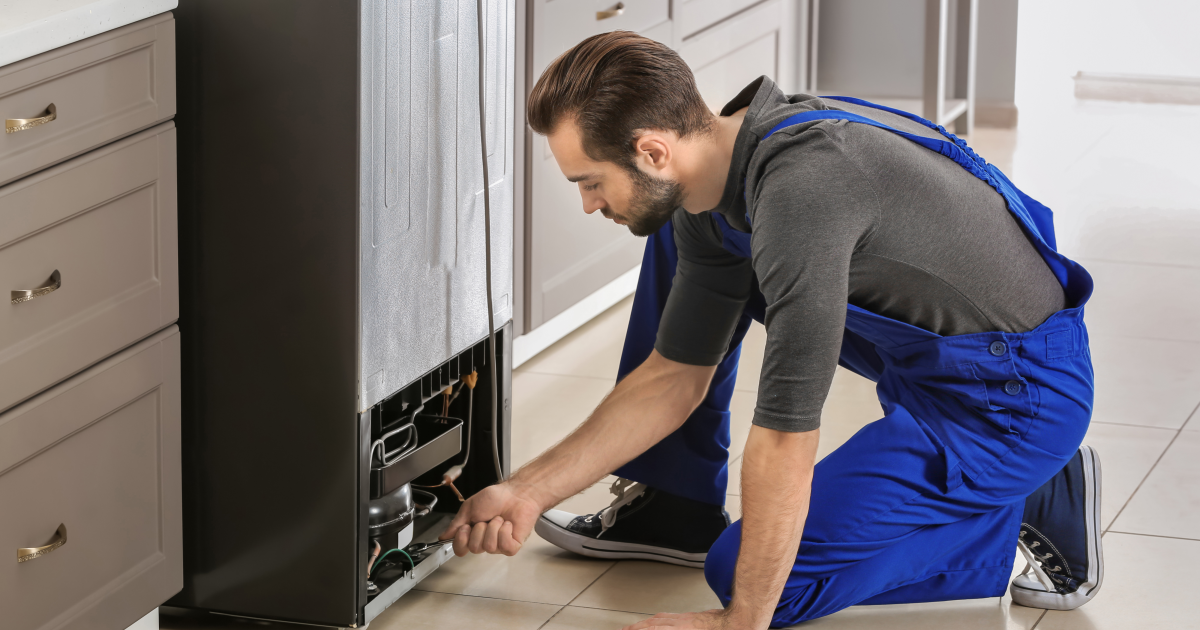
Water and electricity don’t mix well. If your fridge is leaking near electrical components or you see sparks or smell burning, turn it off immediately and call a technician.
Electrical problems can be hidden behind panels or inside the compressor, making them hard to spot. Professionals can safely handle wiring repairs and prevent potential hazards.
Persistent Leaks
If you’ve tried simple fixes like clearing the drain hole or replacing the water filter, but the leak continues, it’s time to get help. Persistent leaks can indicate worn-out seals, cracked pipes, or faulty internal parts.
Ignoring ongoing leaks can lead to mold growth or water damage in your kitchen. A pro can identify the root cause and provide a lasting solution before the problem worsens.
Credit: dengarden.com
Frequently Asked Questions
Why Is My Refrigerator Leaking Water Inside?
Water leaks inside due to a clogged or frozen defrost drain. This causes melted water to pool inside. Regular cleaning of the drain tube can prevent this issue.
How Do I Fix A Leaking Fridge Drain?
Unclog the drain by flushing it with warm water. Use a pipe cleaner or a small brush to clear debris. This will restore proper drainage and stop leaks.
Can A Damaged Door Seal Cause Water Leaks?
Yes, a faulty door seal allows warm air inside. This leads to condensation and water pooling inside the fridge. Replace worn seals to maintain a proper seal and prevent leaks.
Why Is Water Pooling Under My Refrigerator?
Water under the fridge often comes from a blocked or cracked drain pan. Check the drain pan for damage and clean it regularly to avoid leaks and odors.
Conclusion
A leaking refrigerator can cause many problems at home. Water might come from a clogged drain or a broken part. Fixing leaks early saves money and keeps food fresh. Clean the drain hole and check the door seal often. Small problems become big if ignored.
Stay alert to signs of leaks. A dry fridge means a happy kitchen.