Have you ever turned on your stove, only to notice a sudden crack on the stove top? It’s frustrating and can leave you wondering what went wrong.
You might be asking yourself, “Why did my stove top crack? ” Understanding the reasons behind this can help you avoid future damage and keep your kitchen safe. You’ll discover the common causes of stove top cracks and simple tips to prevent them.
Keep reading to protect your stove and save yourself from costly repairs.

Credit: www.reddit.com
Common Causes Of Stove Top Cracks
Stove top cracks can appear unexpectedly and cause worry. Understanding the common causes helps prevent damage and keep your stove safe. Several factors contribute to the cracks, from sudden temperature changes to installation problems. Knowing these causes can help you handle and avoid them effectively.
Thermal Shock From Sudden Temperature Changes
Rapid heating or cooling can stress the stove top glass. Pouring cold water on a hot surface or placing a hot pan on a cold stove causes thermal shock. This sudden change makes the glass expand or contract quickly, leading to cracks.
Impact Damage From Heavy Pots Or Utensils
Dropping heavy cookware or utensils on the stove top can cause cracks. Even a slight drop from a short height can damage the glass surface. The impact creates weak points that grow into visible cracks over time.
Manufacturing Defects And Material Flaws
Some stove tops have hidden defects from production. Poor quality glass or small material flaws can make the surface fragile. These weaknesses may cause cracks under normal use or minor stress.
Wear And Tear Over Time
Regular use wears down the stove top gradually. Small scratches and heat exposure weaken the glass. Over time, this damage can build up and lead to cracks, especially on older stoves.
Improper Installation Issues
Incorrect installation affects stove top stability. If the stove is not level or tightly fixed, stress points form on the glass. This uneven pressure can cause cracks during cooking or cleaning.

Credit: www.reddit.com
Signs Your Stove Top Is At Risk
Recognizing signs that your stove top is at risk can prevent sudden cracks. Early detection helps avoid costly repairs and unsafe cooking conditions. Some warning signs appear visually, while others affect the stove’s function.
Watch closely for any changes in your stove top’s appearance or performance. These signs indicate stress or damage that could lead to cracking.
Visible Hairline Cracks
Small, thin cracks on the glass surface often appear first. They may look harmless but can quickly spread. These cracks weaken the stove top’s structure.
Check around burners and edges for any fine lines. Ignoring them can lead to larger breaks during use.
Uneven Heating Patterns
The stove top should heat evenly across the surface. Uneven spots or slow heating areas suggest internal damage. This imbalance stresses the glass and increases cracking risk.
Notice if pans heat differently depending on where they sit. This problem signals trouble beneath the surface.
Unusual Noises During Use
Clicking, popping, or cracking sounds are not normal. These noises can mean the glass is expanding or contracting unevenly. Stress from temperature changes causes these sounds.
Listen carefully when turning burners on or off. Strange noises should prompt a closer inspection.
Loose Or Wobbly Glass Surface
The glass should sit firmly without movement. A loose or wobbly surface means the seal or mounting is compromised. This instability makes cracks more likely.
Press gently on different areas to check for any give. Stability is key for safe, durable stove tops.
Quick Fixes To Prevent Further Damage
Act quickly to avoid worsening stove top cracks by turning off the heat and allowing the surface to cool. Use gentle cleaning methods and avoid heavy pots or sudden temperature changes to reduce stress on the glass.
Cracks in your stove top can be a frustrating and unexpected problem. However, there are quick fixes you can implement to prevent further damage. Taking immediate action can save you from more costly repairs and maintain the functionality of your kitchen.
Avoid Sudden Temperature Swings
Glass stove tops are sensitive to sudden changes in temperature. Avoid placing hot pots directly on a cold surface or vice versa. Instead, allow cookware to gradually adjust to temperature changes. This simple step can prevent stress fractures from developing or worsening.
Handle Cookware Gently
Dropping or slamming pots and pans can cause immediate damage to your stove top. Always place cookware gently onto the surface. Consider using cookware with flat, smooth bottoms to minimize pressure points. How you handle your cookware can make a big difference in extending the life of your stove top.
Use Proper Cookware For Glass Tops
Not all cookware is suitable for glass tops. Opt for stainless steel or heavy-duty aluminum, which provide even heat distribution. Avoid using cast iron or stoneware that can scratch or crack the surface. Choosing the right materials ensures a longer-lasting stove top.
Regular Cleaning And Maintenance Tips
Keeping your stove top clean helps you spot potential problems early. Use a soft cloth and a gentle cleaner specifically designed for glass surfaces. Regular maintenance prevents residue build-up that can lead to further damage. A clean stove top not only looks great but also functions more effectively.
Temporary Crack Repairs
If a crack appears, you can temporarily seal it to prevent it from spreading. Use a clear, high-temperature epoxy to fill in the crack. This isn't a permanent fix, but it can buy you time until you seek professional repair. Addressing cracks immediately helps maintain the integrity of your stove top. By taking these proactive steps, you can keep your stove top in great condition. What strategies have worked for you in preventing further damage? Share your experiences and keep the conversation going.
When To Replace Your Stove Top
Knowing when to replace your stove top helps avoid bigger problems. Cracks can worsen, leading to safety hazards or costly repairs. Understanding the severity and risks guides better decisions. Weighing costs against benefits ensures the best choice. Picking a strong replacement keeps your kitchen safe and efficient.
Assessing Crack Severity
Look closely at the crack size and shape. Small hairline cracks might not need immediate replacement. Deep or spreading cracks signal serious damage. Check if the crack affects the burner area or controls. Cracks that disrupt heating or cause sparks are urgent.
Safety Concerns And Risks
Cracked stove tops can cause gas leaks or electrical shorts. Broken glass or ceramic pieces can injure hands. Heat may escape unevenly, causing burns or fires. A cracked surface may fail under heavy pots. Prioritize safety over saving money in these cases.
Cost Vs. Repair Benefits
- Minor cracks might be fixed with epoxy or sealants.
- Repairs may last shorter and cost less upfront.
- Replacing is costly but offers long-term reliability.
- Old stove tops often need full replacement anyway.
- Consider repair time and hassle versus new stove benefits.
Choosing A Durable Replacement
Pick materials resistant to heat and impact, like tempered glass or stainless steel. Avoid low-quality materials that crack easily. Check product reviews for durability and safety. Choose a stove top fitting your cooking style and kitchen design. A quality replacement reduces future problems and repairs.
Preventing Future Cracks
Preventing future cracks in your stove top is key to maintaining its appearance and functionality. Cracks not only affect the look but can also compromise safety during cooking. Taking simple, consistent steps can save you from costly repairs or replacements down the road.
Proper Use Guidelines
Are you placing heavy pots directly onto a hot glass surface? This sudden temperature change can cause stress and lead to cracks. Always heat pans gradually and avoid dragging cookware across the stove top to prevent scratches and stress points.
Using the right size burner for your pot also matters. A small pot on a large burner concentrates heat unevenly, increasing the risk of cracks. Follow the manufacturer’s recommendations to keep your stove top safe.
Routine Inspections
How often do you check your stove top for tiny chips or hairline cracks? Early detection is crucial. A small chip can quickly turn into a bigger crack if left unnoticed.
Make it a habit to inspect your stove top weekly. Use a soft cloth to clean the surface, so you can spot any damage early without causing further harm.
Protective Accessories
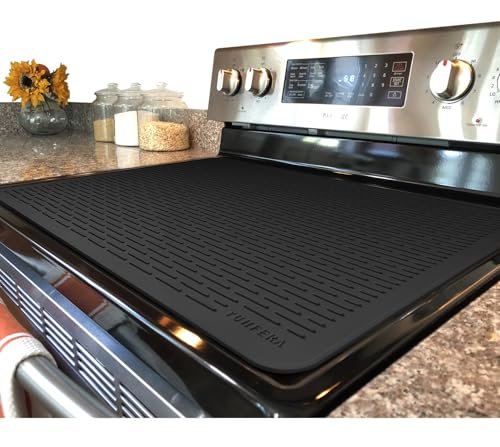
Consider adding accessories like silicone burner covers or heat-resistant mats. These protect the stove top from spills, scratches, and sudden temperature changes. They’re inexpensive but can extend your stove’s life significantly.
Using trivets or pot pads when placing hot cookware down adds an extra layer of protection. These simple tools can reduce direct impact and thermal shock, common causes of cracks.
Professional Maintenance Services
Have you ever had a professional check your stove top? Experts can identify hidden issues that you might miss, like faulty heating elements causing uneven heat distribution. A professional tune-up can prevent cracks before they start.
Scheduling regular maintenance can also include cleaning internal parts that affect the stove’s performance. This proactive approach keeps your stove running smoothly and minimizes the risk of damage.

Credit: www.reddit.com
Frequently Asked Questions
Why Did My Stove Top Crack Suddenly?
Stove tops crack due to rapid temperature changes or uneven heating. Using high heat on a cold surface can cause stress cracks. Also, heavy pots or accidental impacts can damage the glass or ceramic surface.
Can Thermal Shock Cause Stove Top Cracks?
Yes, thermal shock occurs when hot cookware contacts a cold stove surface abruptly. This causes expansion and contraction, leading to cracks. Always preheat cookware and avoid placing cold items on a hot stove top to prevent damage.
How Can I Prevent My Stove Top From Cracking?
Avoid sudden temperature changes and do not place heavy or sharp objects on the stove top. Clean spills promptly and use cookware with flat bottoms to distribute heat evenly. Regular maintenance also helps extend the stove top’s lifespan.
Is A Cracked Stove Top Dangerous To Use?
A cracked stove top can be unsafe as it may shatter further or cause electrical hazards. It’s best to stop using it immediately and contact a professional for repair or replacement to ensure safety.
Conclusion
A cracked stove top can cause safety risks and cooking problems. Heat changes and sudden impacts often cause cracks. Regular care and gentle handling help prevent damage. Clean spills quickly and avoid heavy pots on the surface. Knowing why cracks happen helps you protect your stove better.
Stay cautious and check your stove often for signs of wear. Taking small steps can save you from costly repairs later. Keep your kitchen safe and your stove working well.