Is your refrigerator suddenly not cooling like it used to? You open the door, expecting fresh food, but instead find warm air and spoiled groceries.
It’s frustrating, and you might be wondering, "Why did my refrigerator stop working? " Understanding the common reasons behind this problem can save you time, money, and stress. You’ll discover simple explanations and easy steps to identify what’s wrong with your fridge—and what you can do about it.
Keep reading to get your fridge back to running smoothly and protect your food from going to waste.

Credit: www.erecycling.ch
Common Reasons For Refrigerator Failure
When your refrigerator suddenly stops working, it can throw your whole day off. Understanding the common reasons behind refrigerator failure can help you diagnose the problem faster and even save you from unnecessary repair costs. Let’s look at some frequent issues that cause refrigerators to quit unexpectedly.
Power Supply Issues
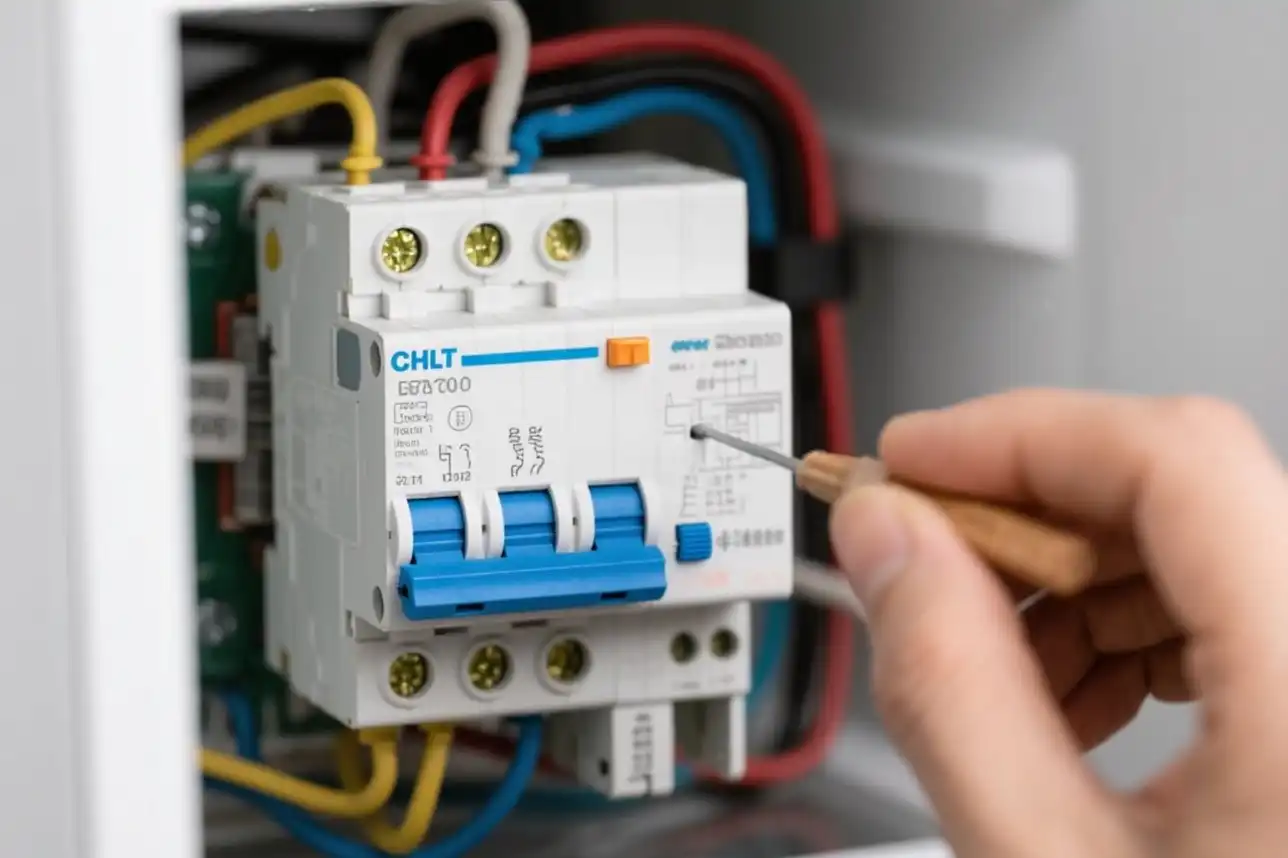
Sometimes the problem isn’t inside the fridge but with the power source. Check if the outlet is working by plugging in another device. A tripped circuit breaker or a loose plug can easily stop your refrigerator from running.
Have you ever found your fridge unplugged after cleaning or moving it? It’s a simple but common oversight that can save you a call to the repairman.
Thermostat Problems
Your refrigerator’s thermostat controls the temperature inside. If it’s set too high or malfunctioning, the fridge won’t cool properly. You might notice food spoiling faster or ice buildup in the freezer.
Adjust the thermostat setting and listen for the compressor to kick on. If nothing changes, the thermostat might need replacement. Have you checked your thermostat settings lately?
Dirty Condenser Coils
Condenser coils release heat from your fridge, helping it stay cool. When these coils get covered in dust and dirt, your refrigerator has to work harder. This can cause it to stop cooling efficiently or even overheat.
Cleaning the coils regularly is a simple fix that many overlook. It only takes a few minutes and can extend the life of your fridge. When was the last time you cleaned your condenser coils?
Faulty Compressor
The compressor is the heart of your refrigerator’s cooling system. If it fails, your fridge stops cooling altogether. This issue often requires professional repair or replacement.
Listen for unusual noises like clicking or humming from the compressor area. These sounds can signal trouble before the fridge completely stops working. Have you noticed any odd noises from your refrigerator lately?

Credit: www.reddit.com
Diagnosing The Problem
Diagnosing why a refrigerator stops working is the first step to fix it. Start by examining simple causes before calling for help. Basic checks can save time and money. Follow these steps to find the problem clearly.
Checking The Power Source
Ensure the fridge is plugged in securely. Check the outlet by plugging in another device. Look for tripped circuit breakers or blown fuses. Power interruptions often cause the fridge to stop.
Inspecting The Thermostat
Set the thermostat to the correct temperature. A faulty thermostat may prevent cooling. Move the dial and listen for clicks. Replace it if it feels loose or broken.
Observing Unusual Noises
Listen for strange sounds like buzzing or clicking. Noises may point to compressor or fan issues. A silent fridge can also mean a problem. Note the type and frequency of sounds.
Detecting Temperature Fluctuations
Check if the fridge stays cold or warms up. Use a thermometer to monitor temperature changes. Sudden rises or drops show cooling system troubles. Keep track over several hours for accuracy.
Quick Fixes To Try At Home
When your refrigerator stops working, quick fixes at home can save you time and money. Many issues are simple and can be fixed without calling a technician. Try these easy steps first to see if your fridge starts running again.
Resetting The Thermostat
The thermostat controls the fridge temperature. Sometimes it may get stuck or set too high. Locate the thermostat dial inside the fridge. Turn it to the coldest setting for a few seconds. Then, set it back to the normal temperature (usually around 37°F or 3°C). This reset can help restart the cooling system.
Cleaning The Coils
Dust and dirt build up on the condenser coils outside or under the fridge. Dirty coils reduce cooling efficiency and cause the fridge to stop working. Unplug the refrigerator first. Use a vacuum or coil brush to gently clean the coils. Clean coils improve airflow and help the fridge run better.
Ensuring Proper Air Circulation
Blocked vents or overcrowded shelves stop cold air from circulating. Remove items blocking the vents inside the fridge. Arrange food so air flows freely around all shelves. Leave some space between items to avoid blocking air vents. Good air circulation keeps the temperature even and the fridge working well.
Testing The Door Seals
Worn or damaged door seals let cold air escape. Check the rubber gasket around the door. Press it in different spots to see if it sticks firmly. Use a piece of paper or dollar bill to test the seal. Close the door on the paper and try to pull it out. If it slides out easily, the seal needs cleaning or replacement.
When To Call A Professional
Knowing when to call a professional can save time and prevent further damage. Some refrigerator problems need expert skills and tools. Attempting repairs without proper knowledge can be risky. Recognizing serious issues helps protect your appliance and home.
Persistent Cooling Issues
Refrigerators that do not cool well or keep fluctuating temperatures may have deep problems. Cleaning coils or adjusting settings might not fix this. Experts can diagnose hidden faults in fans, thermostats, or sensors. Persistent cooling failures require professional attention to avoid food spoilage.
Electrical Problems
Frequent power trips, strange noises, or burning smells signal electrical trouble. Faulty wiring or damaged components can cause safety hazards. Professionals use proper tools to test and repair electrical parts safely. Ignoring electrical issues can lead to bigger risks and costly repairs.
Compressor Failures
The compressor is the refrigerator’s heart, pumping refrigerant to cool. If it stops working or makes loud noises, the fridge may fail. Compressor repairs or replacements need special skills and parts. Only trained technicians should handle compressor problems to ensure proper function.
Refrigerant Leaks
Low cooling or frost buildup might indicate refrigerant leaks. This gas is essential for the cooling cycle but can be harmful if handled incorrectly. Professionals detect leaks using special equipment and safely recharge refrigerant. Trying to fix leaks alone can cause more damage and health risks.
Preventive Maintenance Tips
Preventive maintenance helps keep your refrigerator working longer. Small actions prevent big problems. It saves money and avoids food spoilage. Follow simple steps to maintain your fridge efficiently.
Regular Cleaning Schedule
Clean your refrigerator inside and outside regularly. Wipe spills and crumbs quickly. Clean shelves, drawers, and door seals every month. Dust the coils at the back or bottom. Clean coils improve cooling and save energy. A clean fridge runs smoothly and lasts longer.
Maintaining Optimal Temperature
Set the fridge temperature between 37°F and 40°F (3°C to 4°C). Freezer should be at 0°F (-18°C). Use a thermometer to check temperatures often. Avoid frequent door opening to keep steady cooling. Proper temperature keeps food fresh and fridge efficient.
Checking For Blockages
Check the fridge drain hole and drip pan regularly. Clear any debris or food particles blocking water flow. Blockages cause water leaks or ice build-up. Ensure vents inside the fridge are not blocked by food. Good airflow helps the fridge cool evenly.
Monitoring Noise Levels
Listen for unusual sounds from your refrigerator. Loud humming, clicking, or rattling may signal problems. Check if the fridge is level on the floor. Tighten loose parts or screws if needed. Early noise detection helps avoid costly repairs later.
Choosing The Right Repair Service
Choosing the right repair service for your refrigerator is important. A good service can save money and time. It also ensures the problem is fixed properly. Careful selection helps avoid future issues and unnecessary repairs.
Evaluating Service Reviews
Check online reviews from past customers. Look for patterns in feedback about quality and reliability. Positive reviews show trustworthiness. Negative reviews can reveal common problems. Use reviews to judge overall satisfaction and service speed.
Comparing Costs
Get price quotes from multiple repair services. Compare not only the price but what is included. Cheaper does not always mean better. A fair price with good service is the best choice. Watch out for hidden fees or extra charges.
Checking Credentials And Certifications
Verify the repair service’s licenses and certifications. Certified technicians have proper training and knowledge. Credentials prove the company follows industry standards. This reduces the risk of poor repairs or damage. Always choose a qualified and trusted professional.
Inquiring About Warranties
Ask if the service offers a warranty on repairs. A warranty protects you if the problem returns. It shows confidence in their work. Understand the warranty terms and duration. A good warranty adds extra security to your repair.

Credit: www.whirlpool.com
Frequently Asked Questions
Why Did My Refrigerator Suddenly Stop Working?
Your refrigerator may stop working due to power issues, faulty thermostat, or compressor failure. Check the power supply first. If the power is fine, inspect the thermostat and compressor. Regular maintenance helps prevent sudden breakdowns.
How Can I Fix A Refrigerator That Won’t Cool?
Start by checking the temperature settings and door seals. Clean the condenser coils and ensure proper airflow. If it still won’t cool, the compressor or refrigerant might need professional repair.
What Causes A Refrigerator To Stop Running But Lights Stay On?
This usually indicates a compressor or start relay problem. The fridge gets power, but the cooling system fails. Testing these components or calling a technician is recommended.
Can A Dirty Condenser Coil Stop My Refrigerator?
Yes, dirty condenser coils reduce cooling efficiency and cause the fridge to overheat. Clean coils regularly to maintain proper cooling and prevent breakdowns.
Conclusion
A refrigerator that stops working can cause real trouble. Checking common issues helps save time and money. Sometimes, simple fixes solve the problem fast. Other times, calling a repair expert is best. Regular care keeps your fridge running smoothly. Don’t ignore small signs of trouble early on.
Stay calm and follow easy steps to find the cause. Your fridge can work well again with the right approach. Keep food fresh and avoid waste by acting quickly.