If you’ve ever wondered how to keep your fresh eggs clean without washing away their natural protection, you’re in the right place. Water glassing fresh eggs is a simple, effective method that can extend their freshness for months.
Imagine having a reliable way to store eggs that stays fresh without refrigeration. This guide will show you exactly how to do it, step by step, so you can enjoy your eggs longer and waste less. Ready to unlock the secret to preserving your eggs the smart way?
Keep reading—you’ll be surprised at how easy it is.
Why Water Glass Preserves Eggs
Understanding why water glass preserves eggs can change how you store your fresh eggs at home. This method has been trusted for centuries, yet many people don’t realize the science behind it. Let’s break down why water glass is so effective at keeping eggs fresh for months.
Chemical Properties Of Water Glass
Water glass, also known as sodium silicate, is a clear, alkaline solution. Its high pH level makes it a hostile environment for bacteria and mold. This helps create a protective layer around the eggshells, sealing tiny pores without harming the egg inside.
Because of its viscosity, water glass clings tightly to the eggshell surface. This coating reduces the egg’s exposure to oxygen and moisture fluctuations. Have you noticed how eggs stored in water glass don’t develop the usual odors or discoloration over time?
How It Prevents Spoilage
The protective film formed by water glass acts like a barrier. It stops air and bacteria from entering the egg, which are the main causes of spoilage. Without this barrier, eggshell pores allow contaminants in, speeding up decay.
Water glass also maintains moisture inside the egg by preventing evaporation. This keeps the egg’s texture and flavor intact much longer than refrigeration alone. If you’ve ever found eggs that smell off after just a couple of weeks in the fridge, water glass offers a clear advantage.
Think about your current egg storage method—does it really keep eggs fresh as long as you want? Water glass might just be the simple solution you haven’t tried yet.
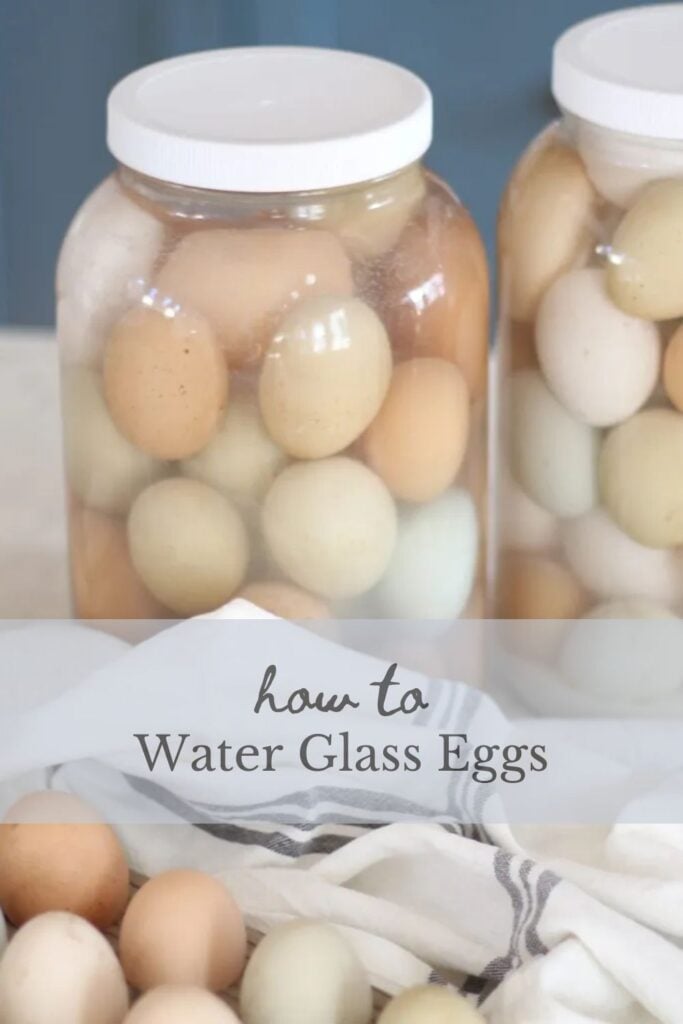
Credit: hopewellheightsblog.com
Choosing The Right Eggs
Choosing the right eggs is the foundation of successfully water glassing fresh eggs. The quality of eggs you select directly impacts how well they preserve over time. Paying close attention to certain details ensures your efforts don’t go to waste and your eggs remain safe and tasty.
Freshness Matters
Fresh eggs are your best bet for water glassing. The fresher the egg, the longer it will last in the water glass solution without spoiling.
To check freshness, try the simple float test: place the egg in a bowl of water. If it sinks and lies flat, it’s very fresh. If it tilts or floats, it’s older and less ideal for preservation.
Buying eggs directly from local farms or trusted sources often guarantees better freshness compared to store-bought ones. Have you noticed how farm-fresh eggs often taste better too?
Avoiding Cracked Eggs
Cracked eggs let bacteria in, which ruins the preservation process. Even a tiny crack can expose the egg to contamination.
Handle eggs gently and inspect them carefully before water glassing. Discard any with visible cracks or hairline fractures.
When you bring eggs home, don’t just toss them in the carton. Place them carefully and keep them refrigerated until you’re ready to preserve them. This extra care pays off in the long run.
Materials Needed
Gather fresh eggs, clean water, a bowl, and a spoon. Use room temperature water to avoid cracking the eggshells.
To successfully water glass fresh eggs, gathering the right materials is crucial. This step ensures the process is not only effective but also safe. Having the correct materials at your disposal can make the difference between a successful storage method and a disappointing outcome.
Water Glass Types
Water glass, or sodium silicate, comes in different forms. You can find it as a liquid or powder. Choose the form that you are most comfortable using. Liquid is often easier to measure and mix, but powder offers a longer shelf life.
Containers And Tools
Select a container that is non-reactive, such as glass or food-grade plastic. This prevents any unwanted chemical reactions with the water glass solution. The container should have a lid to keep dust and contaminants out. A large jar or bucket with a tight-fitting lid works well. You'll also need measuring tools like cups and spoons for accuracy. A stirring stick helps to mix the water glass solution thoroughly. Imagine opening your pantry six months from now and finding perfectly preserved eggs. With the right materials, this scenario is entirely possible. Are you ready to try water glassing your fresh eggs?
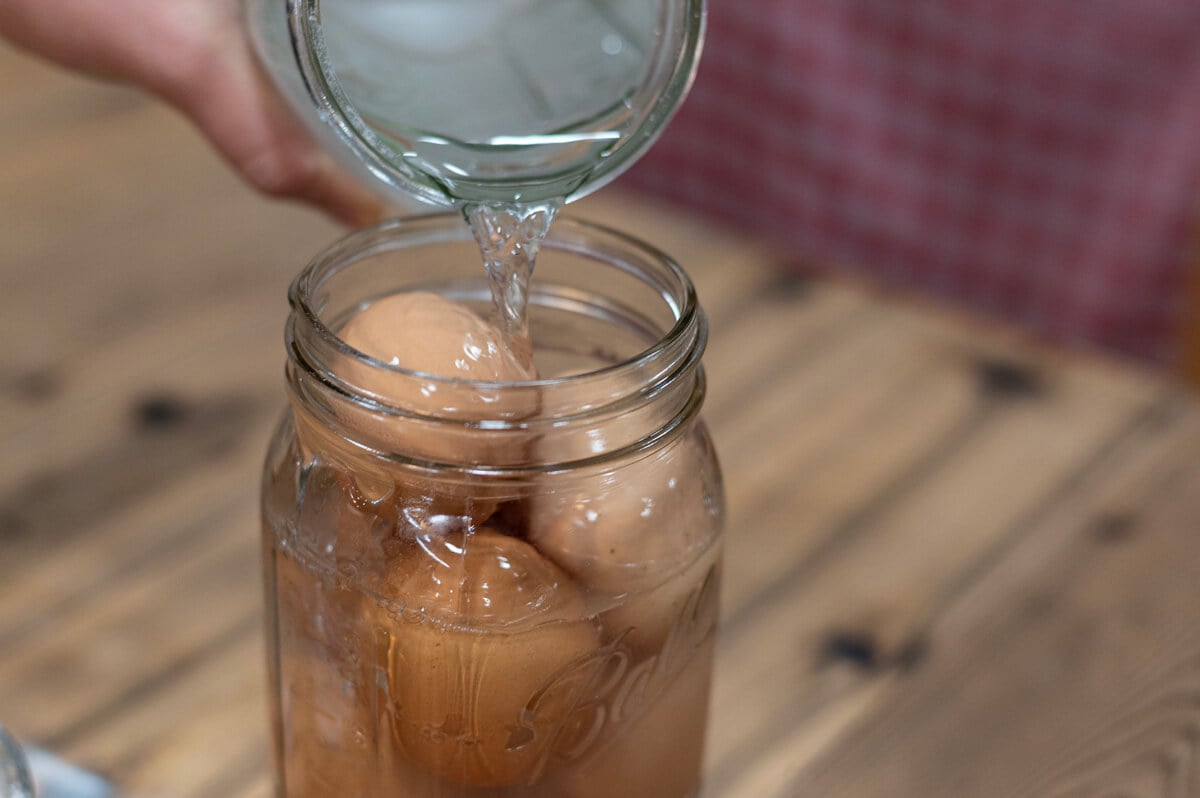
Credit: homesteadingfamily.com
Preparing The Water Glass Solution
Preparing the water glass solution correctly is key to keeping your fresh eggs safe and edible for months. The solution acts as a protective barrier, sealing the eggshell pores and preventing bacteria from entering. Getting the mixture right ensures the eggs stay fresh without any spoilage or off flavors.
Mixing Ratios
The most common ratio for a water glass solution is about 1 part sodium silicate to 9 parts water. This means if you use 1 cup of sodium silicate, mix it with 9 cups of clean water. Using too strong a solution can cause eggshells to become brittle, while too weak won't protect the eggs effectively.
Always use distilled or filtered water to avoid impurities that might interfere with the preservation process. Stir the mixture well until the sodium silicate dissolves completely, creating a clear, viscous liquid. Have you measured your ingredients precisely to ensure the best results?
Safety Precautions
Sodium silicate is a chemical, so handling it with care is essential. Wear gloves and eye protection while mixing to avoid skin and eye irritation. Make sure to work in a well-ventilated area to prevent inhaling any fumes.
Store the solution in a labeled, sealed container away from children and pets. Remember, even though it's used for preserving food, the solution itself is not edible. Taking these precautions keeps you safe and ensures your eggs stay fresh without any health risks.
Step-by-step Preservation Process
Start by gently washing fresh eggs and drying them. Warm water glass solution should fully cover the eggs. Store them in a cool, dark place to keep eggs fresh for months.
Preserving fresh eggs through water glassing is an age-old technique that extends their shelf life without refrigeration. This method, when done correctly, can keep your eggs fresh for months. Let's dive into the detailed steps to ensure your eggs are preserved perfectly.
Cleaning Eggs
Start with fresh, unwashed eggs directly from your own backyard or a trusted source. It's essential to use unwashed eggs because the natural bloom on the eggshell helps in the preservation process. However, if they are visibly dirty, gently wipe them with a dry cloth—never use water, as it can remove the protective coating.
Submerging Eggs Properly
Prepare a water glass solution by mixing one part pickling lime with nine parts water. Ensure the lime is fully dissolved to avoid any sediment. Use a large, clean, non-metallic container and carefully place the eggs inside, ensuring they are completely submerged in the solution. Check that no eggs are floating; floating eggs might already be compromised. If they float, remove them immediately. Keep the container in a cool, dark place to maintain the quality of the eggs. The process of water glassing might seem simple, but attention to detail is crucial. Have you ever wondered how preservation methods can impact the nutritional value of eggs? This method retains freshness while offering a glimpse into self-sufficiency and preparedness.
Storage Tips For Maximum Freshness
Keeping your water glass fresh eggs at their best requires more than just dipping them in water. How you store them plays a crucial role in preserving their quality and taste. Let’s dive into practical tips that help you maintain maximum freshness after the water glass process.
Ideal Temperature
Eggs stored at the right temperature stay fresh longer. Aim to keep them around 40°F (4°C), the temperature of a typical refrigerator. Avoid freezing temperatures, as they can damage the egg’s texture and flavor.
Storing eggs too warm invites bacteria growth, which shortens shelf life. If you don’t have a fridge, a cool, dark place with steady temperature works better than fluctuating warmth.
Have you noticed how eggs stored on your kitchen counter spoil faster than those in the fridge? This simple observation shows how temperature directly affects freshness.
Container Placement
Where you place the eggs inside your fridge matters. The door is the warmest spot and experiences temperature changes every time it opens.
Instead, store eggs on a middle or lower shelf, where the temperature is more stable. Using the original carton or a covered container prevents odors from seeping into the eggs and keeps them safe from bumps.
- Keep eggs pointed end down to maintain the yolk's position.
- Label containers with the date you water glassed the eggs to track freshness.
Think about how many times you open your fridge door daily. Wouldn’t you want your eggs to be far from that constant temperature swing? Proper placement makes a surprising difference in how long your eggs last.
How To Use Water Glassed Eggs
Using water glassed eggs can feel like unlocking a secret pantry treasure. These eggs have a unique preservation method that keeps them fresh for months. But how do you actually use them once you’re ready? Let’s break down the essentials to help you get the best out of your water glassed eggs.
Testing Freshness
Even though water glass preserves eggs well, it’s good to check their freshness before use. Gently remove an egg from the solution and rinse it under cool water.
Look for any cracks or odd odors—both are signs to discard the egg. You can also do a simple float test: place the egg in a bowl of water. If it sinks, it’s still fresh. If it floats, it’s time to toss it.
This quick check helps you avoid any surprises when cooking. Have you ever cracked an egg only to find it spoiled? This step saves you from that unpleasant experience.
Cooking Recommendations
Water glassed eggs behave much like fresh eggs in the kitchen, but they sometimes have firmer whites. This makes them excellent for hard boiling, as they peel easily without sticking to the shell.
You can use them in baking, scrambling, or frying with no noticeable difference. However, if you prefer your eggs soft-boiled or poached, they might be a bit firmer than usual, so adjust cooking times accordingly.
Try using water glassed eggs in recipes where texture matters, such as custards or quiches, and observe how they hold up. Have you noticed any recipe where egg texture changed the outcome? These eggs might surprise you.
Common Mistakes To Avoid
Water glassing fresh eggs is a fantastic way to extend their shelf life, but it requires care and attention to detail. Avoiding common mistakes can save you from wasted effort and spoiled eggs. Let’s look at some pitfalls that could undermine your success.
Using Old Eggs
Freshness is key when water glassing eggs. Using eggs that are already a week or more old can reduce the effectiveness of the preservation process. Older eggs may have tiny cracks or compromised shells, making them more vulnerable to bacteria.
If you’re unsure about an egg’s freshness, try the water test: place the egg in a bowl of water. Fresh eggs sink and lie flat; older eggs stand upright or float. Only water glass eggs that pass this freshness test to ensure they last longer and stay safe to eat.
Incorrect Solution Strength
The concentration of your water glass solution matters a lot. Too weak a solution won’t preserve the eggs properly, while too strong can damage the shells or affect the eggs inside. Typically, the right mix is about 1 part water glass to 9 parts water.
Measuring carefully is important—don’t guess or eyeball the mixture. If you notice eggs developing off odors or discoloration after storage, the solution strength might be off. Have you double-checked your measurements recently?
Alternatives To Water Glass Preservation
Water glass preservation is popular for storing fresh eggs. Still, some people seek other ways to keep eggs fresh for weeks. Alternatives offer easy options using common household tools or natural ingredients. These methods can suit different needs and storage spaces.
Refrigeration
Refrigeration is the simplest way to keep eggs fresh. Store eggs in their carton on a middle shelf, not in the door. This keeps a steady temperature, which slows down spoilage. Eggs can last 3 to 5 weeks in the fridge. Avoid washing eggs before storing; the natural coating helps protect them.
Other Natural Methods
Natural preservation uses simple, safe materials found at home. These methods reduce air exposure and bacteria growth.
- Lard or Mineral Oil Coating:Brush eggs with a thin layer of lard or mineral oil. This seals pores and keeps air out.
- Clay or Ash Storage:Store eggs in a box filled with clean clay or wood ash. This absorbs moisture and protects eggshells.
- Saltwater Brine:Soak eggs in a saltwater solution for a few minutes, then dry. This creates a protective barrier.
These natural methods can keep eggs fresh for several weeks without refrigeration.
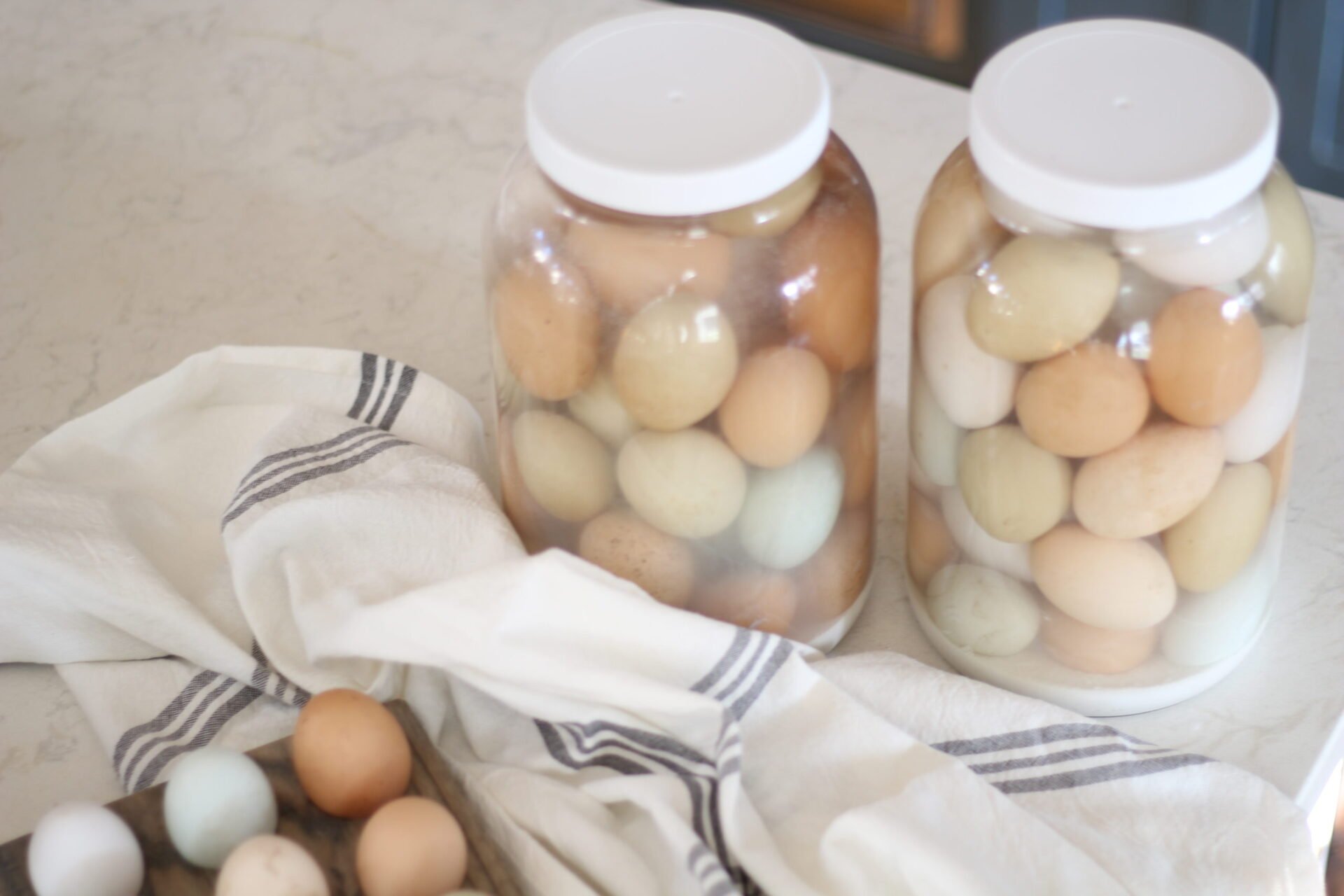
Credit: hopewellheightsblog.com
Frequently Asked Questions
How Do You Water Glass Fresh Eggs Properly?
To water glass fresh eggs, fully submerge them in a solution of water and sodium silicate. Use a clean container. Keep eggs in the solution for 10 to 14 days. This method seals pores, preserving freshness and extending shelf life effectively.
What Is The Best Water Temperature For Glassing Eggs?
Use cold or room temperature water when glassing eggs. Avoid hot water as it can damage the eggshell. The water should be clean and free of contaminants. Proper temperature ensures the sodium silicate solution forms a strong protective coating.
How Long Can Eggs Be Stored Using The Water Glass Method?
Eggs preserved in water glass can last up to 6 months. Store the container in a cool, dark place. Check eggs regularly to ensure the solution remains clear. This technique maintains egg quality and freshness for extended periods.
Can You Eat Water Glass Preserved Eggs Raw?
Yes, you can eat water glass preserved eggs raw. The preservation method does not affect the egg's edibility. Ensure eggs are thoroughly cleaned before use. This makes them safe and suitable for raw consumption in recipes.
Conclusion
Watering glass fresh eggs helps keep them clean and fresh longer. Use gentle, cool water to avoid cracking. Always handle eggs with care to protect their delicate shells. Clean eggs properly before storing them in a cool place. This simple step improves egg quality and safety.
Remember, fresh eggs taste better and cook well. Follow these easy tips for the best results. Keep your eggs fresh and ready for any recipe. Simple care makes a big difference in your kitchen.