Are you thinking about renting a storage container but unsure how much it will cost? You’re not alone.
Whether you need extra space for your home, business, or a big project, knowing the price upfront helps you make the best decision. You’ll discover the real factors that affect rental costs and how to find the best deal without breaking the bank.
Keep reading to save time, avoid surprises, and get the storage solution that fits your needs perfectly.

Credit: onsitestorage.com
Factors Affecting Storage Container Rental Costs
Several factors influence the cost of renting a storage container. These factors determine the final price you pay. Understanding them helps in budgeting correctly. It also allows you to choose the best option for your needs.
Container Size And Type
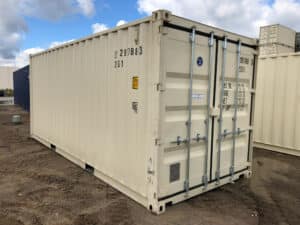
Storage containers come in various sizes. Common sizes include 10, 20, and 40 feet. Larger containers cost more to rent. The type of container also matters. Standard containers are cheaper. Specialized containers, like refrigerated or high-cube, have higher rates.
Rental Duration
Longer rental periods often reduce the daily cost. Short-term rentals may have higher daily rates. Some companies offer discounts for monthly or yearly rentals. Planning how long you need the container can save money.
Location And Delivery Fees
Rental costs vary by location. Urban areas usually have higher prices than rural areas. Delivery fees depend on distance and accessibility. Difficult locations might increase delivery costs. Some companies include delivery in the rental price, while others charge separately.
Additional Services And Features
Extra services add to the total cost. These can include container locks, insurance, or climate control. Features like shelving or lighting also increase the price. Choose only the services you need to keep costs low.
Average Rental Prices By Container Size
Understanding the average rental prices by container size helps you make an informed decision that fits your budget and storage needs. Prices vary widely depending on the container’s dimensions, rental duration, and location. Let’s break down what you can expect to pay for small, medium, and large storage containers.
Small Containers
Small containers, typically around 5 to 10 feet long, are perfect for storing a few boxes, small furniture, or seasonal items. These units usually cost between $50 and $100 per month. If you only need short-term storage for a few items, a small container could be the most cost-effective option.
Have you considered how much space your belongings actually take? Renting a larger container than necessary often means paying for unused space. Measuring your items first can save you money.
Medium Containers
Medium containers range from 10 to 20 feet and offer more flexibility for storing household goods during a move or renovation. Rental prices typically fall between $100 and $200 per month. These containers strike a balance between size and cost, making them a popular choice.
If you need to store furniture from a one-bedroom apartment or tools for a small business, a medium container might be just right. Think about how often you’ll need access—more frequent access can sometimes increase your total cost.
Large Containers
Large containers measure 20 feet or more and are designed for bigger storage needs like entire household moves or commercial inventory. Expect to pay anywhere from $150 to $300 or more per month. The price depends heavily on size, location, and rental terms.
Are you sure you need a large container? Sometimes splitting your items into two smaller containers can cost less and offer more convenience. Also, ask about delivery and pickup fees, as they can add up quickly with larger containers.
Comparing Rental Vs. Purchase Costs
Deciding between renting and buying a storage container depends on costs and your specific needs. Both options have different financial impacts. Understanding these can help you choose wisely and save money. Comparing rental vs. purchase costs reveals which option fits your budget better.
Short-term Vs Long-term Needs
Renting suits short-term storage needs. It offers flexibility without a large upfront cost. You pay monthly or weekly, depending on your agreement.
Buying works best for long-term use. It requires a bigger initial investment but becomes cheaper over time. No ongoing rental fees mean savings after a few months.
Consider how long you need the container. Short projects favor renting. Permanent storage favors buying.
Financial Benefits Of Renting
- No large upfront payment. You pay as you go.
- Maintenance and repairs usually handled by rental company.
- Easy to upgrade or change container size.
- Ideal for temporary needs or uncertain storage duration.
- Less commitment, freeing up your capital for other uses.
Renting avoids the risk of owning a container you no longer need. It offers financial flexibility and less responsibility. This option fits many budgets and project types.

Credit: onsitestorage.com
Tips To Save On Storage Container Rentals
Saving money on storage container rentals is easier than it seems. Small changes in your choices can cut costs. Understanding what affects the price helps you spend less.
Choosing The Right Size
Pick a container that fits your needs exactly. Renting a bigger container wastes money. Too small means renting twice or more. Measure your items carefully before deciding. Rental companies often list sizes clearly. Match your volume to the container’s space.
Negotiating Rental Terms
Rental prices can be flexible. Ask about discounts for long-term rentals. Some companies lower prices for early payments. Clarify the rental period and avoid extra charges. Talk openly about your budget. You might get a better deal than listed.
Avoiding Hidden Fees
Read the rental contract carefully. Look for extra costs like delivery, pickup, or cleaning fees. Ask if insurance or taxes apply. Confirm what happens if you keep the container longer. Clear terms prevent surprise bills. Always get all fees in writing.
Popular Storage Container Rental Providers
Choosing the right storage container rental provider can be crucial. It impacts cost, convenience, and service quality. Several options exist, from large national companies to smaller local businesses. Each offers unique benefits and pricing structures. Understanding these options helps in making an informed decision.
National Companies
National providers offer widespread service coverage. They often have a vast fleet of containers. This ensures availability in most areas. Companies like PODS and U-Haul are well-known. They provide reliable and consistent service.
These companies often offer various container sizes. This flexibility caters to different storage needs. They may also provide delivery and pickup services. This adds convenience for customers. However, their prices might be higher due to brand reputation.
Local And Regional Options
Local and regional providers can be more affordable. They often offer personalized service. This can be appealing for those who prefer a personal touch. Local businesses may have a better understanding of community needs.
These providers sometimes offer more competitive pricing. They may also offer flexible rental terms. Supporting local businesses can also benefit the community. It's worth considering these options for cost-effective solutions.
Credit: westerncontainersales.com
Common Uses For Rented Storage Containers
Rented storage containers offer flexible and secure space for many needs. They suit both personal and business purposes. Understanding common uses helps decide if a storage container fits your situation.
Home Renovation And Moving
Storage containers keep belongings safe during home projects. They provide extra space for furniture and tools. Containers protect items from dust and damage. During moving, they store boxes and fragile goods. This reduces stress and keeps things organized.
Business Storage Needs
Businesses use storage containers for extra inventory space. They store equipment, supplies, and seasonal items. Containers help manage stock without renting costly warehouses. They are also useful for construction sites. Containers keep tools and materials secure on location.
Event And Temporary Storage
Events need temporary storage for supplies and equipment. Containers hold chairs, tables, and decorations safely. They also work for festivals, fairs, and markets. Containers offer a mobile solution to move items easily. This keeps the event area tidy and organized.
Frequently Asked Questions
How Much Does Renting A Storage Container Typically Cost?
Renting a storage container usually costs between $75 and $250 per month. Prices vary by size, location, and rental duration. Additional fees may apply for delivery, pickup, or insurance. Comparing local providers helps find the best deal for your storage needs.
What Factors Affect Storage Container Rental Prices?
Rental costs depend on container size, rental length, and location. Delivery distance and container condition also influence pricing. Seasonal demand can impact rates. Understanding these factors helps you budget accurately and avoid unexpected fees during your rental period.
Are There Additional Fees Beyond The Rental Price?
Yes, additional fees may include delivery, pickup, and insurance charges. Some companies charge deposits or late return fees too. Always clarify all costs before signing a rental agreement to avoid surprises and ensure your total cost fits your budget.
Can I Rent A Storage Container Short-term?
Yes, many companies offer short-term rentals from one week to a few months. Shorter rentals may cost more per month. Confirm rental terms with the provider to ensure flexibility and meet your specific storage timeline.
Conclusion
Renting a storage container costs vary by size and rental time. Choose the size that fits your needs best. Shorter rentals often cost less overall. Delivery and pickup fees may add to the price. Always ask about hidden fees before signing a contract.
Compare prices from different companies to get a fair deal. Knowing these factors helps you plan your budget well. This way, you avoid surprises and save money. Renting a storage container can be simple and affordable.