Are you wondering how to turn on your Whirlpool refrigerator quickly and correctly? Getting your fridge up and running is easier than you think, but missing a simple step can leave you puzzled.
In this guide, you’ll find clear, step-by-step instructions that help you power on your Whirlpool fridge without any hassle. Keep reading to make sure your food stays fresh and your appliance works perfectly from the very start.
Preparing For Activation
Before turning on your Whirlpool refrigerator, it's important to prepare properly. This ensures the appliance works safely and efficiently from the start. Taking a few moments to set up can prevent potential issues and save you time.
Gather Necessary Tools
Having the right tools ready makes the activation process smoother. Generally, you’ll need:
- A flathead screwdriver
- A Phillips screwdriver
- A voltage tester or multimeter (optional but helpful)
- A flashlight, especially if your kitchen lighting is dim
These tools help you check connections and secure any panels if needed. I once skipped gathering a screwdriver and wasted time searching for one, which delayed the setup. Don’t let that happen to you!
Check Power Source
Power supply is critical for your refrigerator to function correctly. Make sure the outlet you plan to use is grounded and delivers the correct voltage—usually 110-120 volts in most homes.
Inspect the power cord for any damage, such as fraying or exposed wires. Plugging into a faulty outlet or using a damaged cord can cause electrical hazards or prevent the fridge from turning on.
Have you checked if the outlet is controlled by a wall switch? Some kitchens have switched outlets that turn off power unexpectedly. Testing with a lamp or a voltage tester can save you from confusion later.
Credit: www.kernhill.ca
Locating The Power Button
Locating the power button on your Whirlpool refrigerator is the first step to getting it up and running. It might seem simple, but finding the right button can save you time and frustration. Knowing exactly where to look helps you avoid unnecessary troubleshooting or calling for help.
Identify Control Panel
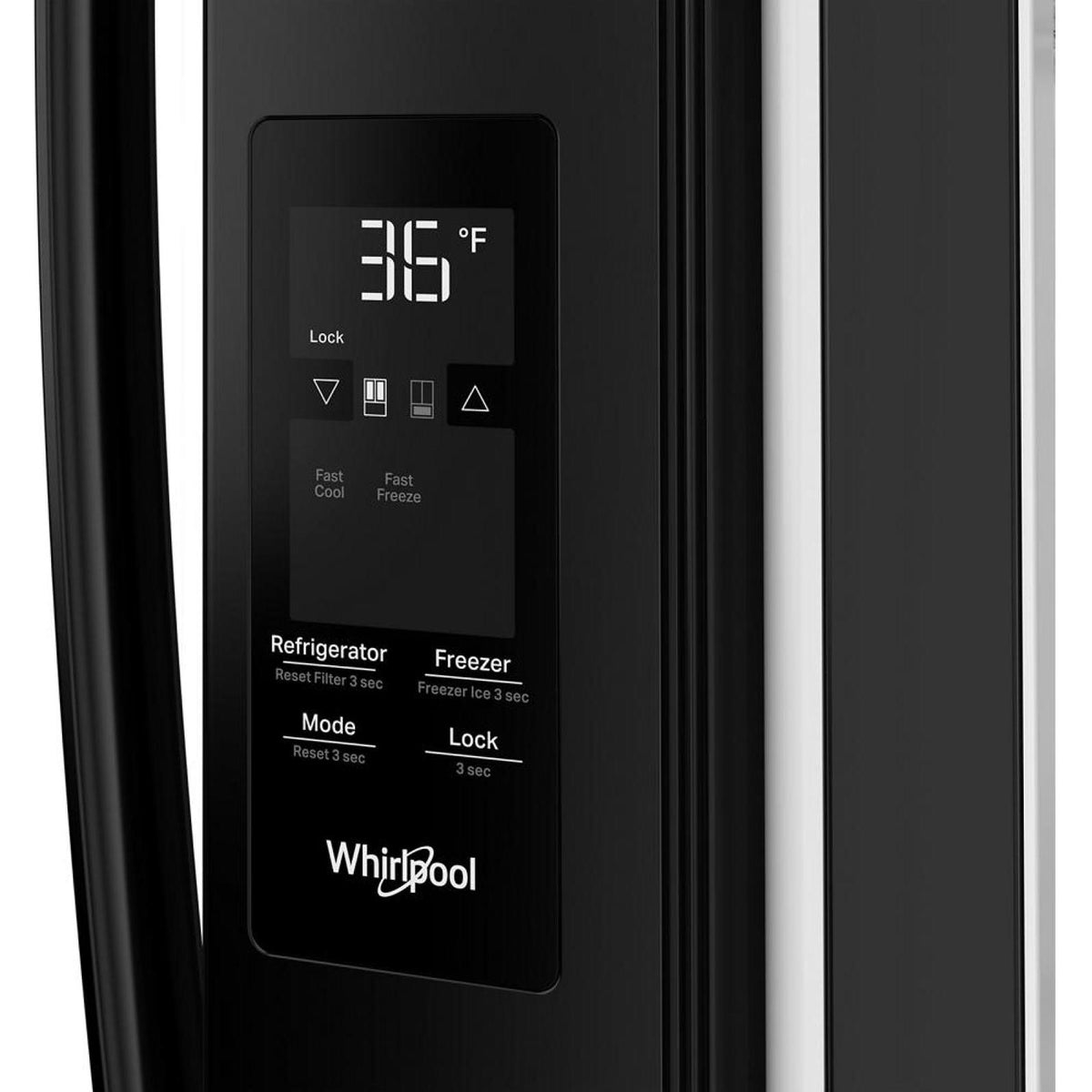
The power button is often part of the refrigerator’s control panel. This panel is usually located on the front of the fridge, either inside the door or on the exterior surface. Take a close look at the control panel to spot any buttons labeled with power symbols or words like “On/Off.”
Some models feature touch-sensitive controls, while others have physical buttons. If your panel has a digital display, the power button will often be near it. If you don’t see a dedicated power button, check for a switch labeled “Power” or “Fridge/Freezer.”
Access Power Button
Once you’ve identified the control panel, accessing the power button is usually straightforward. For models with an external panel, you can press the button directly without opening the fridge. However, if the control panel is inside, open the fridge door to reach it.
Be gentle when pressing the button, especially if it’s a touch control. If you’re unsure, refer to your Whirlpool refrigerator’s manual for exact button locations. Have you ever pressed a button only to realize it controlled something else? Double-checking saves you from that confusion.
Adjusting Temperature Settings
Adjusting the temperature settings on your Whirlpool refrigerator is key to keeping your food fresh and drinks perfectly chilled. Knowing how to set the right cooling level helps you avoid spoiled groceries and save energy. It might seem simple, but small tweaks can make a big difference.
Set Desired Cooling Level
Start by deciding how cold you want your fridge. Most Whirlpool models recommend a temperature around 37°F (3°C) for the refrigerator and 0°F (-18°C) for the freezer. However, you might want to adjust this based on your usual food storage needs.
Think about what you store most often. If you keep lots of fresh vegetables, a slightly higher temperature might preserve their texture better. On the other hand, if you store meat or dairy, a colder setting can prevent bacteria growth.
Use Control Knob Or Digital Display
Whirlpool refrigerators typically use either a control knob or a digital display to adjust temperatures. The control knob is straightforward: turn it to a higher number to cool more, or lower to warm up. It’s tactile and easy to use without looking closely.
Digital displays offer more precise control and often show the exact temperature. You can press buttons to raise or lower the temperature in small increments. Some models even have separate controls for the fridge and freezer compartments, giving you more flexibility.
- Check your user manual to find the control type on your model.
- Make small adjustments and wait 24 hours to see the effect before changing again.
- Use a fridge thermometer to verify the actual temperature if you want extra accuracy.
Have you noticed how small changes in temperature affect your food? Experimenting with these settings can save you from throwing away spoiled groceries and might even reduce your electric bill.

Credit: manuals.plus
Ensuring Proper Ventilation
Proper ventilation is key to keeping your Whirlpool refrigerator running efficiently. It helps the fridge cool down without overheating. Good airflow around the appliance prevents damage and saves energy. Pay attention to where you place the refrigerator to ensure it breathes well.
Leave Space Around The Fridge
Keep some space between the refrigerator and walls or cabinets. Leave at least 2 inches on the sides and 1 inch at the back. This space allows air to flow freely around the compressor and coils. Crowding the fridge can cause it to work harder and use more electricity.
Avoid Blocking Air Vents
Check the vents on the fridge and keep them clear of objects. Do not place items directly in front of the vents inside or outside the fridge. Blocked vents reduce airflow and cause uneven cooling. Clean the vents regularly to remove dust and debris that can block air circulation.
Troubleshooting Common Issues
Facing issues with your Whirlpool refrigerator can be frustrating, especially when it won’t turn on or maintain the right temperature. Understanding common problems helps you fix them quickly and avoid unnecessary service calls. Let's look at some frequent troubleshooting tips that might save your day.
Power Supply Problems
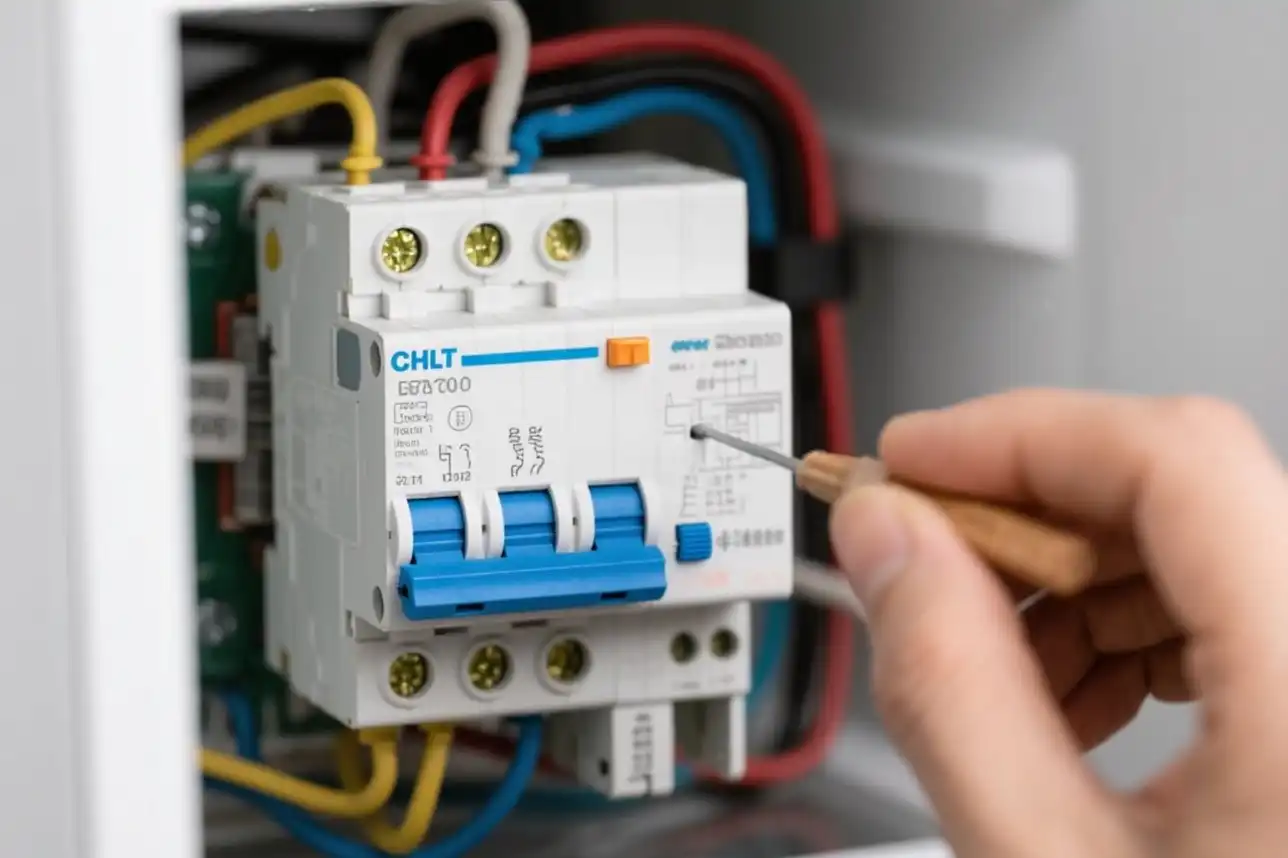
Is your refrigerator completely unresponsive? Start by checking the power source. Many times, the issue lies in something as simple as a loose plug or a tripped circuit breaker.
- Make sure the power cord is firmly plugged into a working outlet.
- Test the outlet by plugging in another device to see if it’s supplying electricity.
- Check your home’s circuit breaker panel for any tripped switches and reset them if needed.
Sometimes, power surges can damage the internal electronics. Have you noticed flickering lights or other appliances acting up? Using a surge protector specifically designed for refrigerators can prevent future issues.
Temperature Fluctuations
Is your fridge too warm or too cold despite adjusting the settings? Temperature inconsistencies often signal airflow or door seal problems.
- Inspect the door gasket for cracks or gaps that let cold air escape.
- Clear any obstructions blocking the air vents inside the fridge to maintain proper circulation.
- Ensure the fridge isn’t packed too tightly; overcrowding restricts airflow and causes uneven cooling.
Have you tried changing the temperature settings gradually and monitoring the results over 24 hours? Sometimes it takes time for the fridge to stabilize after adjustments. If problems persist, the thermostat or sensors might need professional attention.
Maintenance Tips For Optimal Performance
Keeping your Whirlpool refrigerator running smoothly doesn’t just depend on turning it on correctly. Regular maintenance plays a huge role in extending its life and ensuring it performs at its best. Small habits like cleaning and checking filters can make a big difference in how efficiently your fridge cools and conserves energy.
Regular Cleaning Routine
Cleaning your refrigerator regularly helps prevent odors and keeps your food fresh longer. Start with wiping down the interior shelves and drawers using a mild soap solution. Avoid harsh chemicals that could damage surfaces or leave harmful residues.
Don’t forget the door seals—they often collect dirt and grime, which can cause your fridge to work harder to stay cool. Gently clean seals with warm water and a soft cloth, checking for cracks or tears that might need repair. Have you noticed your fridge running more often? Dirty seals might be the reason.
Check And Replace Filters
Your Whirlpool refrigerator’s water and air filters play a crucial role in maintaining clean water and fresh air inside. Over time, these filters get clogged and reduce performance. Check the manufacturer’s guide to find out how often to replace them—usually every 6 months.
Replacing filters is simple and prevents unpleasant tastes or odors in water and ice. If you ever forget, try marking the date on your calendar or setting a reminder on your phone. Have you tasted your water lately? If it’s not fresh, it might be time for a new filter.
Credit: learnwhirlpool.com
Frequently Asked Questions
How Do I Turn On A Whirlpool Refrigerator?
To turn on a Whirlpool refrigerator, plug it into a power outlet. Press the power button on the control panel if available. Adjust the temperature settings to your preference. Wait a few hours for the fridge to cool down before use.
Where Is The Power Button On Whirlpool Refrigerators?
The power button is usually located on the control panel inside the fridge or on the exterior door. Some models may have a switch at the back or near the compressor. Check your user manual for the exact location specific to your model.
How Long Does It Take For A Whirlpool Fridge To Cool?
It typically takes 4 to 24 hours for a Whirlpool refrigerator to reach the desired temperature. The cooling time depends on the model, room temperature, and how often the door is opened. Avoid placing hot food inside during this period.
Can I Turn On A Whirlpool Fridge Without A Power Button?
Yes, if your model lacks a power button, simply plug the fridge into an electrical outlet. The appliance will start cooling automatically once connected to power. Adjust temperature settings through the control panel if needed.
Conclusion
Turning on your Whirlpool refrigerator is simple and quick. Just follow the steps carefully. Make sure the fridge is plugged in properly. Use the control panel to set the temperature. Check that the lights and fans start working. Keep the door closed to help it cool faster.
Regular use keeps your food fresh and safe. Now you know how to power up your Whirlpool fridge. Enjoy fresh food every day without any hassle.