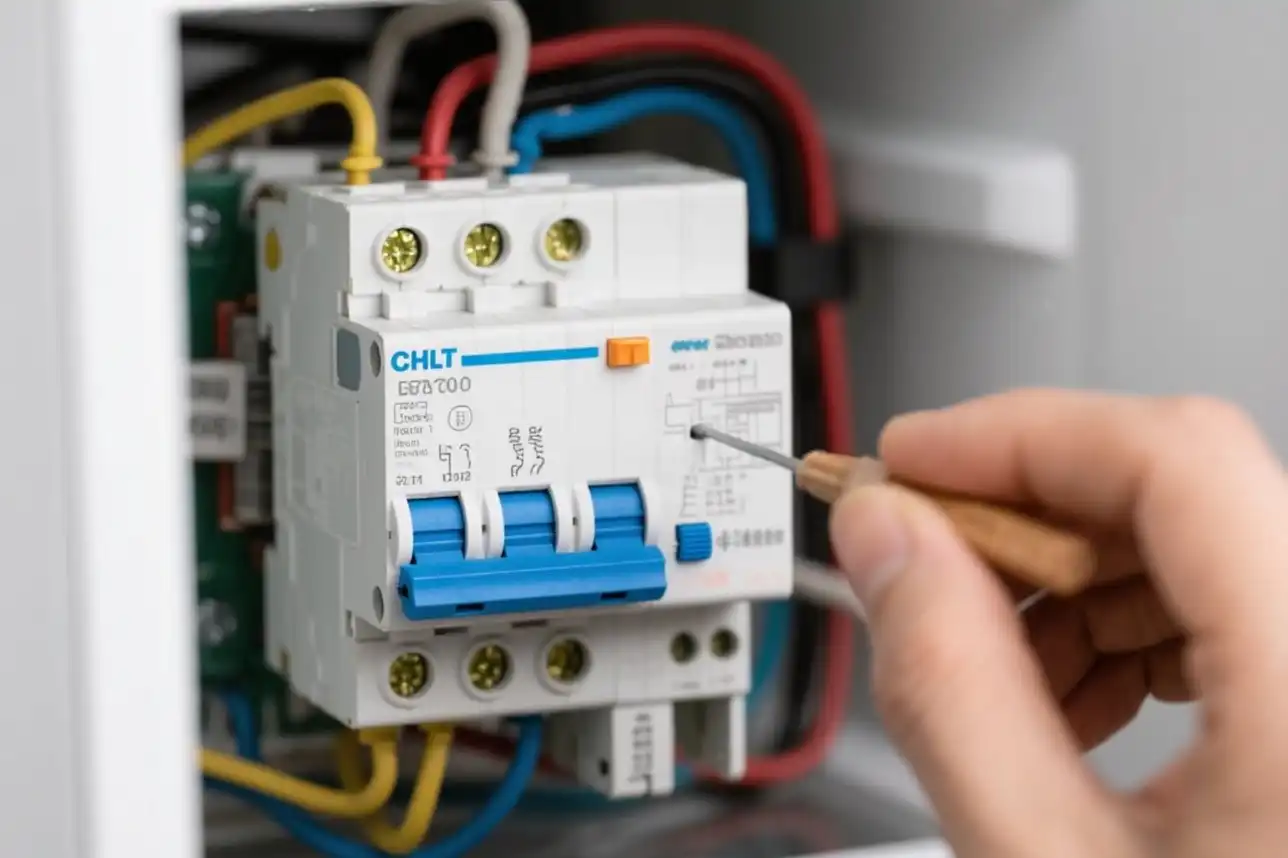
Is your refrigerator acting up? You might not notice the small signs at first, but they can quickly turn into big problems.
Knowing how to tell if your refrigerator is going out can save you time, money, and the hassle of spoiled food. You’ll discover the key warning signs to watch for, so you can take action before it’s too late. Keep reading to protect your food and your wallet.

Credit: www.oliverdyersappliance.com
Unusual Noises
Unusual noises from a refrigerator often signal trouble. These sounds can indicate parts wearing out or needing repair. Paying attention to strange noises helps catch problems early. This saves money and prevents food spoilage.
Loud Or Constant Sounds
Loud humming or buzzing that never stops is a warning sign. The compressor or fan might be struggling. Continuous noise means the refrigerator works harder than usual. This can lead to overheating or failure. Check for dust or debris blocking vents. If noise persists, a technician should inspect it.
Clicking Or Buzzing
Frequent clicking sounds often point to electrical issues. The relay or start device could be faulty. Buzzing may come from the compressor trying to start. These noises usually come in cycles, not steady. Ignoring clicking or buzzing risks a complete breakdown. Early service can fix these problems before they worsen.
Credit: www.tastingtable.com
Temperature Fluctuations
Temperature fluctuations in a refrigerator can cause many problems. These changes mean the fridge is not keeping a steady cold temperature. This can hurt your food and the appliance itself. Spotting these shifts early helps avoid bigger issues and costly repairs.
Food Spoiling Quickly
Food spoils faster if the temperature goes up and down. Cold spots and warm spots inside the fridge can cause this. Meat, dairy, and leftovers are most at risk. You might notice bad smells or mold sooner than usual. The fridge may work, but not well enough to keep food safe.
Frost Buildup
Frost can grow inside the freezer or fridge compartments. This happens when the temperature is not stable. Frost blocks air vents and stops cold air from moving properly. It makes the fridge work harder and use more energy. Frost buildup can also cause parts to freeze or break down.
Excessive Moisture
Excessive moisture in your refrigerator signals a problem. It affects the freshness of your food and the appliance’s efficiency. Moisture issues often mean the fridge is struggling to maintain the right temperature or seal. Spotting these signs early can save you from costly repairs or food waste.
Water Pooling Inside
Water collecting at the bottom or inside the fridge is a warning sign. It happens when the defrost drain is clogged or frozen. Moisture builds up and turns into puddles. This can damage shelves and food packaging. Check for standing water after closing the door for a few hours.
Condensation On Exterior
Moisture forming on the fridge’s outer surface is unusual. It shows poor insulation or a door seal problem. Warm air meets the cold surface, causing water droplets. This can lead to rust or electrical issues. Wipe the condensation and watch if it returns quickly.

Credit: en.clickpetroleoegas.com.br
Door Seal Issues
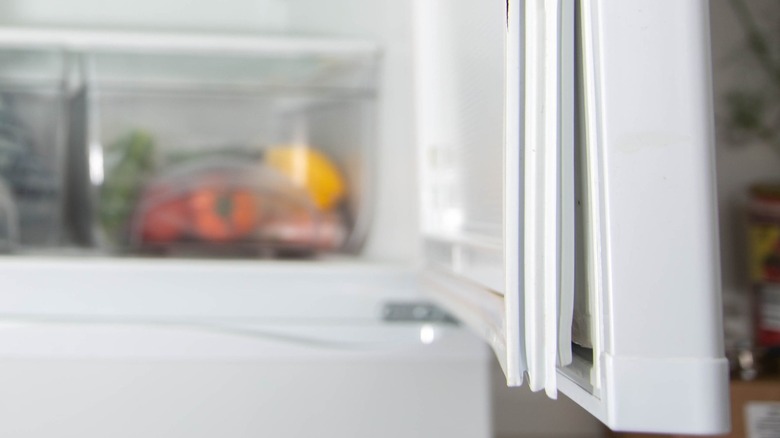
The door seal plays a vital role in keeping your refrigerator cool. It stops cold air from escaping and warm air from entering. When the seal weakens, the fridge works harder and uses more energy. Detecting door seal issues early helps avoid costly repairs and food spoilage.
Damaged Or Loose Gaskets
The gasket is the rubber strip around the fridge door. It should fit tightly against the frame. Over time, gaskets can become cracked, torn, or loose. These damages create gaps that let cold air escape.
Check the gasket for any visible signs of wear or damage. Press along the seal to feel for soft spots or areas that do not stick well. Loose gaskets may need tightening or replacement.
Cold Air Leakage
Cold air leakage happens when the door seal fails to close properly. You may notice frost buildup around the door edges or inside the fridge. The fridge may run constantly or make unusual noises.
Test for leakage by closing the door on a piece of paper. If you can pull the paper out easily, the seal is weak. This means cold air is escaping and the fridge is less efficient.
Frequent Cycling
Frequent cycling of your refrigerator can signal a problem. It means the fridge turns on and off too often, wasting energy and wearing out parts. Watch for this sign to avoid a complete breakdown.
Frequent cycling of your refrigerator signals potential issues. This cycling involves the appliance turning on and off more than usual. It's important to understand the implications of this behavior. It might lead to higher energy bills and reduced efficiency. Recognizing these signs early can save you from bigger problems.
Short On-off Periods
If your fridge cycles on and off quickly, it may indicate trouble. Normal operation involves longer intervals between cycles. Short cycles mean the fridge struggles to maintain the right temperature. This can strain the motor and other components. Over time, this wear and tear can cause breakdowns.
Increased Energy Use
Frequent cycling can increase your energy consumption. A fridge running more often uses more electricity. This can lead to a noticeable rise in your utility bills. Monitoring your energy usage can help detect this issue early. A sudden spike in your bill might suggest your fridge is working harder than it should. Reducing energy use can extend the life of your appliance.
Visible Wear And Tear
Visible wear and tear on your refrigerator can be an early sign that it’s struggling to perform efficiently. These physical damages might seem minor at first, but they often point to deeper issues that could lead to a complete breakdown. Paying attention to these signs helps you decide whether it’s time to repair or replace your fridge before it stops working altogether.
Rust Or Corrosion
Have you noticed any rust spots or corrosion on the exterior or interior of your refrigerator? Rust can weaken the metal surfaces and eventually cause holes or leaks, affecting the fridge’s ability to maintain temperature. Corrosion near the door seals can prevent the fridge from closing tightly, letting cold air escape and driving up energy bills.
It’s easy to overlook small rust patches, but once they start spreading, they indicate moisture problems or aging materials. If you spot rust near electrical components, that could lead to dangerous shorts or failures. Acting quickly to clean and treat rust might extend your fridge’s life, but persistent corrosion often means the appliance is nearing the end of its usefulness.
Broken Shelves Or Lights
Broken shelves or malfunctioning interior lights might seem like minor inconveniences, but they can affect how you use your fridge daily. A cracked shelf reduces storage space and stability, increasing the risk of spills and food waste. Lights that flicker or don’t work at all make it harder to find items, especially in low-light conditions.
Sometimes, these issues result from rough handling, but they can also signal internal wear. If shelves keep breaking or lights fail repeatedly, it might mean the fridge’s internal structure or wiring is degrading. Would you feel comfortable relying on a fridge that’s physically falling apart inside? These visible problems often suggest it’s time to consider replacement options.
Age And Performance
Refrigerators age like any other appliance. Over time, their performance naturally slows down. This can affect how well your food stays fresh. Knowing the age and performance signs helps you decide on repairs or replacement. It also prevents sudden breakdowns that spoil your groceries.
Signs Of Aging
- The fridge runs constantly and loudly.
- Temperature inside fluctuates often.
- Ice buildup appears in the freezer.
- Door seals become cracked or loose.
- Energy bills rise without explanation.
- Food spoils faster than usual.
- Interior lights flicker or stop working.
When To Replace
Most refrigerators last about 10 to 15 years. Past this age, repairs may cost more than a new unit. Frequent breakdowns or poor cooling are clear signs to replace. If energy use spikes, a newer model saves money long term. Consider replacement when:
- Repairs happen more than twice a year.
- Cooling is uneven or too warm.
- Door seals no longer close tightly.
- Energy bills are unusually high.
- The fridge is over 12 years old.
Frequently Asked Questions
How Do I Know If My Refrigerator Is Failing?
Signs include inconsistent cooling, strange noises, and water leaks. Check for frost buildup or frequent cycling. These indicate potential failure or worn parts needing repair.
What Causes A Refrigerator To Stop Cooling Properly?
Common causes are dirty coils, faulty thermostat, or a broken compressor. Regular maintenance prevents these issues and ensures efficient cooling performance.
When Should I Replace My Old Refrigerator?
Replace if repairs cost more than 50% of a new unit. Also consider age; most refrigerators last 10-15 years before efficiency declines significantly.
Can A Refrigerator’s Noise Indicate Problems?
Yes, unusual sounds like buzzing or rattling often signal mechanical issues. Early diagnosis helps avoid complete breakdown and costly repairs.
Conclusion
A refrigerator showing signs of trouble needs attention soon. Strange noises, warm spots, and excess frost are clear warnings. Acting fast can save food and money. Regular checks help catch problems early. Small fixes might stop bigger damage. Trust your senses; they often know best.
Keep your fridge running smooth for longer. Don’t wait until it stops working completely. Taking care now prevents stress later. Your fridge keeps your food fresh. Treat it well.