Have you ever found a silver spoon and wondered if it’s the real deal? Knowing whether your silver spoon is genuine can save you time, money, and disappointment.
But how can you be sure without spending a fortune on tests? You’ll discover simple tricks and easy steps to quickly tell if your silver spoon is real. Keep reading, because the answer might be closer than you think—and you don’t want to miss it!
Spotting Authentic Silver Marks
Spotting authentic silver marks is key to knowing if your silver spoon is real. These marks act like a fingerprint, proving the metal's quality and origin. Learning to recognize them can save you from costly mistakes and help you appreciate your silver piece even more.
Common Hallmarks On Silver
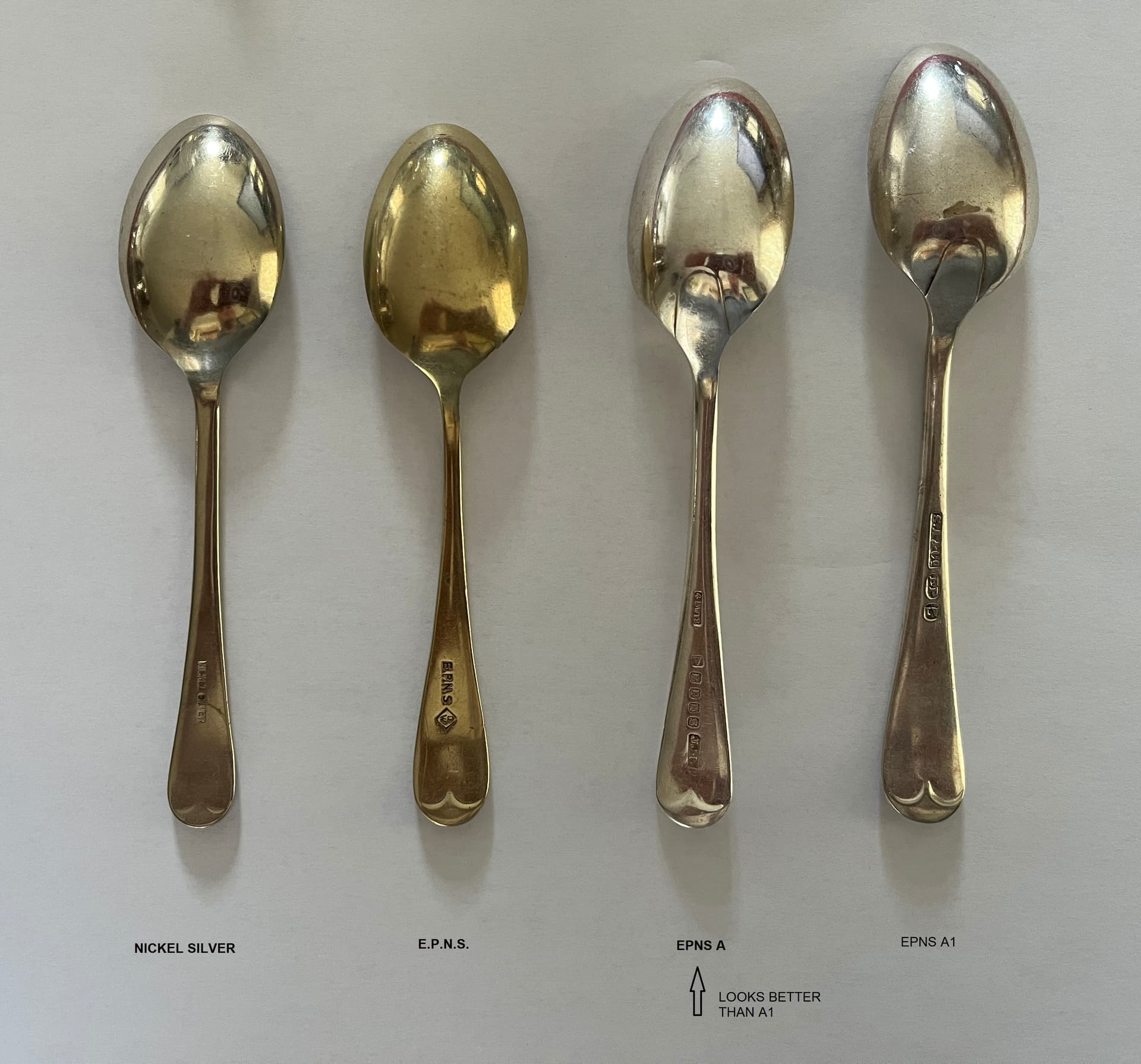
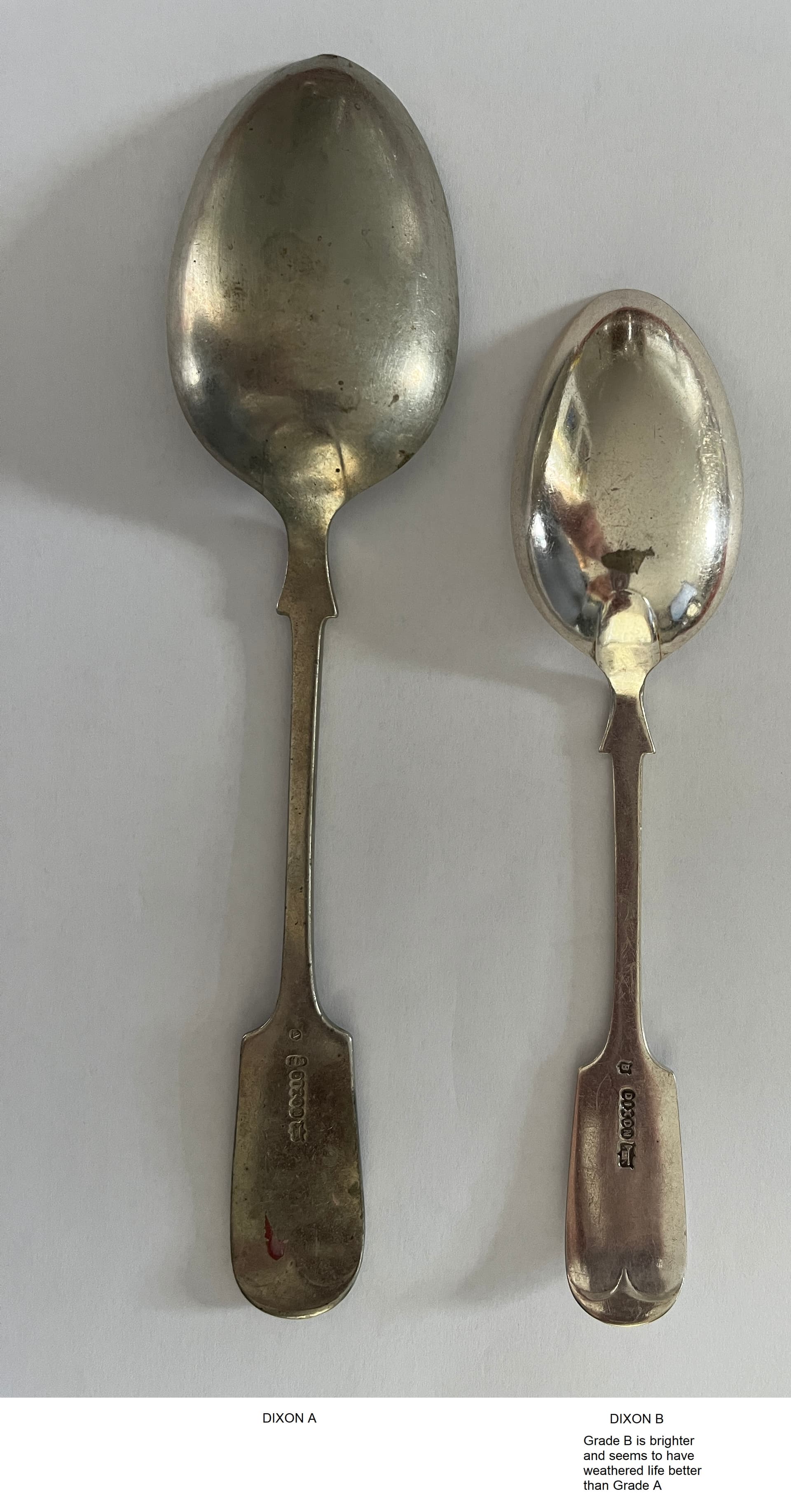
Silver items often carry hallmarks that tell a story about their maker, purity, and place of origin. These marks are usually tiny and stamped into the back or handle of the spoon.
Look for symbols such as:
- Numbers like 925indicating the silver content (92.5% pure silver).
- Images like a lion, anchor, or crown which are traditional British hallmarks.
- Letters or initials that represent the silversmith or company.
Have you ever noticed a small animal or letter on your silverware? That could be the clue you need to confirm authenticity.
Identifying Sterling Silver Stamps
Sterling silver is the most common type of silver used for cutlery and jewelry. Its hallmark is usually a number followed by the word “Sterling” or a simple “925” stamp.
These stamps mean the piece contains 92.5% pure silver mixed with other metals for strength. If you find these marks on your spoon, it’s a strong sign you have real sterling silver.
Beware of fake stamps that look similar but don’t have the right depth or clarity. A genuine sterling silver mark is clear, precise, and often accompanied by other hallmarks.

Credit: www.youtube.com
Conducting Simple Home Tests
Testing silver spoons at home can be quick and easy. Simple tools and observations help check authenticity. These tests do not need special skills or expensive equipment. Try these methods to see if your silver spoon is real.
Magnet Test For Silver
Pure silver is not magnetic. Hold a small magnet near the spoon. If the spoon sticks to the magnet, it is not real silver. Some metals used to fake silver attract magnets. This test helps rule out many fake spoons quickly.
Ice Cube Test For Conductivity
Silver conducts heat very well. Place an ice cube on the spoon. It will start to melt faster on real silver. Watch how quickly the ice melts compared to other spoons. Faster melting means better conductivity and likely real silver.
Weight And Sound Check
Silver has a specific weight and sound quality. Hold the spoon and feel its weight. Real silver is heavier than many metals. Tap the spoon gently and listen. Real silver makes a clear, ringing sound. Fake spoons often sound dull or flat.
Examining The Spoon’s Appearance
Examining the spoon’s appearance is a key step to identify if it is real silver. Silver has unique visual traits that set it apart from other metals. Careful observation helps spot these subtle signs. Pay close attention to color, shine, and marks on the spoon.
Inspecting Tarnish Patterns
Silver tarnishes over time and forms a distinct dark layer. This tarnish is usually uneven and patchy. It appears as gray or black spots on the surface. Tarnish on fake silver may look different, like green or rust-colored. Real silver tarnish can be gently wiped off, revealing a bright shine underneath.
Assessing Craftsmanship Details
Silver spoons often show fine, clear details in their design. Look at edges and patterns closely. Real silver has smooth, well-defined engravings or embossing. The spoon feels solid and balanced in hand. Poorly made spoons with rough edges or unclear markings usually are not genuine silver.
Credit: www.silver-collector.com
Using Chemical Testing Methods
Chemical tests reveal a silver spoon’s authenticity by reacting with its surface. Simple acid tests show real silver by changing color or leaving marks. These tests offer a quick, reliable way to check silver’s purity at home.
Determining the authenticity of a silver spoon can be quite fascinating, especially if you're a collector or someone interested in fine dining. One effective way to verify if your silver spoon is genuine is through chemical testing methods. These methods involve specific tests that reveal the true nature of the metal, offering you peace of mind and assurance of your silver's worth. Let's explore some of the most reliable chemical testing techniques to help you confirm your silver spoon's authenticity.
Applying Silver Acid Test
The silver acid test is a popular method for verifying silver content. This involves using a special acid solution designed to react with silver. First, find an inconspicuous spot on the spoon to test. Apply a small drop of the acid solution and observe the reaction. Genuine silver will produce a creamy white color, while fake silver may turn green or brown. If you're unsure about the results, consult a color chart provided with your testing kit. Remember to wear gloves and take necessary precautions, as the acid can be harmful. Testing kits are available online and are relatively inexpensive, making them a convenient option for silver enthusiasts.
Considering Professional Assay
For those seeking a more definitive analysis, a professional assay might be the best option. This involves taking your silver spoon to a professional jeweler or assay office. Professionals use advanced testing methods, such as X-ray fluorescence, to determine the silver content accurately. This method is non-destructive and provides a detailed breakdown of the metal composition. While professional assays might cost more, they offer precise results and peace of mind. It's a worthwhile investment, especially for valuable or antique pieces. Have you ever thought about the history behind your silver spoon? Knowing its authenticity adds to its story and can enhance your appreciation of its craftsmanship.
When To Seek Expert Appraisal
Knowing when to seek an expert appraisal for your silver spoon can save you time, money, and uncertainty. Sometimes, the markings or weight alone don’t tell the full story about authenticity or value. If you find yourself doubting the spoon’s genuineness or considering selling it, an expert’s opinion is invaluable.
Finding Trusted Silver Experts
Not all appraisers have the same level of knowledge about silverware. Look for specialists who focus on silver antiques or jewelry rather than general appraisers. Check credentials like membership in professional organizations such as the American Society of Appraisers or the International Society of Appraisers.
Ask for references or reviews from previous clients. You can also visit local antique shops or silver dealers for recommendations. Remember, trust builds over time—don’t hesitate to interview a few experts before choosing one.
Understanding Appraisal Reports
Once you get the appraisal, the report should be clear and detailed. It typically includes the spoon’s metal content, condition, maker’s marks, and estimated value. Pay attention to how the expert explains their findings—do they provide context or just numbers?
Ask questions if anything feels unclear. For example, if the report mentions “sterling silver” but you see discoloration or uneven weight, inquire about those inconsistencies. A good appraisal report not only confirms authenticity but also helps you make informed decisions about your silver spoon’s future.
Caring For Your Silver Spoon
Caring for your silver spoon keeps it shiny and lasting longer. Proper care prevents damage and dullness. Use the right methods to clean and protect your spoon. Simple habits help maintain its beauty every day.
Proper Cleaning Techniques
Use mild soap and warm water to clean your silver spoon. Avoid harsh detergents or scrubbers that can scratch the surface. Gently rub with a soft cloth or sponge. Rinse thoroughly to remove soap residue. Dry with a clean, soft towel to prevent water spots.
For stubborn stains, try a silver polish made for fine silver. Apply a small amount and rub gently. Wipe away with a clean cloth. Avoid soaking the spoon in harsh chemicals or bleach.
Preventing Tarnish Over Time
Tarnish forms from exposure to air and moisture. Store your silver spoon in a dry place. Use anti-tarnish strips or cloth inside the storage box. Keep it away from rubber bands or newspaper, which speed up tarnishing.
Regular cleaning helps stop tarnish buildup. Use a soft cloth to buff the spoon after use. Avoid leaving food or liquids on the spoon for long periods. Small steps protect your silver spoon and keep it bright.
Credit: www.silver-collector.com
Frequently Asked Questions
How Can I Test If A Silver Spoon Is Genuine?
Check for hallmarks like "925" or "Sterling. " Use a magnet—real silver isn’t magnetic. Also, a gentle nitric acid test can confirm authenticity safely.
What Do Silver Spoon Hallmarks Mean?
Hallmarks indicate purity and origin. "925" means 92. 5% silver, the standard for sterling silver. Look for maker’s marks and assay office symbols for verification.
Can A Magnet Detect Fake Silver Spoons?
Yes, magnets attract metals like iron but not real silver. If your spoon sticks to a magnet, it’s likely not pure silver.
How Does The Nitric Acid Test Work On Silver?
Applying a drop of nitric acid reveals silver’s authenticity. Real silver shows a creamy color, while base metals turn green or brown.
Conclusion
Knowing how to tell if a silver spoon is real saves time and money. Check for marks like “925” or “Sterling” on the spoon. Test its weight and color carefully. Use a magnet to see if it sticks. Real silver feels heavy and does not attract magnets.
Try a simple acid test for more certainty. These steps help you spot genuine silver quickly. Enjoy collecting or using silver with confidence and care. Keep this guide handy for future silver finds.