Are you tired of your salmon losing its fresh taste after freezing? You’re not alone.
Storing salmon properly in your freezer can make all the difference in keeping it delicious and safe to eat. You’ll discover simple, effective tips that ensure your salmon stays fresh longer. By following these easy steps, you’ll save money, reduce waste, and enjoy perfect salmon every time you cook.
Keep reading to learn how to store salmon in your freezer the right way.
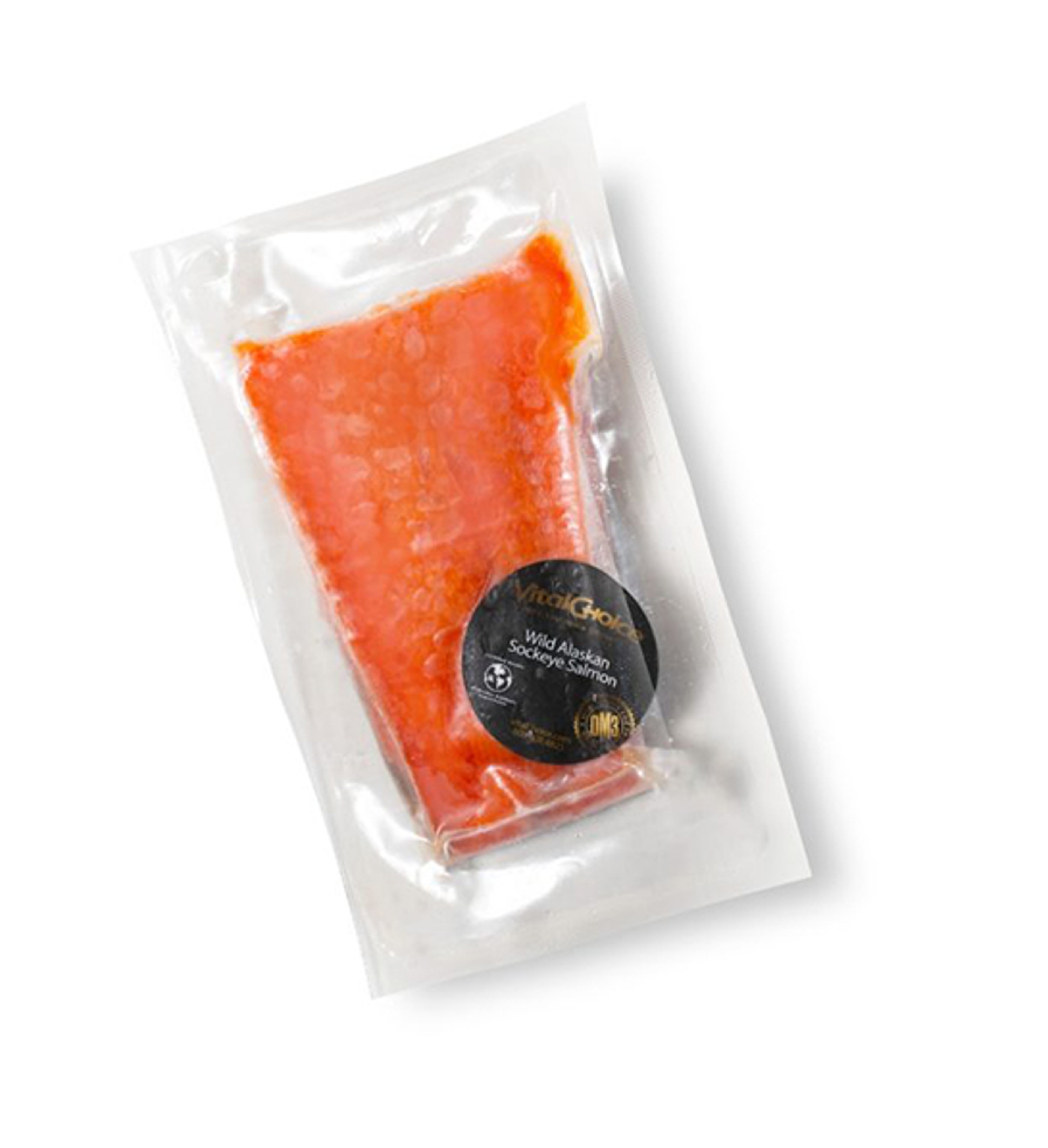
Credit: www.vitalchoice.com
Choosing Salmon For Freezing
Choosing the right salmon for freezing can make a big difference in taste and texture once you defrost it. Not all salmon freezes equally well, so paying attention to the type and quality before freezing ensures your meals stay delicious. Let’s look at how to pick the best salmon for your freezer.
Fresh Vs Frozen Salmon
Fresh salmon is often preferred for freezing because it hasn’t undergone any prior freezing or thawing cycles. This means you get better control over its quality and how long it stays fresh in your freezer.
Frozen salmon from the store can be convenient, but it might have been frozen for weeks or months already. This can affect the texture and flavor once you freeze it again.
Ask yourself: do you want the freshest taste or is convenience your priority? If possible, choose fresh salmon for freezing. It tends to hold up better and tastes more vibrant after thawing.
Selecting Quality Cuts
Look for salmon cuts that are firm, moist, and have a bright, vibrant color. Avoid pieces with brown spots, dryness, or a strong fishy smell — these signs usually mean the fish isn’t fresh.
Fillets with skin on tend to freeze better because the skin protects the flesh from freezer burn. If you buy skinless cuts, consider wrapping them extra well.
- Opt for thicker fillets—they freeze and thaw more evenly.
- Choose portions that match your typical meal size to avoid refreezing leftovers.
- Check for wild-caught salmon if you prefer a richer flavor and firmer texture.
Have you noticed how some salmon feels slimy or looks dull? That’s a red flag. Fresh, high-quality cuts will make your freezing effort worth it.
Preparing Salmon For Freezing
Preparing salmon for freezing is a crucial step to preserve its freshness and flavor. How you handle the fish before freezing determines the quality when you thaw it later. Taking a few extra minutes to clean, trim, and portion your salmon can save you time and reduce waste.
Cleaning And Trimming
Start by rinsing the salmon under cold water to remove any surface impurities. Pat it dry with paper towels to prevent ice crystals from forming during freezing.
Trim off any dark spots, bones, or excess fat. Removing these parts helps maintain a clean taste and prevents off-flavors.
Have you ever noticed a bitter taste in frozen fish? Often, it comes from not trimming properly. Taking care here makes a noticeable difference.
Portioning For Convenience
Cut the salmon into meal-sized portions before freezing. This way, you only thaw what you need, avoiding waste and maintaining quality.
Use a sharp knife to make clean cuts. Rough edges can freeze unevenly, affecting texture.
Label each portion with the date and size. This small step helps you keep track of freshness and plan meals efficiently.
Packaging Methods
Proper packaging is key to keeping salmon fresh in the freezer. It protects the fish from air and moisture that cause freezer burn. Choosing the right packaging method helps keep the salmon's flavor and texture intact. Below are effective ways to package salmon for freezing.
Using Airtight Containers
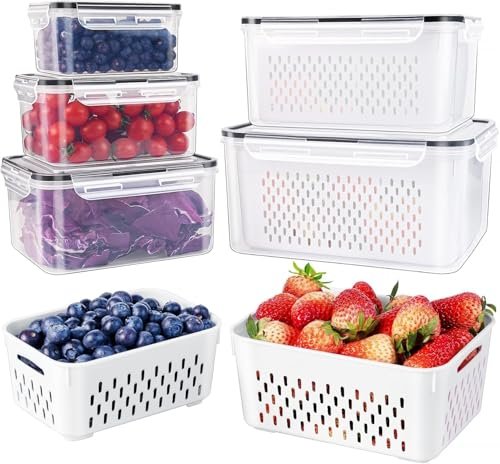
Airtight containers block air and prevent freezer burn. Choose containers made of plastic or glass with tight-fitting lids. Place the salmon inside, leaving little space for air. Seal the container securely before freezing. These containers are reusable and easy to clean. They also protect the salmon from odors in the freezer.
Vacuum Sealing Benefits
Vacuum sealing removes air completely from around the salmon. This method extends the fish's freezer life and locks in freshness. Vacuum-sealed salmon keeps its texture and flavor better than other methods. It also prevents ice crystals from forming on the fish. Using a vacuum sealer is quick and convenient for long-term storage.
Wrapping Techniques
Proper wrapping prevents air exposure and moisture loss. Wrap the salmon tightly in plastic wrap or aluminum foil. Cover the wrapped fish with a layer of freezer paper for extra protection. Press out all the air before sealing. Label the package with the date to track storage time. This simple method works well for short to medium-term freezing.
Freezing Best Practices
Freezing salmon properly can make a big difference in maintaining its fresh taste and texture. You want to lock in flavor and avoid damage caused by improper storage. Let’s look at some simple yet effective freezing best practices that can help you keep your salmon delicious for months.
Optimal Freezer Temperature
Setting your freezer to the right temperature is key. Keep your freezer at or below 0°F (-18°C)to ensure salmon stays frozen solid without thawing and refreezing. Temperatures above this can cause the fish to spoil faster or develop ice crystals that ruin its texture.
Think about the last time you froze salmon at a higher temperature and noticed it became mushy after thawing. That’s why a consistent, very cold freezer environment is crucial. You can use an appliance thermometer to double-check your freezer’s temperature.
Avoiding Freezer Burn
Freezer burn happens when air touches the salmon, causing dry spots and off flavors. To prevent this, wrap the fish tightly in plastic wrap or aluminum foil first, then place it in a heavy-duty freezer bag or an airtight container.
- Remove as much air as possible before sealing.
- Label packages with the date to track storage time.
- Consider vacuum sealing for the best protection.
Have you ever noticed white, dry patches on frozen salmon? That’s freezer burn. Taking these extra wrapping steps protects your fish and keeps it tasting fresh, even after weeks in the freezer.
Storage Duration Guidelines
Ensure salmon stays fresh by freezing it properly. Wrap tightly in plastic, then aluminum foil. Store in the coldest freezer section. Maintain a consistent temperature below 0°F. This method preserves salmon's quality for up to six months.
Storing salmon in the freezer is a fantastic way to extend its shelf life and ensure you have fresh fish on hand for your culinary adventures. However, understanding the right storage duration is crucial to maintain its taste and texture. Proper guidelines can help you avoid spoilage and waste, making your meals both delicious and safe.
How Long To Freeze Salmon
Salmon can be safely stored in the freezer for up to three months. Beyond this period, its quality might begin to deteriorate. Always label your packages with the date of freezing to keep track. For the best results, wrap the salmon tightly in plastic wrap, then place it in a freezer-safe bag. This double layer of protection helps prevent freezer burn, which can ruin the texture and flavor. Are you planning a special meal next month? Freeze your salmon now, and you’ll have a prime ingredient ready to impress your guests.
Signs Of Spoilage
Even frozen salmon can spoil if stored improperly. Be on the lookout for signs like an off smell or a slimy texture once defrosted. If you notice any discoloration or ice crystals, it may indicate freezer burn. Don’t take chances with food safety. If your salmon doesn’t look or smell right, it’s better to discard it. Have you ever had to throw away food because you ignored these signs? Share your experiences and help others avoid the same mistake.
Thawing Salmon Safely
Thawing salmon safely is crucial to preserve its texture, flavor, and most importantly, to prevent foodborne illnesses. The way you thaw your fish can make a significant difference in the final taste and safety of your meal. Let’s look at some effective methods to defrost salmon without risking its quality or your health.
Refrigerator Thawing
Thawing salmon in the refrigerator is the safest and most reliable method. Simply place your frozen salmon on a plate or shallow dish to catch any drips, then leave it in the fridge for 12 to 24 hours depending on the size. This slow thawing keeps the fish at a safe temperature and helps maintain its texture.
One time I forgot to plan ahead and thawed salmon this way, and it was still perfectly fresh and moist for dinner the next day. Have you tried waiting it out in the fridge? It requires patience but pays off in taste and safety.
Cold Water Method
If you need to thaw salmon faster, the cold water method works well. Place the salmon in a sealed plastic bag to avoid water contact, then submerge it in cold tap water. Change the water every 30 minutes, and small fillets usually thaw within an hour.
This method is a good backup when you’re short on time but still want to keep the fish fresh. Keep in mind, never use warm or hot water, as it can start cooking the fish or encourage bacterial growth.
Avoiding Microwave Thawing
Microwave thawing might seem quick and easy, but it’s best avoided for salmon. Microwaves thaw unevenly and can partially cook the fish, ruining its texture and flavor. Plus, this uneven heating can create warm spots where bacteria thrive.
If you’re tempted to zap your salmon in the microwave, ask yourself if saving a few minutes is worth compromising your meal’s quality and safety. There are better, safer options that won’t leave you with a soggy or rubbery fish.
Tips To Maintain Flavor And Texture
Keeping salmon fresh in the freezer needs care. The flavor and texture can change if not stored right. Follow simple tips to keep salmon tasty and firm after freezing.
Marinating Before Freezing
Marinate salmon to protect its flavor and texture. Use simple ingredients like lemon juice, olive oil, and herbs. The marinade helps keep the fish moist and adds taste.
Place the salmon and marinade in a sealed bag. Remove extra air to avoid freezer burn. Freeze quickly to keep the best quality.
Cooking Immediately After Thawing
Cook salmon right after thawing for the best taste. Thawed fish can lose moisture and spoil if left too long. Use gentle cooking methods like baking or steaming.
Quick cooking keeps the texture firm and the flavor fresh. Avoid refreezing thawed salmon to maintain quality and safety.

Credit: content.ces.ncsu.edu

Credit: knowseafood.com
Frequently Asked Questions
How Long Can You Store Salmon In The Freezer?
Salmon can be stored in the freezer for up to six months. Beyond this, quality may decline, but it remains safe if properly frozen.
What Is The Best Way To Wrap Salmon For Freezing?
Wrap salmon tightly in plastic wrap, then place it in a freezer bag. Remove excess air to prevent freezer burn and preserve freshness.
Should You Freeze Salmon Cooked Or Raw?
Both cooked and raw salmon freeze well. Raw salmon retains texture better, but cooked salmon is convenient for quick meals after thawing.
How To Thaw Frozen Salmon Safely?
Thaw frozen salmon in the refrigerator overnight. Avoid room temperature thawing to prevent bacterial growth and maintain fish quality.
Conclusion
Storing salmon in the freezer keeps it fresh and tasty for longer. Wrap it tightly to avoid freezer burn. Label the package with the date for easy tracking. Use frozen salmon within two to three months for best quality. Thaw it slowly in the fridge before cooking.
Proper storage saves food and money. Enjoy your salmon with confidence every time. Simple steps make a big difference.