Are you tired of your fish losing its fresh taste after freezing? Knowing how to store fish in your freezer properly can make all the difference.
When you get it right, your fish stays flavorful, tender, and safe to eat for weeks. You’ll discover simple, effective steps to freeze your fish like a pro. Whether you’re a cooking enthusiast or just want to avoid food waste, these tips will help you enjoy delicious fish every time you open your freezer.
Keep reading to unlock the secrets to perfect frozen fish!
Credit: www.vitalchoice.com
Choosing The Right Fish
Choosing the right fish for freezing can make a big difference in taste and texture after thawing. Not all fish freeze equally well, so picking the right type is essential to keep your meals delicious. Understanding the differences between fresh and frozen fish and knowing which varieties freeze best will help you make smarter choices.
Fresh Vs Frozen Fish
You might wonder if fresh fish is always better than frozen. Fresh fish can be great, but if it isn't stored properly, it loses quality quickly. Frozen fish, on the other hand, is often flash-frozen right after being caught, locking in freshness and nutrients.
Think about your last grocery trip: did the "fresh" fish smell clean and look firm? If not, frozen fish might actually be a safer bet. You get more control over storage time and reduce waste when you freeze fish at home.
Types Suitable For Freezing
Some fish handle freezing better than others. Lean fish like cod, haddock, and sole freeze well because they have less fat, which means less chance of developing off-flavors. Fatty fish such as salmon, mackerel, and trout also freeze nicely but need careful wrapping to avoid freezer burn.
- Lean fish:Cod, haddock, pollock, sole
- Fatty fish:Salmon, mackerel, trout, tuna
- Shellfish:Shrimp, scallops, crab can also be frozen successfully
Have you noticed how some fish become mushy after freezing? That’s often because of water content or improper storage. Choosing fish with firm flesh and freezing them quickly can keep your meals tasting fresh and satisfying.
Preparing Fish For Freezing
Preparing fish for freezing is a crucial step that affects both the taste and texture of your fish when you finally cook it. Taking the time to properly clean, portion, and dry your fish will help maintain its freshness and prevent freezer burn. Let’s walk through each part carefully so your frozen fish tastes as good as fresh.
Cleaning And Gutting
Start by rinsing your fish under cold water to remove any surface slime or debris. Use a sharp knife to make a clean cut along the belly and carefully remove the guts. Make sure to also scrape out the bloodline along the spine, as leftover blood can cause unpleasant flavors during freezing.
Have you ever noticed a strong fishy smell after freezing? That often happens because the fish wasn’t cleaned thoroughly. Taking these extra moments now will save you from off flavors later.
Portioning And Filleting
Decide whether you want to freeze whole fish, fillets, or steaks based on how you plan to use them later. Filleting fish before freezing makes it easier to thaw only what you need. Use a sharp fillet knife to separate the meat from the bones smoothly without tearing the flesh.
Cut your portions into sizes you typically cook. This prevents waste and speeds up thawing. Think about your favorite recipes: do you prefer thick fillets for grilling or thin slices for soups? Tailoring portion size to your cooking style makes a big difference.
Removing Moisture
Excess moisture is the enemy of frozen fish because it forms ice crystals that damage texture. After cleaning and portioning, gently pat your fish dry using paper towels. Avoid rubbing too hard, which can bruise the flesh.
Some people also wrap their fish portions in a layer of parchment paper before placing them in freezer bags. This extra step can help absorb residual moisture. Have you tried this technique? It’s a simple trick that keeps fish firmer and fresher.
Packaging Techniques
Proper packaging keeps fish fresh and tasty in the freezer. It prevents freezer burn and stops odors from spreading. Good packaging also protects the fish from air and moisture. Choosing the right method helps maintain the fish's texture and flavor.
Using Airtight Containers
Airtight containers block air and moisture from reaching the fish. Use containers made of plastic or glass with tight-fitting lids. Make sure the fish pieces fit well inside without being crushed. Label the container with the date before freezing. This method is easy and reusable.
Vacuum Sealing Benefits
Vacuum sealing removes all air around the fish. This stops freezer burn and slows down spoilage. The fish stays fresh longer and keeps its natural taste. Vacuum-sealed packs also save space in the freezer. This method is ideal for long-term storage.
Alternative Wrapping Methods
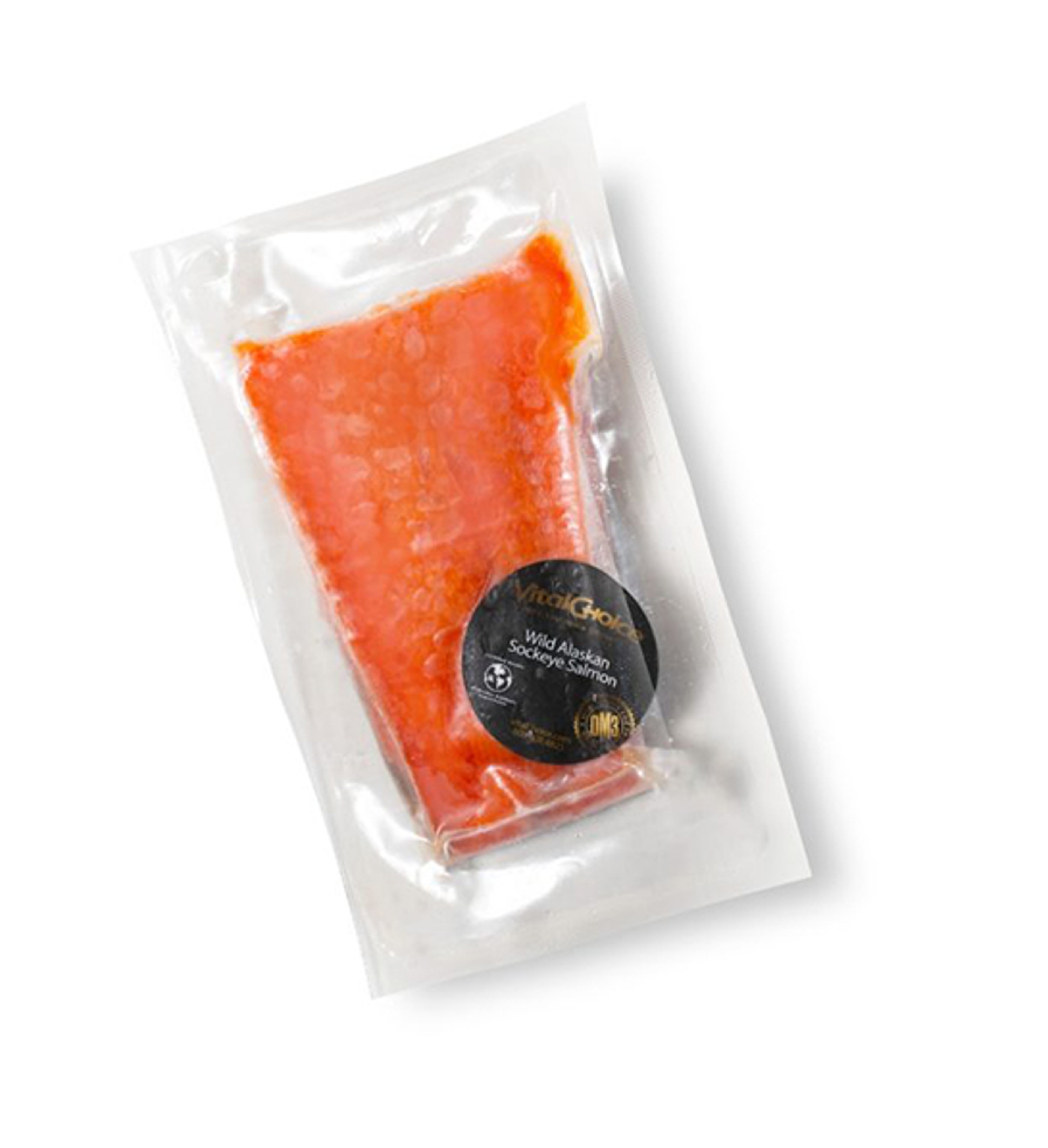
Use heavy-duty aluminum foil or freezer paper for wrapping fish. Wrap fish tightly to reduce air exposure. Place wrapped fish in a plastic bag for extra protection. Remove as much air as possible before sealing the bag. These methods work well when airtight containers are not available.

Credit: shop.rickstein.com
Freezing Best Practices
Freezing fish properly preserves its freshness and taste, making your meals enjoyable even weeks later. Knowing the best freezing practices helps you avoid common pitfalls like freezer burn or loss of flavor. Let's break down key steps that ensure your fish stays delicious and safe in the freezer.
Ideal Freezer Temperature
Set your freezer to 0°F (-18°C) or lower. This temperature stops bacteria growth and keeps fish fresh for months. If your freezer fluctuates, fish texture can suffer, so double-check the thermostat regularly.
Have you ever found your frozen fish tasting mushy or bland? That’s often because the freezer wasn’t cold enough. Keeping a consistent temperature is crucial to maintain quality.
Avoiding Freezer Burn
Freezer burn dries out fish and creates tough spots. Wrap your fish tightly using plastic wrap or aluminum foil before placing it in an airtight container or freezer bag. Removing as much air as possible is key.
Vacuum sealing is a great option if you freeze fish often. It locks out air completely and prevents ice crystals from forming. If you don’t have a vacuum sealer, try pressing out air manually from freezer bags.
Labeling And Dating
Always label your fish packages with the type of fish and the date you froze it. This helps you track how long it’s been in the freezer and prevents using old fish accidentally. A simple label can save you from unpleasant surprises.
Consider using waterproof markers or printed labels to avoid fading. Keeping a freezer inventory list can also help you plan meals efficiently and reduce waste. Have you checked what’s in your freezer lately?
Thawing Methods
Thawing frozen fish correctly is key to preserving its texture and flavor. The way you thaw impacts not just taste but also food safety. Let’s look at some practical methods you can use to bring your fish back to life after freezing.
Refrigerator Thawing
This is the safest and most reliable way to thaw fish. Place your fish in a covered dish or sealed bag and leave it in the refrigerator. It usually takes 12 to 24 hours, depending on the size of the fish.
This slow thaw keeps the fish at a safe temperature, reducing bacteria growth. Have you noticed how fish stays firm and moist after this method? It’s because the slow thaw prevents excess moisture loss.
Cold Water Thawing
If you’re short on time, cold water thawing works well. Seal the fish in a waterproof bag and submerge it in cold water, changing the water every 30 minutes. This method thaws fish in about an hour or less, depending on thickness.
Cold water thawing is faster but requires more attention. It’s a great choice when you remember last minute that you need fish for dinner. Just make sure the fish stays sealed tightly to avoid contamination.
Microwave Thawing Risks
Microwave thawing may seem convenient, but it comes with risks. Uneven heating can partially cook some parts of the fish, affecting texture and taste. It also creates warm spots where bacteria can multiply quickly.
If you use this method, use the microwave’s defrost setting and check frequently. Do you really want to risk a rubbery, half-cooked fish when other safer methods exist? Use the microwave only as a last resort, and cook the fish immediately afterward.
Maintaining Fish Quality
Seal fish tightly in plastic wrap or airtight bags to prevent freezer burn. Freeze fish quickly at a low temperature to keep it fresh longer. Label packages with dates to use older fish first and avoid spoilage.
Maintaining Fish Quality Storing fish in the freezer is an art that requires precision and care. The key to preserving the taste and texture lies in maintaining quality throughout the storage period. Ever wondered why some frozen fish tastes fresh, while others lose their charm? The secret is in how you handle the freezing process. Let’s dive into the intricacies of keeping your fish in top-notch condition.
Storage Duration Limits
How long should you really keep fish in the freezer? While fish can technically last indefinitely when frozen, quality starts to degrade after a certain period. For optimal taste, aim to consume lean fish like cod within six months. Fatty fish like salmon should ideally be eaten within three months. If you’ve ever found an old piece of fish buried in the back of your freezer, you know the disappointment of freezer burn. Setting a reminder on your phone can be a helpful nudge to use it before it loses its best qualities.
Signs Of Spoilage
Detecting spoilage in frozen fish can be tricky. However, a few telltale signs can guide you. Discoloration, an off-putting odor, or a slimy texture are clear indicators. If the fish looks dull or has ice crystals, it's probably past its prime. Remember that a fresh fish should have a mild scent, even when frozen. If you’re hesitant about the quality, trust your senses—they rarely lie.
Refreezing Guidelines
Can you refreeze fish without compromising its quality? Generally, it's best to avoid refreezing if possible. Each freeze-thaw cycle can deteriorate the fish’s texture and flavor. However, if it’s been thawed safely in the fridge and hasn’t been at room temperature for long, refreezing can be an option. Consider portioning your fish before freezing. This way, you only defrost what you need, reducing waste and maintaining quality. By paying attention to these details, you ensure that your fish remains delicious and fresh, just like the day you bought it.

Credit: aksalmonco.com
Frequently Asked Questions
How Long Can Fish Be Stored In The Freezer?
Fish can be stored in the freezer for up to 6 months. Proper packaging and freezing speed affect quality and freshness. Always label and date the fish before freezing to track storage time and ensure safety.
What Is The Best Way To Package Fish For Freezing?
Use airtight containers or vacuum-sealed bags to package fish. Remove as much air as possible to prevent freezer burn. Wrap fish tightly in plastic wrap or aluminum foil before placing it in freezer bags.
Should Fish Be Cleaned Before Freezing?
Yes, clean fish thoroughly before freezing. Remove guts, scales, and blood for better taste and longer storage. Rinse with cold water and pat dry to prevent ice crystals and maintain texture.
Can Frozen Fish Be Refrozen After Thawing?
It’s best not to refreeze fish after thawing. Refreezing can reduce quality and cause bacterial growth. If thawed fish is cooked, you can freeze the cooked dish safely for later use.
Conclusion
Storing fish in the freezer keeps it fresh and tasty for longer. Use airtight bags or containers to stop freezer burn. Label packages with the date to track freshness. Freeze fish quickly to keep its quality. Thaw fish safely in the fridge before cooking.
Simple steps like these help you enjoy fish anytime. Keep your freezer organized and clean for best results. Fresh fish at home means healthy meals made easy.