Your wooden cutting board is a kitchen essential, but it can also harbor harmful bacteria if not cleaned properly. You might think washing it with soap and water is enough, but to keep your board safe and lasting longer, you need to sterilize it the right way.
You’ll discover simple, effective methods to sterilize your wooden cutting board at home. By following these easy steps, you’ll protect your health and keep your kitchen fresh. Keep reading to learn how to make your wooden cutting board truly clean and safe for every meal.
Why Sterilize Wooden Cutting Boards
Keeping your wooden cutting board clean is more important than you might think. You probably use it every day for chopping vegetables, slicing meat, or cutting bread. But have you ever wondered why sterilizing it regularly matters?
Risks Of Bacteria On Wood
Wood naturally has tiny grooves and pores where food particles can get stuck. These hidden spots become perfect hiding places for bacteria like Salmonella and E. coli. Even if your board looks clean, harmful germs can lurk beneath the surface.
Using a contaminated board can easily spread bacteria to your fresh ingredients. This increases the risk of food poisoning and stomach upset for you and your family. Are you really sure your cutting board is as safe as it looks?
Benefits Of Regular Sterilization
Sterilizing your wooden cutting board regularly kills harmful bacteria and keeps it safe for food preparation. It also helps prevent unpleasant odors and stains from developing over time. This means your board will stay fresh and last longer.
Doing this simple step shows you care about your health and your kitchen hygiene. Plus, it gives you peace of mind every time you prepare meals. How often do you think you should sterilize your board to keep it truly clean?
Credit: www.homedepot.com
Daily Cleaning Tips
Keeping your wooden cutting board clean every day is key to safe food prep. Dirt and germs can hide in the wood’s grooves. Regular cleaning stops bacteria from growing and keeps your board fresh. Simple daily habits protect your cutting board and help it last longer.
Washing With Soap And Water
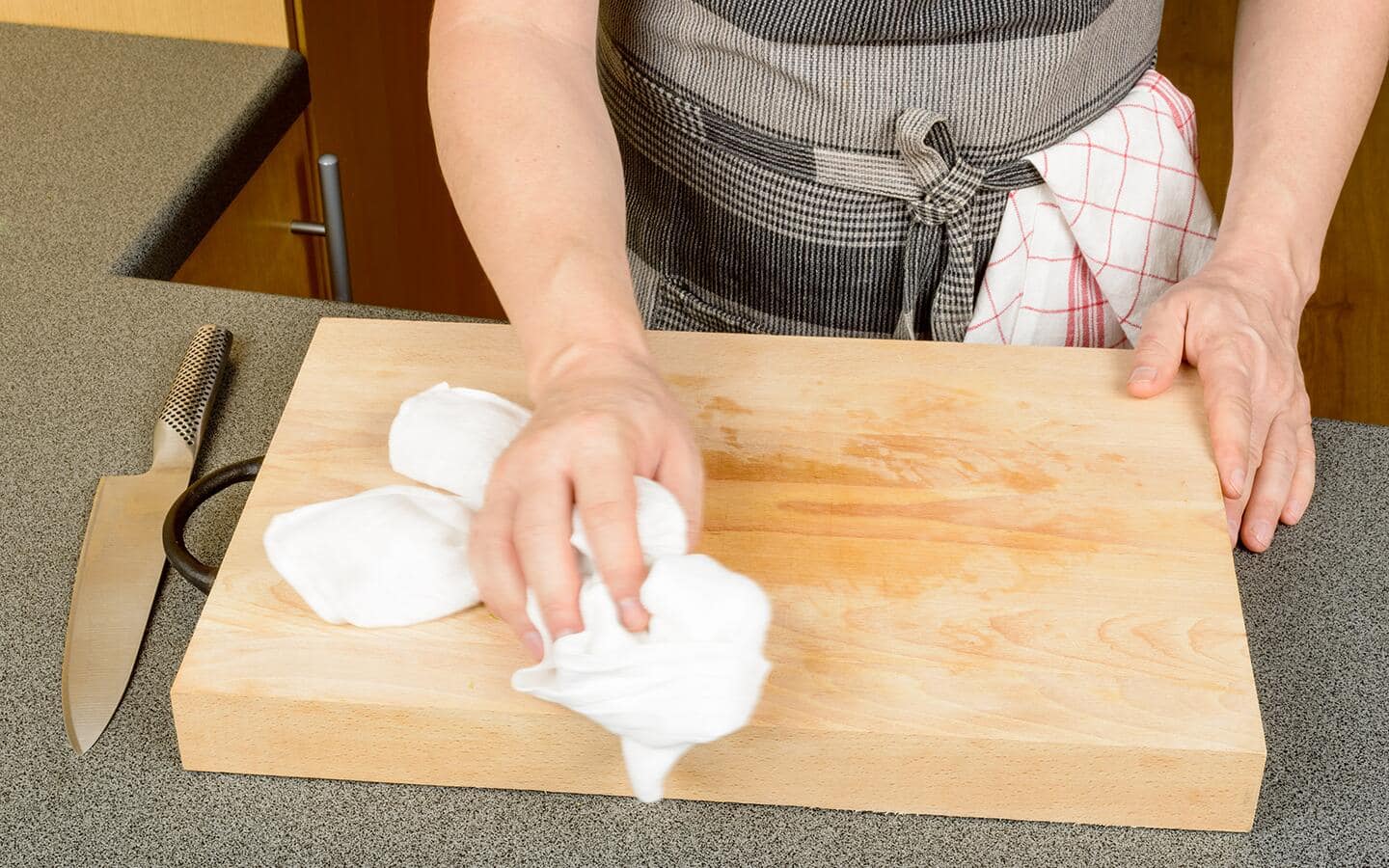
Use warm water and mild dish soap to clean the board. Avoid soaking the wood in water for a long time. Scrub gently with a soft sponge or cloth. Rinse well to remove all soap. This removes food bits and surface germs effectively.
Drying Techniques To Prevent Mold
Dry the cutting board completely after washing. Use a clean towel to wipe off extra water. Stand the board upright or place it on a rack for air drying. Avoid storing it flat or in damp places. Proper drying stops mold and wood damage.
Natural Sterilization Methods
Natural sterilization methods offer a safe and effective way to keep your wooden cutting board clean without harsh chemicals. These options use everyday household items that you probably already have in your kitchen. They not only kill bacteria but also help maintain the wood's quality, extending the life of your board.
Using White Vinegar
White vinegar is a powerful natural disinfectant that you can use to sterilize your wooden cutting board quickly. Simply pour or spray undiluted white vinegar over the surface and let it sit for a few minutes. The acidity kills many types of bacteria without damaging the wood.
After the vinegar has done its job, rinse your board with warm water and dry it thoroughly. You might notice a fresh, clean scent that’s completely natural. Have you tried this yet? It’s an easy way to keep your board safe between deep cleanings.
Lemon And Salt Scrub
Combining lemon and salt creates a natural abrasive scrub that helps remove stains and bacteria from your wooden cutting board. Cut a lemon in half, sprinkle coarse salt over the board, and use the lemon as a scrubber. The salt scrubs away debris while lemon’s acidity kills germs.
Rinse the board with warm water afterward and let it air dry. This method also leaves your board smelling fresh and bright. Could this simple scrub become part of your weekly kitchen routine?
Hydrogen Peroxide Application
Hydrogen peroxide is another natural option that effectively sterilizes wooden cutting boards. Pour 3% hydrogen peroxide over the surface and spread it evenly with a clean cloth. It bubbles up as it kills bacteria, so wait a few minutes before rinsing.
Make sure to dry your board completely to prevent moisture damage. This method is great for a deeper clean when your board feels less fresh. Have you noticed how small changes in cleaning can improve your kitchen hygiene?

Credit: www.youtube.com
Deep Sterilization Techniques
Wooden cutting boards need deep cleaning to stay safe and fresh. Use hot water, soap, and vinegar or lemon juice to kill bacteria. Dry the board fully to prevent germs and cracks.
Deep Sterilization Techniques Wooden cutting boards, though durable and charming, can harbor bacteria if not properly cleaned. Deep sterilization is essential to ensure your board remains a safe tool for meal prep. Let’s dive into some effective methods that you can easily apply at home.
Boiling Water Method
Using boiling water is a simple yet powerful way to sterilize your wooden cutting board. First, clean the board with soap and water to remove any surface debris. Then, carefully pour boiling water over the entire surface of the board. The heat will penetrate the wood, killing harmful bacteria. Allow the board to air dry completely, preferably standing up to avoid warping. Ever felt skeptical about pouring hot water on wood? It’s a safe technique when done occasionally and with care.
Bleach Solution Soak
A bleach solution can be a potent sterilizer for wooden boards. Mix a tablespoon of bleach with a gallon of water. Submerge the board in this solution for a few minutes, ensuring all surfaces are covered. After soaking, rinse the board thoroughly with clean water. It’s crucial to let the board dry completely before its next use. Concerned about bleach affecting the wood? Rest assured, when diluted properly, it’s an effective disinfectant without harming the board’s integrity.
Using Baking Soda Paste
Baking soda, a household staple, can also serve as a gentle cleaner for your wooden board. Create a paste by mixing baking soda with a little water. Spread this paste over the board, focusing on any stains or smelly areas. Let it sit for a few minutes before scrubbing with a brush. Rinse thoroughly and dry. Did you know this method can also help in deodorizing your board? It’s a natural, eco-friendly way to maintain cleanliness. Which method will you try first to ensure your cutting board is safely sterilized?
Maintenance Tips For Longevity
Maintaining a wooden cutting board properly extends its life and keeps it safe for food. Simple care steps prevent cracks and warping. These tips help preserve the board’s beauty and function for years.
Oiling The Board
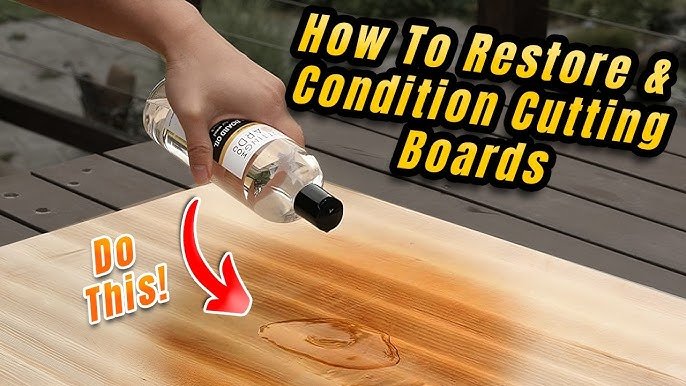
Apply food-safe mineral oil to the board regularly. This prevents wood from drying out and cracking. Use a clean cloth to rub oil evenly over the surface. Let it soak overnight for best results. Wipe off any extra oil before use.
Avoiding Excess Moisture
Wood absorbs water and can warp or split. Avoid soaking the board in water or putting it in the dishwasher. Clean it quickly with warm, soapy water and dry immediately with a towel. Store it standing up to air dry fully.
Regular Inspection For Damage
Check the board often for deep cuts or cracks. These can trap bacteria and cause spoilage. Sand down rough spots with fine-grit sandpaper to smooth the surface. Replace the board if damage is severe or splits appear.
When To Replace Your Wooden Board
Wooden cutting boards are sturdy and last long with care. Still, they don't last forever. Knowing when to replace your board keeps your kitchen safe and clean. Old or damaged boards can cause problems.
Signs Of Wear And Damage
Look closely for deep cuts or cracks. These hold bacteria and are hard to clean. Warping or splitting means the board no longer lies flat. Dark stains or rough surfaces show wear. If the wood feels soft or splinters, it is time to change it.
Health Risks Of Old Boards
Old wooden boards can harbor harmful germs. Bacteria hide in cracks and cuts, risking food contamination. This can cause stomach illness or infections. Even regular cleaning may not remove all germs. Using a damaged board can affect food safety. Replace boards to avoid health hazards and keep your kitchen hygienic.

Credit: homewithgraceandjoy.com
Frequently Asked Questions
How Often Should I Sterilize My Wooden Cutting Board?
Sterilize your wooden cutting board weekly or after cutting raw meat. Regular cleaning prevents bacteria buildup and cross-contamination.
What Natural Solutions Sterilize Wooden Cutting Boards Effectively?
Use white vinegar or hydrogen peroxide to sterilize wooden boards. These natural solutions kill bacteria without damaging the wood.
Can I Use Bleach To Sterilize A Wooden Cutting Board?
Avoid bleach; it can damage wood fibers. Instead, use mild soap and natural disinfectants for safe sterilization.
How Do I Dry A Wooden Cutting Board After Sterilizing?
Dry your board thoroughly with a clean towel. Air-dry upright to prevent moisture and bacterial growth.
Conclusion
Keeping your wooden cutting board clean is important for safe cooking. Regularly wash it with soap and warm water after use. Use vinegar or diluted bleach to kill germs. Dry the board completely to stop bacteria growth. Oil the wood to keep it strong and prevent cracks.
Small steps make a big difference in kitchen hygiene. A clean cutting board protects your food and family. Follow these easy tips to keep your board fresh and safe every day. Simple care helps your wooden board last longer.