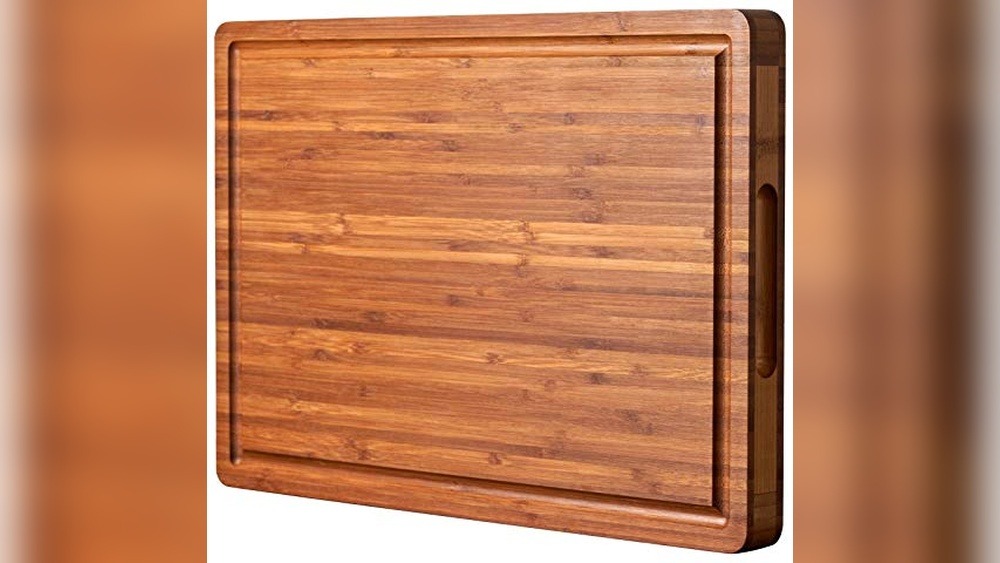
Your cutting board works hard every day—chopping, slicing, and dicing your favorite meals. But did you know that without proper care, it can dry out, crack, or even harbor bacteria?
Oiling your cutting board with mineral oil is the simple secret to keeping it looking fresh and lasting longer. In this guide, you’ll learn exactly how to do it right, step by step. Stick with me, and your cutting board will thank you every time you cook.

Choosing The Right Mineral Oil
Choosing the right mineral oil is essential for maintaining your cutting board. The correct oil protects wood, prevents cracking, and keeps it safe for food use. Not all mineral oils are the same, and some can harm your board or health. Select a product designed specifically for kitchen use. This ensures safety and effectiveness.
Food-grade Mineral Oil Benefits
Food-grade mineral oil is safe to use on surfaces that touch food. It does not spoil or go rancid like other oils. This type of oil soaks into the wood, creating a barrier against moisture. It helps keep the board clean and fresh. Using food-grade mineral oil extends your cutting board’s life. It prevents stains and reduces wear from knives.
Where To Buy Mineral Oil
Food-grade mineral oil is available at many stores. You can find it in pharmacies, grocery stores, or kitchen supply shops. Online retailers also offer a wide range of options. Check labels to confirm the oil is food-grade. Avoid mineral oils labeled for industrial or mechanical use. These are not safe for food surfaces.
Preparing The Cutting Board
Preparing your cutting board properly sets the stage for effective oiling. Skipping crucial prep steps can leave your board vulnerable to damage or uneven oil absorption. Taking time to clean and smooth the surface ensures the mineral oil penetrates deeply, extending your board’s life and keeping it safe for food prep.
Cleaning And Drying
Start by rinsing your cutting board with warm water and a mild dish soap. Use a soft sponge or cloth to scrub away any food particles or stains gently.
Never soak the board in water; instead, wipe it thoroughly and dry with a clean towel. Let it air dry completely in a well-ventilated spot to prevent moisture from being trapped inside the wood.
Have you noticed your board smelling musty or looking dull? Proper cleaning can refresh it before oiling.
Sanding For Smoothness
If your board feels rough or has knife marks, sanding is essential. Use fine-grit sandpaper (around 220 grit) to gently smooth the surface.
Sanding opens the wood pores, allowing mineral oil to soak in better. Make sure to wipe off all dust with a damp cloth before moving on.
Think about how a smooth surface improves cutting precision and hygiene. Does your board feel ready to the touch?
Applying Mineral Oil
Applying mineral oil to your cutting board is a simple yet crucial step to keep it in great shape. The oil soaks into the wood, preventing it from drying out and cracking. How you apply the oil affects how well it protects your board over time.
Amount Of Oil To Use
Using the right amount of mineral oil is key. Too little won’t penetrate the wood properly, while too much can leave a sticky surface. Start with about a tablespoon of oil for a medium-sized board.
If you notice the oil soaking in quickly, add more in small amounts. Watch for a slight sheen on the surface—that means the board is well saturated. Avoid pouring oil directly from the bottle; instead, pour it onto a clean cloth or paper towel.
Techniques For Even Coverage
Spread the oil evenly across the entire surface. Use circular motions to help the oil absorb into the grain. Don’t forget the edges and the bottom of the board—they need protection too.
I once missed oiling the edges, and my board started splitting there. To avoid that, wrap a cloth around your fingers and rub the oil into every corner. Let the oil sit for at least a few hours or overnight for deep absorption.
Have you tried applying oil with a brush or a sponge? Those can help reach tricky spots, but a soft cloth gives you the best control. After oiling, wipe off any excess to prevent a sticky finish. Your cutting board will thank you with long-lasting durability and a beautiful look.

Allowing Oil To Absorb
Allow the mineral oil to soak into the cutting board for several hours or overnight. This helps protect the wood and keeps it from drying out. Wipe off any extra oil before use.
Allowing the oil to absorb into your cutting board is a crucial step in maintaining its longevity and functionality. This process ensures that the wood remains moisturized, preventing it from cracking and warping. Remember, patience is key here—let the oil work its magic!
Ideal Absorption Time
After you've generously applied mineral oil, let your cutting board rest for several hours. Some experts recommend leaving it overnight for optimal absorption. This allows the oil to penetrate deeply, ensuring the board is thoroughly conditioned.
Reapplying Oil If Needed
Once the initial absorption period is over, check your cutting board. If there are dry spots, don't hesitate to add more oil. A well-oiled board should have a consistent sheen, indicating it's ready for use. Have you ever noticed your board drying out quickly? It might be time to schedule regular oiling sessions. Keeping your cutting board well-oiled not only extends its life but also enhances your cooking experience.
Removing Excess Oil
After applying mineral oil to a cutting board, removing excess oil is essential. This step helps the wood absorb the right amount of oil. It prevents the surface from feeling greasy or sticky. Proper removal of extra oil keeps the board in good condition and ready to use.
Wiping Down The Surface
Use a clean, soft cloth to wipe the board’s surface gently. Move in the direction of the wood grain. This removes oil that the wood cannot absorb. Wipe until the board feels dry and smooth. Avoid using rough cloths that can scratch the wood.
Preventing Sticky Residue
Sticky residue forms when too much oil stays on the surface. To prevent this, wipe off all visible oil after 15 to 20 minutes. Let the board sit for a few hours in a dry place. This allows the oil to soak in properly. Do not rush this process to keep the board’s texture clean and safe.
Maintaining Your Cutting Board
Maintaining your cutting board is key to keeping it safe and effective for food prep. Regular care prevents cracks and warping that can harbor bacteria. Simple oiling with mineral oil can extend your board’s life and keep it looking fresh.
Frequency Of Oiling
How often should you oil your cutting board? It depends on how much you use it. For boards in daily use, oiling once a week is ideal.
If you use your board less frequently, oil it every month or two. A good rule is to oil when the board starts to look dry or dull. Your board should feel smooth and slightly glossy after oiling, not sticky or greasy.
Signs Your Board Needs Oiling
Watch for these signs that your board needs oiling:
- Wood looks dry or faded
- Surface feels rough or squeaky when rubbed
- Small cracks or splits appear
- Food stains soak in quickly instead of sitting on top
I once ignored these signs, and my favorite board cracked badly. After regular oiling, it became smooth again and resisted stains much better. Don’t wait for damage—oiling early protects your investment.
Have you checked your board’s condition today? A quick feel and look can tell you if it’s time to oil. Your cutting board deserves a little attention to stay healthy and reliable in your kitchen.
Common Mistakes To Avoid
Oiling your cutting board with mineral oil is a simple task, but certain mistakes can reduce its effectiveness and even damage your board. Knowing what to avoid helps keep your board in top condition for years. Let’s look at some common errors that many people make during the oiling process.
Using The Wrong Oil Types
Not all oils are safe for cutting boards. Cooking oils like olive, vegetable, or coconut oil can turn rancid and leave unpleasant smells on your board. They also attract dust and dirt, making your board harder to clean.
Mineral oil is the best choice because it’s food-safe, odorless, and doesn’t spoil. Have you ever tried to fix a dry board only to find it sticky or smelly afterward? That’s often because the wrong oil was used.
Over-oiling The Board
It’s easy to think more oil means better protection, but over-oiling can cause problems. Excess oil can create a sticky surface that traps bacteria and food particles. Your board might even start to peel or warp if it stays too wet for too long.
After applying oil, wipe off any excess with a clean cloth. Let the board absorb the oil slowly over several hours or overnight. How often do you check your board’s surface to see if it needs oiling or just a quick wipe?

Frequently Asked Questions
How Often Should I Oil A Cutting Board With Mineral Oil?
You should oil your cutting board once a month or when it looks dry. Regular oiling prevents cracks and warping. Mineral oil keeps the wood hydrated and extends the board's lifespan. Oiling also creates a protective barrier against stains and bacteria.
Can I Use Mineral Oil On All Types Of Cutting Boards?
Mineral oil is safe for most wooden cutting boards. Avoid using it on plastic or glass boards, as they don’t absorb oil. Always use food-grade mineral oil to ensure safety. It maintains wood integrity without harmful chemicals.
How Much Mineral Oil Is Needed For One Application?
Apply a thin, even layer of mineral oil, about 1-2 tablespoons. Use a clean cloth or paper towel to spread it evenly. Avoid soaking the board; allow oil to absorb for several hours or overnight for best results.
Is Mineral Oil Safe For Food Contact Surfaces?
Yes, food-grade mineral oil is non-toxic and safe for food contact surfaces. It does not spoil or go rancid. This makes it ideal for cutting boards, butcher blocks, and other wooden kitchen tools.
Conclusion
Oiling your cutting board with mineral oil keeps it strong and clean. It stops the wood from drying and cracking. Just apply the oil regularly to protect your board. This simple step helps your board last a long time. A well-oiled cutting board looks nice and works better.
Take a few minutes every month to care for it. Your kitchen tools will thank you for the extra attention. Easy and effective care makes cooking more enjoyable.