Are you looking for a simple way to steam your favorite vegetables, dumplings, or fish without extra gadgets? Your rice cooker can do more than just cook rice—it’s a powerful tool for steaming too.
Imagine preparing healthy, perfectly steamed meals with just one appliance, saving time and effort in your kitchen. You’ll discover easy steps to steam food in your rice cooker, unlocking new cooking possibilities you didn’t know existed. Keep reading, and you’ll learn how to make steaming quick, convenient, and delicious every time.
Credit: www.hungryhuy.com
Choosing The Right Rice Cooker
Choosing the right rice cooker makes steaming easier and more effective. Not all rice cookers can steam well. Some models cook rice only, while others offer versatile functions. Picking the right one saves time and improves your meals. This section explains what features to check and which types work best for steaming.
Features To Look For
- Steaming basket or tray included for easy steaming
- Multiple cooking modes, including a steam setting
- Timer function to control steaming time precisely
- Automatic keep-warm feature after cooking finishes
- Non-stick inner pot for easy cleaning
- Clear lid or steam vent to monitor cooking progress
Types Of Rice Cookers Suitable For Steaming
- Electric Rice Cookers with Steam Trays:Common and affordable, these come with steaming baskets.
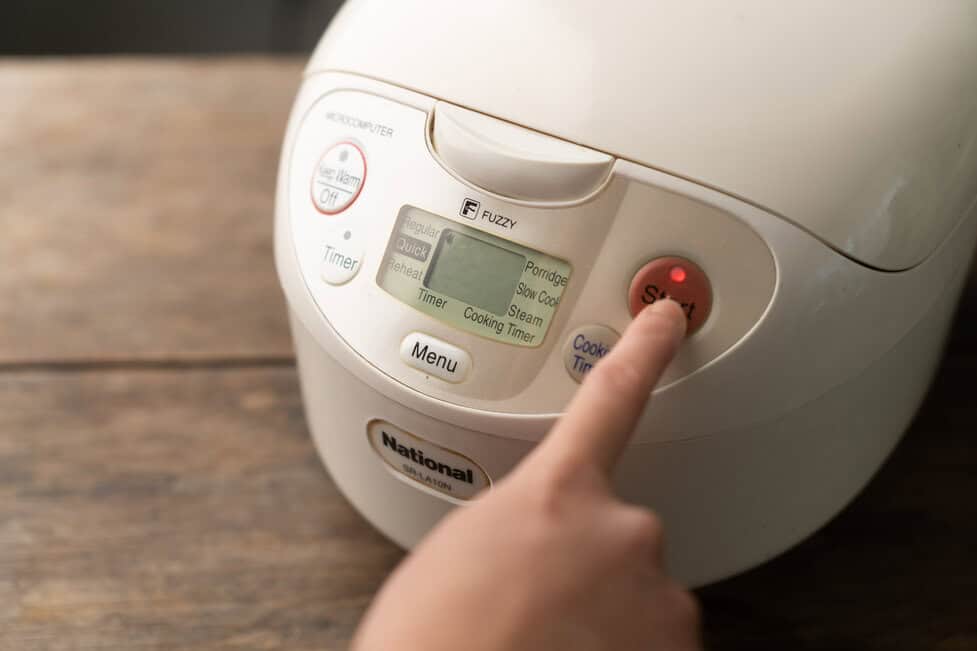
- Micom Rice Cookers:Use microcomputer technology for precise temperature control and steaming.
- Induction Heating (IH) Rice Cookers:Provide even heat distribution, great for consistent steaming.
- Multi-functional Rice Cookers:Designed for various cooking tasks, including steaming vegetables and fish.
Preparing Ingredients For Steaming
Preparing your ingredients properly is the key to getting the best results from steaming in a rice cooker. It’s not just about tossing everything into the steamer basket; the way you select, cut, and season your ingredients can make a big difference in taste and texture.
Selecting Vegetables And Proteins
Choose vegetables that steam well and maintain a firm texture, such as broccoli, carrots, green beans, and bell peppers. Leafy greens like spinach or kale cook quickly, so add them closer to the end of your steaming time to avoid overcooking.
Proteins like chicken breasts, fish fillets, or tofu are excellent choices for steaming in a rice cooker. Make sure the pieces are uniform in size for even cooking. Have you ever ended up with one piece overcooked while another is underdone? Consistent size helps prevent that.
Cutting And Seasoning Tips
Cut your vegetables into bite-sized, evenly sized pieces to ensure they cook at the same rate. For proteins, slicing into strips or medallions helps speed up cooking and maximizes the surface area for seasoning.
Season lightly before steaming—use a pinch of salt, pepper, or a splash of soy sauce. Remember, steaming preserves natural flavors, so heavy seasoning isn’t necessary. You can always add more seasoning after cooking.
Think about layering flavors by adding fresh herbs or lemon slices on top of your ingredients before steaming. This simple step can elevate your dish without any extra effort.
Setting Up The Rice Cooker For Steaming
Setting up your rice cooker for steaming is a simple yet crucial step to ensure your food cooks evenly and retains its natural flavors. Understanding how to prepare your cooker correctly can make a big difference in the texture and taste of steamed dishes. Let’s dive into the essentials to get your rice cooker ready for steaming success.
Adding Water Correctly
Water is the key to creating steam, but adding too much or too little can affect your results. You want to add just enough water to reach the bottom of the steaming basket without touching the food. This prevents sogginess and ensures gentle, even cooking.
Think about the type of food you're steaming—vegetables usually need less water than denser items like potatoes or fish. A good rule of thumb is to start with about one to two cups of water, then adjust based on your cooker’s size and the food's moisture content. Have you ever tried steaming without enough water and ended up with a burnt cooker base? It’s a common mistake that’s easily avoided with proper water levels.
Using The Steaming Basket
The steaming basket is your cooking platform inside the rice cooker. Place it securely above the water level to keep food elevated. This setup allows steam to circulate around the food, cooking it evenly from all sides.
If your rice cooker didn’t come with a steaming basket, you can use a heat-safe metal or silicone basket that fits inside. Make sure the basket has holes or slits to let steam pass through freely. Ever placed food directly in water to steam? It changes the cooking method entirely and usually doesn’t give you that perfect steamed texture.

Credit: www.youtube.com
Step-by-step Steaming Process
Steaming food in a rice cooker is simple and efficient. This method locks in nutrients and enhances flavors. Follow this step-by-step guide to steam effortlessly.
Placing Food In The Basket
Start by preparing your food. Cut vegetables or proteins into even pieces. This ensures they cook evenly. Place them in the steaming basket. Avoid overcrowding to allow steam circulation.
Starting The Cooking Cycle
Fill the rice cooker with the recommended water amount. Typically, one to two cups suffice. Insert the basket and close the lid. Select the steam function on the cooker. Press start. Your cooker will begin the cycle.
Monitoring Steam And Cooking Time
Keep an eye on the steam escaping. It indicates active cooking. Check the food halfway through the suggested time. Use a fork to test tenderness. Adjust time based on personal preference. Enjoy perfectly steamed meals every time.
Tips For Perfect Steamed Food
Steaming food in a rice cooker is a simple way to prepare healthy meals, but getting it just right can make all the difference. Perfectly steamed food keeps its nutrients, texture, and flavor intact. Here are some practical tips to help you achieve that ideal balance every time.
Avoiding Overcooking
Overcooking can turn vibrant vegetables into mushy messes and delicate fish into dry flakes. To avoid this, always check your rice cooker’s manual for recommended steaming times specific to each food type.
Set a timer as soon as you start steaming—don’t rely solely on guessing. If you’re trying something new, start with less time and add more if needed. Remember, you can always steam more, but you can’t undo overcooking.
Enhancing Flavor And Texture
Steamed food doesn’t have to be bland. You can add fresh herbs, lemon slices, or garlic to the water beneath the steaming basket to infuse subtle flavors.
Another tip is to lightly season your food before steaming—just a pinch of salt or a drizzle of olive oil can elevate the taste and texture. Think about how you usually enjoy your food and try to replicate those flavors in the steaming process.
Cleaning And Maintenance After Steaming
After steaming your favorite dishes in a rice cooker, cleaning and maintenance become essential to keep your appliance working efficiently. Neglecting this step can lead to residue buildup, unpleasant odors, and even damage over time. Taking a few minutes to properly clean and care for your rice cooker will extend its life and ensure every meal tastes fresh.
Proper Cleaning Methods
Start by unplugging your rice cooker and letting it cool completely. Remove the steaming basket and inner pot carefully—they usually have a non-stick coating that needs gentle handling.
- Use warm, soapy water and a soft sponge to clean the inner pot and steaming basket. Avoid abrasive scrubbers that can scratch surfaces.
- Wipe down the inside of the cooker with a damp cloth to remove any food particles or moisture.
- Check the steam vent for any blockages. A cotton swab dipped in water can help clear small clogs without damaging the vent.
- Dry all parts thoroughly before reassembling to prevent mold or mildew growth.
Have you noticed a strange smell coming from your rice cooker after steaming? This usually means moisture is trapped inside. Proper drying and cleaning prevent this common issue.
Maintaining Your Rice Cooker
Beyond cleaning, regular maintenance keeps your rice cooker running smoothly. Inspect the power cord and plug for damage before each use to ensure safety.
- Store your rice cooker with the lid slightly open to allow air circulation and avoid lingering moisture.
- Periodically check the sealing ring or gasket for cracks or wear. Replacing these parts can improve steam retention and cooking performance.
- Keep the exterior clean by wiping it with a damp cloth after each use, avoiding harsh chemicals that might degrade the finish.
Think about how often you use your rice cooker. If it’s daily, a weekly deep clean might suit you better. Less frequent use might mean monthly maintenance is enough.
Common Mistakes To Avoid
Steaming food in a rice cooker is a convenient and healthy cooking method, but it’s easy to make mistakes that affect the outcome. Paying attention to details can save you from soggy vegetables or undercooked meals. Avoiding common errors ensures your food turns out perfectly every time.
Using Too Much Or Too Little Water
Adding the right amount of water is crucial. Too much water can cause your food to become soggy or even boil instead of steam. Too little water risks burning the rice cooker or leaving your food undercooked.
Try this: start with the manufacturer’s recommended water level and adjust slightly based on what you’re steaming. If you notice water drying up before the cooking finishes, add a bit more next time. Is your food coming out watery? Cut back on the water in small increments.
Overloading The Steaming Basket
It might be tempting to pack the steaming basket full to save time, but overcrowding prevents steam from circulating evenly. This causes uneven cooking, leaving some parts raw while others overcook.
Give your food space to breathe. Arrange items in a single layer or with small gaps. You’ll see the difference in texture and taste when steam reaches every piece properly.
Credit: www.hungryhuy.com
Frequently Asked Questions
How Do I Steam Vegetables In A Rice Cooker?
Add water to the cooker’s pot, place vegetables in the steamer basket, and turn on the rice cooker. Steam until vegetables are tender. Check water levels occasionally to prevent drying out.
Can I Steam Fish Using A Rice Cooker?
Yes, place fish on the steamer tray with seasoning. Add water below and steam until fish is cooked through. This method keeps fish moist and flavorful.
What Is The Water Level For Steaming In A Rice Cooker?
Use about 1 to 2 cups of water depending on the rice cooker size. Enough water is needed to generate steam but not touch the food.
How Long Does Steaming Usually Take In A Rice Cooker?
Steaming times vary by food type, usually between 10 to 30 minutes. Check for doneness halfway through to avoid overcooking.
Conclusion
Steaming food in a rice cooker saves time and effort. It keeps meals healthy and tasty. You can steam vegetables, fish, and dumplings easily. Just add water, place food in the basket, and start cooking. This simple method works well every time.
Experiment with different foods to enjoy variety. Your rice cooker becomes more useful this way. Try steaming today and enjoy fresh, warm meals.