Is your kitchen knife feeling dull and slow? A sharp knife makes cooking safer, faster, and more enjoyable.
But how do you get that perfect edge without expensive tools? The answer is simple: a sharpening rod. In this guide, you’ll learn exactly how to sharpen a kitchen knife with a rod step-by-step. By the end, your knife will slice through ingredients like butter—and you’ll wonder why you didn’t try this sooner.
Ready to bring your kitchen skills to the next level? Let’s get started!

Credit: www.familyhandyman.com
Choosing The Right Sharpening Rod
Choosing the right sharpening rod is key to keeping your kitchen knives sharp and safe. The rod you pick affects how well your blade will cut and how long the edge lasts. Different rods suit different knives and sharpening needs. Understanding the types, materials, and grit options helps you make a good choice. This knowledge saves time and improves your kitchen work.
Types Of Sharpening Rods
Sharpening rods come in three main types: ceramic, steel, and diamond-coated. Ceramic rods polish and refine the blade edge. Steel rods realign the blade without removing much metal. Diamond rods remove metal quickly for very dull knives. Each type works best for certain tasks and knife conditions.
Material Matters
The rod's material affects its performance and durability. Ceramic rods are hard and smooth, perfect for fine sharpening. Steel rods are durable and good for regular maintenance. Diamond rods have small abrasive particles for fast sharpening. Choose a rod material that fits your knife's steel and your sharpening style.
Selecting The Correct Grit
Grit determines how coarse or fine the rod is. Coarse grit removes metal quickly and fixes very dull blades. Medium grit works for regular sharpening and edge maintenance. Fine grit polishes the blade and smooths out small imperfections. Pick a grit that matches your knife’s condition and your sharpening goals.
Preparing Your Knife And Rod
Preparing your knife and rod is essential before sharpening. It ensures safety and better results. Taking a few minutes to get ready helps you sharpen with control and accuracy. This preparation protects your knife’s edge and keeps your hands safe during the process.
Cleaning The Knife
Start by washing your knife with warm water and soap. Remove any food or grease from the blade. Dry the knife thoroughly with a clean towel. A clean blade sharpens evenly and reduces the risk of slipping.
Holding The Rod Safely
Grip the sharpening rod firmly by the handle. Hold it vertically with the tip resting on a stable surface. Keep your fingers away from the rod’s sharpening surface. This grip prevents accidents and gives you control.
Positioning Your Workspace
Choose a flat, sturdy surface like a kitchen counter or table. Ensure the area is well-lit for clear visibility. Place a damp cloth under the rod to stop it from sliding. This setup keeps you steady and safe while sharpening.
Sharpening Techniques
Sharpening a kitchen knife with a rod requires skill and attention. Using the right techniques helps keep the blade sharp and safe. These techniques improve the knife’s edge and extend its life. Focus on the angle, stroke, and pressure for best results.
Correct Angle For Sharpening
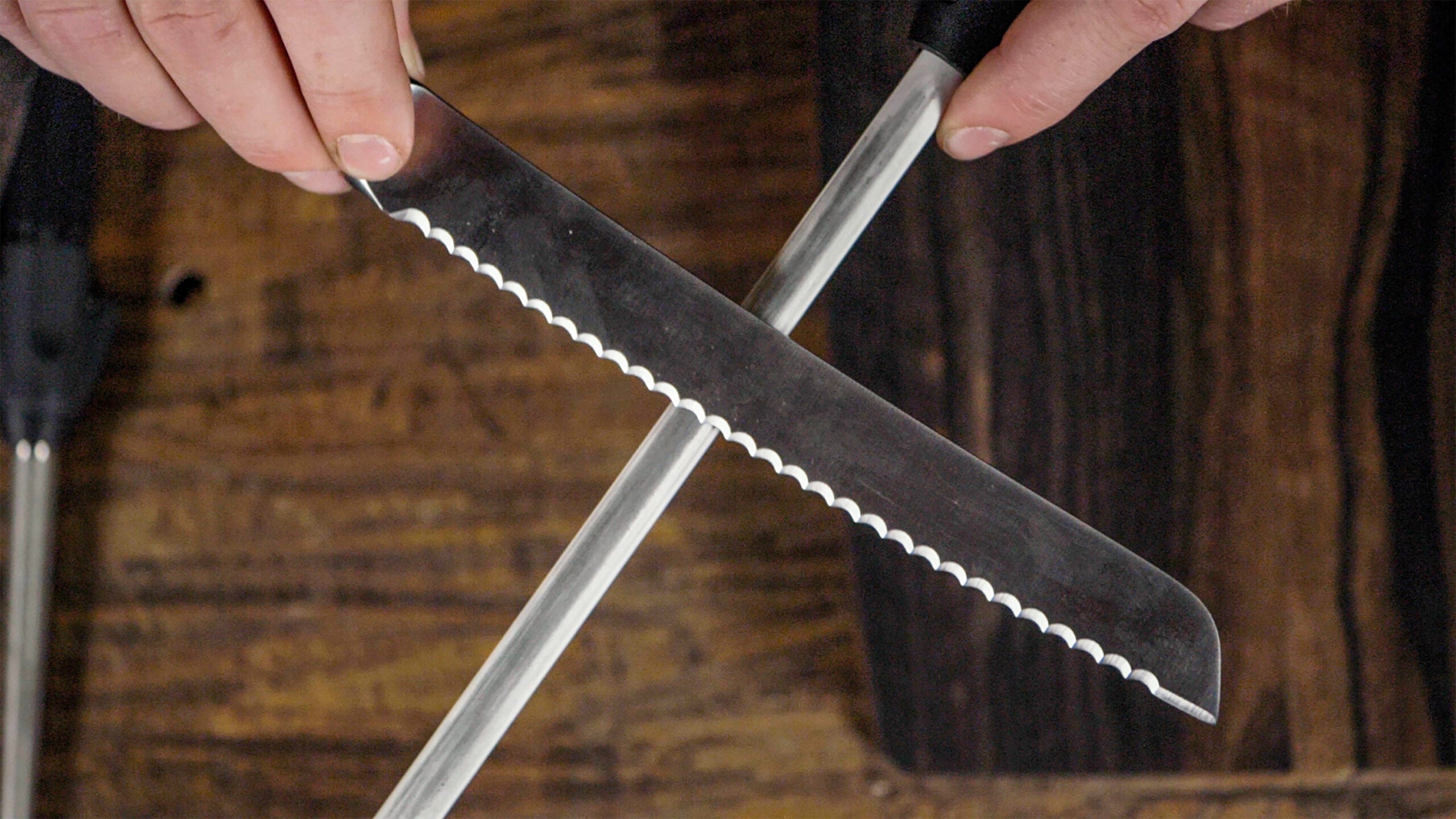
Hold the knife at a consistent angle to the rod. Usually, a 15 to 20-degree angle works best for kitchen knives. Too steep or too shallow angles can damage the blade. Keep the angle steady throughout each stroke for even sharpening.
Stroke Methods
Move the knife smoothly along the rod from the base to the tip. Use long, even strokes on each side of the blade. Alternate sides to keep the edge balanced. Avoid short or jerky movements to prevent uneven sharpening.
Maintaining Consistent Pressure
Apply light and steady pressure while sharpening. Pressing too hard can wear down the blade quickly. Too little pressure will not sharpen the edge well. Find a balance that feels firm but gentle on the knife.
Credit: worksharptools.com
Checking Sharpness
Test the knife’s sharpness by slicing through paper or gently running your thumb across the edge. A sharp blade cuts smoothly without tearing or slipping. Repeat sharpening if the knife feels dull or uneven.
Checking the sharpness of your knife is crucial after sharpening it with a rod. A sharp knife not only makes cooking easier but also safer. You'll want to ensure that your knife is ready for any culinary task. Here are a few practical ways to check the sharpness of your knife.
Visual Inspection
Start by holding the knife up to the light. Look closely at the edge; a sharp knife will have a smooth, even edge with no visible nicks or shiny spots. Shiny spots indicate areas that are still dull. Ensure the blade is clean for an accurate inspection. This quick check can often reveal if more sharpening is needed.
Paper Test
Grab a sheet of paper and hold it up in front of you. Try slicing through it with your knife. A sharp knife will cut cleanly through the paper with minimal effort. If the knife tears or struggles, it might need more sharpening. This test is a simple yet effective way to gauge sharpness.
Finger Nail Test
Gently place the knife edge on your fingernail at a slight angle. A sharp knife will catch slightly on the nail. If it slides off easily, the edge might be too dull. Remember to do this test carefully to avoid any injury. It's a quick and reliable way to feel the sharpness firsthand. Wouldn't it be great to have a knife that slices through ingredients like butter? These tests are your gateway to achieving that level of precision. Try them out and see the difference a sharp knife can make in your cooking.
Maintaining Your Knife Post-sharpening
Maintaining your kitchen knife after sharpening keeps it sharp longer and safe to use. Proper care preserves the blade’s edge and prevents damage. Small daily habits help your knife stay in top shape. Here are key steps to follow after using a sharpening rod.
Cleaning And Drying
Clean your knife immediately after use. Rinse with warm water and mild soap. Avoid harsh detergents that can damage the blade. Gently wipe with a soft cloth to remove food particles. Never leave your knife soaking in water.
Dry your knife thoroughly to stop rust. Use a clean towel and dry every part of the blade. Store only when completely dry to avoid corrosion and stains.
Proper Storage
Store knives safely to keep edges sharp and prevent accidents. Use a knife block, magnetic strip, or blade guards. Avoid tossing knives in drawers with other utensils. This can dull the blade and cause nicks.
Keep knives in a dry place. Moisture can cause rust and weaken the blade. Proper storage extends the life of your kitchen knife.
Regular Maintenance Tips
- Hone your knife regularly with a sharpening rod to realign the edge.
- Avoid cutting on hard surfaces like glass or granite; use wood or plastic boards instead.
- Hand wash knives instead of using a dishwasher to protect the blade.
- Inspect knives often for chips or dullness and sharpen as needed.
These simple steps keep your knife ready for every kitchen task.

Credit: www.familyhandyman.com
Common Mistakes To Avoid
Sharpening a kitchen knife with a rod might seem simple, but many people make avoidable mistakes that reduce effectiveness or even damage the blade. Paying attention to these common errors can save your knife and improve your sharpening skills. Here are key pitfalls you should watch out for to get the best results every time.
Incorrect Angles
Maintaining the right angle between the knife blade and the sharpening rod is crucial. Most kitchen knives require a sharpening angle between 15 and 20 degrees. Holding the blade too flat or too steep can either dull the edge further or wear it unevenly.
I once tried sharpening my chef’s knife without focusing on the angle. The result was a blade that felt sharper but dulled after just a few uses. Have you noticed how even a slight change in angle can affect the sharpness? Using a guide or practicing in front of a mirror can help you get it right.
Over-sharpening
It’s tempting to keep sharpening until the blade feels razor-sharp, but over-sharpening can wear down your knife’s edge quickly. Excessive sharpening removes more metal than necessary, shortening the lifespan of your blade. You want to maintain a balance between sharpness and preserving your knife.
Try stopping once you feel a consistent edge forming on both sides. Ask yourself: Is the knife sharp enough for daily use, or am I just trying to achieve a perfect edge? Often, less is more when it comes to sharpening.
Using Damaged Rods
Not all sharpening rods are created equal, and using one with chips, cracks, or worn surfaces can harm your knife. A damaged rod can create uneven sharpening and scratch the blade instead of honing it. Always inspect your rod before use to ensure it’s smooth and intact.
Think about your last sharpening session—did the rod feel rough or uneven? Investing in a quality rod and taking care of it will pay off in sharper, longer-lasting knives. Would you rather risk a cheap rod or protect your valuable kitchen tools?
Frequently Asked Questions
How Do I Hold The Sharpening Rod Correctly?
Hold the sharpening rod vertically with the tip resting on a stable surface. Grip the handle firmly with your dominant hand for control and safety.
What Angle Should I Use To Sharpen A Kitchen Knife?
Maintain a 15 to 20-degree angle between the knife blade and the rod. This angle ensures effective sharpening without damaging the blade.
How Many Strokes Are Needed To Sharpen A Knife?
Typically, 5 to 10 strokes per side are enough. Use consistent, smooth strokes for even sharpening on both sides.
Can I Use A Sharpening Rod On All Kitchen Knives?
Most kitchen knives can be sharpened with a rod, except ceramic knives. Avoid using a rod on damaged or very dull blades.
Conclusion
Sharpening a kitchen knife with a rod takes practice and patience. Keep the angle steady and move the blade gently. Regular sharpening keeps knives safe and effective. This simple tool can improve your cutting experience. Take your time and sharpen often for best results.
A sharp knife makes cooking easier and more fun. Try it today and notice the difference in your kitchen.