Are you planning to transport your refrigerator in a pickup truck? Securing it properly is key to avoiding damage and keeping it safe on the road.
If you don’t fasten it right, your fridge could tip over, get scratched, or even cause accidents. You’ll discover simple and effective ways to secure your refrigerator so it stays steady during the trip. Keep reading to learn easy tips that will protect your fridge and give you peace of mind every time you hit the road.
Credit: www.youtube.com
Choosing The Right Refrigerator
Choosing the right refrigerator for your pickup truck is key to keeping your food and drinks cold on the road. The fridge must fit well and stay secure during travel. It should also run efficiently and withstand bumps and vibrations. Consider several factors before making a choice. This helps prevent damage and keeps your items fresh.
Size And Weight Considerations
The refrigerator size must match your truck’s available space. Measure the area carefully before buying. A fridge too big may not fit or block visibility. Too small might not hold enough items.
Weight matters for stability and fuel efficiency. Heavy fridges need stronger securing methods. Lighter models are easier to move and install. Balance size and weight to suit your needs.
Durability And Build Quality
Choose a fridge built to handle rough roads. Look for models with sturdy frames and shock-resistant features. Metal or hard plastic bodies resist dents and scratches better.
Check for seals and hinges that keep cold air inside. Durable parts reduce maintenance and extend fridge life. A tough refrigerator stands up to vibration and weather changes.
Power Source Options
Pick a fridge with power options matching your truck setup. Many run on 12V DC, perfect for vehicle batteries. Some offer 110V AC for use at home or campsites.
Solar-powered fridges add freedom on long trips without hookups. Consider energy-efficient models to save battery life. Match the fridge’s power needs with your truck’s electrical system.
Preparing The Pickup Truck Bed
Preparing your pickup truck bed is a crucial step before securing a refrigerator. A clean, well-protected space with reliable anchor points ensures safety and stability during transport. Taking time here saves you from damage and hassle on the road.
Cleaning And Clearing The Space
Start by removing everything from your truck bed. Dirt, debris, or loose items can cause scratches or make the fridge unstable. Give the bed a thorough sweep and wipe it down to create a smooth surface.
Check for any sharp objects like nails or screws that could puncture the refrigerator or its packaging. Clearing the area completely lets you focus on securing the fridge without distractions.
Using Protective Liners
Adding a protective liner cushions the refrigerator and prevents sliding. Rubber mats or foam pads work well to absorb shocks and protect both the fridge and your truck bed.
You might already have a bed liner installed, but double-check its condition. If it’s worn out, adding an extra layer like a thick blanket or specialized padding can make a big difference in stability.
Assessing Anchor Points
Look around your truck bed for built-in anchor points such as hooks or tie-down loops. These are essential for fastening straps that keep the refrigerator from moving during transit.
Not all trucks have enough anchor points, so you may need to install additional ones. Ask yourself: Are the existing points strong enough and positioned well to hold the fridge securely?
Securing Methods For The Refrigerator
Securing a refrigerator in a pickup truck is essential to prevent damage and ensure safety. Proper securing methods keep the appliance stable during transit. Choosing the right method depends on the truck bed and the size of the refrigerator. Each method offers different levels of security and ease of use.
Using Ratchet Straps
Ratchet straps provide strong and reliable support. They tighten firmly around the refrigerator and attach to the truck bed. Use soft padding between the strap and the fridge to avoid scratches. Secure the straps to anchor points on the truck to prevent movement. Check the tightness of the straps regularly during the trip.
Employing Bungee Cords Safely
Bungee cords offer flexibility and quick fastening. Choose heavy-duty cords with strong hooks for better hold. Avoid overstretching the cords, as they may snap or lose tension. Use multiple bungee cords crossing over the refrigerator for added stability. Always cover sharp edges to protect the cords and the fridge.
Installing Tie-down Anchors
Tie-down anchors create fixed points in the truck bed for securing straps or cords. Install anchors in corners or along the sides of the bed. Use anchors rated for the weight of the refrigerator. Attach ratchet straps or bungee cords to these anchors for a firm hold. This method increases security and prevents the fridge from sliding.

Credit: www.reddit.com
Additional Safety Measures
Secure the refrigerator with extra straps to prevent movement during transit. Place padding around corners to protect against bumps and vibrations. Double-check all fastenings before driving for added safety.
Transporting a refrigerator in a pickup truck can be a daunting task. Ensuring it's secure and safe from potential damage is key. Beyond the basic steps, adding extra layers of safety measures can provide peace of mind. Let's explore some additional strategies to keep your fridge safe during transit.
Adding Padding And Cushioning
Protecting your refrigerator with padding can prevent scratches and dings. Use blankets or bubble wrap to cover all sides of the fridge. Secure the padding with ropes or bungee cords to keep it in place. Consider placing foam or cardboard underneath the fridge. This adds an extra layer of shock absorption. It can make all the difference on bumpy roads.
Preventing Movement During Transit
Movement is the enemy of safely transporting a fridge. Use ratchet straps to anchor it tightly to the truck bed. Ensure the fridge is upright and balanced. Create a makeshift barrier using wooden planks to prevent sliding. Position them around the fridge to restrict any unwanted shifts. Are there other items in the truck bed? Make sure they are also secured to prevent them from colliding with the fridge.
Weather Protection Tips
The weather can be unpredictable. Cover the fridge with a tarp if there's a chance of rain. Ensure the tarp is tightly secured to prevent wind from catching it. Sun exposure can also be an issue. Prolonged heat can affect the fridge's components. Use a light-colored tarp to reflect sunlight and keep the fridge cooler. By considering these additional safety measures, you can enhance the security of your refrigerator during transit. Have you tried any of these techniques? Share your experiences or let us know if you have other tips!
Loading And Unloading Tips
Loading and unloading a refrigerator in a pickup truck requires care and attention. Proper handling prevents injuries and protects the appliance. This section offers practical tips for safe lifting, stable positioning, and damage prevention. Follow these guidelines to keep the refrigerator secure and avoid accidents during transport.
Proper Lifting Techniques
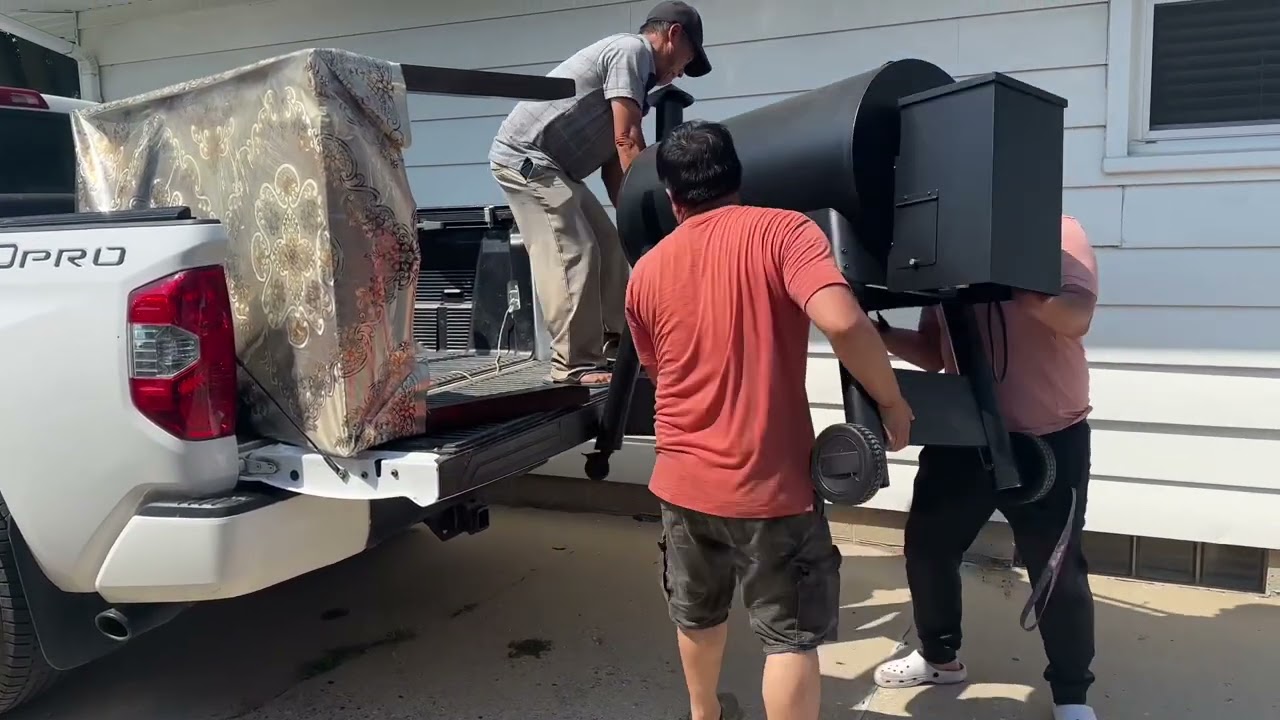
Use your legs, not your back, to lift the refrigerator. Keep your back straight and bend your knees. Hold the refrigerator close to your body to reduce strain. Avoid twisting your torso while lifting. If possible, ask someone to help carry heavy refrigerators. Use gloves for a better grip and to protect your hands.
Positioning For Stability
Place the refrigerator upright in the truck bed. Position it against the truck’s wall or tailgate for support. Use non-slip mats to prevent sliding during transit. Secure the refrigerator with straps or ropes at multiple points. Tighten the straps just enough to hold the fridge firmly. Check the stability by gently shaking the refrigerator before driving.
Avoiding Damage
Protect the refrigerator with blankets or foam padding. Cover sharp edges to prevent scratches on the truck or fridge. Avoid placing heavy objects on top of the refrigerator. Keep the doors closed and secured with tape or straps. Drive slowly over bumps and avoid sudden stops. Inspect the refrigerator for dents or scratches after unloading.

Credit: www.toyota-4runner.org
Maintenance After Transport
After transporting your refrigerator in a pickup truck, the job isn’t finished yet. Proper maintenance after transport ensures your appliance stays in good shape and works efficiently. Skipping this step can lead to hidden problems that might cost you more time and money later.
Checking For Damage
Start by inspecting the exterior of the refrigerator for any dents, scratches, or cracks. These could indicate a rough ride or improper securing during transport. Don't forget to check the back and bottom areas where damage is less visible but can affect functionality.
Also, examine the door seals closely. If they are bent or torn, the fridge might not cool properly. Have you ever noticed a fridge that runs constantly? Damaged seals could be the reason.
Cleaning The Refrigerator
Transport can stir up dust, dirt, and even small debris inside and outside your fridge. Use a damp cloth to wipe down all surfaces gently. Avoid harsh chemicals that can damage the finish or seals.
Check the inside carefully—sometimes, packaging materials or loose parts can get stuck in corners or vents. Cleaning not only keeps your fridge looking good but also helps maintain air circulation and hygiene.
Verifying Functionality
Plug in your refrigerator and listen for any unusual sounds like loud buzzing or clicking. These noises might indicate internal issues caused during transit. Set the temperature controls to your usual settings and monitor if the fridge cools properly over the next few hours.
Have you noticed that cooling takes longer after moving your fridge? This could be due to the compressor needing time to stabilize. Still, if the fridge doesn’t cool efficiently after 24 hours, it’s a sign to call a professional for a check-up.
Frequently Asked Questions
How Do I Prevent My Refrigerator From Moving In A Pickup Truck?
Use sturdy straps or bungee cords to tightly secure the refrigerator. Place non-slip mats underneath to reduce sliding during transit.
What Materials Are Best For Securing A Fridge In A Truck?
Heavy-duty ratchet straps and rubber mats work best. They provide strong hold and prevent scratches or damage.
Can I Use Ropes Instead Of Straps To Secure My Fridge?
Ropes are less reliable and may loosen during travel. Ratchet straps offer better tension and safety for transporting refrigerators.
Where Should I Position The Refrigerator In The Pickup Bed?
Place the fridge against the truck's cab or sidewall. This minimizes movement and keeps it stable during the drive.
Conclusion
Securing a refrigerator in a pickup truck keeps it safe and steady. Use straps or bungee cords to hold it tight. Place padding to avoid scratches and dents. Check the fridge often during your trip. A well-secured fridge prevents damage and spills.
It also helps keep your food fresh and cool. Take time to prepare before you drive. Safety and care make your journey easier. Simple steps bring peace of mind on the road.