You probably already know how useful a utility knife is for cutting through tough materials. But when your blade gets dull, do you hesitate because you’re unsure how to replace it safely?
Putting a new blade in your utility knife is easier than you think—and doing it the right way keeps you safe and your knife working perfectly. In this guide, you’ll learn simple, step-by-step instructions to change your blade quickly and confidently.
Keep reading, and you’ll never worry about a dull blade slowing you down again.

Choosing The Right Utility Knife
Choosing the right utility knife is more than just picking a tool off the shelf. It affects your safety, efficiency, and the quality of your work. Understanding the differences in types and blade compatibility can save you time and frustration.
Types Of Utility Knives
Utility knives come in several styles, each suited for different tasks and user preferences.
- Retractable knives:These have a blade that slides in and out for safety. They are great for general use and easy to carry.
- Fixed blade knives:The blade stays in place and is usually stronger. Ideal for heavy-duty cutting but less safe to carry around.
- Snap-off blade knives:These have segmented blades you can snap off when dull. Perfect if you want a fresh edge quickly without replacing the entire blade.
Think about what tasks you’ll do most. Do you need a knife that’s safe to store in your pocket, or one that handles tough materials without bending?
Blade Compatibility
Not all blades fit every utility knife. Using the wrong blade can be dangerous and reduce your cutting precision.
Check your knife’s specifications for the blade type it supports. Some knives only accept standard blades, while others allow specialty blades like hook or serrated edges.
Matching the blade to both your knife and the job makes a big difference. Have you ever struggled with a blade that didn’t fit properly? Choosing compatible blades avoids that hassle and keeps your work smooth.
Gathering Safety Equipment
Before changing the blade in your utility knife, safety comes first. Gathering the right safety equipment protects your hands and eyes. It reduces the risk of injury during the blade replacement process.
Protective Gloves
Wear sturdy gloves designed to resist cuts. These gloves provide a strong grip on the blade and knife handle. They shield your hands from sharp edges and accidental slips. Choose gloves made from materials like leather or reinforced fabric for best protection.
Eye Protection
Safety glasses or goggles protect your eyes from flying debris or metal shards. Tiny blade fragments can cause serious eye injuries. Always wear eye protection even if the blade looks intact. Clear lenses offer good visibility and shield your eyes effectively.
Preparing The Utility Knife
Preparing your utility knife properly is essential before changing the blade. Taking time to handle the knife carefully ensures safety and makes the blade replacement smoother. This section will guide you through getting your utility knife ready.
Unlocking The Knife
First, check the knife’s locking mechanism. Many utility knives have a sliding button or a small lever that secures the blade in place.
Press or slide this lock to release the blade holder. If you’re unsure, look for symbols or instructions engraved on the knife handle. Have you ever struggled with a stuck blade holder? A little patience here prevents accidents.
Removing The Old Blade
Once unlocked, carefully pull out the old blade. Use pliers if the blade is too tight or sharp to handle with bare hands.
Dispose of the old blade safely—wrap it in tape or place it in a blade disposal container. Handling the blade with respect keeps your workspace and fingers safe. What’s your method for safely discarding used blades?
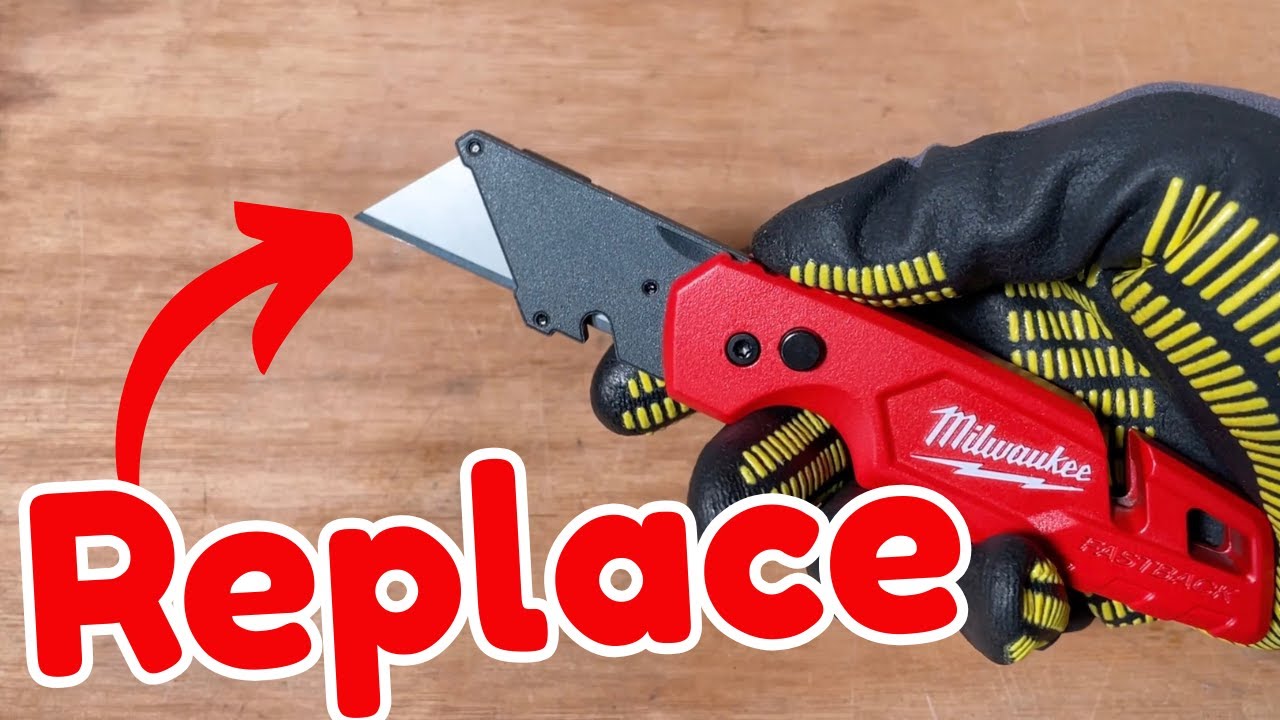
Inserting The New Blade
Inserting a new blade into your utility knife is simple and quick. Proper insertion ensures safety and effective cutting. Take your time to position the blade correctly. Follow these steps for a secure fit.
Aligning The Blade Correctly
Start by holding the blade carefully by its dull edges. Avoid touching the sharp edge to prevent cuts. Look at the slot inside the knife where the blade fits. The blade must line up with the guides or rails inside the knife.
Place the blade so the sharp edge faces outward, away from your hand. The hole or notch in the blade should match the locking mechanism inside the knife. Check that the blade sits flat and straight within the slot.
Securing The Blade In Place
Once aligned, slide the blade gently into the knife until it stops. Most utility knives have a locking mechanism or lever. Engage this lock to hold the blade firmly. Make sure the blade does not move or wiggle.
Test the blade by pulling lightly. It should stay firmly in position. If it shifts, release the lock and adjust the blade again. A secure blade gives better control and prevents accidents.
Testing The Blade Installation
Testing the blade installation is a crucial step to ensure your utility knife works safely and effectively. A poorly installed blade can slip, causing uneven cuts or even injury. Taking a moment to test your setup helps avoid these issues and gives you confidence before you start cutting.
Checking Blade Stability
After installing the blade, gently wiggle it to check for any movement. The blade should feel firmly in place without any looseness. If the blade shifts or rattles, it’s a sign that it’s not seated properly.
Try applying light pressure with your finger against the blade’s edge—does it hold steady? If it moves, this could cause uneven cuts or a dangerous slip during use. Stability means safety and precision.
Adjusting If Necessary
If you notice any blade movement, don’t ignore it. Open the utility knife again and realign the blade carefully. Sometimes, the blade isn’t fully seated in the locking mechanism, or debris might be preventing a tight fit.
Take a moment to clean the blade holder if needed, then press the blade firmly into place. Secure the locking mechanism completely before testing stability again. It’s better to spend a few extra minutes now than risk a cutting accident later.
Have you ever had a blade slip mid-cut? What small adjustment helped fix the problem? Share your experience and help others avoid common mistakes.

Safe Handling And Storage Tips
Safe handling and storage of a utility knife are essential for preventing accidents. Proper techniques ensure your blade remains sharp and ready for use. A well-maintained knife reduces the risk of injury.
Proper Knife Storage
Store your utility knife in a dry place. Moisture can cause rust, affecting the blade's performance. Use a tool box or drawer with dividers to keep knives separate. This prevents blades from dulling against each other. Always engage the safety lock before storing. It keeps the blade secure and reduces the risk of accidental cuts.
Maintaining Blade Sharpness
Regular blade checks are crucial for maintaining sharpness. Inspect the blade for nicks or rust. Replace damaged blades immediately to ensure safety. Use a sharpening tool for dull blades. It extends the life of your utility knife. Always wear gloves when sharpening or replacing blades. It provides extra protection against cuts.
Frequently Asked Questions
How Do I Safely Insert A Blade In A Utility Knife?
First, unlock the knife by sliding the release mechanism. Next, carefully align the new blade in the holder. Then, press the blade firmly into place. Finally, lock the knife to secure the blade before use.
What Tools Are Needed To Change A Utility Knife Blade?
Usually, no extra tools are needed. Most utility knives have a built-in blade release mechanism. However, some models might require a screwdriver to open the casing. Check your knife’s instructions to confirm the process.
How Often Should I Replace The Blade In A Utility Knife?
Replace the blade when it becomes dull or damaged. A sharp blade ensures clean cuts and safety. Frequent use may require changing blades weekly or monthly. Always inspect before use for optimal performance.
Can I Use Any Blade In A Utility Knife?
No, use blades designed for your specific utility knife model. Using incompatible blades can cause improper fitting and accidents. Check the knife’s manual or packaging for recommended blade types.
Conclusion
Changing a blade in a utility knife is simple and quick. Always handle the blade with care to avoid cuts. Make sure the blade fits properly and locks in place. Using the right blade helps you work safely and efficiently.
Keep your knife clean and check the blade often. Practice these steps to stay safe and get the job done right. A sharp blade makes cutting easier and safer every time.