Are you ready to add a splash of fresh, juicy strawberries to your outdoor space without taking up much room? Planting a strawberry hanging basket is a simple and fun way to grow your own delicious fruit right where you can see and enjoy it every day.
Whether you have a small balcony, a cozy patio, or just want a charming garden touch, this method lets you maximize space and keep your plants healthy. Keep reading, and you’ll discover easy steps to create your own strawberry hanging basket that will brighten your home and satisfy your taste buds!
Choosing The Right Basket
Choosing the right basket is key to growing healthy strawberries in hanging baskets. The basket affects the plant’s growth, fruit production, and ease of care. Picking a basket that suits your space and plant needs helps strawberries thrive. Consider material, size, and drainage before planting.
Material Options
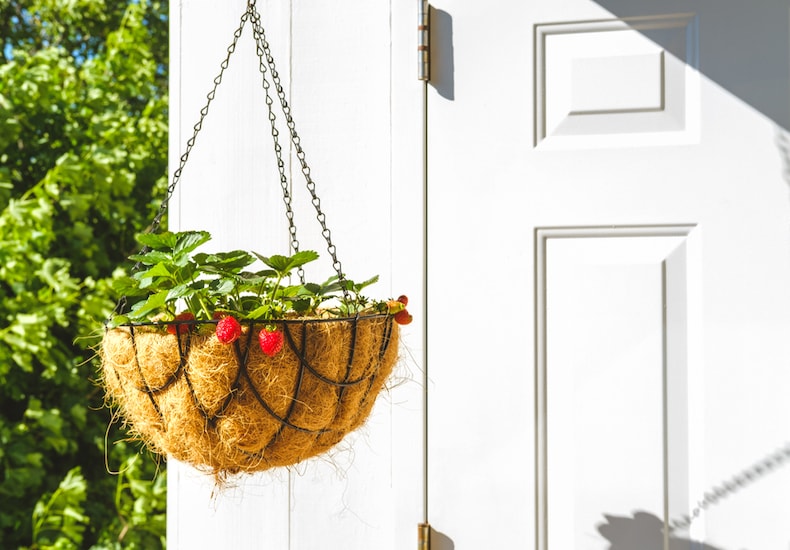
Baskets come in different materials. Plastic baskets are lightweight and hold moisture well. They are easy to clean and last long. Wire baskets offer good air circulation but may dry out faster. Coconut fiber liners provide natural drainage and breathability. Choose a material that balances moisture and airflow for strawberries.
Size Considerations
Strawberries need enough space for roots to grow. Small baskets limit root space and reduce fruit size. Large baskets hold more soil and keep plants moist longer. A basket around 12 to 14 inches in diameter works well. Depth should be at least 6 to 8 inches to support root growth. Size affects watering frequency and plant health.
Drainage Needs
Good drainage prevents waterlogging and root rot. Baskets must have holes or slits at the bottom. Using a liner with drainage holes helps keep soil in place. Avoid baskets that trap water or stay too wet. Proper drainage ensures roots get air and stay healthy. Check drainage before planting strawberries in any basket.
Selecting Strawberry Varieties
Choosing the right strawberry variety is crucial for a successful hanging basket garden. Different types offer unique benefits that affect how often and how much fruit you’ll harvest. Understanding these differences helps you pick a variety that fits your space and taste preferences perfectly.
Everbearing Vs June-bearing
Everbearing strawberries produce fruit several times during the growing season, typically in spring and fall. This means you get fresh berries over a longer period, which is great if you want a steady supply to enjoy or share.
June-bearing varieties, on the other hand, produce a large, concentrated crop once a year, usually in early summer. If you love making jams or freezing berries for later, this might be your ideal choice because of the big harvest.
Think about how you plan to use your strawberries. Would you prefer frequent smaller harvests or one big batch? Your answer will guide your variety choice.
Compact Varieties For Hanging Baskets
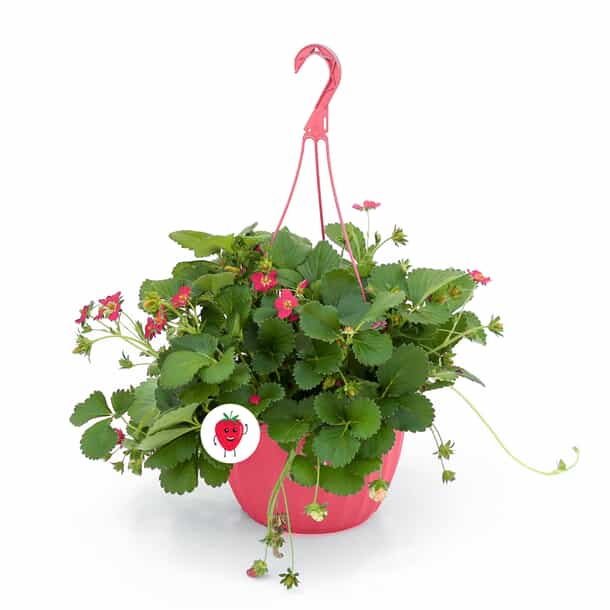
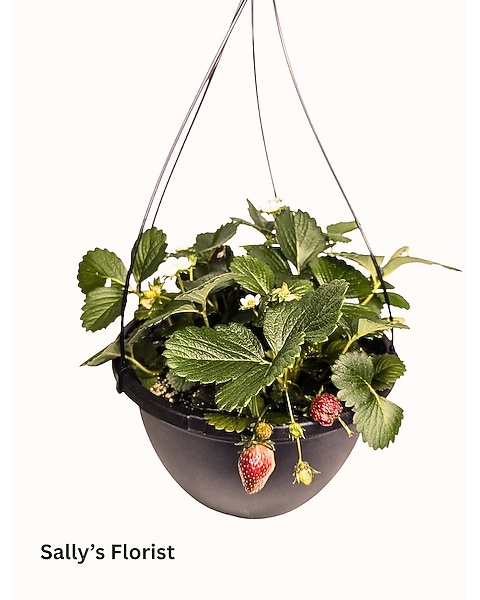
Not all strawberries grow well in the limited space of a hanging basket. Compact or "day-neutral" varieties are bred to be smaller and more manageable, making them perfect for containers.
Varieties like 'Tristar', 'Temptation', and 'Seascape' thrive in hanging baskets. They produce plenty of fruit without sprawling too much or needing extra space.
- Tristar:Sweet flavor, continuous fruiting, and compact growth.
- Temptation:Large berries with good disease resistance, ideal for containers.
- Seascape:Robust plants that yield flavorful berries over a long season.
Choosing compact varieties means less hassle managing runners and more room for your strawberries to flourish. Which variety fits your basket and your taste buds best?
Preparing The Soil Mix
Preparing the soil mix is a crucial step before planting strawberries in a hanging basket. The right soil blend creates a healthy environment for roots to grow and absorb nutrients effectively. Getting this mix right can dramatically improve your strawberry harvest and keep plants thriving.
Soil Composition
Strawberries need soil that is light and fluffy. Use a mix of potting soil, peat moss, and perlite to create a balanced texture. This combination holds moisture but still allows air to reach the roots.
Too much clay or heavy soil can suffocate roots and cause waterlogging. If your potting soil feels dense, add more perlite or coconut coir to loosen it up. Have you checked your soil’s texture lately? It might be the secret to healthier plants.
Adding Fertilizers
Your soil mix should include slow-release fertilizer to feed strawberries over time. A balanced fertilizer with equal parts nitrogen, phosphorus, and potassium works well. You can also mix in some organic compost for extra nutrients.
Avoid using too much fertilizer at once—it can burn roots. Instead, blend it evenly into the soil before planting. Have you noticed how your plants respond when you feed them consistently versus sporadically?
Improving Drainage
Drainage is key to preventing root rot in hanging baskets. To improve drainage, add a layer of small stones or broken pottery at the bottom of the basket. This helps excess water escape quickly.
Mixing perlite or coarse sand into your soil mix also boosts drainage. If water tends to sit in your basket, adjusting the soil can save your strawberries from drowning. When was the last time you checked if your basket drains well?
Credit: www.thompson-morgan.com
Planting Techniques
Planting strawberries in a hanging basket requires care and attention to detail. Proper planting techniques help plants grow strong and produce sweet fruit. Follow these tips to ensure your strawberry plants thrive in their new home.
Spacing Plants
Give each strawberry plant enough room to grow. Space plants about 6 to 8 inches apart. Crowding plants can cause poor air flow. This leads to diseases and weak growth. Proper spacing allows leaves to spread and fruit to develop well.
Depth For Planting
Plant strawberries so the crown sits just above soil level. The crown is the small, central part where leaves grow. Planting too deep can cause the crown to rot. Too shallow planting can dry out roots. Keep roots fully covered but crown exposed for healthy growth.
Watering After Planting
Water plants gently but thoroughly after planting. This helps settle the soil around roots. Keep soil moist but not soaked. Hanging baskets dry out faster than garden beds. Check soil daily and water as needed to keep plants happy.
Caring For Your Basket
Plant strawberry hanging baskets with healthy soil and proper drainage. Ensure adequate sunlight and water regularly. Prune to promote growth and remove damaged leaves.
Caring for your strawberry hanging basket is crucial to ensure a bountiful harvest and vibrant plants. It's not just about planting; it's about nurturing your strawberries to thrive in their elevated perch. Let's dive into the essentials that will keep your basket flourishing throughout the season.
Watering Schedule
Strawberries in hanging baskets require consistent moisture, but not soggy roots. Water your basket early in the morning or late in the afternoon to avoid evaporation. A simple tip: stick your finger into the soil. If it feels dry an inch down, it's time to water. Using a watering can with a long spout can help reach into the basket without spilling.
Fertilizing Tips
Fertilizing is key to healthy strawberry growth. Use a balanced liquid fertilizer every two weeks during the growing season. Be cautious not to over-fertilize, as this can lead to lush foliage but fewer berries. Always follow the instructions on your fertilizer package for the best results.
Managing Pests And Diseases
Keep an eye out for common pests like aphids and spider mites. Regularly inspect the undersides of leaves and use insecticidal soap if you spot any invaders. Diseases like powdery mildew can be minimized by ensuring good air circulation around your basket. If you notice any signs of disease, remove affected leaves promptly to prevent spreading. Caring for your strawberry hanging basket requires attention and a bit of love. Are you ready to enjoy the sweet rewards of your effort?
Encouraging Fruiting And Growth
Encouraging your strawberry plants to fruit and grow well in a hanging basket takes a bit of attention and care. It's not just about planting; how you manage light, prune, and harvest makes a big difference. Let’s break down what you can do to get juicy, sweet strawberries right from your basket.
Sunlight Requirements
Strawberries need plenty of sunlight to produce sweet fruit. Aim to place your hanging basket where it gets at least 6-8 hours of direct sunlight daily. If you notice fewer flowers or small fruits, it might be a sign your plant isn’t getting enough light.
Think about your balcony or porch—does it get bright sun most of the day? If not, try moving the basket during the growing season. You want your strawberries to soak up the sun to boost photosynthesis and energy for fruit development.
Pruning Runners
Runners are those long stems that strawberry plants send out to form new plants. While they look pretty, too many runners can drain energy from fruit production. Cutting them off helps your plant focus on growing bigger, juicier strawberries.
Use clean scissors or pinch runners off early. If you want more plants, let a few runners root in separate pots, but keep the main basket focused on fruiting. This balance keeps your strawberries healthy and productive.
Harvesting Tips
Picking strawberries at the right time encourages more fruit. Check for bright red color and a firm texture before harvesting. Avoid pulling them off harshly—use scissors or gently twist to prevent damaging the plant.
Harvest regularly to keep new berries coming. Leaving ripe strawberries on the plant too long can signal it to stop producing. How often do you check your basket for ripe fruits? Making it part of your routine can lead to better yields.
Seasonal Maintenance
Seasonal maintenance keeps strawberry hanging baskets healthy and fruitful all year. Each season brings unique care needs. Follow simple steps to protect plants and encourage growth.
Preparing For Winter
Strawberries in hanging baskets need protection from cold weather. Move the basket to a sheltered spot like a garage or porch. Reduce watering to prevent root rot but keep soil slightly moist. Remove dead leaves and old fruit to avoid disease. Mulch the soil surface with straw or leaves to insulate roots. Avoid fertilizing late in the season to help plants enter dormancy naturally.
Replanting Annually
Strawberries produce best in their first two years. Replace plants each spring for fresh growth and better fruit. Clean the basket and use new potting mix to reduce pests and disease. Choose healthy young plants or runners with strong roots. Space plants evenly to allow air circulation. Water well after planting and place in a sunny location. Regular replanting keeps your hanging basket full and productive.
Credit: www.homehardware.ca
Credit: www.sallyfloristmr.com
Frequently Asked Questions
What Soil Is Best For Strawberry Hanging Baskets?
Use well-draining, fertile potting mix rich in organic matter. Avoid heavy garden soil to prevent root rot and ensure healthy growth.
How Often Should I Water Strawberry Hanging Baskets?
Water the baskets regularly to keep soil moist but not soggy. Typically, watering every 2-3 days works, increasing frequency in hot weather.
When Is The Best Time To Plant Strawberry Baskets?
Plant strawberries in early spring after the last frost. This timing promotes strong root growth and plentiful fruit production during the growing season.
How Do I Fertilize Strawberry Plants In Hanging Baskets?
Feed plants with balanced, water-soluble fertilizer every 4 weeks during growing season. Avoid over-fertilizing, which can reduce fruit yield.
Conclusion
Planting strawberry hanging baskets adds charm to any space. Choose healthy plants and good soil for strong growth. Water them regularly, but avoid overwatering to keep roots safe. Place baskets where they get enough sunlight each day. Watch your strawberries grow and enjoy fresh fruit soon.
These simple steps make growing strawberries fun and rewarding. Try it yourself and see how easy it can be. Happy gardening!