Have you ever looked at a plain glass jar and wondered how to turn it into something beautiful? Painting a glass jar is easier than you might think, and it’s a fun way to add a personal touch to your home decor.
Whether you want to create a colorful vase, a unique candle holder, or a charming storage container, this simple project can make your space stand out. Keep reading, and you’ll discover easy steps, useful tips, and creative ideas that will help you transform your plain glass jars into eye-catching pieces you’ll love.
Ready to get started? Let’s dive in!
Choosing The Right Jar
Choosing the right glass jar is key for a successful painting project. The type of jar affects how the paint sticks and how the final product looks. Size, shape, and texture all play important roles. Picking a jar that matches your design idea makes painting easier and more fun.
Types Of Glass Jars
Glass jars come in many shapes and sizes. Some are smooth, others have patterns or ridges. Clear jars show paint colors better, while frosted jars add a soft look. Small jars work well for detailed painting. Large jars give more space for big designs. Consider the jar’s thickness too. Thin glass may break easily during painting.
- Mason jars – classic and sturdy
- Jam jars – often textured or ribbed
- Apothecary jars – elegant with wide openings
- Votive candle jars – small and smooth
- Recycled jars – eco-friendly and unique
Cleaning And Preparing
Cleaning jars is essential for good paint adhesion. Dirt and grease stop paint from sticking well. Wash jars with warm, soapy water. Rinse and dry completely. Use rubbing alcohol to remove any leftover oils. Avoid touching the jar’s surface after cleaning. Use a lint-free cloth to dry. Sand any rough spots gently for a smooth finish. This step helps paint stay longer and look neat.
Selecting Paint And Tools
Choosing the right paint and tools is the foundation of a successful glass jar painting project. Your selection affects not only the look but also how long your design lasts. Think about the finish you want and the durability you need before you start.
Best Paints For Glass
Not all paints stick well to glass, so pick ones made specifically for smooth surfaces. Acrylic enamel paints and glass paints work best because they are designed to bond with glass and resist chipping.
Have you tried using spray paint for an even coat? It’s perfect for covering large areas quickly, but you’ll want to use it in a well-ventilated space. For detailed designs, glass markers or paint pens give you more control.
- Acrylic enamel paint:Durable and glossy finish, great for lasting color.
- Glass paint:Transparent or opaque, ideal for vibrant designs.
- Paint pens:Easy for fine lines and intricate patterns.
- Spray paint:Fast coverage, but practice to avoid drips.
Essential Brushes And Supplies
Your brushes make a huge difference in how smooth and precise your paint looks. Soft, synthetic brushes work best because they hold paint evenly without leaving streaks or shedding bristles on the glass.
Think about the shapes and sizes of brushes before buying. A small round brush is perfect for details, while a flat brush covers bigger areas efficiently.
- Soft synthetic brushes:Prevent streaks and shedding.
- Small round brushes:Ideal for fine details and edges.
- Flat brushes:Cover large surfaces quickly and smoothly.
- Painter’s tape:Helps create clean lines and patterns.
- Rubbing alcohol and cotton pads:Clean the jar’s surface to remove oils and dust.
Prepping The Jar Surface
Properly prepping the jar surface is key to achieving a smooth, long-lasting paint finish. Clean and roughen the glass to help the paint stick well. This step reduces peeling and chipping. Start by removing any labels and sticky residue. Then, sand the surface lightly to create texture. These simple actions improve paint adhesion and overall appearance.
Removing Labels And Residue
Begin by soaking the jar in warm, soapy water for 10-15 minutes. This softens the label and glue. Gently peel off the label with your fingers or a plastic scraper.
If any sticky residue remains, use rubbing alcohol or a mixture of baking soda and oil. Apply it with a cloth and rub until the residue disappears. Rinse the jar well and dry it completely before moving on.
Sanding For Better Adhesion
Lightly sand the jar’s surface with fine-grit sandpaper (around 220 grit). This step creates tiny scratches on the glass, helping the paint grip better. Avoid heavy sanding, which can scratch too deeply.
After sanding, wipe the jar with a damp cloth to remove dust. Let it dry fully before painting. This ensures a clean, rough surface for the paint to hold onto firmly.

Credit: www.youtube.com
Painting Techniques
Painting a glass jar can be a fun and creative project, but the techniques you use will make all the difference in the final look. Understanding how to apply paint smoothly, build layers, and add patterns can transform a simple jar into a stunning piece. Let's dive into some painting techniques that will help you achieve beautiful results.
Base Coating
Start by cleaning your glass jar thoroughly to remove any oils or dust. This helps the paint stick better and prevents peeling later on.
Apply a thin, even base coat using acrylic or glass paint. Avoid thick layers to prevent drips and uneven drying.
Let the base coat dry completely before moving on. If you want a more vibrant color, add a second thin layer rather than one heavy one.
Layering And Details
Once the base coat is dry, you can add more layers to build depth and richness. Use smaller brushes for detailed work like shapes or designs.
Try varying your brush strokes—short, precise strokes can create texture, while smooth strokes give a sleek finish.
Have you tried mixing colors directly on the jar? It can create interesting gradients and highlights that make your jar unique.
Using Stencils And Patterns
If freehand painting isn’t your thing, stencils are a great way to add intricate patterns. Secure the stencil firmly to avoid paint bleeding underneath.
Use a sponge or a stippling brush to dab paint over the stencil lightly. This helps keep edges crisp and clean.
Think about combining multiple stencils or layering patterns for a custom look. You can even use painter’s tape to create geometric shapes for a modern twist.
Drying And Curing
Once you've painted your glass jar, drying and curing are key steps. These processes ensure your design stays intact and looks stunning. Proper drying and curing will also prevent chips and peels.
Air Drying Tips
Place your jar in a dust-free area. Ensure the room has good ventilation to speed up drying. Keep the jar away from direct sunlight. Sunlight can cause uneven drying and fading. Allow the jar to dry for at least 24 hours. This helps the paint fully adhere to the glass. Touch the surface lightly to check if it's dry.
Oven Curing Methods
Oven curing makes the paint more durable. Preheat your oven to 350°F (175°C). Place the painted jar on a baking sheet. Put it in the oven while it's still cold. This prevents sudden temperature changes. Bake the jar for about 30 minutes. Turn off the oven and let the jar cool inside. This gradual cooling helps prevent cracks. Always check the paint label for specific baking instructions.

Credit: makesomethingmondays.com
Adding Finishing Touches
Adding finishing touches to your painted glass jar can transform it from a simple craft project into a stunning piece of art. These final steps not only enhance the look but also improve the jar’s durability and usability. Paying attention to these details ensures your creation lasts longer and looks professionally done.
Sealing For Durability
Sealing your painted glass jar protects the paint from chipping and fading over time. Choose a clear acrylic sealer or a spray varnish designed for glass surfaces. These sealers create a protective barrier against moisture and scratches.
Apply the sealer in thin, even coats. Allow each coat to dry fully before adding another to avoid sticky or uneven surfaces. Have you noticed how a well-sealed project feels smoother and looks more vibrant? That’s the difference sealing makes.
Decorative Embellishments
Adding decorations like ribbons, twine, or stickers can give your jar a personalized touch. Try wrapping a piece of jute twine around the neck of the jar and tying a small bow for a rustic look. You can also glue on small charms or beads to create texture and interest.
Think about the jar’s purpose when choosing embellishments. A jar meant for holding kitchen utensils might look great with a chalkboard label, while one used as a candle holder could benefit from glitter accents. What small detail will make your jar truly yours?
Creative Ideas For Decor
Painting glass jars opens many doors for creative decorating. These jars become unique pieces that brighten any space. Paint colors and designs turn simple jars into art. Use your creativity to make every jar special and useful.
Seasonal Themes
Change jar looks to match seasons and holidays. Use bright colors for spring and pastels for Easter. Deep reds and greens work well for Christmas. Paint pumpkins or leaves for autumn vibes. Draw simple snowflakes or stars for winter charm.
Seasonal jars make great gifts or party decor. Place fairy lights inside for a cozy glow. Use stickers or ribbons to add extra charm. These jars bring festive cheer to any room.
Functional Uses
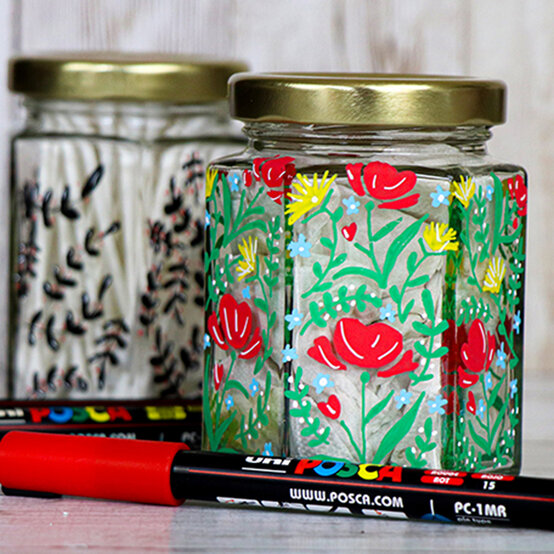
Painted jars are not just pretty; they serve many purposes. Use them as candle holders to create soft light. Store pens, brushes, or small tools in stylish ways. Turn jars into mini planters for herbs or flowers. Use them to hold kitchen spices or snacks with a colorful twist.
Label each jar with paint or tags for easy organizing. Functional jars add beauty and order to your home. They make everyday items look special and neat.
Credit: www.hobbycraft.co.uk
Frequently Asked Questions
What Materials Do I Need To Paint A Glass Jar?
To paint a glass jar, you need glass paint, primer, brushes, painter’s tape, and cleaning supplies. Clean the jar first for better paint adhesion.
How Do I Prepare A Glass Jar Before Painting?
Clean the jar with soap and water, then dry it completely. Remove any labels or residue for a smooth surface to paint on.
Can I Use Acrylic Paint On Glass Jars?
Yes, acrylic paint works well on glass. Use a glass primer first for better adhesion and durability of the paint.
How Long Does Painted Glass Jar Take To Dry?
Painted glass jars usually dry in 24 hours. Full curing might take up to 72 hours for long-lasting results.
Conclusion
Painting a glass jar is simple and fun. Choose the right paint and clean the jar well. Use light coats and let each dry fully. Add designs or labels to make it unique. This project brightens any room or event.
Try different colors to match your style. Enjoy creating something useful and pretty today.