Is your bottom freezer a constant mess, making it hard to find what you need? You’re not alone.
A cluttered freezer wastes your time and food, and can even make meal prep stressful. But imagine opening your freezer and instantly spotting everything at a glance—no digging, no frustration. In this post, you’ll discover simple, effective ways to organize your bottom freezer.
With a few smart tips, you’ll save time, reduce waste, and keep your freezer running smoothly. Ready to transform your freezer into a neat, easy-to-use space? Let’s dive in!
Benefits of Bottom Freezers
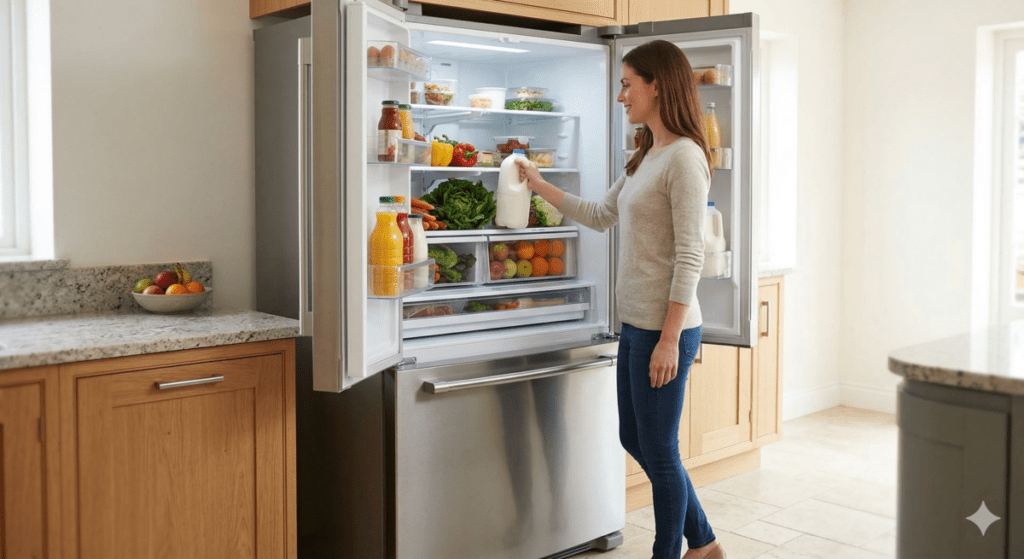
Bottom freezers offer a smart design choice that can change how you use your kitchen space. Placing the freezer at the bottom means you interact more with the fridge section, which you use more often. This simple change can make your daily kitchen tasks smoother and more comfortable.
Improved Accessibility For Fresh Foods
Your fresh foods stay at eye level, making it easier to find what you need quickly. No more bending or digging through a freezer to grab veggies or leftovers. This setup helps you keep your fridge organized and reduces food waste because you see everything clearly.
Better Use of Kitchen Space
Bottom freezers often come with wide drawers that allow you to store larger items without stacking. You can separate meats, frozen veggies, and desserts into different sections, so everything stays neat. This design can fit well in kitchens with limited space, giving you more storage options.
Energy Efficiency And Temperature Control
Cold air naturally sinks, so bottom freezers stay colder with less effort. This can save energy and keep your frozen foods fresher longer. Plus, you don’t have to open the freezer door as often, which helps maintain a steady temperature inside.
Ergonomic Benefits For Your Back
Have you noticed how often you open the fridge compared to the freezer? Keeping the fridge at eye level means less bending and stretching during your daily routine. This small change can reduce strain on your back, especially if you cook often or have limited mobility.
Assessing Your Freezer Space
Before you start filling your bottom freezer, take a moment to assess the space you have. Knowing exactly what you’re working with helps avoid wasting space or cramming items in awkwardly. It also makes it easier to keep everything accessible and organized, so you can find what you need without digging around.
Measuring Dimensions
Grab a tape measure and check the height, width, and depth of your freezer compartments. Don’t forget to measure any removable baskets or drawers separately—they often have different sizes. Knowing these measurements helps you choose the right storage containers and avoid buying items that won’t fit.
Think about the shape of the space too. Is it tall and narrow or wide and shallow? This detail influences how you stack or arrange your frozen goods. Have you noticed any awkward corners or areas that are hard to reach? These might need a different storage approach to maximize usability.
Identifying Storage Zones
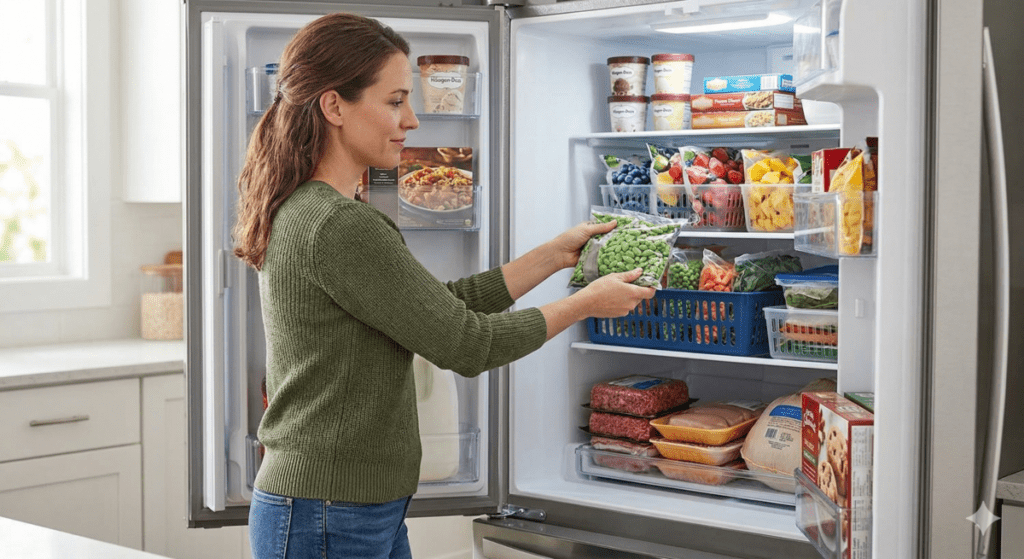
Divide your freezer into zones based on how often you use items. Keep daily essentials like frozen veggies or ice cream near the top or front for quick access. Less frequently used things, such as bulk meat or holiday treats, can go in deeper sections or bottom drawers.
Consider grouping similar items together. For example, place all your frozen fruits in one basket and meats in another. This way, you reduce the time spent searching and prevent items from getting lost or forgotten.
Ask yourself: which items do you grab most often? Creating dedicated zones for them keeps your freezer organized and efficient. Over time, you’ll find that this simple step saves you both time and frustration.
Essential Tools And Containers
Organizing a bottom freezer needs the right tools and containers. These help keep food easy to find and fresh longer. Using proper bins and labels saves time and reduces waste. It also makes cleaning and restocking simpler.
Choosing containers that fit well inside the freezer space is key. Durable materials work best for cold temperatures. Clear containers let you see contents without opening them. Labels keep everything in order and prevent confusion.
Choosing Bins And Baskets
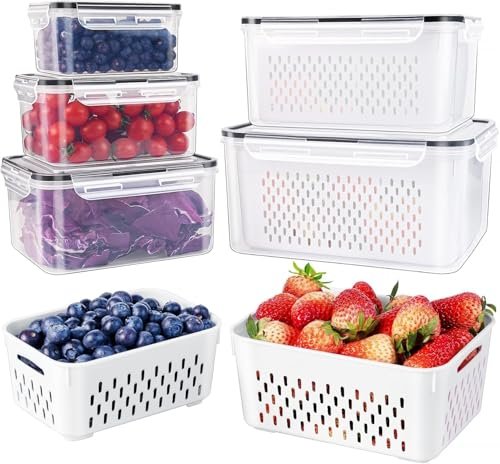
Pick bins and baskets that fit your freezer’s shelves and drawers. Sizes should allow stacking without crushing food. Plastic or wire baskets work well for ventilation and visibility.
- Use shallow bins for small items like frozen veggies or snacks.
- Deep baskets hold larger items like meat packages or frozen meals.
- Clear stackable freezer bins help spot what you need fast.
- Stackable baskets save space and keep layers separated.
Choose containers easy to clean and resistant to freezer frost. This keeps your space neat and hygienic.
Labeling Supplies
Labeling is essential for an organized bottom freezer. It helps identify food quickly and track expiration dates. Use labels that stick well in cold, moist conditions.
- Waterproof freezer labels prevent smudging or peeling.
- Permanent markers write clearly on labels and containers.
- Color-coded labels can separate food types or date categories.
- Use a label maker for neat, uniform tags.
Write dates and contents clearly on each label. This reduces food waste and keeps your freezer tidy.
Sorting And Categorizing Items
Sorting and categorizing items in your bottom freezer is the key to making the most of the space and finding what you need quickly. When you take the time to organize based on how you use your freezer, it saves you from digging through piles of frozen goods. This approach also helps reduce waste, as you can easily spot items that need to be used soon.
Grouping By Type
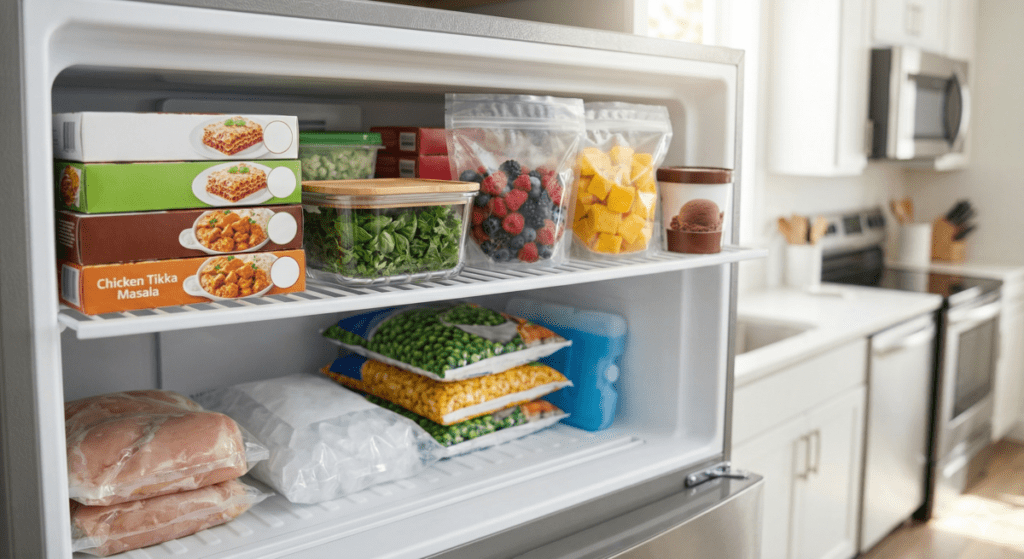
Start by grouping similar items together. Keep vegetables in one bin, meats in another, and frozen meals in a separate drawer. This simple step helps you know exactly where to reach without opening every compartment.
Use clear bins or labels to mark each category. It’s easier to maintain this system when you can see everything at a glance. Think about your shopping habits—do you buy a lot of frozen fruit? Dedicate a specific spot for it.
Prioritizing Frequently Used Items
Place the items you use most often at eye level or in the most accessible drawer. This saves time and prevents you from moving other things around just to grab your favorite frozen snacks or staples.
Less frequently used items can go towards the back or lower shelves. Ask yourself: What do I reach for daily or weekly? Those belong front and center.
One time, I stored frozen herbs and ice packs in the same drawer as my frozen dinners. It made dinner prep frustrating. After I separated them and moved the herbs to a smaller container near the top, I saved minutes every evening.
Maximizing Vertical Space
Stack items vertically using clear bins to save space and see everything easily. Use drawer dividers to keep small items organized and accessible. This way, the bottom freezer stays neat and items don’t get lost.
Maximizing vertical space in your bottom freezer can transform chaotic stacks into an organized haven. Using every inch wisely not only helps you find items faster but also prevents food waste. Let's dive into some practical tips to help you make the most out of your freezer's vertical real estate.
Stacking Techniques
Efficient stacking is key to maximizing space. Consider using stackable containers that come in various sizes to fit your needs. They not only help in organizing but also in keeping food items fresh longer. Place heavier items at the bottom and lighter ones on top. This will prevent crushing and make it easy to see what's available at a glance. If you often find yourself rearranging the contents, label the containers for quick identification. Another tip is to use clear containers. This allows you to see contents without having to open each one, saving time and maintaining organization. Remember, consistency is crucial. Stick to one type of container for a streamlined look.
Using Adjustable Shelves
Adjustable shelves are a game-changer when it comes to organizing your bottom freezer. If your freezer has this feature, use it to customize space according to your needs. Move the shelves up or down to accommodate taller items without wasting precious space. Consider removing a shelf if you need more vertical room for larger containers. This simple adjustment can make a big difference. You can also use the shelves to create different zones. Dedicate each section to a specific type of food, like meats, vegetables, or ready-to-eat meals. This way, you always know where to look and can quickly grab what you need. Have you tried rearranging your freezer lately? The results might surprise you!
Implementing Storage Systems
Implementing storage systems in a bottom freezer helps maximize space and keeps food easy to find. Organizing tools make the most of each drawer and shelf. These systems reduce clutter and prevent food from getting lost or forgotten. Simple storage solutions also speed up meal prep and grocery checks.
Drawer Dividers
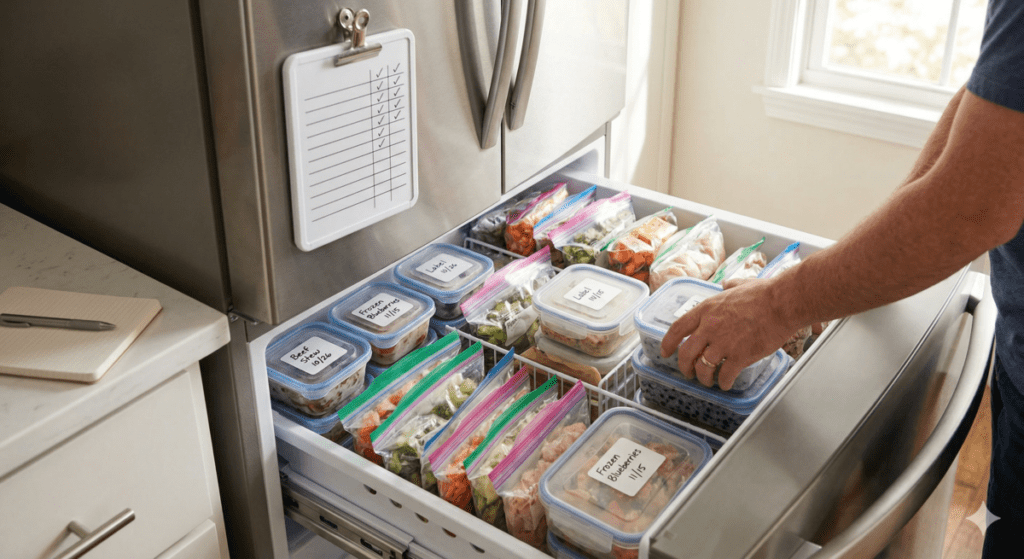
Drawer dividers split large drawers into smaller sections. This prevents items from mixing and getting messy. Use adjustable freezer drawer dividers to fit different drawer sizes and food types. Group similar foods together, like frozen vegetables or meats. Dividers keep everything neat and easy to grab.
- Separate snacks from frozen meals
- Keep fruits and vegetables in their own spaces
- Use sturdy dividers that hold up to heavy items
Clear Containers For Visibility
Clear containers let you see what is inside without opening them. This saves time and helps reduce food waste. Choose stackable containers to save vertical space in the freezer. Label each container with the contents and date for quick reference. Clear containers also protect food from freezer burn.
- Use containers of different sizes for flexibility
- Keep similar foods together for easy access
- Choose BPA-free plastic or glass for safety
Maintaining Organization Over Time
Keeping a bottom freezer organized takes effort every day. Small habits help prevent clutter and confusion. Staying consistent with simple tasks keeps the freezer tidy. This saves time and reduces food waste.
Regular Cleaning Routines
Set a schedule for cleaning the freezer. Remove old or expired items weekly. Wipe shelves and drawers with a damp cloth. This stops ice buildup and bad odors. Use mild soap and warm water for deep cleaning monthly. Dry all surfaces well before putting items back. Regular cleaning keeps the space fresh and easy to use.
Inventory Management
Keep track of frozen food items with a list. Update the list each time you add or remove products. Arrange items by type or expiration date. Place older foods in front to use first. Label containers with dates for quick checking. This method helps avoid buying duplicates. Inventory control makes meal planning faster and waste lower.
Common Mistakes To Avoid
Placing heavy items on the top shelf can block airflow and reduce cooling. Overfilling the freezer makes it hard to find items quickly and wastes space. Avoid storing warm food directly inside, as it raises the freezer temperature.
Organizing a bottom freezer can be a daunting task, especially if you're unaware of the pitfalls that can easily disrupt your efforts. Many people unknowingly commit common mistakes that lead to cluttered and inefficient spaces. By avoiding these errors, you can ensure your freezer remains neat and functional, saving you time and frustration when you're hunting for that elusive bag of frozen veggies.
Overstuffing The Freezer
Cramming too much into your freezer can block airflow, making it work harder and less efficiently. This can lead to uneven freezing and a higher energy bill. Instead, aim to leave some space around your items for air to circulate.
Ignoring Expiry Dates
It's easy to toss items into the freezer and forget about them. However, ignoring expiry dates can lead to a buildup of unusable food. Consider labeling your packages with the date of storage and regularly check what's nearing its end.
Not Using Clear Containers
Opaque containers hide their contents, making it difficult to know what you have on hand. This can lead to duplicate purchases or forgotten food. Clear containers or labeled bags help you quickly identify items, saving you both time and money.
Storing Similar Items Separately
When similar items are scattered, you waste time searching. Grouping similar items, like frozen vegetables together, streamlines access. This way, you always know where to reach when you're in need.
Neglecting To Clean Regularly
Without regular cleaning, freezers can become havens for spills and expired food. A quick monthly wipe-down keeps it fresh and prevents unpleasant odors. Plus, it gives you an opportunity to reassess and reorganize if needed. Avoiding these common mistakes can transform your bottom freezer from a chaotic mess into an organized haven. Have you been guilty of any of these errors? Share your experiences and tips in the comments!
Frequently Asked Questions
How Do I Maximize Space In A Bottom Freezer?
Maximize space by using clear bins to group items. Label containers for easy access. Remove bulky packaging to save room. Organize food by frequency of use to keep essentials within reach.
What’s The Best Way To Categorize Freezer Items?
Group items by type: meats, vegetables, and prepared meals. Use separate bins or drawers for each category. This reduces search time and prevents cross-contamination. Label each section clearly for quick identification.
How Often Should I Clean A Bottom Freezer?
Clean your bottom freezer every 3 to 6 months. Remove all items, wipe down shelves, and discard expired foods. Regular cleaning prevents odors and keeps the freezer efficient and hygienic.
Can I Use Vacuum Bags In A Bottom Freezer?
Yes, heavy-duty vacuum sealer bags save space and prevent freezer burn. They keep food fresh longer and organize items neatly. Ensure bags are sealed tightly and label them with dates for easy tracking.
Conclusion
Organizing a bottom freezer helps save time and reduce food waste. Clear bins and labels make finding items quick and easy. Keeping similar foods together keeps the freezer tidy and neat. Regularly checking and cleaning your freezer keeps it fresh and efficient.
Small steps create big changes in your kitchen routine. A well-organized freezer makes cooking and shopping less stressful. Try these tips to enjoy a cleaner, smarter freezer space.