Moving a refrigerator can feel like a tough job, especially when you need to load it into your pickup truck. You might worry about scratching your fridge, damaging your truck bed, or even hurting yourself.
But what if you knew the simple steps to make this move safe and smooth? You’ll discover easy, practical tips to help you move your refrigerator without stress or damage. Keep reading to find out how to protect your appliance, secure it properly, and get it to your new place with confidence.
Your fridge—and your back—will thank you!
Credit: www.laborhutt.com
Preparation Steps
Proper preparation makes moving a refrigerator safe and easy. It reduces the risk of damage to the appliance and your truck. Taking time to prepare helps avoid last-minute problems and saves effort during loading and unloading.
Gather Necessary Tools
Collect all tools before starting the move. You will need:
- Moving straps or ropes to secure the fridge
- Furniture dolly or hand truck to wheel the fridge
- Blankets or padding to protect surfaces
- Measuring tape for checking dimensions
- Gloves for a better grip and safety
Having these tools ready keeps the process smooth.
Measure Refrigerator And Truck Bed
Measure the height, width, and depth of the refrigerator. Then measure the truck bed dimensions. Compare both sets of numbers carefully. This step ensures the fridge fits in the truck bed securely. It avoids surprises during loading and travel. Consider extra space for padding and straps.
Clear Pathways
Clear all paths from the fridge location to the truck. Remove rugs, furniture, or other obstacles. Make sure floors are dry to prevent slipping. Clear space in the truck bed too. A clear path helps avoid accidents and makes moving faster.
Safety Precautions
Moving a refrigerator in a pickup truck isn’t just about muscle; safety plays a huge role. Ignoring simple precautions can lead to injuries or damage to your fridge. Protecting yourself and securing your load should be your top priorities before you start loading.
Wear Protective Gear
Heavy lifting puts a strain on your body. Wearing gloves helps you get a better grip and prevents scrapes or cuts. Steel-toed boots protect your feet if the fridge slips or falls.
Don’t forget a back brace if you have one. It supports your lower back and reduces the risk of injury. Have you ever tried to lift something heavy without gloves and ended up with bruises? Avoid that pain by gearing up.
Check Weight Limits
Pickup trucks have specific weight limits for their beds and tailgates. Exceeding these limits can damage your vehicle or cause dangerous accidents. Look up your truck’s maximum payload capacity before you load the fridge.
If your fridge weighs around 200-300 pounds, confirm your truck can handle that plus any additional equipment or helpers. Ignoring this can lead to costly repairs or worse, a crash. Do you know your truck’s limits well enough to keep everything safe?
Secure The Truck Bed
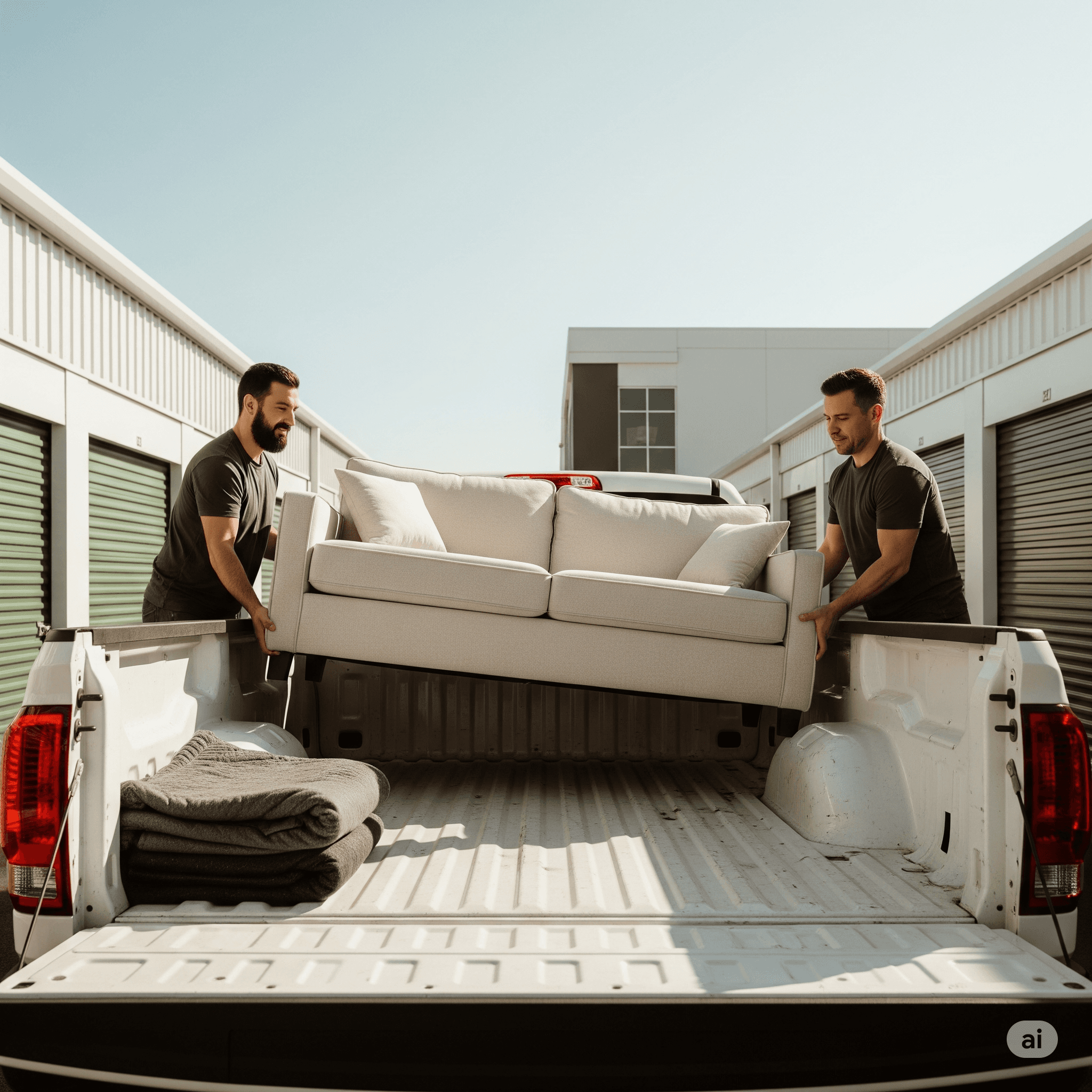
Once the fridge is in the truck bed, it’s crucial to keep it from shifting during transit. Use strong ratchet straps or ropes to tie it down tightly. Attach the straps to the truck’s anchor points and cross them over the fridge for maximum stability.
Place blankets or foam pads between the fridge and the truck bed to avoid scratches and absorb shocks. Double-check all knots and tension before driving away. Could a loose load cause trouble on your route? Make sure it won’t by securing it properly.
Loading Techniques
Loading a refrigerator into a pickup truck requires care and the right technique. Proper loading prevents damage to the fridge and keeps you safe. Choosing the best approach depends on your tools and strength. Here are some common ways to load your refrigerator efficiently.
Tilt And Slide Method
This method uses careful tilting and sliding to move the fridge. Start by tilting the refrigerator slightly backward. Keep the fridge balanced and avoid sudden movements.
Slide the fridge toward the truck bed slowly. Place a blanket or mat under the fridge to reduce friction. This helps protect both the fridge and the truck surface.
Once near the truck, tilt the fridge upright and lift it inside. It works best for short distances and when no extra equipment is available.
Using A Dolly
A dolly makes moving heavy items easier and safer. Tilt the fridge slightly and slide the dolly underneath.
Secure the fridge to the dolly with straps to prevent slipping. Push the dolly carefully toward the truck bed.
Use a helper to lift the fridge off the dolly and into the truck. Dollies reduce strain on your back and lower the risk of dropping the fridge.
Ramps And Lifting
Ramps provide a smooth way to roll the fridge into the truck. Place the ramp securely against the truck bed.
With help, push or pull the fridge slowly up the ramp. Use straps or a dolly for better control. Avoid rushing to prevent accidents.
At the top, carefully lift the fridge inside the truck. This technique works well if you have access to a sturdy ramp.

Credit: www.youtube.com
Securing The Refrigerator
Securing your refrigerator properly in a pickup truck is crucial to prevent damage during transit. A loose fridge can shift, tip over, or get scratched, leading to costly repairs or replacements. Taking the time to secure it well ensures your appliance arrives safely and keeps you stress-free.
Use Straps And Ropes
Strong straps and ropes are your best friends when securing a refrigerator. Use ratchet straps if you have them—they provide a tight hold and won’t loosen easily. Wrap the straps around the fridge and anchor them to the truck bed’s tie-down points.
Don’t forget to check the tension regularly. If the straps feel loose, stop and tighten them. I once learned this the hard way when a loosely tied fridge shifted halfway through the drive, causing a minor dent.
Ensure Upright Position
Always keep the refrigerator upright during transport. Laying it on its side risks damaging the compressor and internal components. Have you ever seen a fridge on its side? It looks precarious and unsafe—and for good reason.
If your pickup bed is uneven, use blocks or wedges to level the fridge. This simple step keeps the appliance stable and protects its mechanics. Remember, a tilted fridge might work after the move, but it can shorten its lifespan.
Check Stability
After securing the fridge with straps and positioning it upright, give it a gentle shake to test stability. If it moves or wobbles, add more straps or cushioning materials like blankets or foam pads. These prevent scratches and absorb shocks from bumps on the road.
Ask yourself: would you feel comfortable with the fridge shifting inside your truck? If not, keep adjusting until it feels rock solid. Taking a few extra minutes here can save you headaches later.
Driving Tips
Driving with a refrigerator in the back of a pickup truck needs extra care. The weight and shape of the fridge can change how the vehicle handles. Follow these driving tips to keep the load stable and prevent damage.
Monitor Speed
Keep your speed steady and moderate. High speeds can cause the fridge to shift or tip. Drive slower than usual, especially on uneven roads. This helps control the truck better and protects the appliance.
Avoid Sudden Stops
Brake gently and gradually. Sudden stops can make the refrigerator slide or fall over. Maintain a safe distance from other vehicles to allow smooth braking. Smooth stops keep the load secure and prevent accidents.
Take Wide Turns
Make turns slowly and wide. Tight turns can unbalance the fridge or damage the truck’s bed. Give yourself extra space to maneuver. Wide turns help keep the fridge steady and avoid bumps or jolts.

Credit: www.youtube.com
Unloading Process
Unloading a refrigerator from a pickup truck requires careful attention and planning. The process must be smooth to avoid any damage. Taking simple steps ensures safety for both the appliance and the people involved.
Prepare The Unloading Area
Clear the space around the truck before unloading. Remove obstacles to create a straight path. Make sure the ground is level and stable. Have a clean spot ready for the refrigerator to rest. This preparation helps prevent accidents and makes the process faster.
Use Assistance
Refrigerators are heavy and awkward to handle alone. Ask one or two people to help with the unloading. Teamwork reduces the risk of dropping or tipping the appliance. Use proper lifting techniques to protect your back and hands. Communicate clearly with your helpers throughout the move.
Move Gently To Destination
Lift the refrigerator with care and keep it upright. Avoid sudden movements or sharp turns. Walk slowly and steadily towards the destination. Use a dolly or hand truck if available for easier transport. Set the refrigerator down softly to prevent damage.
Frequently Asked Questions
How Do I Safely Secure A Refrigerator In A Pickup Truck?
Use heavy-duty straps to firmly secure the refrigerator. Place it upright on a non-slip surface. Avoid tilting to prevent damage. Ensure the truck bed is clean and clear of debris before loading.
Can I Transport A Refrigerator Lying Down In A Pickup Truck?
It’s best to keep the refrigerator upright. Lying it down can cause compressor oil to leak. This may damage the appliance. If necessary, wait a few hours before plugging it in after transport.
What Tools Do I Need To Move A Refrigerator In A Truck?
You’ll need straps or bungee cords, a dolly or hand truck, and moving blankets. These tools help protect the refrigerator and keep it stable during transport.
How Do I Prepare My Refrigerator Before Moving It?
Empty all contents and defrost the freezer. Clean and dry the interior thoroughly. Secure or remove shelves to prevent shifting. Allow the refrigerator to sit unplugged for a few hours before moving.
Conclusion
Moving a refrigerator in a pickup truck takes care and planning. Secure the fridge well to avoid damage during transport. Use blankets or padding to protect its surface. Keep it upright to prevent oil inside from spilling. Drive slowly and avoid sharp turns for safety.
With these simple steps, your fridge will arrive safely. Moving doesn’t have to be hard or risky. Just prepare and take your time. You’ll save stress and keep your appliance safe. Safe travels for your fridge!