Bringing a new baby home is exciting but also overwhelming. Your body needs extra care to heal and regain strength after childbirth.
One of the best ways to support yourself during this time is by preparing meals ahead of time. Imagine having healthy, ready-to-eat food waiting for you when you’re tired and busy with your little one. You’ll discover simple, practical tips on how to meal prep for postpartum.
By following these steps, you’ll save time, reduce stress, and give your body the nourishment it truly needs. Keep reading to find out how you can make postpartum meal prep easy and effective for your recovery.
Benefits of Postpartum Meal Prep
Postpartum meal prep offers many benefits for new mothers. It helps manage time and energy during recovery. Preparing meals in advance supports good nutrition for breastfeeding. It also helps maintain mood and energy levels during a tiring phase.
Saving Time During Recovery
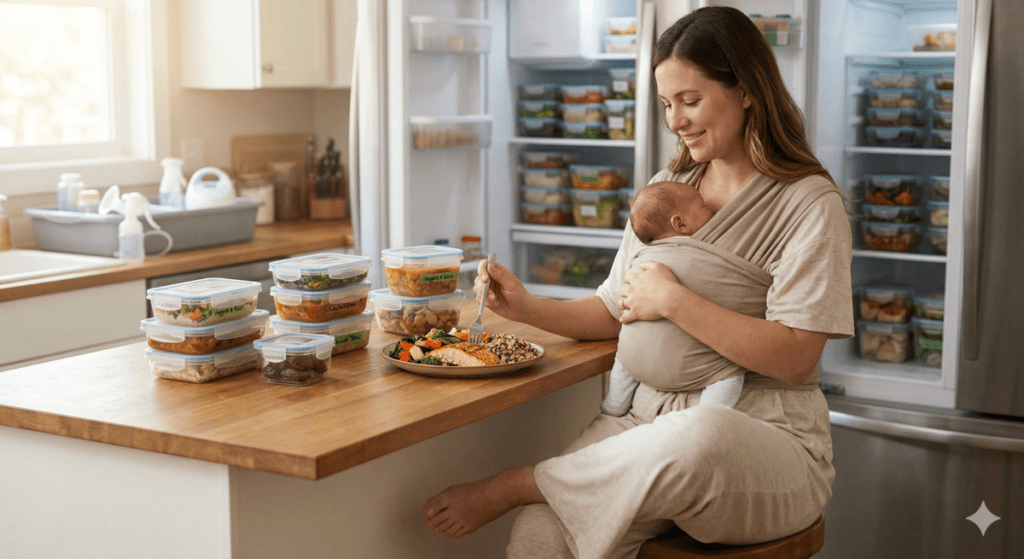
Meal prep cuts down cooking time after delivery. Having ready meals means less stress about what to eat. It frees up time to rest and care for your baby. Simple, quick meals reduce the need to cook daily. You can focus on healing and bonding with your newborn.
Supporting Breastfeeding Nutrition
Eating well is key for milk production. Meal prep ensures you have healthy food on hand. Balanced meals provide essential nutrients like protein and iron. It helps maintain steady energy for breastfeeding demands. Good nutrition supports your body’s recovery and milk quality.
Boosting Energy And Mood
Proper meals help keep energy levels stable. Nutritious food can reduce feelings of fatigue and low mood. Preparing meals ahead lowers stress around eating choices. Consistent meals support better mental and physical health. Feeling nourished helps you care for yourself and your baby.
Essential Nutrients After Birth
After giving birth, your body needs special care to recover well. Eating the right foods helps heal tissues and keeps energy up. Essential nutrients support breastfeeding and improve mood. Focusing on key vitamins and minerals makes a big difference in your health.
Protein For Healing
Protein helps repair muscles and tissues after birth. It supports the immune system and helps wounds heal faster. Good sources include:
- Lean meats like chicken and turkey
- Eggs and dairy products
- Beans, lentils, and tofu
- Nuts and seeds
Try to include protein in every meal to support recovery.
Iron For Energy
Iron is vital for making red blood cells. Blood loss during childbirth can lower iron levels. Low iron causes tiredness and weakness. Foods rich in iron include:
- Red meat and poultry
- Spinach and other leafy greens
- Beans and lentils
- Fortified cereals
Pair iron-rich foods with vitamin C sources like oranges to improve absorption.
Calcium And Vitamin D
Calcium strengthens bones and teeth. Vitamin D helps your body use calcium well. These nutrients support bone health for mother and baby. Sources of calcium and vitamin D include:
- Dairy products like milk and yogurt
- Fortified plant-based milks
- Fatty fish such as salmon
- Egg yolks
Sunlight also helps your body make vitamin D naturally.
Hydration Needs
Water is crucial after birth. It helps with milk production and flushes out toxins. Drink plenty of fluids every day. Good choices are:
- Water
- Herbal teas
- Clear broths
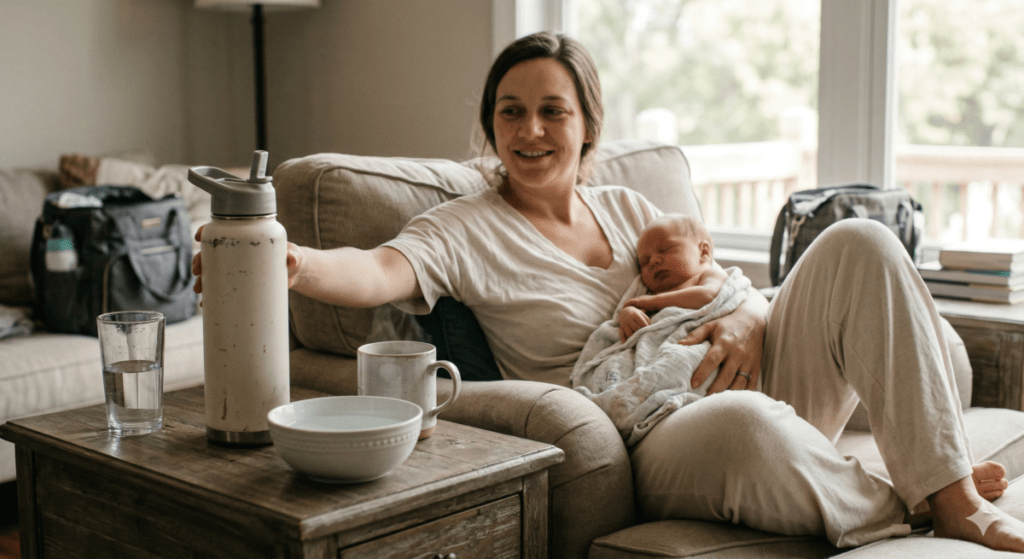
Aim to drink at least eight glasses daily. Keep a large insulated water bottle nearby for easy, one-handed access.
Planning Your Postpartum Meals
Planning your postpartum meals is essential for a smooth recovery and steady energy. Thoughtful meal prep saves time and reduces stress during busy days with a newborn. It helps ensure you get the right nutrients to heal and nourish your body.
Start by setting clear and achievable goals. Focus on simple meals that fit your lifestyle and taste preferences. Keep your plans flexible to adapt to changing needs and moods.
Setting Realistic Goals
Choose goals that suit your time and energy levels. Aim for meals that take less than 30 minutes to prepare. Include a variety of foods to cover all nutrient needs. Avoid complicated recipes that cause frustration.
Choosing Easy Recipes
Pick recipes with few ingredients and simple steps. Favor dishes that store well in the fridge or freezer. Examples include soups, stews, casseroles, and grain bowls. Prioritize meals rich in protein, healthy fats, and vegetables.
Batch Cooking Tips
- Cook large portions to last several days.
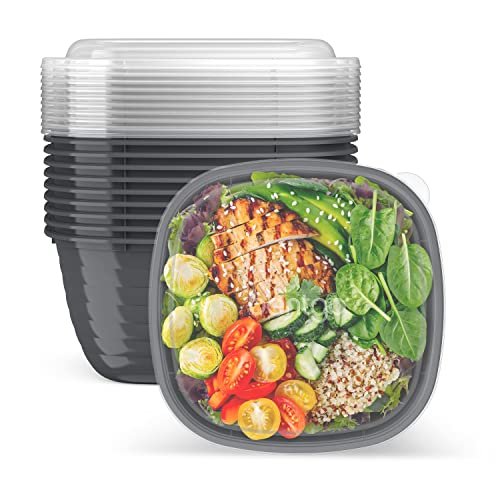
- Use glass airtight containers for freshness and easy storage.
- Label meals with dates to track freshness.
- Prepare ingredients in advance (a vegetable chopper is a lifesaver for fast dicing!).
- Freeze some meals to extend their shelf life.
Quick And Nutritious Meal Ideas
Finding time to cook after having a baby can feel impossible. Quick and nutritious meals help you stay energized and support healing without spending hours in the kitchen. With some smart planning, you can have tasty options ready to go that nourish your body and satisfy your hunger.
Breakfast Options
Breakfast fuels your day, especially during postpartum recovery. Try overnight oats with chia seeds and fresh berries—easy to prepare the night before and packed with fiber and antioxidants.
Another go-to is scrambled eggs with spinach and whole-grain toast. It’s a protein-rich combo that keeps you full longer and supports milk production if you’re breastfeeding.
- Greek yogurt with honey and granola
- Smoothies with banana, protein powder, and almond milk
- Avocado toast topped with a boiled egg
Lunch And Dinner Recipes
Meals that take less than 30 minutes to prepare are a lifesaver. One of my favorites was a quinoa salad with chickpeas, cucumber, cherry tomatoes, and lemon dressing. It’s refreshing and full of vitamins.
Slow cooker meals like chicken stew with vegetables let you set it and forget it. You come back to a warm, wholesome dish ready to eat without extra effort.
| Dish | Prep Time | Key Ingredients |
|---|---|---|
| Grilled Salmon & Veggies | 20 mins | Salmon, asparagus, olive oil |
| Vegetable Stir Fry | 25 mins | Broccoli, bell peppers, tofu, soy sauce |
| Lentil Soup | 30 mins | Lentils, carrots, onions, garlic |
Healthy Snacks
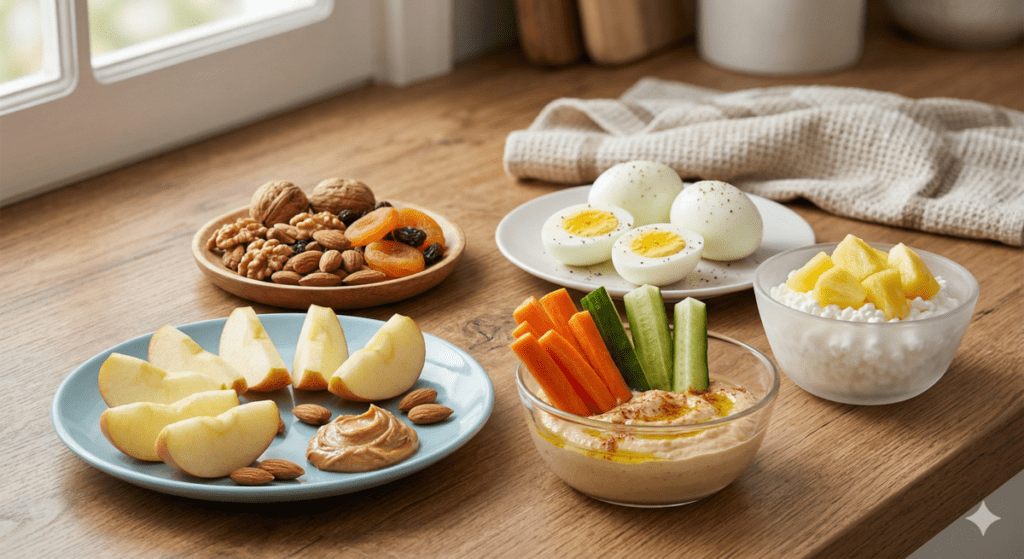
Snacks can keep your energy steady between meals. Keep nuts and dried fruit on hand for a quick boost that’s rich in healthy fats and natural sugars.
Cut veggies like carrots and cucumbers with hummus make a crunchy, satisfying snack. They’re easy to grab when you only have a few minutes.
- Apple slices with peanut butter
- Hard-boiled eggs
- Cottage cheese with pineapple chunks
What snacks do you find keep your energy up without weighing you down? Think about what you can prepare ahead so you’re never caught hungry and without options.
Storage And Safety Tips
Proper storage and safety are key for postpartum meal prep. Fresh meals keep nutrients and reduce risk of illness. Understanding how to store, freeze, and reheat food helps maintain quality and safety.
Proper Refrigeration
Store cooked meals in airtight containers. Keep the refrigerator temperature at or below 40°F (4°C). Place meals in the fridge within two hours of cooking. Use meals within 3 to 4 days for best freshness. Label containers with the date to track storage time.
Freezing Meals
Freeze meals that won't be eaten within four days. Use freezer-safe containers or heavy-duty silicone freezer bags to save space. Remove as much air as possible to prevent freezer burn. Label each package with the date and contents. Most meals stay good for up to 3 months in the freezer.
Reheating Guidelines
Thaw frozen meals in the fridge overnight or use a microwave defrost setting. Reheat food to an internal temperature of 165°F (74°C) to kill bacteria. Stir food during reheating for even heat. Avoid reheating meals more than once to keep them safe.
Adapting Meal Prep To Personal Needs
Adjust meal prep to fit your energy levels and dietary needs after childbirth. Focus on simple, nutritious meals that support healing and breastfeeding. Tailor portions and ingredients to your taste and recovery pace for better results.
Adapting meal prep for postpartum recovery means catering to unique personal needs. Every new mom has different dietary preferences and requirements. Tailoring your meal prep plan can make a huge difference. It ensures you get the nutrition and comfort needed during recovery. Here are ways to customize meal prep to fit your life.
Dietary Restrictions
Pay attention to any dietary restrictions. Some new moms have allergies or food intolerances. Prioritize these needs when planning meals. Research recipes that align with your restrictions. Substitute ingredients if necessary. For example, use almond milk instead of dairy. This ensures meals are both safe and satisfying.
Cultural Preferences
Cultural preferences play a role in meal prepping. Foods you grew up with bring comfort and healing. Include traditional dishes that you love. They offer familiarity during a time of change. Explore recipes from your heritage that aid recovery. This adds both variety and nostalgia to your meals.
Involving Family Support
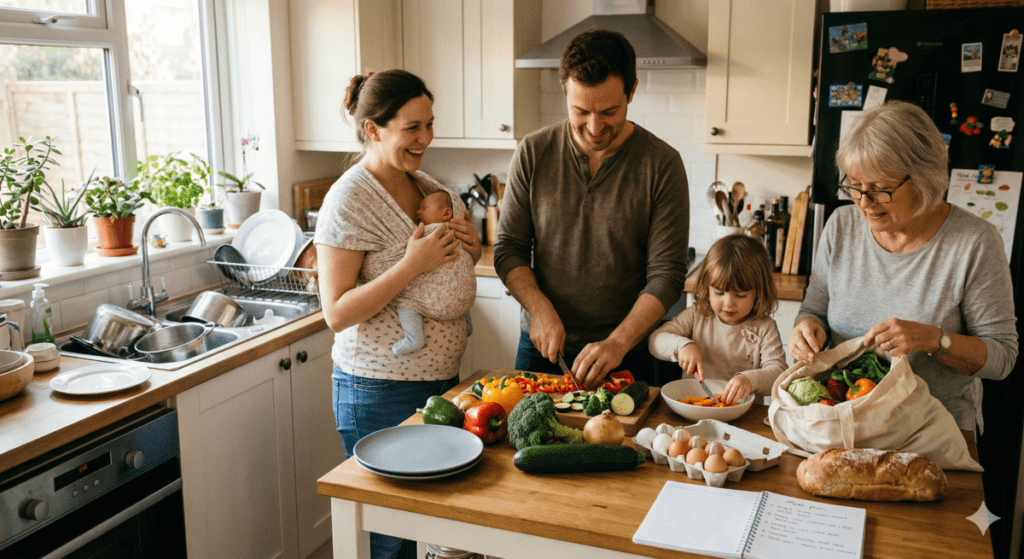
Family support is crucial during postpartum recovery. Involve them in meal prep activities. Assign simple tasks like chopping vegetables. This lightens your load and creates bonding time. Share your meal plan with family members. They can help with grocery shopping or cooking. This collaboration eases your transition into motherhood.
Frequently Asked Questions
What Are The Best Foods For Postpartum Meal Prep?
Focus on nutrient-rich foods like lean proteins, whole grains, and vegetables. Include iron, calcium, and fiber to support recovery and energy. Healthy fats and hydration are also vital for healing and milk production.
How Can Meal Prepping Ease Postpartum Recovery?
Meal prepping saves time and reduces stress during postpartum. It ensures balanced nutrition without daily cooking. Ready meals help new moms focus on rest and bonding with the baby.
When Should I Start Meal Prepping For Postpartum?
Begin meal prepping in the third trimester or early postpartum. Planning ahead helps manage fatigue and unexpected demands. Preparing freezer-friendly meals provides convenient options during recovery.
How Many Meals Should I Prep For Postpartum?
Aim to prep at least 7-10 meals for the first two weeks. This covers busy days and promotes consistent nutrition. Adjust quantity based on personal needs and family support.
Conclusion
Meal prepping after childbirth saves time and reduces stress. It helps new moms eat healthy and stay strong. Simple, balanced meals keep energy up for daily tasks. Planning ahead means less worry about what to cook. Small efforts now lead to better rest and recovery.
Start with easy recipes and build your routine slowly. Remember, caring for yourself helps you care for your baby. Keep meals simple, nutritious, and ready to go. This way, you can focus more on your family and less on the kitchen.