If you love sticky rice but don’t have a rice cooker, don’t worry—you can still make perfect sticky rice at home. Imagine enjoying that soft, chewy texture and subtle sweetness without any special equipment.
Whether you’re preparing a favorite dish or trying something new, this simple method will save you time and frustration. Keep reading, and you’ll discover easy steps that anyone can follow to get delicious sticky rice every time. Your next meal just got a lot better.
Choosing The Right Rice
Choosing the right rice is the foundation of making perfect sticky rice without a rice cooker. The texture and stickiness depend heavily on the rice variety you pick. Understanding the types of sticky rice and where to find them can save you time and improve your cooking results.
Types Of Sticky Rice
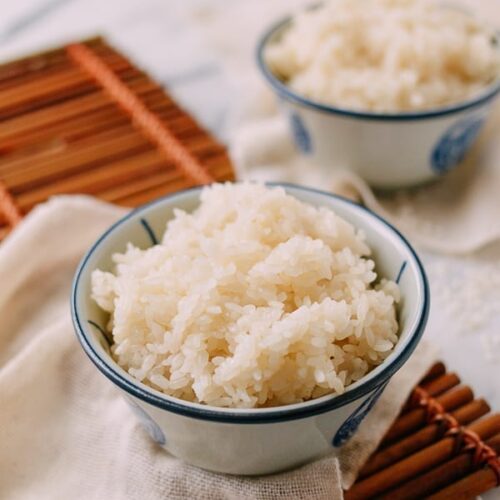
Sticky rice, also known as glutinous rice, comes in several varieties. The most common type is white sticky rice, which becomes soft and clumps together when cooked. There’s also black sticky rice, which has a nuttier flavor and turns dark purple when cooked.
Some sticky rice is short-grain, while others are medium-grain. Short-grain sticky rice typically has a higher starch content, making it more adhesive. If you want the classic sticky rice texture, opt for short-grain glutinous rice.
Where To Buy
Finding the right sticky rice depends on your local availability. Asian grocery stores are usually the best places to look. They often carry a range of sticky rice types, including those imported from Thailand, Laos, and Vietnam.
If you don’t have access to a physical store, online shops can deliver authentic sticky rice directly to your door. Look for brands that specify "glutinous rice" or "sticky rice" on the package to avoid confusion with regular rice. Have you checked your pantry lately? Sometimes the perfect rice is hiding in plain sight.
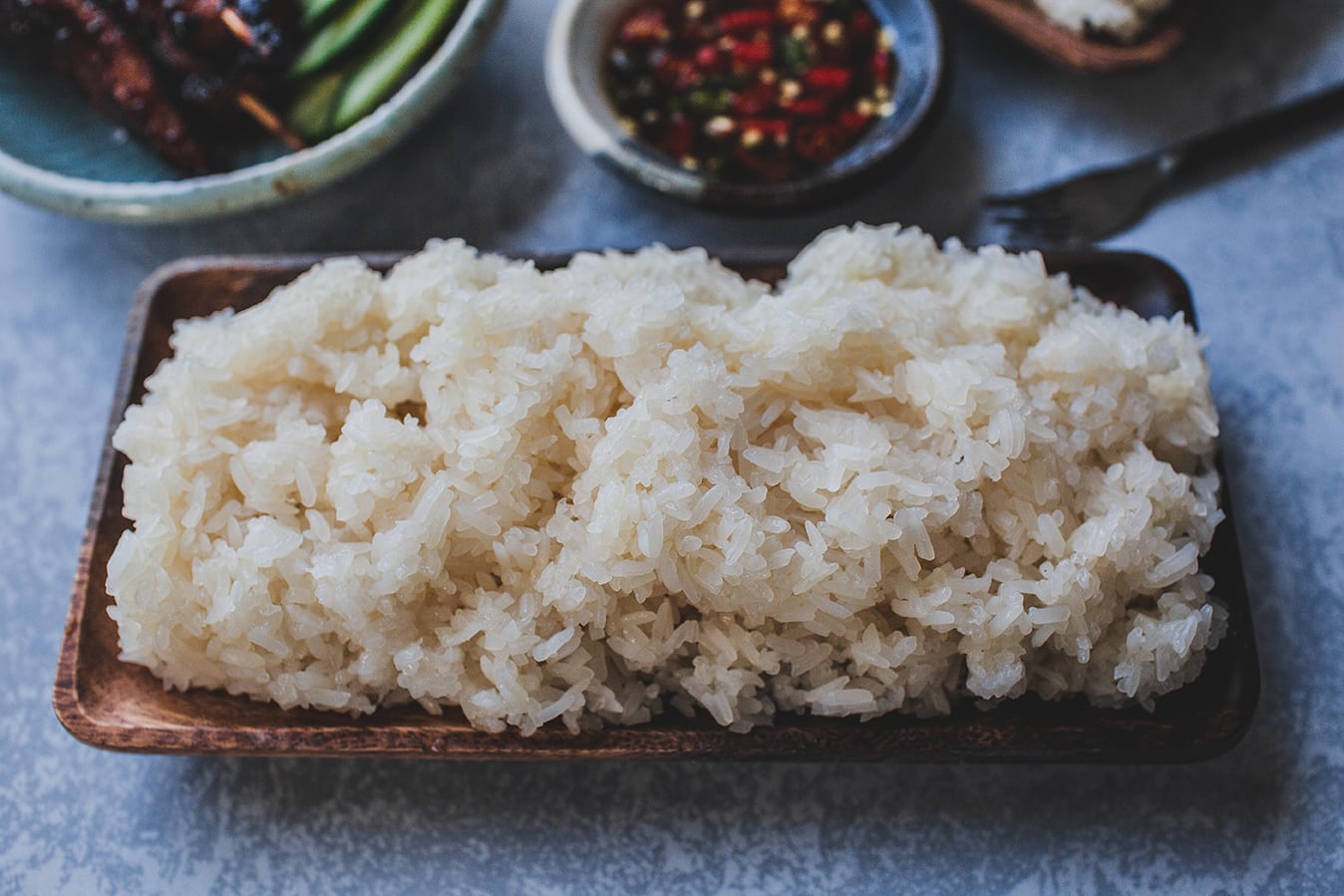
Credit: www.simplysuwanee.com
Soaking The Rice
Soaking the rice is a key step to make sticky rice without a rice cooker. It helps the grains absorb water evenly. This softens the rice and shortens cooking time. Proper soaking gives the rice a chewy and sticky texture. Skipping this step can lead to uneven cooking or dry rice.
Why Soaking Matters
Soaking rice allows water to enter each grain slowly. This makes cooking easier and faster. The grains swell and become tender. It also helps the rice stick together better. Without soaking, rice can stay hard inside. Soaking improves texture and taste.
Soaking Time Tips
- Use cold water for soaking, not hot.
- Soak rice for at least 4 hours for best results.
- Overnight soaking (8-12 hours) works great too.
- Drain rice well before cooking to avoid sogginess.
- Short soaking time (1-2 hours) can work but may reduce stickiness.
Steaming Methods Without A Rice Cooker
Steaming sticky rice without a rice cooker is easier than you might think. You only need a few simple kitchen tools and a bit of patience. These steaming methods help you achieve the perfect texture—soft, chewy, and just sticky enough—without any special gadgets.
Using A Bamboo Steamer
A bamboo steamer is a traditional tool perfect for cooking sticky rice. Line the steamer with a clean, damp cloth or banana leaves to prevent the rice from falling through the slats. Place soaked sticky rice inside, cover it, and steam over boiling water for about 20-30 minutes.
The porous nature of bamboo allows steam to circulate evenly, helping the rice cook uniformly. Have you noticed how restaurants often use bamboo steamers? That’s because it locks in moisture, giving you that authentic sticky rice texture.
Steaming With A Metal Colander
If you don’t have a bamboo steamer, a metal colander works just as well. Line it similarly with a clean cloth to hold the rice. Place the colander over a pot of boiling water, making sure it doesn’t touch the water, then cover with a lid or foil.
This setup traps steam efficiently and cooks the rice gently. It’s a great hack for any kitchen, using what you already have. What’s stopping you from giving this simple method a try tonight?
Alternative Steaming Setups
Other creative options include using a heatproof sieve or even stacking metal trays with holes over simmering water. The key is ensuring the rice is elevated above the water and covered well to trap steam. Cover tightly with a lid or foil to avoid steam escaping.
These makeshift steamers can surprise you with their effectiveness. Have you experimented with any unconventional tools in your kitchen? Sometimes, the best results come from thinking outside the box.
Credit: thewoksoflife.com
Cooking On The Stove
Cooking sticky rice on the stove might seem tricky at first, but it’s actually quite straightforward once you get the hang of it. This method gives you more control over the texture and allows you to make perfect sticky rice even without special equipment. Let’s look at two effective ways to do it, so you can choose what suits your kitchen and taste best.
Boiling Method
This approach is quick and easy, perfect if you’re short on time. Start by rinsing your sticky rice thoroughly under cold water until the water runs clear. This removes excess starch and helps prevent the rice from becoming too gummy.
Next, soak the rice in water for about 30 minutes to an hour. This step is crucial for even cooking and helps the grains absorb water.
After soaking, bring a large pot of water to a boil. Add the rice directly into the boiling water and cook for about 10–15 minutes. You want the grains to be tender but not falling apart.
Drain the rice using a fine mesh sieve or colander. Let it sit for a few minutes to steam off excess moisture. How do you know when it’s perfect? The rice should be sticky enough to clump but still keep its shape.
Simmer And Steam Technique
This method requires a bit more patience but delivers a more authentic sticky rice texture. Begin by rinsing and soaking the rice for at least an hour, just like in the boiling method.
Drain the rice and place it in a heatproof bowl or a steamer basket lined with cheesecloth. Add a small amount of water to a pot—just enough to create steam, not to submerge the rice.
Cover the rice tightly with a lid or foil to trap the steam. Simmer the water gently and steam the rice for 20–30 minutes, checking halfway to fluff the rice gently with a fork. This helps steam circulate evenly.
Does your kitchen setup allow you to easily manage steaming? If not, you can improvise with a metal colander or sieve over a pot, just make sure the water doesn’t touch the rice.
Steaming lets the grains cook slowly and retain their chewy, sticky quality without becoming mushy. Give it a try and see how the texture compares to boiling.
Tips For Perfect Sticky Rice
Rinse sticky rice several times until water runs clear for the best texture. Soak rice for at least 4 hours before steaming in a pot or steamer. Use a clean cloth or basket to steam rice evenly without a rice cooker.
Making sticky rice without a rice cooker may seem challenging. But with a few simple tips, you can achieve perfect results. Sticky rice has a unique texture, perfect for Asian dishes. Let's explore some effective tips to ensure your sticky rice turns out just right.
Water To Rice Ratio
Use the right water to rice ratio. For every cup of sticky rice, use 1.5 cups of water. This ratio helps the rice absorb water properly. Too much water leads to mushy rice. Too little water makes the rice dry. Measure carefully for the best results.
Checking For Doneness
Check the rice during cooking. Taste a few grains to see if they're tender. If they feel firm, add a bit more water. Let it cook a little longer. Fluff the rice with a fork. This helps ensure even cooking.
Avoiding Common Mistakes
Don't lift the lid often. This releases steam, affecting the cooking process. Avoid stirring the rice while it cooks. Stirring can break the grains. Use a non-stick pot to prevent sticking. Let the rice rest after cooking. This helps it firm up and enhances its texture.

Credit: www.hungryhuy.com
Serving Ideas
Sticky rice is wonderfully versatile, and knowing how to serve it can transform a simple meal into something memorable. Whether you prefer traditional dishes or want to experiment, sticky rice pairs well with many flavors and textures. Here are some ideas to inspire your next meal.
Classic Pairings
Sticky rice is a staple in many Asian cuisines, so classic pairings often come from these traditions.
- Mango Sticky Rice:Sweet ripe mango slices with coconut milk drizzle make a perfect dessert.
- Thai Larb:This spicy minced meat salad tastes even better with a side of sticky rice to balance the heat.
- Grilled Meats:Try sticky rice alongside grilled chicken, pork, or beef skewers for a satisfying meal.
- Sticky Rice with Papaya Salad:The fresh crunch of papaya salad complements the chewy texture of sticky rice.
Have you tried dipping sticky rice into a spicy sauce? It’s a simple way to add a burst of flavor without extra effort.
Creative Recipes
Sticky rice is not just for traditional dishes—you can get creative and use it in unique ways.
- Sticky Rice Sushi:Swap out regular sushi rice with sticky rice for a softer, chewier bite.
- Rice Pancakes:Mix sticky rice with eggs and veggies, then pan-fry for a crispy, savory pancake.
- Stuffed Sticky Rice Balls:Fill sticky rice with your favorite fillings like seasoned tofu, mushrooms, or spicy tuna.
- Rice Pudding:Use sticky rice to make a creamy, comforting dessert by cooking it with coconut milk and a touch of sugar.
What new dish could you create today with sticky rice? Sometimes the best meals come from simple experiments in your kitchen.
Frequently Asked Questions
How Can I Make Sticky Rice Without A Rice Cooker?
You can soak glutinous rice for several hours, then steam it in a pot with a cloth or bamboo basket. This method ensures perfect texture without a rice cooker.
What Type Of Rice Is Best For Sticky Rice?
Use glutinous or sweet rice, often labeled as sticky rice. This variety has high starch content, making it ideal for sticky, chewy results.
How Long Should I Soak Sticky Rice Before Cooking?
Soak sticky rice for at least 4 to 6 hours or overnight. Soaking softens the grains and helps achieve the perfect sticky texture.
Can I Steam Sticky Rice Using A Regular Pot?
Yes, use a pot with a steaming rack and cover the rice with a cloth. Keep water simmering and steam for about 20-30 minutes.
Conclusion
Making sticky rice without a rice cooker is simple and fun. Just soak the rice well and steam it carefully. Watch the water level and timing closely. You can enjoy soft, sticky rice anytime at home. No special tools needed.
Try this easy method and enjoy tasty sticky rice today. Perfect for meals or snacks. Cooking rice this way saves money and space. Give it a try and see how easy it can be!