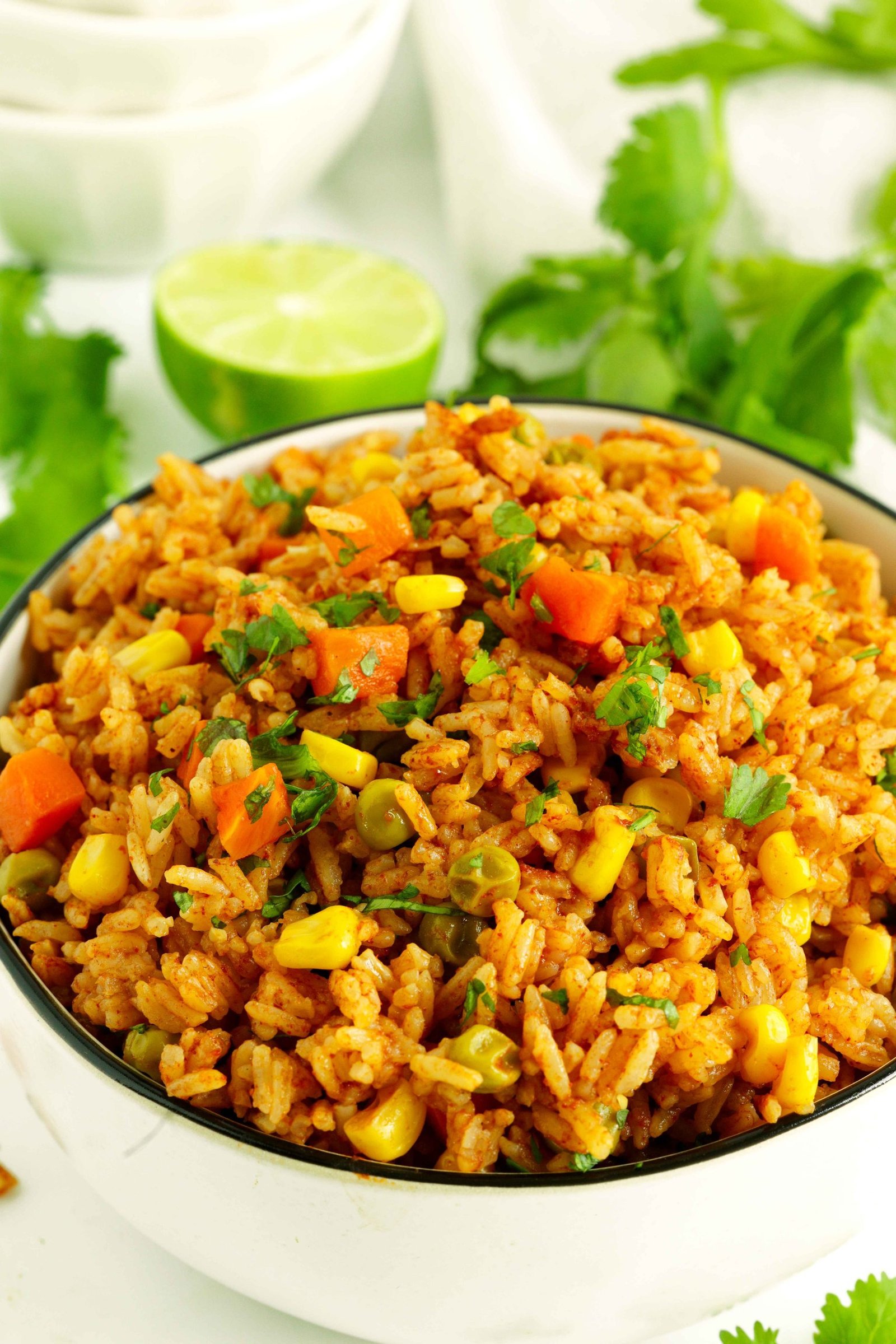
Are you craving delicious fried rice but don’t want to spend extra time standing over the stove? What if you could make perfect fried rice right in your rice cooker with minimal effort?
Imagine a simple method that saves you time, cuts down on mess, and still delivers that tasty, savory flavor you love. In this post, you’ll discover exactly how to turn your rice cooker into a fried rice maker. Ready to impress yourself and anyone you share it with?
Let’s dive in and make your next meal both easy and unforgettable.
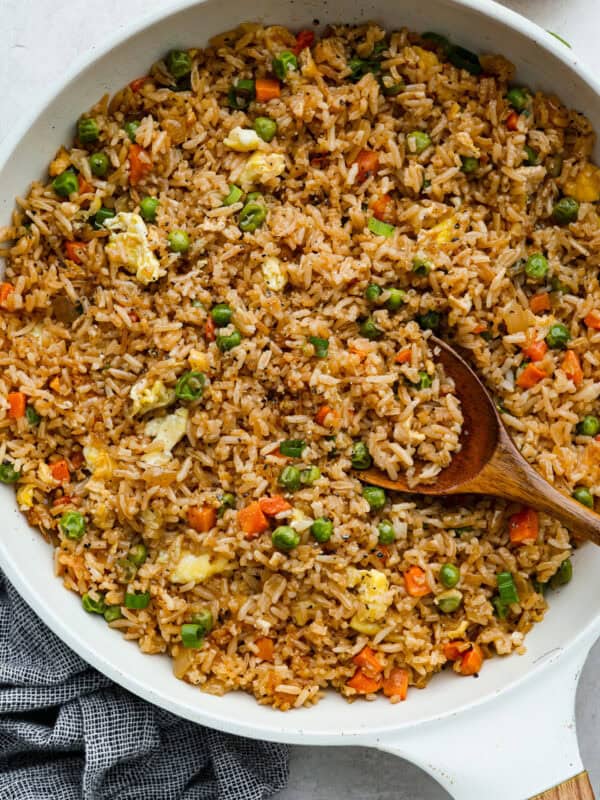
Credit: therecipecritic.com
Choosing The Right Rice
Choosing the right rice is the foundation of making perfect fried rice in your rice cooker. The texture and flavor of the rice you pick can make or break your dish. It's not just about any rice; it's about the rice that holds together well without turning mushy or dry after cooking.
Best Rice Types For Fried Rice
Long-grain rice varieties often work best for fried rice because they stay separate and fluffy after cooking. Jasmine rice, with its slightly sticky texture and fragrant aroma, is a favorite for many home cooks. Another great choice is basmati rice, which has a firm texture and a nutty flavor that complements the stir-fry ingredients.
Try to avoid short-grain or sushi rice, as they tend to be too sticky and can clump together, making it hard to get that perfect fried rice texture. Have you experimented with different rice types before? You might find that switching your rice variety changes the whole experience of your dish.
Rinsing And Soaking Tips
Rinsing your rice thoroughly removes excess starch, which helps prevent clumping and ensures each grain stays distinct after cooking. Rinse the rice under cold water until the water runs clear. This simple step can make a big difference in your fried rice’s texture.
Soaking the rice for about 20-30 minutes before cooking can also improve the texture, especially with jasmine or basmati rice. It softens the grains slightly and helps them cook evenly in the rice cooker. If you're short on time, rinsing alone can still do the trick, but soaking is worth trying when you want to step up your fried rice game.

Credit: fedbysab.com
Preparing Ingredients
Preparing ingredients is the first important step for making fried rice in a rice cooker. Fresh and well-prepared ingredients create better taste and texture. Take time to gather and ready everything before cooking.
Selecting Vegetables And Proteins
Choose vegetables that cook quickly and add color. Good options include peas, carrots, corn, and bell peppers. Use fresh or frozen vegetables for convenience.
Pick proteins that suit your taste and diet. Chicken, shrimp, and eggs are popular choices. Tofu works well for a vegetarian version. Make sure proteins are fresh and cut into small pieces for even cooking.
Chopping And Prepping
Chop all vegetables into small, uniform pieces. This helps them cook evenly in the rice cooker. Dice proteins into bite-sized pieces for quick cooking.
Beat eggs lightly if using. Keep all ingredients ready in separate bowls. This organization speeds up the cooking process and avoids overcooking.
Cooking Rice Perfectly
Cooking rice perfectly in a rice cooker sets the foundation for amazing fried rice. The texture of your rice affects every bite, so paying attention to details like water ratio and settings is key. Getting this right means you avoid mushy or dry rice, which can ruin your dish before you even start frying.
Measuring Water And Rice
Measure your rice with a standard cup to keep portions consistent. Use a precise ratio of water to rice; typically, it’s 1 cup of rice to 1 to 1.25 cups of water depending on the rice type. Too much water makes the rice soggy, while too little leaves it undercooked.
Try rinsing the rice before cooking to remove extra starch. This step helps keep the grains separate once cooked. If you like firmer rice for your fried rice, use slightly less water than usual.
Using The Rice Cooker Settings
Most rice cookers have settings like “white rice” or “quick cook.” Choose the one that best matches your rice type and cooking time. The “white rice” setting usually gives a fluffier texture, ideal for fried rice.
If your rice cooker has a “keep warm” feature, avoid leaving rice in it too long. It can dry out or become gummy, which affects your fried rice quality. Have you noticed how rice texture changes when you overheat it? Timing matters as much as the settings.
Making Fried Rice In The Cooker
Fried rice is a delicious and versatile dish. Using a rice cooker simplifies the process. It saves time and reduces the need for multiple pots and pans. The rice cooker can sauté, mix, and cook all in one. This makes it a convenient choice for busy kitchens.
Sautéing Ingredients In The Cooker
Start by preparing your ingredients. Chop onions, garlic, and your favorite vegetables. Set your rice cooker to the sauté setting. Add a little oil and let it heat up. Once hot, add the chopped vegetables. Stir occasionally until they become soft and fragrant. This step builds the flavor base for your fried rice.
Mixing Rice And Flavors
After sautéing, it's time to add the rice. Use pre-cooked rice for best results. Add the rice to the cooker and stir it with the vegetables. Pour in soy sauce and any other desired seasonings. Stir everything well to ensure even distribution of flavors. Close the lid and let the rice cooker do its magic.
Seasoning Tips
Seasoning your fried rice in a rice cooker is where the magic happens. The right combination of sauces and spices brings out the best flavors, making your dish truly memorable. Knowing what to add and how much can turn a simple meal into a delicious experience you'll want to repeat.
Choosing Sauces And Spices
Start with classic sauces like soy sauce and oyster sauce to build a savory base. These provide salty, umami notes that are essential for fried rice. Don’t forget to add a splash of sesame oil at the end—it adds a nutty aroma that really wakes up your taste buds.
Spices such as garlic powder, white pepper, and a pinch of ginger powder can add depth without overpowering the dish. If you like a little heat, a dash of chili flakes or Sriracha can brighten things up. Experiment with small amounts first—you can always add more, but you can’t take it out once it’s in!
Balancing Flavors
Balance is key to seasoning fried rice. Too much soy sauce can make the rice overly salty; too little leaves it bland. Try adding sauces gradually and tasting as you go. Ask yourself: does the rice taste complete, or does it need a little more kick?
Sweetness can also balance saltiness. A touch of sugar or sweet chili sauce can soften intense flavors. Acidity from a splash of rice vinegar or lime juice can lift the dish, making it feel lighter and fresher.
Remember, your fried rice should have a harmony of salty, sweet, spicy, and sour notes. Don’t be afraid to tweak the seasonings until you find your perfect mix. What flavor do you want to highlight most in your next batch?
Customizing Your Fried Rice
Customizing your fried rice lets you create a dish that fits your taste perfectly. It adds excitement and variety to a simple meal. You can easily change the texture, flavor, and nutrition with a few ingredients. This section explores easy ways to personalize your fried rice in a rice cooker.
Adding Eggs And Tofu
Eggs bring a rich, creamy texture and a mild flavor. You can scramble eggs separately or mix them directly into the rice cooker during cooking. Tofu offers a soft, protein-packed option. Use firm tofu for better shape or silken tofu for a smooth feel. Both absorb the flavors of soy sauce and spices well.
- Beat eggs and pour over rice before cooking ends.
- Cube tofu and add it during the last 10 minutes of cooking.
- Season with salt, pepper, and soy sauce for taste.
Incorporating Nuts And Herbs
Nuts add a crunchy contrast and healthy fats. Try cashews, peanuts, or almonds. Toast them lightly for extra flavor before adding. Fresh herbs brighten the dish with fresh, fragrant notes. Cilantro, green onions, or basil work well. Sprinkle herbs just before serving to keep their aroma.
- Mix nuts into cooked rice for a crispy texture.
- Add chopped herbs on top after cooking finishes.
- Combine both for a mix of crunch and freshness.
Troubleshooting Common Issues
Fried rice in a rice cooker can be a quick and tasty meal, but sometimes things don’t turn out as expected. You might notice your rice is too mushy or that it forms sticky clumps. These problems are common but easy to fix once you know what to look for.
Dealing With Mushy Rice
Mushy rice usually means there’s too much water or the rice cooked for too long. Try reducing the water slightly—use less than the usual amount for plain rice. This small change can make a big difference in texture.
If your rice cooker has different settings, use the “quick cook” or “less water” option to avoid overcooking. Also, don’t leave the rice sitting in the cooker after it’s done, as the steam can make it soggy.
Have you noticed mushy rice happening more with certain brands? Experiment with different rice types; some absorb water differently and affect the final result.
Avoiding Sticky Clumps
Sticky clumps happen when the rice grains stick together too much, making it hard to separate them. Rinse your rice well before cooking to remove excess starch—this step is key to fluffier rice.
After cooking, fluff the rice immediately with a fork or spatula to keep grains separate. Adding a small amount of oil or butter before cooking can also help reduce stickiness and add flavor.
Think about your timing—stirring the rice too much during cooking can break grains and cause clumps. Let the rice cook undisturbed, then fluff gently once it’s done.

Credit: www.youtube.com
Serving And Storing
Serving and storing fried rice made in a rice cooker is simple and convenient. Proper serving brings out the best flavors. Safe storage keeps your fried rice fresh and tasty for later meals. Follow these tips to enjoy your dish fully.
Best Serving Suggestions
Serve fried rice hot for the best taste. Pair it with simple sides to balance flavors. Try these ideas:
- Fresh cucumber slices for a cool crunch
- Steamed or sautéed vegetables for extra nutrition
- Grilled chicken or shrimp for added protein
- A drizzle of soy sauce or chili sauce for more flavor
- Chopped green onions to add freshness and color
Use a wide, shallow dish to help the rice cool slightly. This improves texture and aroma. Garnish with sesame seeds or fresh herbs for a nice touch.
Storing Leftovers Safely
Cool fried rice quickly after cooking to avoid bacteria growth. Transfer it to an airtight container before placing it in the refrigerator. Use these tips for safe storage:
- Store fried rice within two hours of cooking
- Keep it in the refrigerator for up to 3 days
- Reheat only the portion you need to avoid repeated cooling
- Use a microwave or stovetop to reheat until steaming hot
- Do not leave fried rice at room temperature for too long
For longer storage, freeze fried rice in portions. Use freezer-safe containers and consume within one month. Label containers with the date for easy tracking.
Frequently Asked Questions
Can I Use Leftover Rice For Fried Rice In A Rice Cooker?
Yes, leftover rice works best for fried rice. It’s drier and less sticky, making it easier to fry evenly in a rice cooker.
What Ingredients Are Essential For Rice Cooker Fried Rice?
Basic ingredients include cooked rice, soy sauce, vegetables, eggs, and protein like chicken or shrimp. Customize to your taste.
How Long Does It Take To Cook Fried Rice In A Rice Cooker?
It usually takes about 20-25 minutes. Cooking time depends on your rice cooker’s settings and the quantity of ingredients.
Can I Make Vegetarian Fried Rice In A Rice Cooker?
Absolutely! Use vegetables, tofu, and soy sauce. Avoid meat and add extra veggies for flavor and nutrition.
Conclusion
Making fried rice in a rice cooker saves time and effort. You only need a few simple ingredients and steps. This method works well for quick meals or leftovers. You can add your favorite vegetables and proteins easily. The rice cooker does most of the work for you.
Try this recipe to enjoy tasty fried rice at home. Cooking becomes simple and less messy. Give it a try, and enjoy your meal!