Are you tired of wasting fresh tomatoes before they spoil? Imagine having delicious tomato sauce ready whenever you need it, without buying expensive jars from the store.
Making your own freezer tomato sauce is easier than you think, and it saves you money while locking in that fresh, homemade flavor. In this guide, you'll discover simple steps to create, store, and enjoy your own sauce whenever hunger strikes.
Ready to turn your tomatoes into a tasty, convenient meal starter? Let’s dive in!
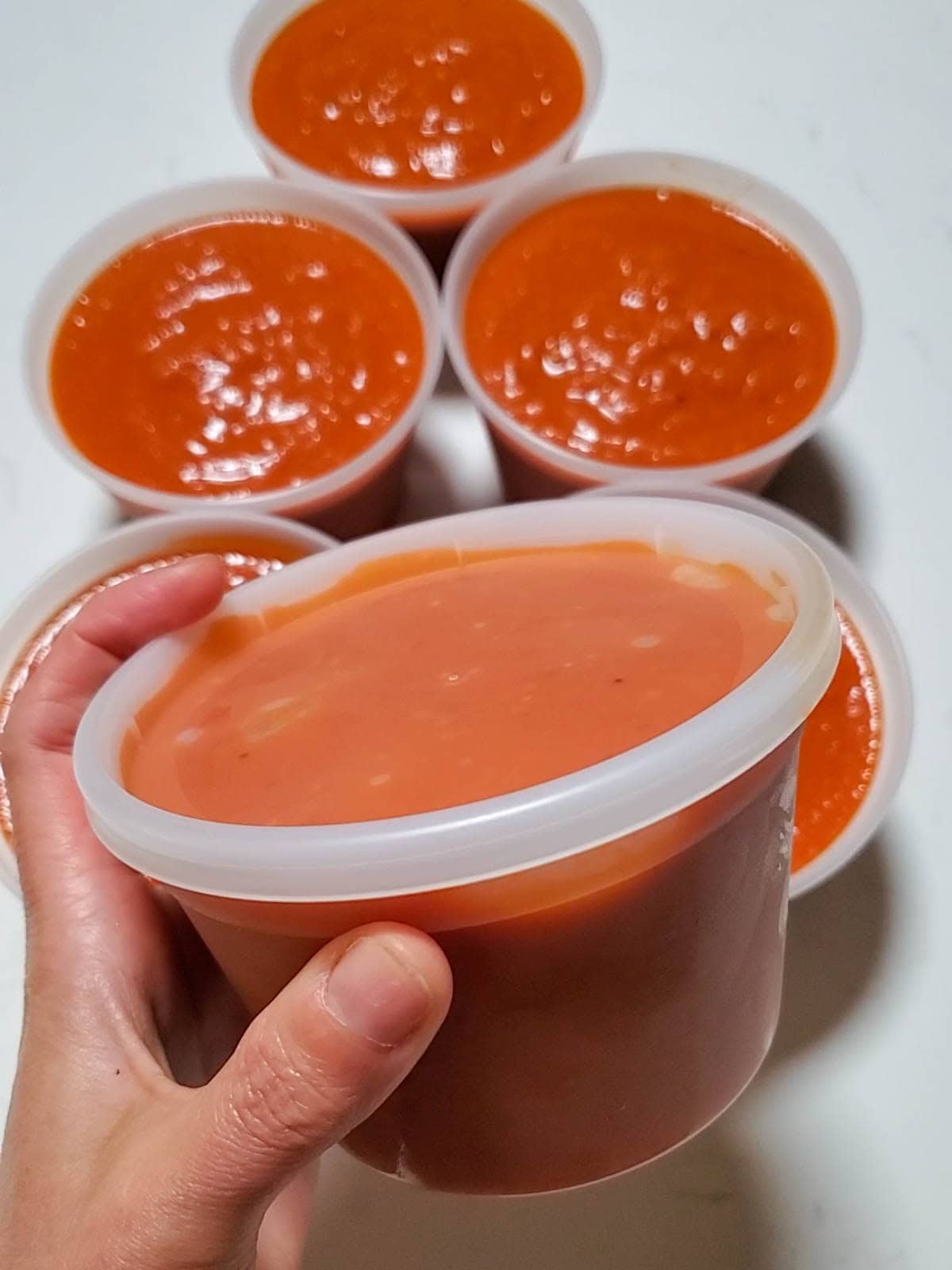
Credit: homesteadandchill.com
Choosing The Right Tomatoes
Choosing the right tomatoes is the first and most important step in making delicious freezer tomato sauce. The type of tomato you pick will affect the flavor, texture, and overall quality of your sauce. It’s worth taking some time to select tomatoes that bring out the best taste and consistency.
Best Tomato Varieties
Some tomato varieties work better than others for sauce because they have fewer seeds and thicker flesh. Roma tomatoes are a favorite because they are meaty and have less juice, which means less cooking time. San Marzano tomatoes, often hailed by chefs, offer a rich, sweet flavor perfect for authentic Italian-style sauce.
Other good options include Amish Paste and plum tomatoes. These varieties hold up well during cooking and give your sauce a natural sweetness without needing too much added sugar. If you want a more robust flavor, try mixing different varieties to create a unique sauce tailored to your taste.
Ripeness And Freshness Tips
Tomatoes should be fully ripe but not overripe. A ripe tomato will feel slightly soft but still firm enough to hold its shape. Avoid tomatoes that are bruised or have soft spots, as these can make your sauce watery or bitter.
Freshness is key. Use tomatoes that have been picked recently, ideally from a local market or your own garden. The fresher the tomato, the brighter and more vibrant your sauce will taste.
Have you ever tasted a sauce made from underripe tomatoes? It’s often too acidic or bland. Getting the ripeness right can save you from adding too much salt or sugar later. Trust your senses—look, feel, and smell your tomatoes before deciding.
Preparing Tomatoes For Sauce
Preparing tomatoes properly is key for a smooth, rich sauce. Fresh tomatoes need careful handling to bring out the best flavor. The process involves cleaning, peeling, and removing unwanted parts. This ensures a silky texture without bitterness or seeds. Follow simple steps to prepare tomatoes perfectly for your freezer sauce.
Washing And Peeling
Start by rinsing the tomatoes under cold water. Remove dirt and any chemicals on the skin. Use a soft brush if needed. Next, blanch the tomatoes to loosen the skin. Drop them in boiling water for 30 seconds. Then, transfer to ice water to stop cooking. The skin will peel off easily with your fingers or a small knife.
Removing Seeds And Core
Cut the peeled tomatoes in half across the middle. Gently squeeze or scoop out the seeds with a spoon. Removing seeds prevents bitterness in the sauce. Also, cut out the tough core at the top. This part can affect the sauce texture and taste. Clean, seedless tomato halves create a smoother final sauce.
Cooking The Sauce
Cooking the sauce is a key stage in making delicious freezer tomato sauce. This process brings out deep flavors and thickens the sauce for freezing. Using fresh ingredients and gentle cooking ensures a rich, tasty result.
Basic Sauce Ingredients
- Fresh ripe tomatoes, peeled and chopped
- Olive oil for sautéing
- Chopped onions for sweetness
- Garlic cloves for aroma
- Salt to enhance taste
- Fresh or dried basil for freshness
Simmering Techniques
Start by heating olive oil in a large pan. Add onions and garlic, cooking until soft and fragrant. Pour in the chopped tomatoes and stir well. Keep the heat low to let the sauce simmer gently.
Simmer for about 45 minutes to an hour, stirring often. This helps the sauce thicken and flavors to blend. Avoid boiling, as it can break down the sauce texture.
Seasoning For Flavor
Season the sauce with salt gradually to suit your taste. Add basil near the end of cooking for a fresh aroma. Pepper or a pinch of sugar can balance acidity.
Taste the sauce before freezing. Adjust seasonings lightly to keep the natural tomato flavor strong.

Credit: fromthelarder.co.uk
Cooling And Portioning
After cooking your tomato sauce, the next crucial stage is cooling and portioning. Proper cooling preserves the flavor and prevents bacterial growth. Portioning helps you save time on busy days by allowing you to thaw just what you need.
Safe Cooling Practices
Cooling your sauce quickly is key to keeping it safe. Avoid leaving it out at room temperature for more than two hours.
Pour the sauce into shallow containers to help it cool faster. Stirring occasionally can also speed up the process.
Have you tried placing your container in an ice bath? It’s a simple trick that cools the sauce evenly and prevents hot spots.
Choosing Portion Sizes
Think about how you usually use tomato sauce before deciding portion sizes. Do you add it to a single pasta dish or use larger amounts for stews?
Freezing in smaller containers or even ice cube trays can give you flexibility. You can thaw exactly what you need without wasting any sauce.
Label your portions with the date and amount. This helps you keep track and use older batches first, reducing food waste.
Freezing Methods
Freezing tomato sauce is a smart way to preserve its freshness. With the right methods, you can enjoy the sauce any time. Proper freezing helps retain flavor and nutrients. Here are the best ways to freeze your homemade tomato sauce.
Best Containers For Freezing
Choose the right container to keep your sauce fresh. Freezer-safe glass jars are a good option. They are durable and safe for food storage. Plastic containers made for freezing are another choice. They are lightweight and come in various sizes. Silicone bags are eco-friendly and space-saving. They seal tightly to prevent leaks. Avoid using regular plastic bags or containers. They may crack in the cold.
Labeling And Dating Tips
Label each container before freezing. Use a permanent marker for clear writing. Include the date of freezing to track freshness. This helps you use the oldest sauce first. Write the type of sauce if you have different varieties. Clear labeling avoids confusion in the future. Proper labeling ensures you enjoy your sauce at its best.
Thawing And Using Sauce
Thawing and using your homemade freezer tomato sauce is simple and safe. Proper thawing keeps the sauce fresh and tasty. Using the sauce in meals saves time and adds rich flavor. This section covers the best ways to thaw and creative ideas for using your sauce.
Safe Thawing Techniques
Thaw tomato sauce slowly to keep it fresh and safe to eat. Avoid leaving it at room temperature for long. Here are safe ways to thaw:
- In the refrigerator: Move the sauce to the fridge for 12-24 hours.
- Cold water bath: Place the sealed container in cold water. Change water every 30 minutes.
- Microwave: Use the defrost setting. Stir sauce often to heat evenly.
After thawing, heat the sauce to boiling before serving. Do not refreeze thawed sauce.
Creative Recipe Ideas
Tomato sauce is very versatile. Use it in many dishes to save cooking time and add flavor. Try these ideas:
- Spaghetti or pasta: Toss cooked pasta with heated sauce and cheese.
- Pizza base: Spread sauce on dough, add toppings, and bake.
- Shakshuka: Poach eggs in simmering tomato sauce for a simple meal.
- Soup base: Add sauce to vegetable or meat soups for rich taste.
- Meatballs: Cook meatballs in sauce for a classic dish.
Use your freezer tomato sauce in any recipe needing tomato flavor. It saves time and tastes fresh.
Troubleshooting Common Issues
Making freezer tomato sauce is satisfying, but sometimes things don’t turn out as expected. You might open your batch only to find it too watery or with freezer burn. These issues can be frustrating, but they’re easy to fix once you know what to look for.
Avoiding Watery Sauce
Watery sauce often happens when tomatoes aren’t cooked down enough before freezing. You want a thick, rich texture that won’t turn into tomato soup once thawed.
To prevent this, simmer your sauce until it reduces by at least one-third. Stir frequently to avoid burning and help evaporation.
Another trick is to use tomatoes with lower water content, like Roma or plum tomatoes. These varieties naturally produce thicker sauce.
Have you noticed your sauce thinning out after freezing? Try adding a spoonful of tomato paste during cooking to boost thickness and flavor.
Preventing Freezer Burn
Freezer burn ruins the taste and texture of your sauce. It happens when air reaches the surface, drying out the sauce and causing discoloration.
To keep freezer burn at bay, use airtight containers or heavy-duty freezer bags. Squeeze out as much air as possible before sealing.
Label your sauce with the date and use it within 3-4 months. Even with good storage, longer freezing increases the chance of freezer burn.
Ever found icy crystals on your sauce? That’s a sign of moisture loss—double-check your sealing method and consider portioning sauce into smaller containers for faster freezing.

Credit: www.sungrownkitchen.com
Frequently Asked Questions
How Long Can You Store Freezer Tomato Sauce?
Freezer tomato sauce can be stored for up to 6 months. Use airtight containers or freezer bags to maintain freshness. Proper storage prevents freezer burn and preserves flavor. Always label containers with the date for easy tracking.
What Tomatoes Are Best For Freezer Tomato Sauce?
Roma or plum tomatoes are best for freezer tomato sauce. They have fewer seeds and thicker flesh, ideal for sauces. Their rich flavor enhances the sauce's taste. Avoid watery or overly juicy tomatoes for better consistency.
Do You Need To Blanch Tomatoes Before Freezing Sauce?
Blanching tomatoes before freezing sauce is optional. It helps remove skins easily and preserves color. However, cooking tomatoes directly for sauce works well too. Blanching depends on personal preference and desired sauce texture.
How To Thaw Frozen Tomato Sauce Safely?
Thaw frozen tomato sauce in the refrigerator overnight. Alternatively, use a microwave on a defrost setting. Avoid thawing at room temperature to prevent bacteria growth. Reheat sauce thoroughly before serving.
Conclusion
Making freezer tomato sauce saves time and reduces food waste. You can enjoy fresh sauce all year round. Store it in airtight containers to keep it tasty. Thaw it slowly for the best flavor. Use your sauce in pasta, pizza, or soups easily.
This simple method fits busy lifestyles well. Try it today and enjoy homemade sauce anytime. Cooking at home has never been this easy. Keep your kitchen stocked with your own sauce. Fresh, delicious, and ready when you need it.