Craving a rich, bold espresso but don’t have an espresso machine? You’re not alone.
Making a perfect espresso at home might seem impossible without fancy equipment, but it’s easier than you think. Imagine enjoying that intense, smooth shot of coffee anytime you want, right in your kitchen. You’ll discover simple, effective ways to create espresso-style coffee without an espresso machine.
Ready to impress yourself and your taste buds? Keep reading—your perfect cup is just a few steps away.

Credit: skillstrainingcollege.com.au
Choosing The Right Coffee Beans
Choosing the right coffee beans is the foundation of making a great espresso at home without a machine. The beans you pick directly influence the flavor, aroma, and richness of your espresso shot. It’s not just about grabbing any coffee; it’s about finding beans that suit the espresso style and your personal taste.
Selecting Espresso-style Beans
Espresso-style beans are typically roasted darker to bring out bold flavors and a fuller body. Look for beans labeled as “espresso roast” or “dark roast” to start. However, don’t shy away from medium roasts if you prefer more acidity and bright notes in your espresso.
Some popular coffee origins for espresso include:
- Brazil – known for nutty and chocolatey flavors
- Colombia – balanced with fruity undertones
- Sumatra – earthy and rich body
Try small batches from different regions to discover what excites your palate. Have you ever noticed how the same beans can taste different depending on their roast? That’s why experimenting is key.
Grinding For Espresso At Home
Grinding your beans right before brewing is crucial because espresso demands a fine and consistent grind. Without an espresso machine, your grind size will affect extraction time and taste more than ever.
If you don’t have a dedicated espresso grinder, aim for the finest setting on a burr grinder, not a blade grinder. Burr grinders provide uniform particle size, which helps avoid bitterness or sourness.
Here’s a quick tip from my own experience: start with a grind that feels like table salt and adjust finer or coarser based on how your brew tastes. Too bitter? Try a coarser grind. Too weak? Go finer. How do you adjust your grind to get the perfect balance?

Credit: m.youtube.com
Essential Tools For Home Espresso
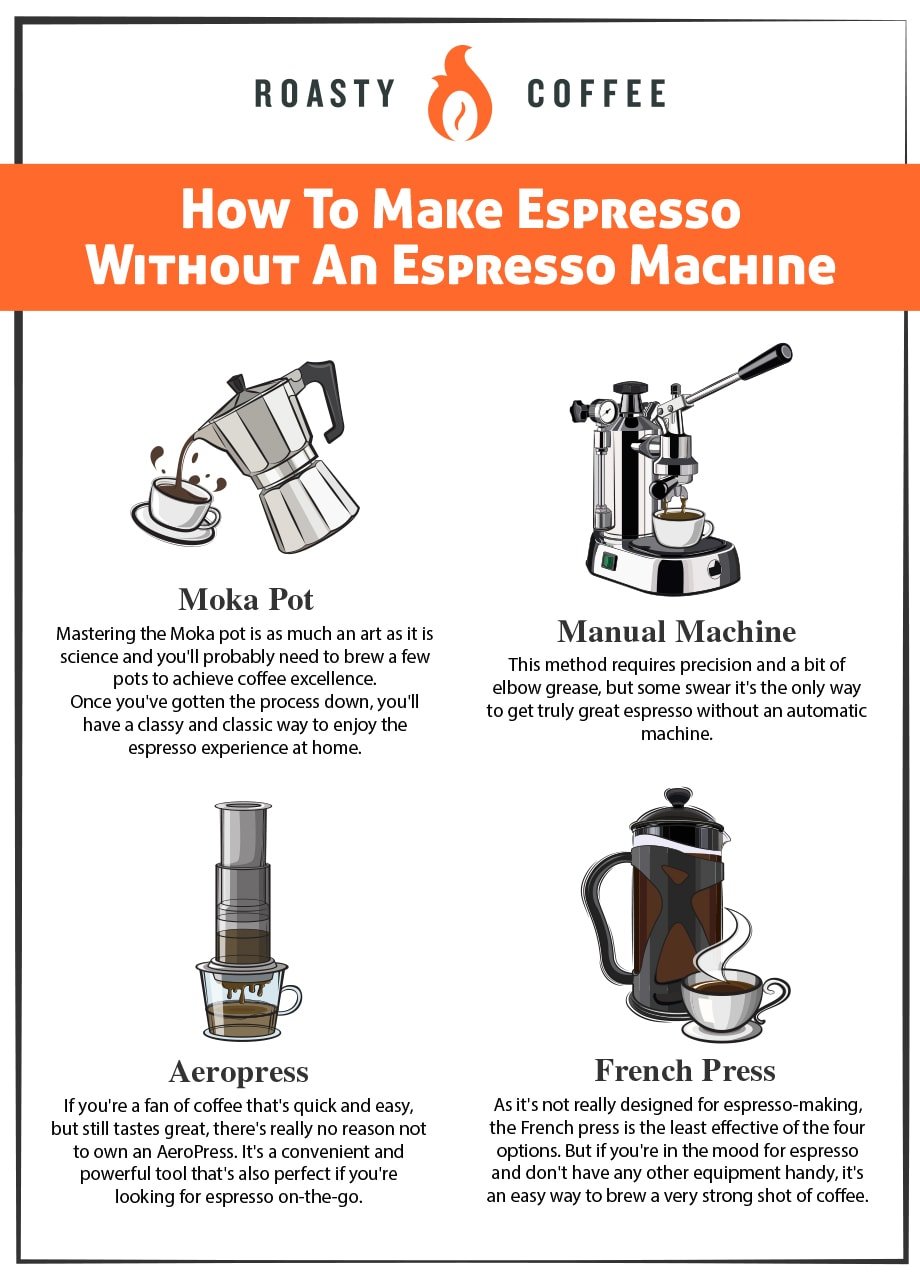
Making espresso at home without a machine requires the right tools. These tools help extract rich flavors and create a strong coffee shot. Several simple devices can mimic espresso brewing. Each tool offers a unique way to enjoy espresso-style coffee. Understanding these options helps you choose what suits your kitchen and taste.
Using A Moka Pot
The moka pot is a classic stove-top coffee maker. It uses steam pressure to push hot water through coffee grounds. This process creates a rich and bold coffee similar to espresso. The moka pot is affordable and easy to use. It requires finely ground coffee and medium heat. The result is a concentrated coffee shot with a thick texture.
French Press Method
A French press can make a strong coffee concentrate. Use finely ground coffee and less water than usual. Steep the coffee for about four minutes. Press the plunger down slowly to separate grounds from liquid. This method produces a thick, bold coffee similar to espresso. It lacks the crema but delivers a strong flavor.
Aeropress Technique
The AeroPress is a versatile coffee maker that can mimic espresso. Use fine coffee grounds and hot water. Press the plunger down slowly to force water through the grounds. This creates a concentrated coffee shot with good body. The AeroPress is portable and easy to clean. It also allows control over brewing time and pressure.
Other Alternative Tools
- Handheld Espresso Makers:Compact and use manual pressure to brew espresso.
- Percolators:Brew strong coffee by cycling boiling water through grounds.
- Turkish Coffee Pots (Cezve):Brew very strong coffee by simmering finely ground beans.
These tools provide options for espresso lovers without machines. Each one offers unique flavors and textures. Experiment to find the best method for your taste and setup.
Step-by-step Brewing Process
Making espresso at home without a machine might sound tricky, but the brewing process is straightforward once you get the hang of it. The key is paying close attention to the details that affect flavor and texture. Let’s break down the essentials you need to master for a rich, satisfying espresso shot.
Preparing The Coffee Grounds
Your espresso’s taste starts with the coffee grounds. Use finely ground coffee, almost like powdered sugar, to get the right extraction.
Freshly ground beans work best because they retain the natural oils that give espresso its bold flavor. If you’re grinding at home, aim for a consistent fine grind to avoid bitterness or weak taste.
Measure about 18-20 grams of coffee for a double shot. Too little coffee will produce a watery espresso, while too much can make it bitter.
Water Temperature And Quality
The water you use affects every sip. Heat your water to around 90-96°C (194-205°F); too hot, and you risk burning the coffee; too cold, and the espresso will be under-extracted and sour.
Use filtered water if possible. Tap water often contains minerals or chlorine that can alter the flavor negatively.
Have you ever noticed how the same coffee tastes different with different water? That’s why quality matters just as much as temperature.
Brewing Time Tips
Extraction time is crucial to get that perfect balance of flavors. Aim for about 25-30 seconds to brew your espresso.
If the coffee takes too long to brew, it might taste bitter; too fast, and it can be weak and sour. Adjust your grind size and tamping pressure to control this.
Don’t rush the process. Use a timer or stopwatch to keep track and find your ideal brewing time through experimentation.
Achieving The Perfect Crema
Achieving the perfect crema is key to a great espresso experience at home. Crema is the golden, foamy layer on top of espresso. It holds much of the coffee’s aroma and taste. Without a machine, creating this creamy layer can be tricky but not impossible.
What Is Crema?
Crema is a thick, creamy foam on espresso’s surface. It forms from coffee oils and tiny gas bubbles. These bubbles come from hot water pressing through finely ground coffee. Crema adds a smooth texture and rich flavor. It also shows the coffee’s freshness and quality.
Tips To Enhance Crema Without A Machine
- Use freshly roasted coffee beans. Fresh beans produce more crema.
- Grind coffee very fine, almost like powder. Fine grounds create better pressure.
- Use hot water, just below boiling point. Ideal temperature is around 90–95°C (194–203°F).
- Press water through coffee firmly. Try using a French press or AeroPress to apply pressure.
- Stir coffee gently after brewing. This helps mix the oils and gas bubbles.
- Pour coffee slowly into your cup. This preserves the crema layer on top.
- Preheat your cup. Warm cups keep the crema from cooling too fast.
Customizing Your Espresso Drink
Creating espresso at home is a rewarding experience. You can customize your drink to suit your taste. From adding milk to choosing flavors, the possibilities are endless. Let's explore how to enhance your homemade espresso.
Adding Milk And Frothing Techniques
Milk adds a creamy texture to espresso. You can use whole milk or a non-dairy alternative. Frothing milk is simple. Heat the milk until warm, but not boiling. Use a whisk or a jar to froth. For the whisk method, whisk briskly to create foam. For the jar method, shake the jar with milk until frothy. Pour the milk over your espresso. Enjoy the rich, creamy taste.
Sweeteners And Flavorings
Sweeteners can balance espresso’s bold flavor. Common choices include sugar, honey, or syrup. Add a small amount and stir well. For extra flavor, consider vanilla or almond extract. Spices like cinnamon or nutmeg add warmth. Mix them into your espresso for a unique twist. Customize your drink to your liking.
Troubleshooting Common Issues
Making espresso at home without a machine can lead to some common problems. These issues might affect the taste and texture of your coffee. Understanding how to fix these problems helps improve your espresso experience. Here are solutions for the most frequent taste and strength issues.
Bitter Or Sour Taste Fixes
Bitter espresso often means over-extraction. The coffee grounds stayed in water too long or the water was too hot. Try these tips to fix bitterness:
- Use slightly cooler water, around 90-95°C (194-203°F).
- Shorten the brewing time to avoid over-extraction.
- Grind coffee beans a little coarser for less bitterness.
- Use fresh coffee beans, as old beans can taste bitter.
Sour espresso usually means under-extraction. The coffee didn’t brew long enough or the grind is too coarse. Try these fixes for sour taste:
- Grind coffee beans finer to increase extraction.
- Increase the brewing time slightly.
- Check water temperature; it should be hot enough.
- Make sure to use the right coffee-to-water ratio.
Weak Or Watery Espresso Solutions
Weak espresso lacks strong flavor and feels thin. It may happen because of too little coffee or wrong grind size. Try these solutions:
- Use more coffee grounds to strengthen the brew.
- Grind coffee beans finer to extract more flavor.
- Press the coffee grounds firmly to create resistance.
- Use less water for a more concentrated shot.
Another cause is brewing too fast. Slow down the water flow to allow more extraction. These adjustments help you enjoy a richer, fuller espresso.
Maintaining Your Equipment
Maintaining your equipment is key to making great espresso without a machine. Clean tools brew better coffee. Dirty equipment changes the flavor and clogs parts. Storing items properly keeps them safe and ready for use. Follow these simple steps for the best results.
Cleaning Tips
- Rinse all tools with warm water after each use.
- Use a soft brush to remove coffee grounds from grinders or filters.
- Clean metal parts with mild soap and a sponge, then rinse well.
- Dry all pieces completely before storing to avoid rust or mold.
- Deep clean your grinder or filter once a week for best taste.
Storage Recommendations
- Keep equipment in a dry, cool place away from sunlight.
- Store small parts like filters and lids in a sealed container.
- Use a dedicated shelf or drawer to avoid mixing with other kitchen items.
- Check equipment regularly for damage or wear and replace if needed.
- Keep coffee beans in airtight containers to maintain freshness.

Credit: malaysia.news.yahoo.com
Frequently Asked Questions
How Can I Make Espresso Without An Espresso Machine?
You can make espresso using a moka pot, AeroPress, or French press. These methods extract strong coffee similar to espresso. Use finely ground coffee, hot water, and apply pressure or steam to achieve the rich flavor and crema.
What Coffee Grind Size Is Best For Homemade Espresso?
Use a fine coffee grind for homemade espresso. The grind should be finer than drip coffee but coarser than powder. This ensures optimal extraction and a strong, concentrated espresso taste when using alternative brewing methods.
Can I Get Crema Without An Espresso Machine?
Yes, crema can be achieved without an espresso machine. Using a moka pot or AeroPress and fresh, high-quality coffee helps create crema. Proper pressure and hot water extraction release oils that form the characteristic creamy foam.
Is A Moka Pot A Good Alternative For Espresso?
Yes, a moka pot is an excellent espresso alternative. It uses steam pressure to brew strong, concentrated coffee. It is affordable, easy to use, and produces a rich, robust flavor similar to traditional espresso.
Conclusion
Making espresso at home without a machine is simple and fun. Use fresh coffee and hot water for best taste. A good grinder and the right tools help a lot. Practice a few times to find what you like. Enjoy rich, strong coffee anytime you want.
Save money and skip the café lines. Try these easy steps and enjoy your homemade espresso today.