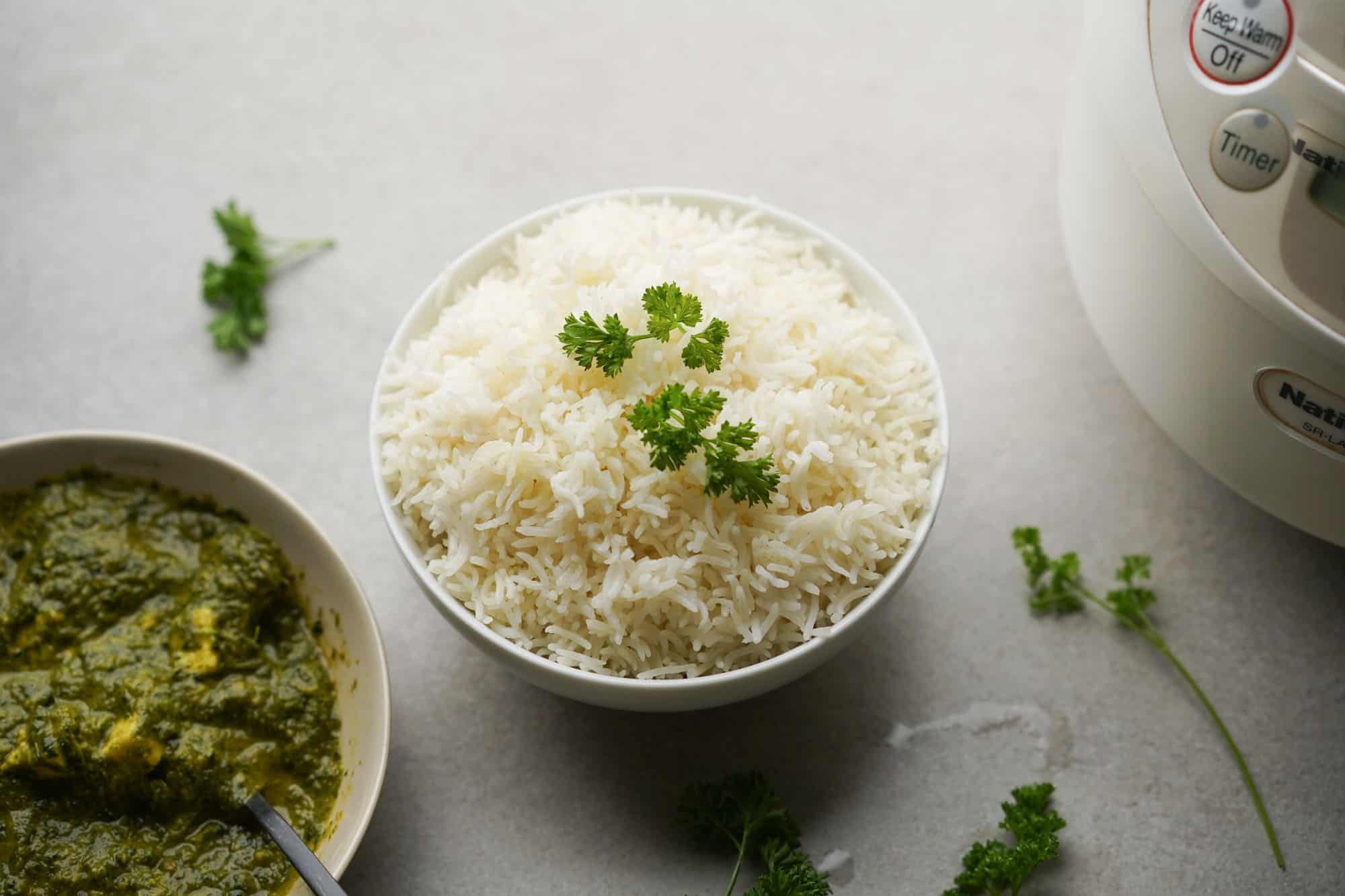
Are you tired of sticky or bland basmati rice? Cooking perfect, fluffy basmati rice doesn’t have to be hard.
With a rice cooker, you can get consistent results every time without any guesswork. Imagine serving rice that’s light, fragrant, and cooked just right—all with minimal effort. In this guide, you’ll discover simple steps to make basmati rice in your rice cooker that tastes like it’s from a restaurant.
Keep reading, and you’ll never struggle with rice again.
Credit: www.hungryhuy.com
Choosing The Right Basmati Rice
Choosing the right basmati rice is the first step to perfect rice in your cooker. The quality of rice affects taste, texture, and aroma. Not all basmati rice is the same. Knowing what to pick makes cooking easier and results better.
Basmati rice comes from different regions. Each type has unique features. Some are aged for extra flavor, while others are fresher and softer. Picking the right kind depends on your taste and dish.
Understanding Basmati Rice Grades
Basmati rice comes in various grades. Higher grades have longer grains and fewer broken pieces. These grains cook evenly and look better on the plate. Low-grade rice may cook unevenly and clump together.
Look for rice labeled as "Extra Long Grain" or "Premium." These usually have better quality grains. The packaging often shows the grade clearly.
The Importance Of Aged Basmati Rice
Aged basmati rice has been stored for months or years. This process reduces moisture and improves flavor. Aged rice cooks fluffier and separates well. Fresh rice can be sticky and less fragrant.
Check the packaging or ask the seller about the aging. Aged rice costs a bit more but gives a better cooking result.
Choosing Between White And Brown Basmati
White basmati rice is polished and cooks faster. It has a lighter texture and aroma. Brown basmati keeps its bran layer, making it healthier. It has a nuttier taste and chewier texture.
Your choice depends on health goals and recipe. Brown rice takes longer to cook and needs more water.
Certified And Organic Basmati Rice
Certified basmati rice guarantees authentic origin and quality. It ensures the rice is true basmati, not mixed with other types. Organic rice is grown without synthetic chemicals. It may have a cleaner taste and fewer pesticides.
Look for certification labels on the package for trust. Organic options may cost more but appeal to health-conscious cooks.
Preparing Rice For Cooking
Preparing basmati rice for cooking is a crucial step that shapes the texture and flavor of your final dish. Skipping or rushing this part can lead to sticky, clumpy rice instead of those fluffy, separate grains you want. Let’s dive into how you can set up your rice perfectly before it hits the cooker.
Rinsing Techniques
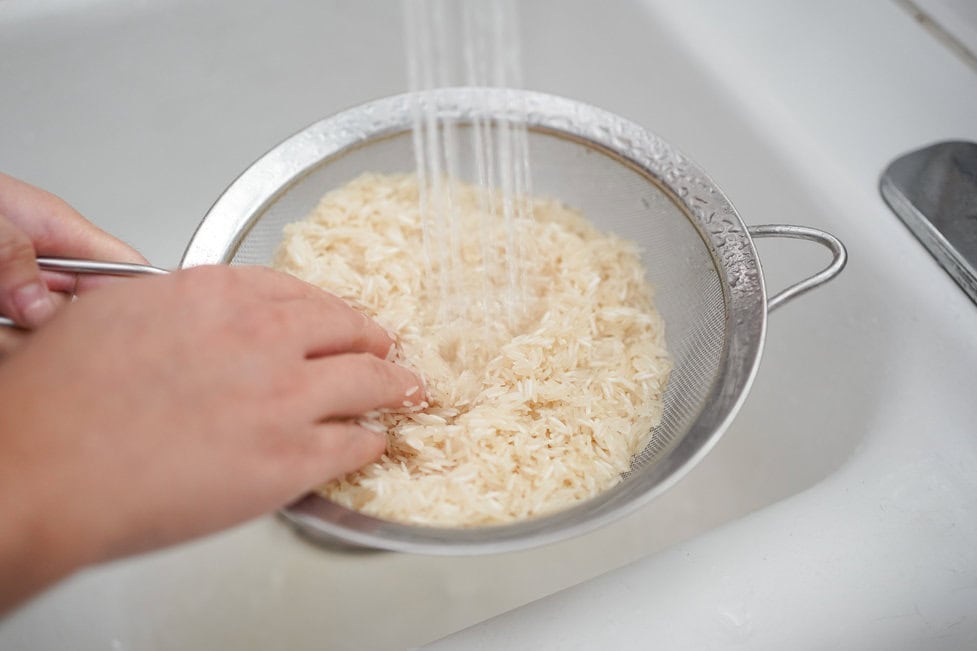
Rinsing basmati rice removes excess surface starch, which often causes rice to become gummy. To rinse effectively, place the rice in a fine mesh strainer or a bowl and use cold water.
- Swirl the rice gently with your hand to loosen starch.
- Drain the cloudy water and repeat this process 3-4 times until the water runs almost clear.
Have you noticed how the water changes from milky white to almost transparent? That’s your sign that the starch is mostly gone, and your rice will cook up light and fluffy.
Soaking Benefits And Tips
Soaking basmati rice before cooking helps the grains absorb water evenly. This short wait softens the outer layer, reducing cooking time and preventing breakage during cooking.
- Use cool water and soak the rice for 20 to 30 minutes.
- Drain thoroughly before adding the rice to your cooker.
Skipping soaking might save a little time, but have you ever wondered why some basmati turns out sticky or mushy? Soaking is a simple step that guarantees better texture and aroma.
Measuring Rice And Water
Measuring rice and water is a key step in cooking perfect basmati rice in a rice cooker. Getting the right balance ensures the rice cooks evenly and tastes great. Using too much or too little water can change the texture and flavor. Accurate measurement helps avoid mushy or dry rice.
Using a standard measuring cup or the rice cooker’s cup helps keep measurements consistent. Rinsing the rice before measuring can also affect the water needed. Always measure rice and water carefully for the best results.
Ideal Rice-to-water Ratio
The ideal ratio for basmati rice is usually 1 cup of rice to 1.5 cups of water. This amount keeps the grains separate and fluffy. Some rice cookers may have specific marks inside the pot to guide water levels. Use these marks if available for added accuracy.
This ratio works well for most basmati rice brands. It ensures the rice cooks fully without sticking or clumping. You can adjust slightly based on your rice cooker’s model and the rice’s age.
Adjusting For Texture Preferences
For softer rice, add a little more water, about 1.75 cups per cup of rice. For firmer rice, reduce water to 1.25 cups per cup of rice. Experiment with small changes to find your favorite texture.
Remember, different batches of rice absorb water differently. Adjust water levels based on how the rice turns out each time. Keeping notes helps perfect your method over time.
Using The Rice Cooker Effectively
Using a rice cooker can simplify your basmati rice preparation, but it’s important to use it effectively to get fluffy, perfectly cooked grains every time. The rice cooker settings and the timing you choose can make a big difference in your results. Let’s dive into how you can master these elements for the best basmati rice experience.
Selecting The Correct Settings
Most rice cookers have multiple settings, but not all of them are ideal for basmati rice. Look for a setting labeled “white rice,” “basmati,” or “long grain” if available. These options adjust the cooking temperature and time to suit the delicate texture of basmati rice.
If your cooker doesn’t have a specific basmati setting, use the “regular” or “white rice” setting instead. Avoid the “quick cook” option, as it often leaves the rice undercooked or mushy. Remember, the right setting helps your rice cook evenly without drying out or sticking.
Timing And Resting Periods
Once the cooker switches off or to the “keep warm” mode, resist the urge to open the lid immediately. Let the rice rest for at least 10 minutes inside the cooker. This resting period allows the steam to finish cooking the rice gently and helps the grains firm up without becoming sticky.
Have you ever opened your rice cooker too soon and ended up with clumpy rice? Patience here pays off. If your rice still seems a bit wet after resting, give it a gentle fluff with a fork to separate the grains before serving.
Enhancing Flavor And Aroma
Enhancing flavor and aroma of basmati rice is easy in a rice cooker. Rinse rice to remove starch. Add water and let the rice cooker work its magic for perfect, fragrant grains.
Enhancing the flavor and aroma of basmati rice can transform a simple meal into a memorable dining experience. While the rice cooker does a fantastic job of cooking rice to perfection, you can elevate the taste with just a few additional ingredients. Let's explore some practical ways to add depth to your basmati rice using everyday items from your pantry.
Adding Spices And Herbs
Imagine the warm scent of cumin or the vibrant color of turmeric infusing into your rice. Adding spices is a simple yet effective way to enhance the flavor profile. Consider sprinkling in some cardamom pods or a cinnamon stick before you hit the start button on your rice cooker. Herbs can work magic too. Fresh cilantro or a sprinkle of dried mint can add a refreshing twist. Don't hesitate to experiment with combinations like bay leaves and star anise for a more exotic touch.
Incorporating Broth Or Aromatics
Have you ever tried cooking rice in broth instead of water? It's a game-changer. Whether it's chicken, vegetable, or beef broth, swapping it in place of water can add a rich, savory dimension to your rice. Consider adding aromatics like chopped onions, garlic, or ginger. Sauté them lightly before adding to the rice cooker for an extra depth of flavor. The gentle simmer in the cooker infuses the rice with these aromatic delights, making every bite a burst of flavor. What spices or herbs are your go-to for enhancing rice dishes?
Fluffing And Serving Tips
Fluffing your basmati rice after it’s cooked is a crucial step that affects both texture and presentation. Proper fluffing separates the grains, preventing clumps and ensuring each bite is light and airy. Serving your rice with style can elevate a simple meal into a memorable dining experience.
Best Tools For Fluffing
Using the right tool makes fluffing effortless and keeps your rice grains intact. A fork is a classic choice; its tines gently separate the grains without crushing them. Plastic or silicone rice paddles are designed specifically for this task and reduce sticking.
Wooden spoons can work well, but avoid metal utensils that might mash the rice or scratch your rice cooker’s pot. Have you tried fluffing rice with chopsticks? It’s surprisingly effective and fun to use, especially for basmati.
Presentation Ideas
- Use Molds:Shape your rice into neat forms using small bowls or silicone molds for a professional look.
- Garnish Smartly:Sprinkle chopped fresh herbs like cilantro or mint for a pop of color and fresh flavor.
- Add Texture:Toasted nuts or seeds on top add a delightful crunch and contrast.
- Serve with Sauce:A drizzle of infused oil or a side of tangy chutney complements the fluffy rice beautifully.
Have you thought about how the way you serve rice impacts your enjoyment? A simple change in presentation can make your meal feel special and inviting every time.
Troubleshooting Common Issues
Even with a rice cooker, making perfect basmati rice isn't always straightforward. You might face issues like mushy rice or undercooked grains. Understanding how to fix these common problems can save your meal and boost your confidence in the kitchen.
Fixing Mushy Rice
Mushy rice usually means there’s too much water or the rice cooked for too long. Next time, reduce the water slightly—try about 1 to 1.25 cups of water per cup of basmati rice. Rinsing the rice thoroughly before cooking also helps remove excess starch that can cause stickiness.
If your rice turns out mushy, don't throw it away. Spread it out on a baking sheet and let it air dry for a few minutes. This can help remove some moisture and improve texture.
Dealing With Undercooked Grains
Undercooked rice often means not enough water or insufficient cooking time. Add a few tablespoons of hot water to the rice cooker and close the lid to let it steam for 5 to 10 more minutes. This gentle finish helps soften those stubborn grains.
Consider the age of your rice too. Older basmati rice can absorb water differently, requiring a bit more water or time. Have you noticed your rice cooker’s settings vary with different brands? Adjusting the water ratio accordingly can make all the difference.
Credit: www.hungryhuy.com
Credit: www.hungryhuy.com
Frequently Asked Questions
How Much Water Is Needed For Basmati Rice In A Cooker?
Use 1. 5 cups of water for every 1 cup of basmati rice. Adjust slightly based on rice age and preference.
Can I Rinse Basmati Rice Before Cooking?
Yes, rinse basmati rice under cold water until water runs clear. This removes excess starch and prevents clumping.
How Long Does Basmati Rice Take To Cook In A Rice Cooker?
Basmati rice usually cooks in 15 to 20 minutes in a rice cooker. Cooking times vary by model.
Should I Soak Basmati Rice Before Using A Rice Cooker?
Soaking basmati rice for 20-30 minutes improves texture and reduces cooking time but is optional.
Conclusion
Making basmati rice in a rice cooker is simple and quick. Just rinse the rice well and add the right water amount. Press the cook button and wait for the rice to finish. The rice cooker does all the work for you.
Enjoy fluffy, tasty rice every time without stress. Try this easy method for your next meal. Perfect rice is now within your reach. Give it a go and see the difference!