Craving a rich, creamy caramel latte but don’t want to spend a fortune at the coffee shop? You’re in the right place.
Making a caramel latte with your espresso machine is easier than you think. Imagine the perfect blend of bold espresso, smooth steamed milk, and sweet caramel syrup right in your own kitchen. In this guide, you’ll discover simple steps to create that delicious café-style drink at home.
Ready to impress yourself and anyone you share it with? Let’s dive in and make your mornings a little sweeter.
Ingredients Needed
Making a caramel latte with an espresso machine needs a few simple ingredients. Each one plays a key role in creating a rich and smooth drink. Using fresh, quality ingredients brings out the best flavor. Here is what you will need to prepare a delicious caramel latte at home.
Espresso Coffee Beans
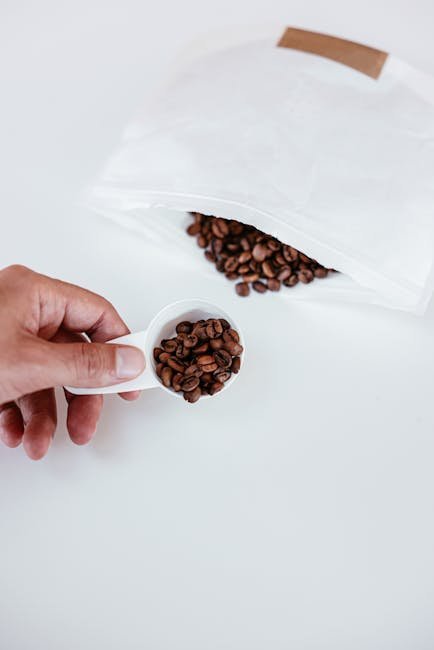
Choose dark roast beans for a strong espresso base. Freshly ground beans offer the best aroma and taste. Use about 18-20 grams for a double shot of espresso.
Milk
Whole milk creates creamy foam and rich texture. You can also use low-fat or plant-based milk. Milk should be cold before steaming for better froth.
Caramel Sauce
Use smooth, high-quality caramel sauce for sweetness. It adds a buttery flavor and a golden color to the latte. Adjust the amount to match your taste.
Sugar (optional)
Add sugar only if you want extra sweetness. Many caramel sauces are already sweet enough. Use white or brown sugar based on preference.
Water
Clean, filtered water is important for brewing espresso. Avoid hard or chlorinated water to keep the taste pure. Water temperature should be between 90-96°C.

Credit: whatmollymade.com
Preparing The Espresso Shot
Preparing the espresso shot is the foundation of a rich caramel latte. A good espresso brings out deep flavors and a smooth texture. It all starts with the right coffee beans and ends with a perfectly pulled shot. This process requires attention to detail and a few simple steps.
Choosing The Right Coffee Beans
Select fresh beans roasted for espresso. Dark or medium roast beans work well. They offer bold flavors that balance the caramel sweetness. Avoid old or pre-ground coffee. Freshness impacts the taste and crema quality. Look for beans with a roast date on the package.
Grinding For Espresso
Grind beans just before brewing. Use a burr grinder for even particle size. Espresso needs a fine grind, but not too powdery. Too coarse results in weak coffee. Too fine can cause bitter flavors and slow extraction. Adjust grind size slightly to find the best balance.
Pulling The Perfect Shot
Start by preheating the espresso machine. Tamp the coffee grounds evenly and firmly in the portafilter. Insert the portafilter and start the extraction immediately. A good shot takes about 25 to 30 seconds. Aim for 1 to 2 ounces of espresso. Watch for a rich crema and steady flow. Stop the shot before it turns bitter.
Making The Caramel Syrup
Making your own caramel syrup is a game-changer for your caramel latte. It lets you control the sweetness and flavor depth, making each cup exactly how you like it. Whether you prefer a quick fix or enjoy the hands-on process, there’s a caramel syrup option that fits your style.
Simple Homemade Caramel
Homemade caramel syrup needs just a few ingredients: sugar, water, and a touch of cream or butter. Heat sugar and water gently until the mixture turns a rich amber color, then carefully stir in cream or butter to create a smooth syrup.
Watch the process closely because caramel can burn fast. The smell of caramelizing sugar is quite distinct, and you’ll know it’s ready when it darkens to a deep golden tone. Don’t rush—patience here means a richer flavor.
Try adding a pinch of sea salt to balance the sweetness. This small touch can transform your syrup, giving it a subtle complexity that works beautifully with espresso. Have you ever noticed how a little salt enhances sweetness?
Store-bought Options
If you’re short on time or prefer convenience, store-bought caramel syrup is a solid choice. Many brands offer quality syrups that blend well with espresso and milk, giving you consistent flavor every time.
Look for syrups with natural ingredients and minimal artificial additives. Reading labels can help you avoid overly sweet or chemical-tasting options. You might be surprised how different brands vary in taste and thickness.
Keep a bottle handy for busy mornings or when you want a quick caramel fix. Have you found a favorite brand that matches your homemade syrup’s taste? Experimenting with both can help you decide what suits your caramel latte best.
Steaming And Frothing Milk
Steaming and frothing milk is a crucial step in making a caramel latte that tastes just right. The texture and temperature of your milk can elevate the entire drink. Getting this part right ensures your latte is creamy, smooth, and beautifully layered.
Milk Selection Tips
Choosing the right milk affects both taste and froth quality. Whole milk creates a rich, creamy foam, while low-fat or skim milk produces lighter, airier foam. If you prefer non-dairy options, oat milk and almond milk froth well but can taste slightly different.
Think about the flavor you want. Do you want a dense, creamy texture or a light and airy top? Your milk choice will guide this. Have you tried mixing different types of milk to find your perfect blend?
Using The Steam Wand
Start with cold milk and fill your pitcher only halfway to leave room for froth. Position the steam wand just below the surface of the milk at a slight angle. Turn on the steam and listen for a gentle hissing sound—that means air is being incorporated properly.
Move the pitcher slowly downward as the milk expands, keeping the wand near the surface at first. Once the milk reaches around 100°F (38°C), submerge the wand deeper to heat evenly without adding more air. This method ensures smooth, velvety milk.
Achieving The Right Foam
Good foam is glossy and fine-textured, not bubbly or stiff. After steaming, tap the pitcher on a countertop to break any large bubbles and swirl the milk to mix the foam with the liquid milk. This creates a silky microfoam that's perfect for your caramel latte.
Check the temperature with your hand—aim for around 140-150°F (60-65°C). Too hot and the milk tastes burnt; too cool and it won’t blend well with the espresso. Have you ever noticed how foam texture changes the flavor experience of your latte?
Assembling The Caramel Latte
Crafting a caramel latte with an espresso machine involves brewing espresso, steaming milk, and adding caramel syrup. Pour the espresso into a cup, mix in the caramel syrup, and top with steamed milk. Stir gently for a delicious blend of flavors.
Assembling the Caramel Latte Creating the perfect caramel latte is a rewarding experience that tantalizes your taste buds. It's all about balancing the rich flavors of espresso, creamy milk, and sweet caramel. Whether you're a seasoned barista or a home coffee enthusiast, assembling this delightful beverage is an art worth mastering.
Layering Espresso And Milk
Begin with freshly brewed espresso. The robust aroma sets the stage for what's to come. Pour the espresso into your favorite mug, allowing its warmth to radiate. Next, steam your milk until it's frothy and creamy. Slowly pour it over the espresso, watching as the two blend seamlessly. The silky texture of the milk complements the boldness of the espresso, creating a harmonious base.
Adding Caramel Syrup
Now, add a touch of sweetness with caramel syrup. Two tablespoons typically offer just the right amount of indulgence. Stir gently, ensuring the syrup melds into the coffee and milk mixture. Notice how the caramel aroma elevates the drink to a new level. The syrup not only sweetens but also adds depth, making every sip a luxurious experience.
Topping With Caramel Drizzle
Finally, finish your creation with a drizzle of caramel on top. This final flourish is more than just decorative; it adds an extra burst of flavor with each sip. Consider using a spoon to create a delicate pattern, adding a personal touch to your latte. Does the caramel drizzle remind you of your favorite café? Now, you're the barista, crafting perfection in your own kitchen. Enjoy every moment!

Credit: peachestopeaches.com
Customizing Your Latte
Customizing your caramel latte lets you create a drink that fits your taste perfectly. It’s not just about following a recipe; it’s about making the latte truly yours. Small tweaks can turn a good latte into an unforgettable one.
Adjusting Sweetness
You control how sweet your latte gets by changing the amount of caramel syrup or sugar. If you prefer a lighter touch, start with one tablespoon and taste before adding more. Some people even like to add a pinch of salt to balance the sweetness—have you ever tried that?
Don’t forget, the espresso itself can taste bitter to some, so sweetness helps soften that edge. If you’re cutting back on sugar, vanilla extract or cinnamon can add flavor without extra calories. Taste as you go and adjust until it feels just right.
Alternative Milk Choices
Milk type changes the texture and flavor of your caramel latte dramatically. Whole milk gives a creamy, rich experience, while skim milk makes it lighter but less smooth. Plant-based milks like almond, oat, or soy bring unique flavors and are great if you’re lactose intolerant.
I once switched to oat milk and noticed how it added a natural sweetness that paired well with caramel. Some milks froth better than others—barista blends often work best for espresso machines. Which milk have you found gives your latte the perfect foam?
Flavor Variations
Adding extra flavors can make your latte stand out. Try mixing in a dash of cinnamon or nutmeg for warmth. A little vanilla syrup or a drop of hazelnut extract can turn your caramel latte into a gourmet treat.
Ever thought about a salted caramel twist? Just sprinkle some sea salt on top to highlight the caramel’s richness. Experimenting with flavors keeps your coffee routine exciting and personal. What flavor would you add to your next caramel latte?
Cleaning And Maintaining Your Espresso Machine
Keeping your espresso machine clean is key to making the perfect caramel latte every time. Residue from coffee oils and milk can build up quickly, affecting the taste and performance of your machine. Regular maintenance not only extends the life of your equipment but also ensures every cup you brew is fresh and flavorful.
Cleaning The Portafilter And Group Head
After each use, remove the portafilter and rinse it with hot water to clear out any leftover coffee grounds. Wipe the group head with a clean cloth or brush to remove coffee residue stuck in the holes. This simple habit prevents blockages and keeps your espresso flowing smoothly.
Descaling Your Machine Regularly
Mineral deposits from water can clog your espresso machine over time, especially if you use hard water. Use a descaling solution every one to three months, depending on how often you brew. Follow the manufacturer’s instructions carefully, and you’ll notice your machine works more efficiently and your coffee tastes cleaner.
Cleaning The Steam Wand
Milk residue can quickly build up inside the steam wand, leading to unpleasant flavors and potential blockages. After steaming milk, purge the wand by releasing steam for a few seconds, then wipe it down with a damp cloth. Regularly soak the wand tip in warm water to keep it clear and hygienic.
Replacing Water Filters
Many espresso machines come with water filters to improve water quality and protect internal parts. Check your filter every few months and replace it as recommended. Better water means better coffee and less wear on your machine.
Storing Your Machine Properly
When you’re not using your espresso machine, keep it covered and in a dry place. Avoid leaving water in the reservoir overnight to prevent mold growth. A little care in storage can save you time and money on repairs later.

Credit: bakingmischief.com
Tips For A Better Latte Experience
Making a caramel latte with your espresso machine can be a rewarding experience, but a few thoughtful tips can take your drink from good to exceptional. Small adjustments in technique and attention to detail will enhance the flavor and texture, giving you a café-quality latte at home. Let’s dive into some practical ways to improve your latte experience.
Use Fresh, Quality Coffee Beans
The foundation of any great latte is the espresso itself. Choose fresh coffee beans roasted within the last two weeks for the best flavor. Avoid pre-ground coffee if you can; grinding just before brewing preserves the aroma and oils that give your latte depth.
Perfect Your Milk Frothing Technique
Getting the right milk texture is key to a smooth caramel latte. Use cold milk straight from the fridge and aim for a creamy, velvety foam. Don’t overheat—stop steaming when your pitcher is just too hot to touch comfortably, around 140°F (60°C).
Measure Your Ingredients Precisely
Consistency comes from measuring both your espresso and caramel syrup. Too much caramel can overpower the coffee, while too little can leave it bland. Use a small spoon or pump dispenser to add syrup gradually and taste as you go.
Preheat Your Cup
Warming your cup prevents the latte from cooling down too quickly. Pour hot water into your mug, let it sit for a minute, then discard before pouring your drink. This simple step keeps every sip warm and enjoyable.
Experiment With Caramel Placement
Do you mix the caramel syrup into the espresso first or drizzle it on top? Try both to see which you prefer. Mixing it in blends the sweetness evenly, while drizzling on top creates a richer, layered taste as you sip.
Maintain Your Espresso Machine Regularly
A clean machine makes a better latte. Residual coffee oils and milk build-up can affect flavor and performance. Clean your portafilter, steam wand, and group head after each use to keep your espresso tasting fresh.
Frequently Asked Questions
How Do I Make Caramel Syrup For Latte?
To make caramel syrup, melt sugar until golden brown. Add butter and cream, stirring continuously. Cool before use in your latte.
What Is The Best Espresso Grind For Caramel Latte?
Use a fine grind for espresso in caramel latte. It ensures strong flavor and smooth extraction, enhancing your drink’s taste.
Can I Use Regular Milk Instead Of Steamed Milk?
Yes, you can use regular milk, but steaming creates creamy texture. Steamed milk blends better with espresso and caramel syrup.
How Much Caramel Syrup Should I Add To Latte?
Add 1 to 2 tablespoons of caramel syrup per cup. Adjust sweetness to your taste for the perfect caramel latte.
Conclusion
Making a caramel latte with an espresso machine is simple and fun. You only need a few ingredients and basic steps. Fresh espresso, steamed milk, and sweet caramel syrup create a tasty drink. Practice helps you pour milk smoothly and get the right flavor.
Enjoy your homemade caramel latte anytime you want. It’s a great way to start your day or relax. Try different caramel amounts to find your perfect taste. Now, your coffee break just got better. Give it a try and enjoy every sip!